







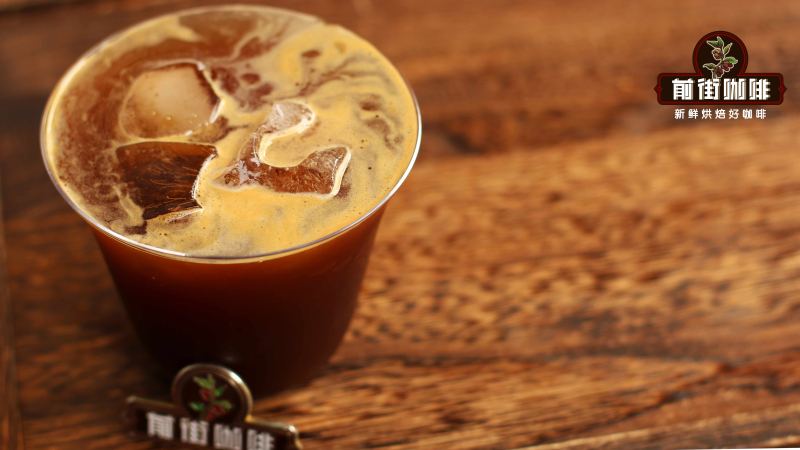
How do you make americano coffee at home?
Americano is made in two ways: pulling a long cup on a drip machine, or diluting espresso with hot water. Most cafes, including Front Street Coffee, use the second route. Water-to-coffee-liquid ratios generally land between 1:4 and 1:9, and each shop sets its own standard within that range.
Front Street's hot Americano is built at 1:4.5, matched to the Strawberry Candy espresso blend and the serving cup; the iced version sits near 1:6. The drink traces back to World War II, when American officers in Europe added hot water to espresso to soften its intensity, and locals named the result Americano.
How many ways are there to make Americano? What is its connection to drip machines and espresso? This article will take you through the history of Americano, break down the differences between the drip-brewed and espresso-plus-water methods, and explain in depth Front Street Coffee's approach to water-to-liquid ratios for hot and iced Americanos. We will also systematically go over espresso extraction standards, including key parameters such as dose, liquid yield, and time, along with the complete operating procedure and recommended recipes from Front Street's stores. Whether you prefer a rich, full-bodied taste or a light, refreshing flavor, you'll find the Americano that suits you in this article.
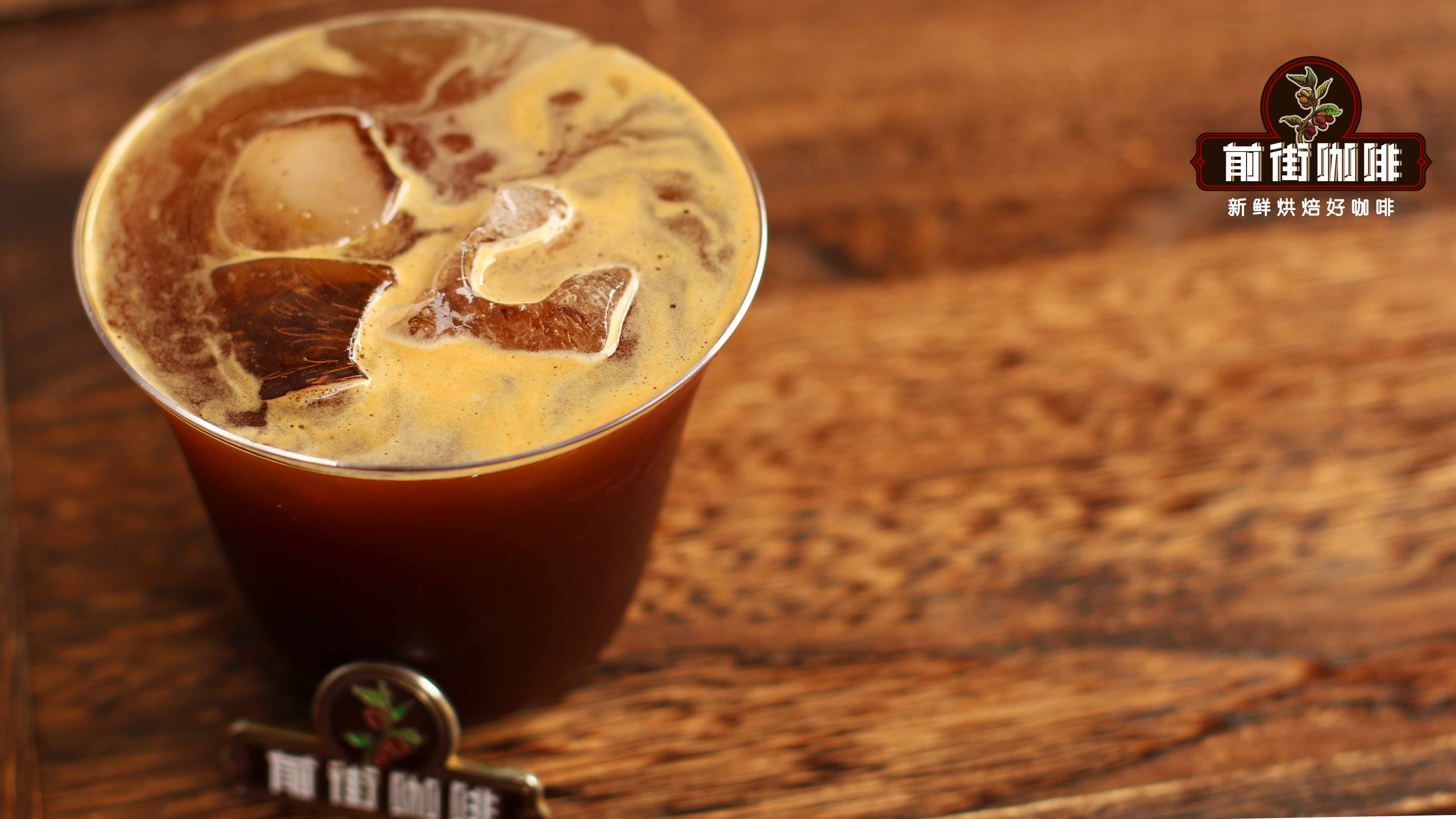
The ways of making Americano can be grouped into two main categories: one is direct extraction using an American-style drip machine, and the other is adding water to espresso to dilute it. To understand the difference between these two methods, it helps to start with the evolution of Americano. Drip machines first became widespread in American households, and Americans had long grown accustomed to the coffee style these machines produce—mild in taste, light in body, and noticeably watery. During World War II, American officers in Europe encountered coffee that was almost entirely espresso, intense and bracing on the palate.
To recreate the gentler flavor of drip coffee, they chose to add hot water to espresso, which greatly reduced the coffee's intensity and made it much easier to drink. At the time, no other part of Europe drank coffee this way, so people called this beverage "Americano." The name actually carried a hint of mockery—a jab from locals at Americans' inability to accept espresso. The French even privately used the term "sock coffee" to describe the underwhelming taste of Americano.
The Americano served by Front Street Coffee follows the espresso-plus-water path, as do most cafés on the market. Generally speaking, the ratio of water to coffee liquid in an Americano falls between 1:4 and 1:9, with each shop having its own standard. Front Street's hot Americano sets the water-to-coffee-liquid ratio at 1:4.5, determined by combining the flavor characteristics of Front Street. Strawberry Candy espresso blend with the shop's serving cup size; for Front Street's iced Americano, the water-to-coffee-liquid ratio is close to 1:6.
Because it uses a house espresso blend that doesn't deliberately pursue nutty notes, Front Street's Strawberry Candy Americano presents a rich floral and fruity aroma, abundant crema, a full-bodied mouthfeel with a cream-like texture, and a long chocolate finish. Compared with the hot Americano, the iced version is more refreshing. Switching to a different espresso bean will lead to a completely different flavor profile in the final cup.
If you prefer coffee with a rich, pronounced aroma, Front Street's Classic Espresso Blend is worth trying. This coffee is composed of beans from three producing regions—Brazil, Indonesia, and Vietnam—and is dark-roasted to maximize the release of coffee's rich aroma while making it easy to extract abundant, velvety crema. Whether you're making a water-diluted Americano or a milk-based latte, it's a great fit. You can order it from Front Street's Taobao store or Front Street's Tmall flagship store.
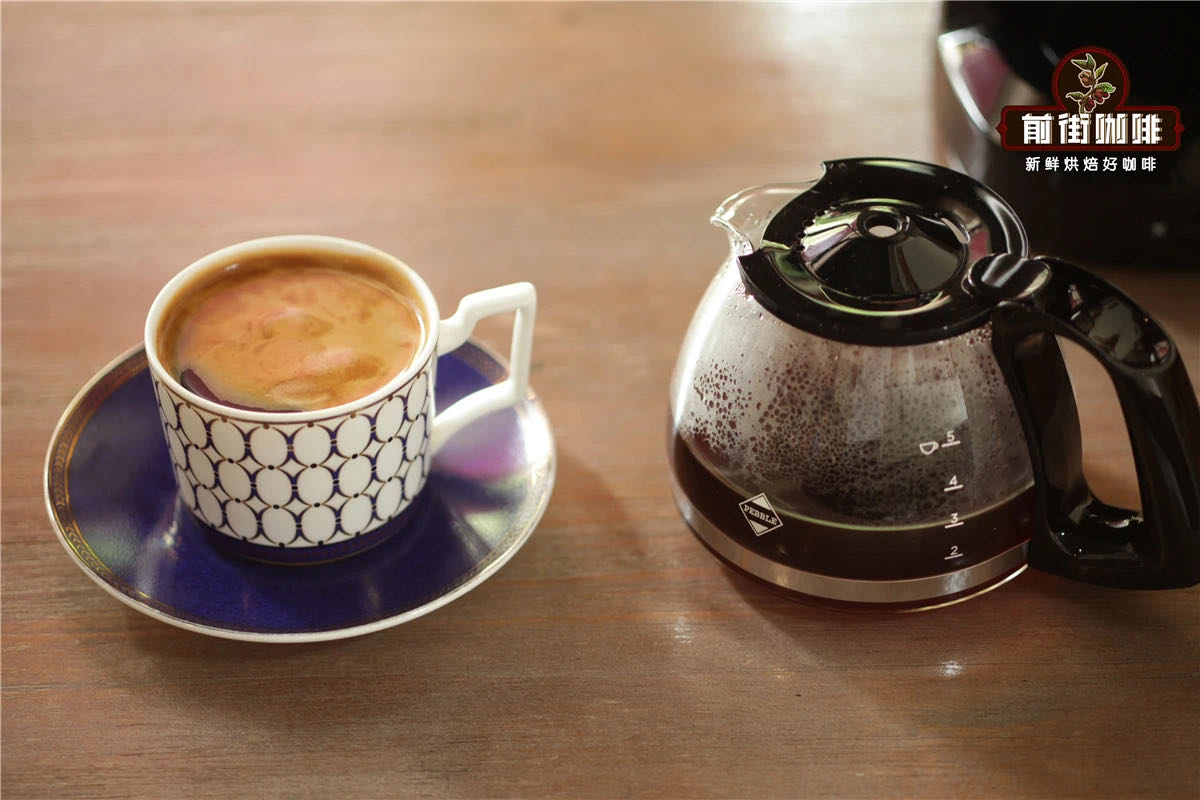
Espresso extraction generally follows certain standards. Depending on the portafilter basket specification, the dose of coffee grounds is typically controlled between 18 and 22 grams. Be sure to ensure the dose matches your expectations, because even slight deviations will bring noticeable differences. The most common brew ratio is twice the weight of the coffee grounds—that is, if you weigh out 18 grams of coffee, you should ideally extract 36 grams of espresso liquid. Once you exceed this value, the coffee is prone to over-extracted flavors.
Of course, this standard can also be adjusted flexibly according to actual needs. For example, the espresso served at Front Street stores uses 20 grams of grounds to extract 36 grams of coffee liquid, with the aim of making the resulting Americanos and lattes more aromatic and fuller in flavor. It's worth noting that the weight of the liquid coffee should ideally be 1 to 3 times that of the dry coffee grounds, with 2 times being the most commonly used.
The brew time is counted from the moment the button is pressed until extraction ends, and typically falls between 25 and 35 seconds. If the actual extraction time is longer or shorter than expected, the main cause lies in the coffee grind size, which you can adjust according to your needs to optimize the extraction parameters.
Generally speaking, a faster extraction speed will make the coffee's acidity more prominent and reduce its sweetness; a slower extraction speed will give the coffee a bitter, dull flavor.
Many coffee enthusiasts who visit Front Street and see the baristas operating the espresso machine behind the bar feel a sense of admiration, curious about how they handle this seemingly complex piece of equipment. In fact, what baristas master is simply the detailed steps of making espresso; as for how the machine operates internally, most baristas don't know either. So today, Front Street will walk you through the detailed process of making espresso. Taking Front Street Coffee's normal operating procedure as an example:
Step one: Wipe the portafilter basket to ensure it is dry and free of water
Step two: Weigh the coffee grounds, using a digital scale to measure out the appropriate amount, keeping the error within plus or minus 0.1 grams
Step three: Distribute the grounds
Step four: Tamp the grounds
Step five: Lock in the portafilter
Step six: Press the button to extract
Step seven: Knock out the puck and clean the group head.
Front Street espresso extraction recipe recommendation: dose 20g, extract 40g of coffee liquid, time 30 seconds
And just like that, an espresso is extracted. If you want to make other coffee drinks, it's simply a matter of adding sugar or milk. Iced coffee is relatively simpler to make—it's just adding hot espresso to cold milk.
As for hot milk coffee, you'll need to use the steam wand on the espresso machine. Front Street Coffee has also written a dedicated article teaching how to steam milk foam, which you can look up if needed. It's worth mentioning that many coffee chains nowadays use fully automatic coffee machines, which are even simpler to operate—just press a button.
The above content is compiled by CoffeeHunters, a coffee news website.


