







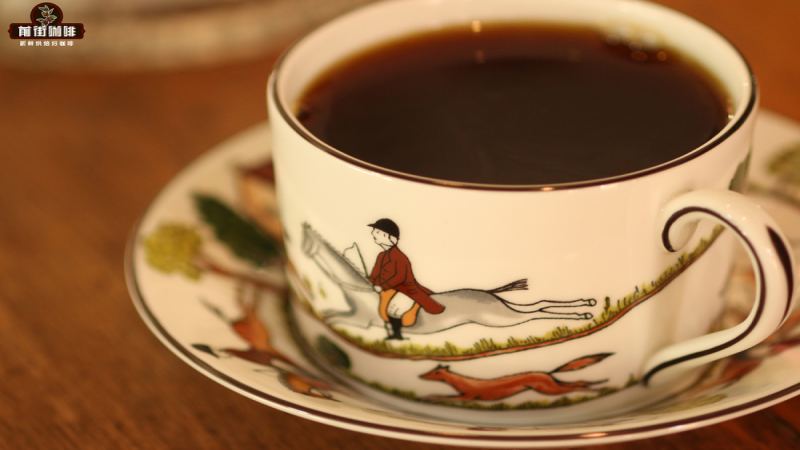
What counts as authentic Blue Mountain coffee beans grown in Jamaica?
Only beans grown in the core zone of Jamaica's Blue Mountains, at 910 to 1,700 meters within the government-designated 6,000-hectare area, may legally be sold as Blue Mountain coffee. Coffee grown below 910 meters is sold as High Mountain or Jamaican Select. Authentic Blue Mountain coffee tastes smooth and full-bodied, with chocolate and roasted nut aromas and balanced acidity, sweetness, and bitterness.
Clydesdale Estate traces back to the 1700s, when Dr. Colin McClart arrived from England and founded it as Jamaica's first estate established specifically for commercial coffee. Its success encouraged other Jamaican farmers to plant coffee nearby. Counterfeit Blue Mountain beans remain common on the market, so buyers should check the growing zone and elevation rather than relying on the name alone.
The name Blue Mountain coffee is almost universally known in coffee circles, yet very few people have actually tasted it. A cup of authentic Blue Mountain reveals rich aromas of chocolate and roasted nuts, with a deep, dark, and luminous surface. It is smooth and full-bodied on the palate, with the three flavors of acidity, sweetness, and bitterness perfectly balanced. Front Street Coffee has officially imported Blue Mountain coffee beans for eleven years now, and a price that was once out of reach has become considerably more affordable. However, counterfeit Blue Mountain beans still flood the market, so let's follow Front Street Coffee to figure out what truly counts as authentic Blue Mountain coffee beans, and what price is reasonable to pay for them.
Many people have heard of Blue Mountain coffee, but most have never tasted it. Authentic Blue Mountain coffee has a rich aroma of chocolate and roasted nuts, with a deep, dark, and clean surface. It is full-bodied on the palate, with acidity, sweetness, and bitterness in perfect balance, making for an extremely pleasant drinking experience.
We have been officially importing Blue Mountain coffee beans for 11 years now, and the once-unreachable price of Blue Mountain has now become a "bargain." But the market is still flooded with fake Blue Mountain beans, so Front Street Coffee will help everyone identify authentic Blue Mountain coffee beans and understand what a reasonable price for the real thing looks like.
Not all coffee grown in the Blue Mountains is called Blue Mountain coffee
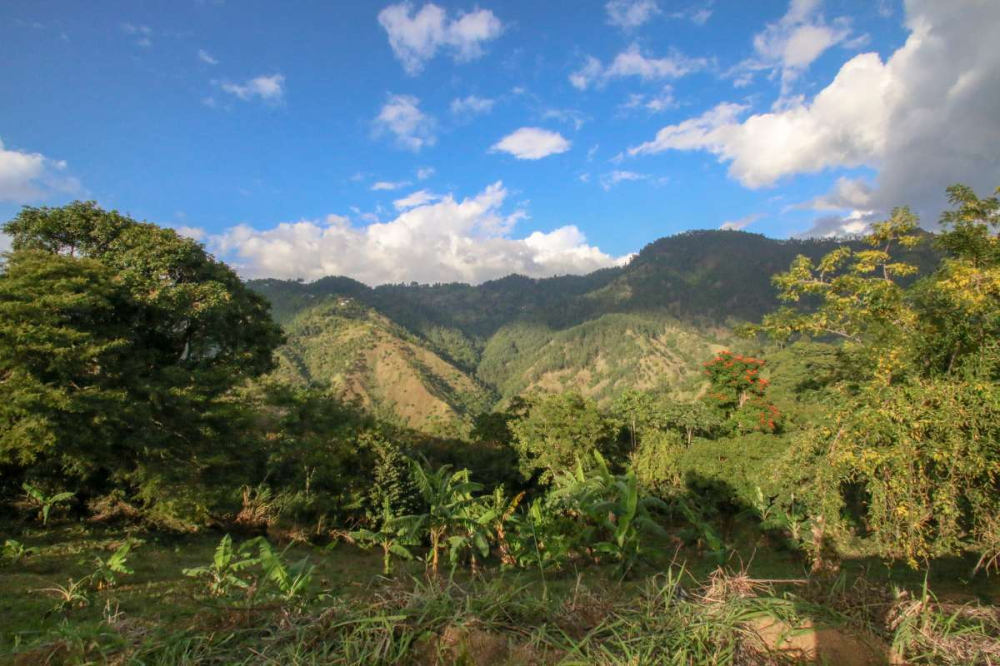
Authentic 100% pure Jamaican Blue Mountain coffee worldwide refers only to coffee beans produced in the core zone of Jamaica's Blue Mountains (at an elevation of 910–1,700 meters), within the 6,000-hectare core area designated by the Jamaican government as the Blue Mountain region, which alone may be sold under the name "Blue Mountain coffee." Coffee beans grown in the Blue Mountains below 910 meters may only be sold as High Mountain coffee or Jamaican Select coffee.
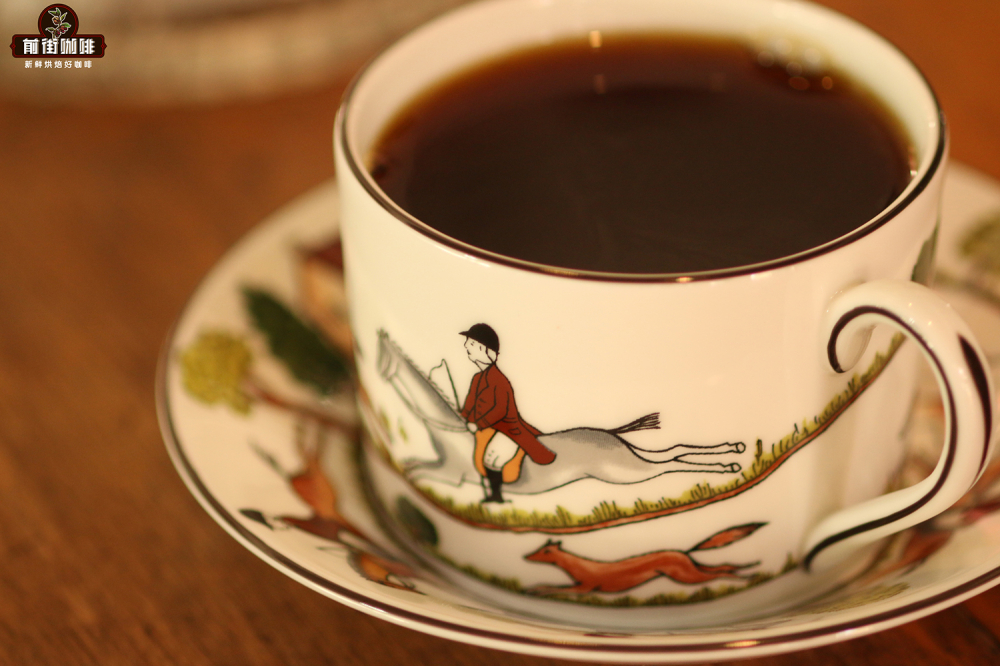
Clydesdale Estate
It originated in the 1700s with Dr. Colin McClart, who came from England to Jamaica and established Clydesdale Estate there. It was the first estate in Jamaica founded for the purpose of growing commercial coffee beans. Due to Dr. Colin McClart's success, other Jamaican farmers followed suit and rushed to plant and produce coffee beans near Clydesdale Estate. The estate is located in the St. Andrew parish of Jamaica's Blue Mountains, at an average elevation of 3,480 feet, nestled beside the ridge of Jamaica's largest national park and forest reserve. This area sits in the heart of the Blue Mountain coffee zone, earning it the reputation of the "Heart of the Blue Mountains."
Clydesdale Estate's top-grade Blue Mountain coffee uses Typica purebred beans, the finest among Arabica varieties worldwide. Typica coffee trees produce the highest quality, but because their fruit yield is relatively low, costs are high while profits remain modest, and most coffee-producing countries are unwilling to grow them. Yet for the sake of connoisseurs around the world who love Blue Mountain coffee, and to live up to Jamaica Blue Mountain's No. 1 reputation, Clydesdale Estate sacrifices quantity for first-rate quality. The coffee is cultivated with organic fertilizers (chicken and cow manure) rather than chemical fertilizers, weeds are pulled by hand rather than sprayed with herbicides, and the cherries are harvested one by one by hand from the trees, simply because every bean is precious. After washing and sun-drying, the beans are hand-sorted, and any that are damaged on the surface or fail to meet size standards are painstakingly discarded. Finally, they are packed in oak barrels to preserve the beans' original flavor. Only 100% pure Jamaican Blue Mountain coffee worldwide enjoys such exacting specifications—all for the sake of being first.
The real price of Blue Mountain coffee beans
However, there is currently no direct trade of Clydesdale Estate coffee beans in China; they generally go through a secondary transaction via Taiwan, where roasted beans sell for about 2,000 New Taiwan dollars per 100g, which converts to roughly 450 yuan per 100g in RMB.
This price is on the higher side for Blue Mountain coffee, whereas Blue Mountain coffee beans directly imported into China tend to be more affordable. Front Street Coffee's Blue Mountain coffee beans are imported directly from Clifton Farm, an old farm that has been growing coffee since the 18th century and was among the first partner farms introduced to China, so most Blue Mountain coffee beans in China come from Clifton Farm.
Clifton Farm is also the only farm in the Blue Mountain region to have received Rainforest Alliance certification, so its Blue Mountain barrels bear a very prominent frog logo (the Rainforest Alliance certification mark).
Many people believe that authentic Blue Mountain coffee beans should cost around 300–500 yuan per bag (100g), and that anything below that price is very likely fake, since even the cost exceeds that amount. These friends' impression of Blue Mountain coffee may still be stuck 20 years in the past. Today, Blue Mountain coffee prices have become fairly stable, and China's direct import volume increases year by year. With fewer middlemen, the cost of green beans has dropped substantially.
Take Front Street Coffee's Blue Mountain coffee beans as an example: they sell for 158 yuan per 100g and use Clifton Farm's No. 1 Blue Mountain coffee beans. The cost of green beans is about 70 yuan per 100g, so some coffee professionals unfamiliar with the coffee bean market inflate the price of Blue Mountain—this is actually just a game of telephone.
Blue Mountain coffee beans seem somewhat diminished in an era dominated by Geisha, but Blue Mountain coffee's quality has not changed over the past 50-plus years—only the market has. Front Street Coffee believes that as long as everyone avoids being tempted by bargains and refrains from buying those Blue Mountain flavored, Blue Mountain blend, or Blue Mountain drip bag coffees that cost just a few dozen yuan for a large pack, it is basically very hard to run into fake Blue Mountain.
For professional coffee knowledge exchange and more coffee bean information, please follow Coffee Workshop (WeChat public account: cafe_style) For more specialty coffee beans, please add the private WeChat of Front Street Coffee (FrontStreet Coffee), WeChat ID: qjcoffeex
The above content is compiled by CoffeeHunters, a coffee news website.


