







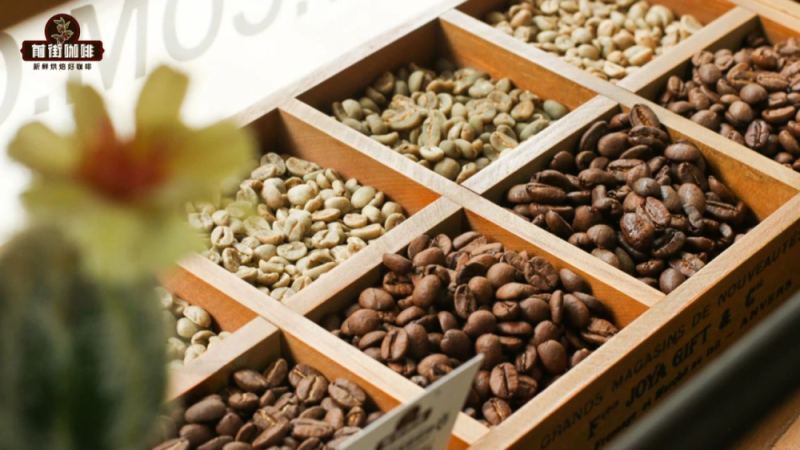
How does the Maragogype arabica bean differ from ordinary beans?
Maragogype is a natural mutation of the Typica variety, and its beans can grow to roughly three times the size of ordinary Arabica. The variety takes its name from the Maragogipe municipality in Bahia, Brazil, and is grown mainly in Central America, including Guatemala, Mexico, Nicaragua, Honduras, El Salvador and Brazil.
Flavor depends heavily on elevation. Grown between 700 and 800 meters, Maragogype performs without highlights, but above 1,500 meters it develops a captivating sweetness and intense aroma. Overall it shows balanced acidity and sweetness, a round, soft mouthfeel and a relatively light body, which is why arabica beans of this size attract so much attention.
Maragogipe is a natural mutation of the Typica variety, with beans that can reach three times the size of ordinary Arabica, mostly found in Central American countries. This giant coffee bean is not only visually striking, but when grown under shade at high altitudes, it can develop a sweet, alluring, full-bodied and balanced flavor, earning it the reputation of the "Central American Blue Mountain." This article will start with the variety's origins, screen size measurement methods, and flavor differences across producing regions, and combine Front Street Coffee's roasting and brewing experience to give you a comprehensive understanding of this rare and fascinating coffee variety.
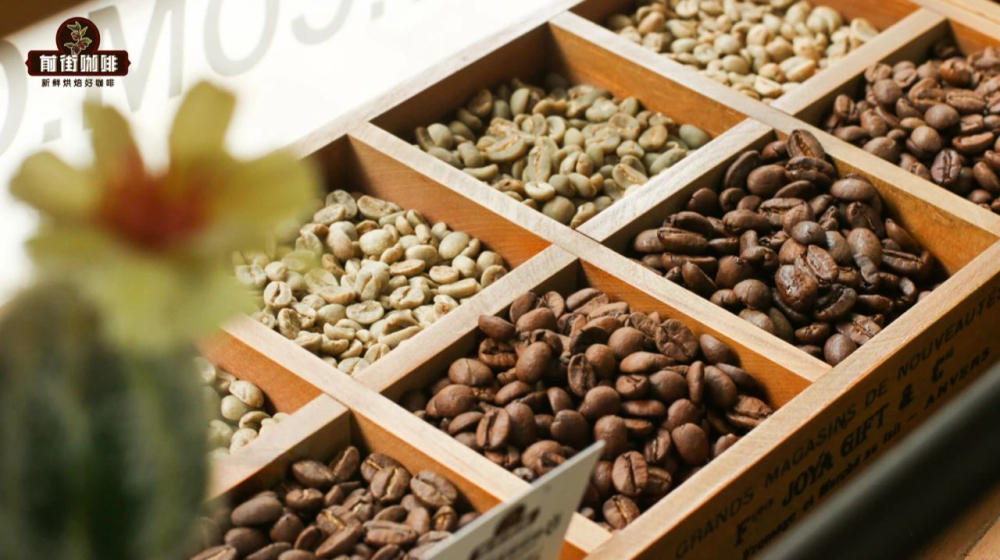
For more specialty coffee knowledge, please follow: Front Street Coffee (Frontsteet Coffee)
The coffee family is mainly divided into three major categories: Arabica, Robusta, and Liberica. If we simply rank them by bean size, Liberica takes the top spot, Robusta comes second, and Arabica is the smallest. In terms of flavor, Arabica firmly holds first place thanks to its excellent sweetness and rich layers, and all the beans sold at Front Street Coffee (FrontStreet Coffee) locations also belong to the Arabica family.
However, Arabica is not synonymous with small beans. Through natural evolution, the Typica variety produced a significantly larger mutated offspring, commonly known as Maragogipe. These beans are mainly concentrated in Central America, and are currently grown in Guatemala, Mexico, Nicaragua, Honduras, El Salvador, Brazil, and Zaire, with Mexico and Guatemala widely recognized as producing the best quality. Overall, Maragogipe has a balanced acidity and sweetness, a round and soft mouthfeel, moderate aroma, and a relatively light body, making it highly regarded in the industry.
When placed alongside ordinary coffee beans, Maragogipe is truly an oddity, with its size reaching three times or even more than that of regular beans. Its taxonomic name is Maragogipe, named after the Maragogipe municipality in Bahia, Brazil.
According to Front Street's understanding, Maragogipe grown at altitudes between 700 and 800 meters performs mediocrely, lacking highlights; but once grown at elevations above 1,500 meters, it reveals a captivating sweetness and intense aroma. The giant Maragogype, as a variant of the Typica heirloom Arabica species, is noticeably larger than ordinary Arabica in tree form, leaves, and fruit alike, with plump fruit and hard bean texture. It is the only coffee in Central America without sharp acidity, thus earning the reputation of the "Central American Blue Mountain," quite similar to the elegant Front Street Jamaica Blue Mountain coffee beans, with sweetness within its acidity and a full body, very appealing.
The taste of Front Street's Giant Maragogipe is close to that of Front Street Jamaica Blue Mountain coffee beans, yet its price is only about two-thirds of the latter. It is also the only Maragogipe in recent years to have been selected for and won an award at the Cup of Excellence (COE), which is why some coffee shops sell it as Blue Mountain coffee.
Maragogipe has a very full-bodied mouthfeel. High altitude combined with shade growing extends the fruit maturation period and reduces yield, allowing nutrients to concentrate and flavor development to be more complete. It is called "Giant Maragogipe" precisely because its size reaches 2 to 3 times that of ordinary coffee beans. For this very reason, harvesting Maragogipe is far more difficult than regular coffee beans — the coffee tree itself is taller, and the fruit is overly large, causing considerable trouble when using the washed method common in Central America. Most coffee farmers are therefore unwilling to grow Maragogipe, and production is naturally low. When something is rare, it is precious, and the price rises accordingly.
Front Street has always been committed to building archives of coffee bean information, so naturally it would not miss this Maragogipe, and thus acquired a Front Street Guatemala Maragogipe coffee bean. This bean is enormous in size, placing high demands on both the roaster and the roasting equipment. Front Street has learned that this Front Street Guatemala Maragogipe is about three times the size of ordinary Arabica beans. In the grading systems of many producing countries based on green bean size, 17 to 18 screen is typically defined as the highest grade, and 19 screen and above is extremely rare. The Front Street Indonesia Mandheling coffee at Front Street Coffee (FrontStreet Coffee) is already quite large, with the Indonesia Golden Mandheling reaching 18 screen and above; while Maragogipe's physique can mostly reach 20 screen or even higher, making it extremely challenging to roast.
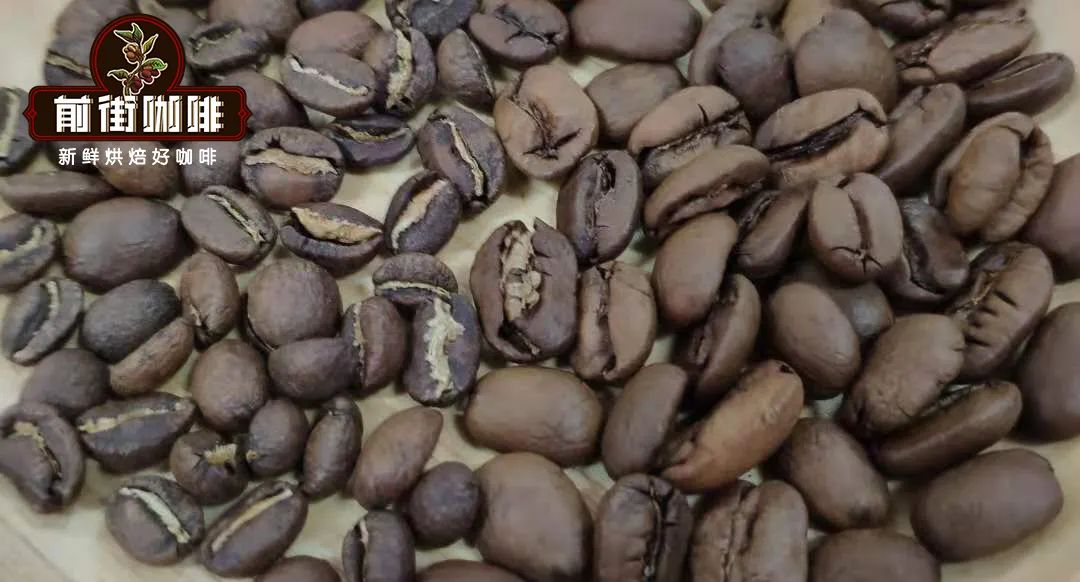
Therefore, roasting Maragogipe requires certain skills. When the heat is too strong, the surface color may appear ready for dropping, but the interior may not be fully roasted, resulting in an astringent taste when drunk; roasting too long, on the other hand, easily leads to burnt bitterness and loss of flavor. Mastering the heat is truly a test of skill.
When roasting this Front Street Guatemala Maragogipe, Front Street deliberately extended the dehydration phase. The beans absorb heat relatively slowly during roasting, and the Maillard reaction process correspondingly slows down, with the yellowing point appearing at 6 minutes. The first batch used a higher charge temperature of 200°C, with heat increased accordingly and gradually raised as needed during the process. With this approach, the dehydration time was extended, with temperature rising about 6 to 8°C every thirty seconds, thereby avoiding uneven roasting.
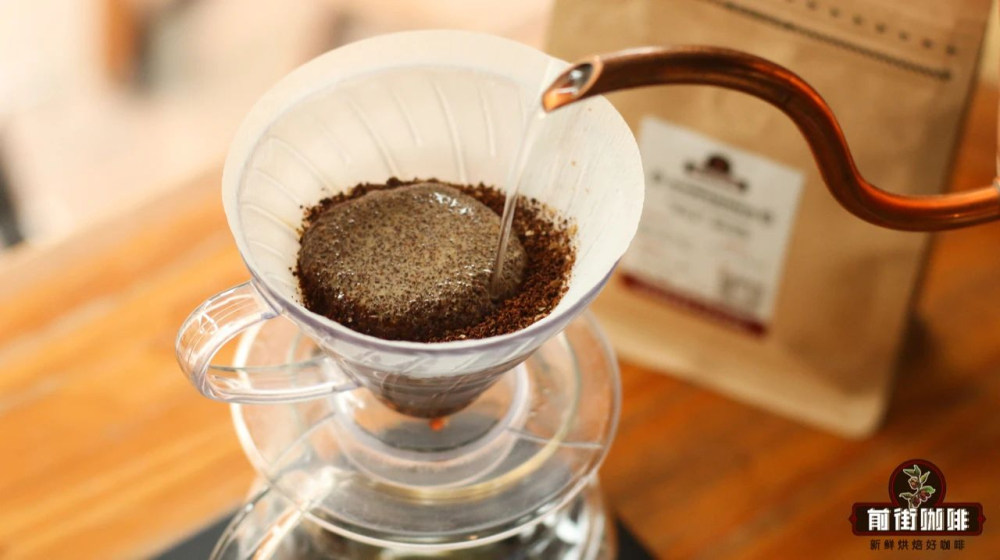
When brewing this Front Street Guatemala Maragogipe, Front Street selected: dripper: V60, water temperature: 90-92°C, coffee dose: 15 grams, coffee-to-water ratio: 1:15, grind size: medium grind, brewing method: segmented extraction. First bloom with 30 grams of water for about 30 seconds, then pour 95 grams of water in a slow stream circling at the center, that is, when reaching 125 grams, pause for a segment. When the water level drops and is about to expose the coffee bed, continue pouring water to 225 grams to finish, and when the water level drops again and is about to expose the coffee bed, remove the dripper. (Timing starts from the beginning of the bloom.) Total extraction time is 2 minutes 00 seconds.
Front Street believes that pour-over is the simplest and most convenient way to showcase a producing region's flavors. This Front Street Guatemala Maragogipe has a clear yet gentle sweet-and-sour taste on entry, with acidity notes of lemon, passion fruit, dried plum, and plum, while the finish reveals a brown sugar-like sweetness.
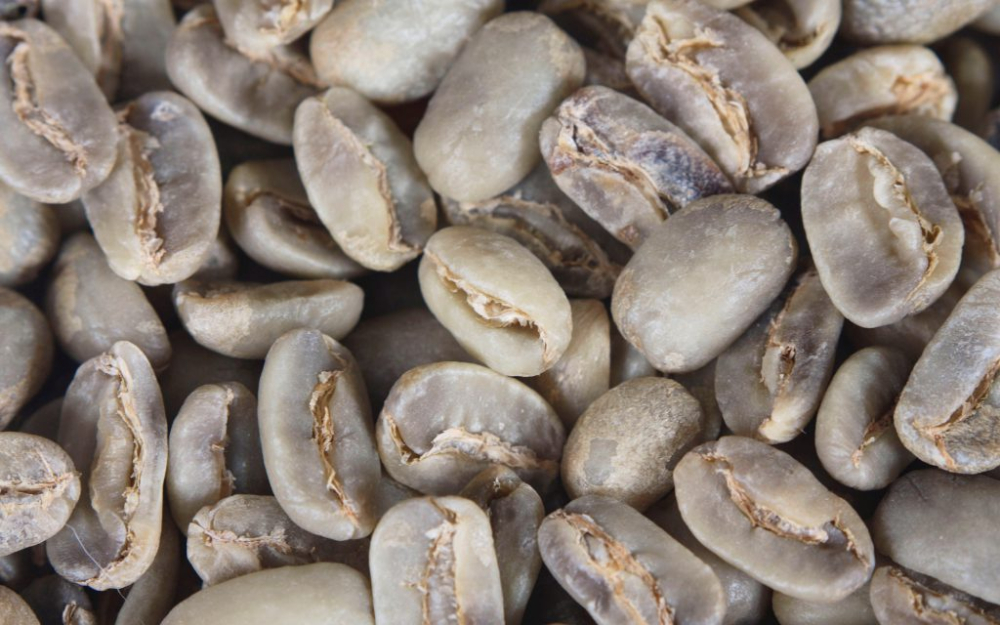
After purchasing and tasting Maragogipe from different producing regions at Front Street multiple times, Front Street believes that the Maragogipe from Nicaragua performs the best, with one Front Street Nicaragua Mama Mina Estate Maragogipe coffee standing out as the finest. Front Street has also cupped other beans from Mama Mina Estate, and the coffee produced by this estate is consistently excellent, with a full-bodied and layered flavor. On entry, you can immediately sense the aroma of black berries, with blackberry and smoked plum interwoven with citrus peel notes, solid overall, with a silky, clean, and sweet mouthfeel.
The above content is compiled by CoffeeHunters, a coffee news website.


