







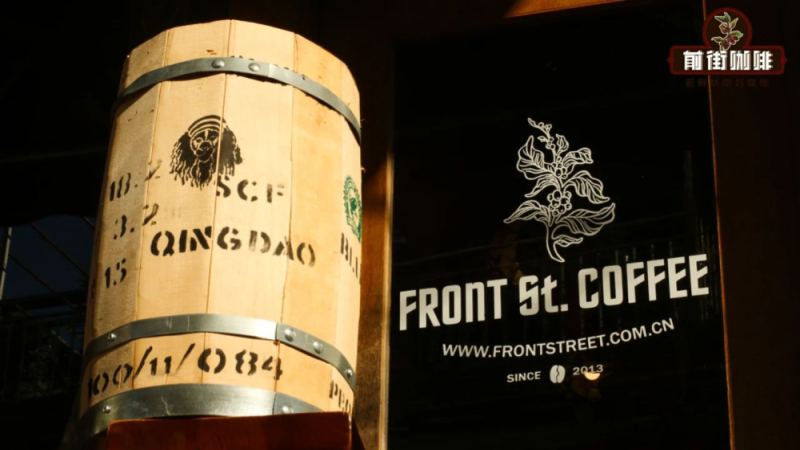
Why is Blue Mountain coffee among the most expensive coffee in the world?
Blue Mountain flavor beans are not authentic Jamaican Blue Mountain. The term describes a blend of selected beans whose aroma and mouthfeel come closest to Blue Mountain, so the package may contain no Jamaican bean at all. Genuine Blue Mountain must be grown in Jamaica's designated Blue Mountain range, at 3,000 to 5,500 feet, and carry Jamaican government certification.
That scarcity explains the price. Long-term supply falling short of demand, together with a narrow certified growing zone, keeps authentic beans costly, and it is part of why Blue Mountain is often named among the most expensive coffee in the world. Blends labeled Blue Mountain flavor instead use several single-origin beans in a set ratio to reproduce the mellow, velvety profile.
Blue Mountain coffee has long been regarded as the pinnacle of coffee, but the many beans on the market labeled "Blue Mountain flavor" are actually far removed from genuine Jamaican Blue Mountain. This article systematically sorts out the differences between Blue Mountain flavor coffee beans and authentic Blue Mountain coffee beans, from definitions and origin certification to grading and actual brewing, helping you see through the word games on packaging. It also explains in detail the growing conditions of Blue Mountain coffee, the reasons for its scarce yield, grading standards, and quality control, and includes Front Street Coffee's recommended KONO dripper brewing method, so you can both understand Blue Mountain and brew a good cup of it.
For more specialty coffee knowledge, please follow the WeChat public account: Front Street Coffee
The so-called "Blue Mountain flavor" merely describes a coffee that tastes somewhat like Blue Mountain, not necessarily truly close, and the blend may not contain a single Jamaican Blue Mountain bean. It usually selects several beans on the market whose aroma and mouthfeel are closest to Blue Mountain, blends them according to a golden ratio, sets a roast level, and presents Blue Mountain's rich, mellow aroma through blending. The comprehensive beans blended this way have both the velvety smooth texture brought by diverse combinations and the easy-drinking, mellow, sweet-aftertaste quality, precisely capturing the part of Blue Mountain's expression that consumers most crave.
Many years ago, Blue Mountain coffee was already a household name in China as a top-tier symbol. But those who know the market are aware that at that time, genuine Jamaican Blue Mountain was pitifully scarce, yet consumers competed to chase it. To cater to this demand, professional roasters used several selected single-origin beans to create, with exclusive ratios, comprehensive Blue Mountain coffee beans comparable to Jamaican Blue Mountain.
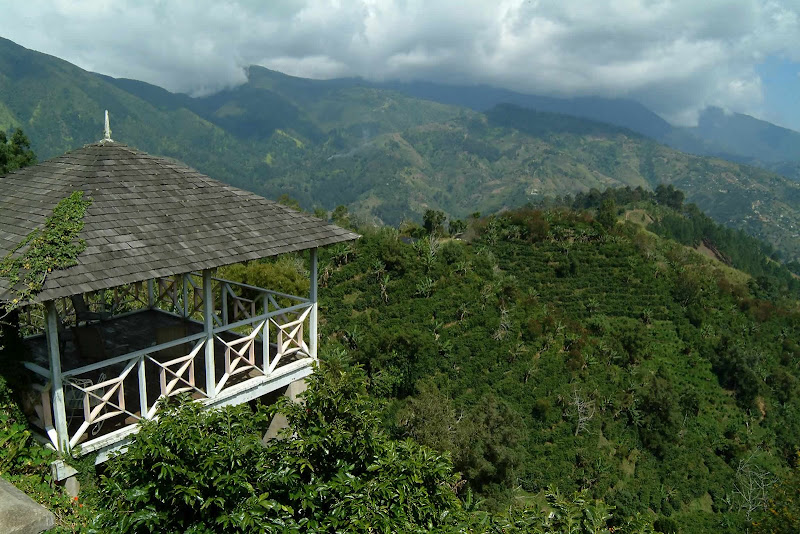
The reason Blue Mountain coffee beans are expensive is rooted in scarce production and long-term supply falling short of demand. Genuine Blue Mountain beans must be produced in Jamaica's Blue Mountain region, fall within the officially designated growing range (elevation 3,000 to 5,500 feet), and obtain certification from the Jamaican government to be considered authentic. Jamaica's Blue Mountain is located at an elevation above 2,100 meters, with fertile volcanic soil, a cool and foggy climate, and abundant rainfall. Limited by the finite growing area, annual production is only about 12,000 tons, of which more than 80% is exported to Japan. Top-grade Blue Mountain is even scarcer. Those so-called Blue Mountain coffees on supermarket shelves that have been vacuum-packed, such as Melitta, Movenpick, and the like, are actually just Blue Mountain "flavor," possibly containing only one percent Blue Mountain beans, or even none at all.
Blue Mountain coffee beans are divided into several grades by quality:
Blue Mountain No. 1: top grade, highest price, largest beans; more than 96% of beans must be size 17/20, and defective beans must not exceed 2%.
Blue Mountain No. 2: more than 96% of beans must be size 16/17, and defective beans must not exceed 2%.
Blue Mountain No. 3: more than 96% of beans must be size 15/16, and defective beans must not exceed 2%.
Blue Mountain Peaberry: more than 96% of beans must be round peaberry, and defective beans must not exceed 2%.
Blue Mountain Triage: a mix of the above four Blue Mountain beans, with defective beans not exceeding 4%.
Genuine Blue Mountain has a certificate of origin:
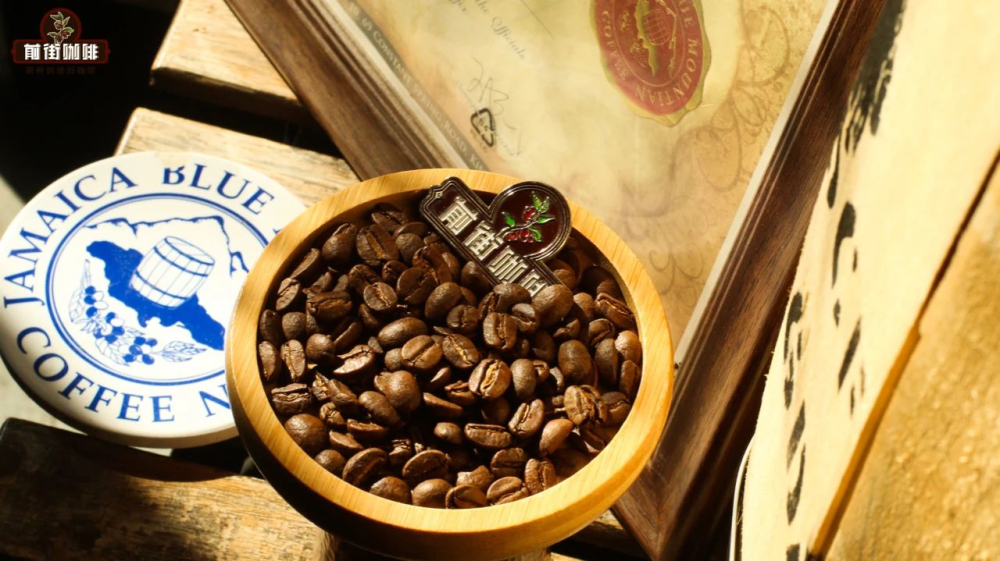
Blue Mountain coffee beans exported from Jamaica must pass inspection by the Coffee Board and obtain a certificate of origin before being permitted for export, and must also use the Jamaican Blue Mountain coffee trademark registered by the Coffee Board in more than twenty countries worldwide; only then can they truly be called authentic Jamaican Blue Mountain coffee beans. The Jamaican Coffee Board stipulates that Blue Mountain coffee must be grown in legally designated coffee areas to bear the name Jamaican Blue Mountain and be authorized to use the Coffee Board's registered trademark: Blue Mountain Coffee.
Quality control:
Just as red wine values renowned estates, Jamaican Blue Mountain coffee likewise values its estate of origin. The processing standards of renowned estates are far higher than ordinary processing plants, and they are called authorized estates. In Jamaica's Coffee Industry Regulation, the Jamaican Coffee Board authorizes several large estates to centrally process coffee cherries, export Blue Mountain coffee beans, and use the Blue Mountain coffee trademark, thereby safeguarding the reputation and quality of Jamaican Blue Mountain.
The prices of Blue Mountain coffee available on the market vary greatly. Besides differences in grade, some merchants sell Blue Mountain beans blended with beans from other countries, so be sure to check whether the Blue Mountain bean content stated on the packaging is 100%. Some packages printed with "Blue Mountain flavor" may not contain a single Blue Mountain bean—it is merely "flavor"!
Is Blue Mountain really the best in the world?
Whether it tastes good is subjective and varies from person to person. Some prefer intensity, some prefer lightness, some love acidity, some love sweetness and bitterness. Those who like Blue Mountain love its mild, smooth mouthfeel and charming delicate aroma, with bitterness turning to sweetness on the palate, mellow and with a long finish. But Front Street Coffee has also met people who are completely indifferent to Blue Mountain, feeling it is "bitter and not particularly good to drink"—and here we respect everyone's preferences.
How does Front Street Coffee recommend brewing Blue Mountain coffee?
Dripper: KONO dripper
Water temperature: 88°C
Grind size: 75% passing through a No. 20 sieve
Brewing method: water-to-coffee ratio 1:15, 15g coffee, first pour 30g water for 30s bloom, second pour to 100g water, third pour 95g water, extraction time about 2 minutes
Analysis: The ribs at the bottom of the KONO cup are not many, and the filter paper fits tightly against the dripper, achieving the purpose of restricting airflow. This allows water and coffee grounds to have a longer contact and soaking time in the dripper, ensuring extraction time and extraction yield for a coarser grind. This allows the coffee grounds to be fully extracted, enhancing the mellow mouthfeel and making the flavor more concentrated.
The above content is compiled by CoffeeHunters, a coffee news website.


