








How does an espresso macchiato differ from a latte?
A macchiato is a small, intense espresso drink marked with just a little milk, not a large sweet milk coffee. It differs from a latte mainly in size and milk ratio: the macchiato keeps the espresso dominant, while a latte uses far more steamed milk. The name comes from the Italian word for stained or marked, since the espresso is marked with milk.
The drink was born out of necessity. Earlier coffee beans were roasted very dark and tasted sharply bitter, so a small amount of milk was added to soften the cup. This matters when tracing coffee in Europe: 17th-century mixed coffee drinks and later espresso machines shaped how milk and coffee were combined, and caramel macchiato is a separate, sweeter drink altogether.
Although Macchiato and Caramel Macchiato differ by only two characters, they are often confused with each other. Many people mistakenly think that a Macchiato is just a sweet milk coffee without caramel, but in reality, it is a small cup of extremely intense coffee. This article, from the perspective of Front Street, will sort out the reasons for the birth of the Macchiato, its essential differences from the Latte, and the role milk has played in the evolution of coffee. It will also discuss the formation process of the Latte from 17th-century European mixed drinks to the modern espresso machine, helping coffee enthusiasts clarify the true nature of these two classic milk coffees.

For more specialty coffee knowledge, please follow the WeChat official account: Front Street Coffee (FrontStreet Coffee)
Since Macchiato and Caramel Macchiato differ by only two characters, many friends directly apply the impression of Caramel Macchiato to Macchiato, thinking it is nothing more than a sweet milk coffee without caramel.
Nowadays, few shops include Macchiato on their menus, but once you have the chance to order one, you will find that what is served is not the large sweet milk coffee you imagined, but a small cup of extremely intense coffee.
Good heavens!!! This is outright fraud, isn't it? Not at all! Although Macchiato and Caramel Macchiato both have the name Macchiato, in a sense, they do not belong to the same type of coffee. So today, Front Street will share what exactly the difference is between Macchiato and Caramel Macchiato!
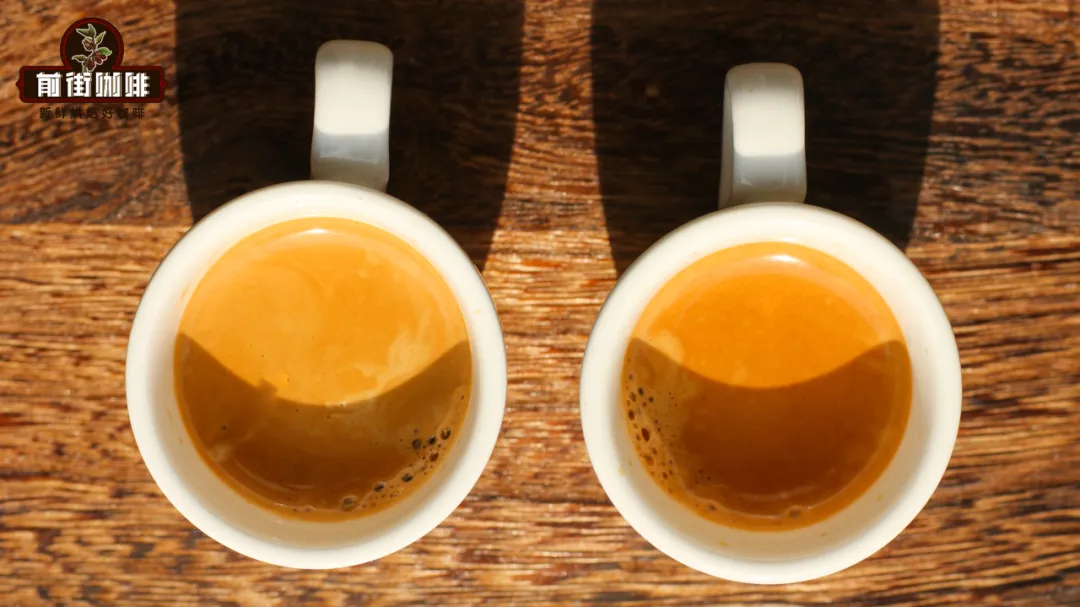
Macchiato and Caramel Macchiato Below are two cups of espresso, one is normal, and one has a small amount of milk added. So, which cup is the espresso with milk added?
The answer is the cup on the left; it is hard to tell without looking carefully~ This is only natural—the reason the Macchiato was invented is precisely because of this! In earlier times, because the quality of coffee beans was not very good and extremely dark roasting was used, the extracted coffee had an extremely intense bitterness. This bitterness was strong and stimulating, and many people could not accept it! Therefore, some materials needed to be added to dilute the bitterness. And milk was the perfect choice!
The addition of a little milk not only diluted the bitterness and softened the刺激感, but most importantly made the espresso overall smoother and easier to drink. So at that time, most people would ask the barista to add a little milk to the coffee to reduce the negative experience caused by bitterness. But just like the question at the beginning, merely adding a little milk does not greatly change the appearance of the coffee. In situations with extremely high output, baristas simply did not have time to distinguish carefully. Therefore, they came up with a method: dotting a little milk foam on the surface of the espresso to make a distinction.
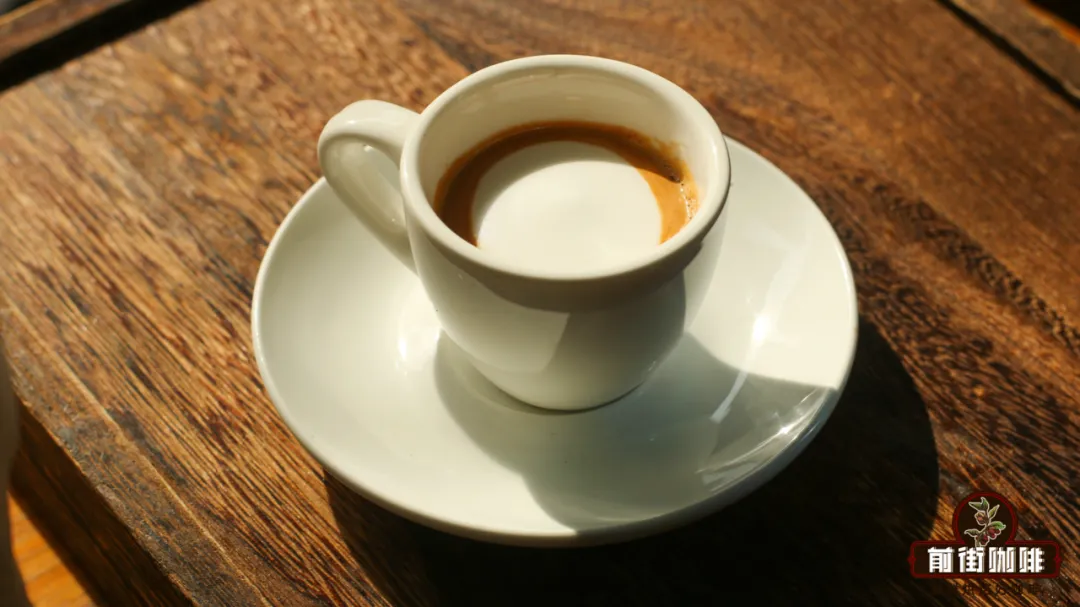
As a household-known Italian milk coffee, Latte can be said to be the most famous among regular coffee types, and it is deeply loved by many enthusiasts because of its simple preparation method. Although there is currently no detailed record of its origin, we can be certain that Latte appeared much earlier than espresso. At least since the 17th century, there has been a practice in Europe of mixing milk into coffee, though the brewing method was very primitive—either boiling the whole pot of coffee and filtering the grounds with a cloth bag, or extracting with an old-fashioned moka pot. With the birth of the espresso machine, the steam wand became standard equipment for milk coffee, baristas could easily heat milk, and the modern Latte gradually took shape, spreading around the world with the latte art trend.
I believe everyone has heard that the word "Latte" comes from the transliteration of the Italian word "Latte," meaning milk. As the name suggests, in "Caffe Latte," milk is the protagonist. Compared with other milk coffees, Latte has the highest proportion of milk, so its sweetness is the most obvious. For example, Front Street uses a double espresso (about 40g) as the base, and for a hot Latte, we add 240ml of fresh milk. At the same time, because Latte's flavor compatibility is higher, when making it we can also add auxiliary ingredients of different flavors according to our own taste to blend it, making the coffee more layered.
The above content is compiled by CoffeeHunters, a coffee news website.


