







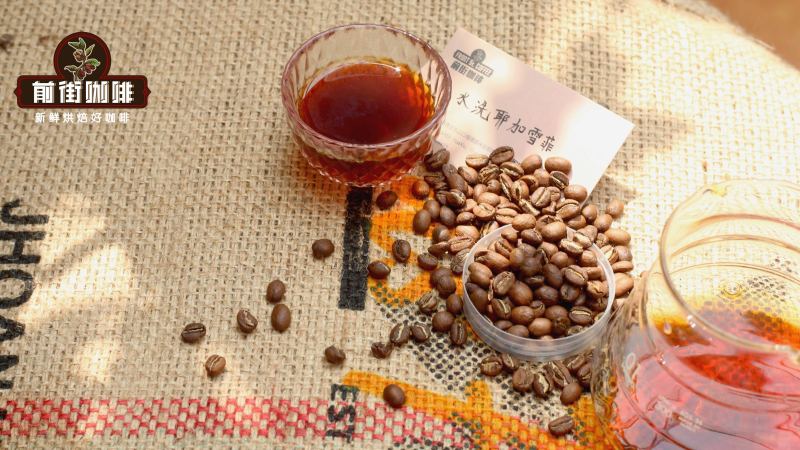
How does washed coffee bean processing shape Yirgacheffe flavor?
Yirgacheffe, a high-altitude Ethiopian region around 2,000 meters, built its reputation on bright acidity and white floral notes. Originally a sub-region of Sidamo, it became independent because its cup profile was so distinctive. The shift from traditional sun-dried drying to washed coffee bean processing raised quality noticeably and won the region a devoted following.
The washed coffee bean process at places like the Banko Gotiti Cooperative involves depulping, fermentation, channel washing, raised-bed drying, and several rounds of sorting before export. Yirgacheffe holds more than 40 cooperatives, mostly family-run, and micro-regions such as Kochere, Misty Valley, and Gedeb each bring their own flavor character to the cup.
Yirgacheffe is one of the most recognizable coffee regions in Ethiopia, known for its bright acidity and white floral notes. This article begins with the region's historical evolution, tracing its journey to independence from being a sub-region of Sidamo, and how the introduction of the washed processing method dramatically elevated its quality. It also takes a deep dive into the independent background of the Banko Gotiti Cooperative and its traditional processing methods, and breaks down every step of the washed process in detail, including depulping, fermentation, channel washing, raised-bed drying, and the multiple layers of sorting before export. At the end, it includes the full parameters and flavor description of Front Street's washed Banko Gotiti Yirgacheffe coffee beans, making it a great read for coffee lovers who want to understand Yirgacheffe's processing techniques and the origins of its flavors.
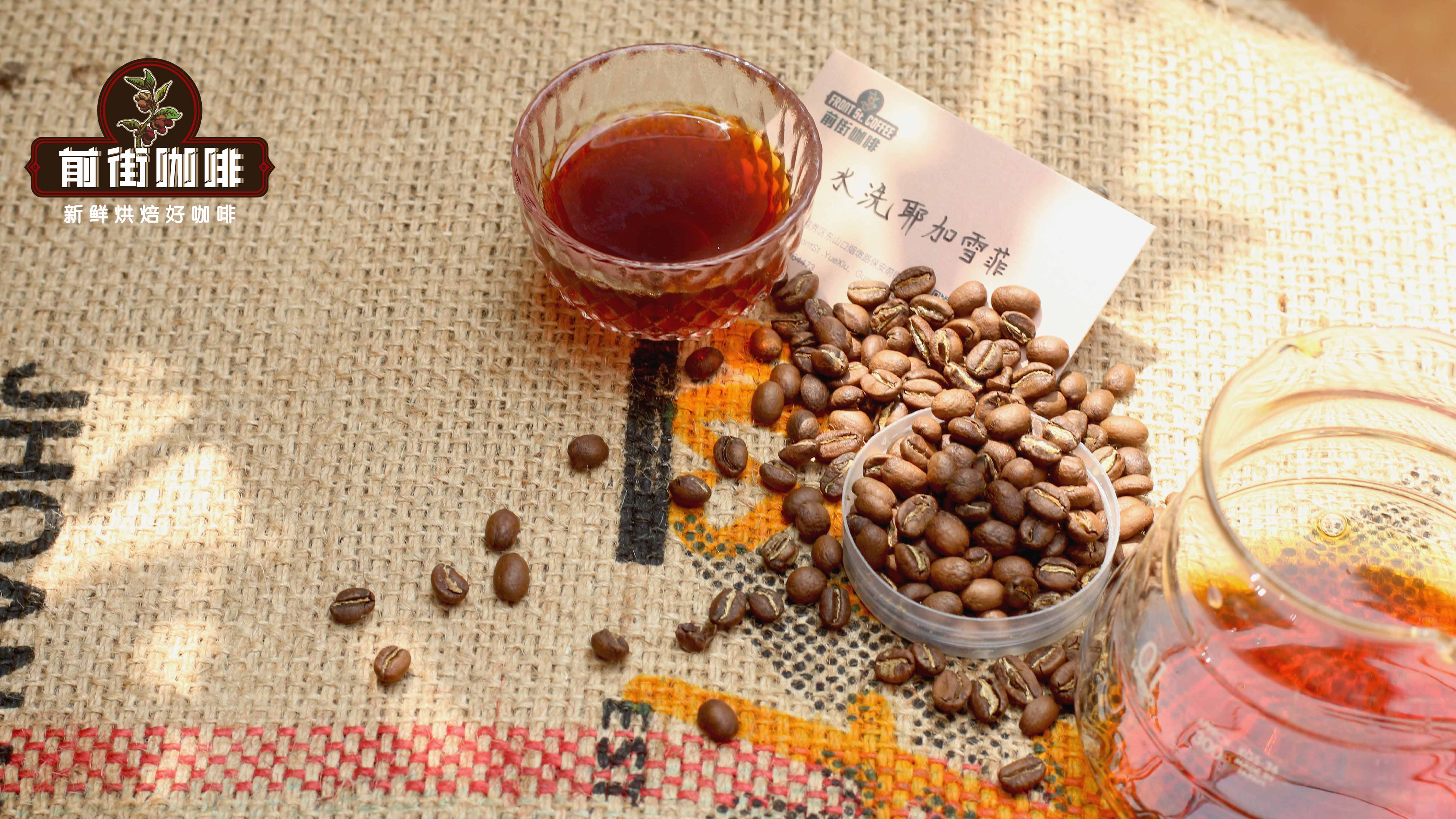
The Yirgacheffe region is located within Ethiopia and was originally just a sub-region under the jurisdiction of the Sidamo region. The coffee produced here has a bright and delicate flavor profile that stands out remarkably within the entire Sidamo region. Because of its highly distinctive character, local farmers took pride in their beans displaying the Yirgacheffe style, which ultimately led to its separation from Sidamo and its development into today's most well-known Yirgacheffe region.
In its early days, the Yirgacheffe region used the most traditional sun-dried method to dry coffee beans. Later, the Ethiopian government introduced washed processing technology from Central and South America, and the quality of Yirgacheffe coffee beans improved significantly. Its bright, elevated acidity and white floral flavor characteristics quickly attracted a large number of devoted fans. Yirgacheffe is a high-altitude coffee region, with elevations of around 2,000 meters.
The Yirgacheffe coffee region has more than 40 cooperatives, and coffee cultivation is mainly managed through a family-run model. Under this region, there are also many well-known micro-regions, such as Kochere, Misty Valley, and Gedeb. These micro-regions each have excellent cooperatives, and the Front Street Yirgacheffe coffee beans they produce all have unique flavor profiles.
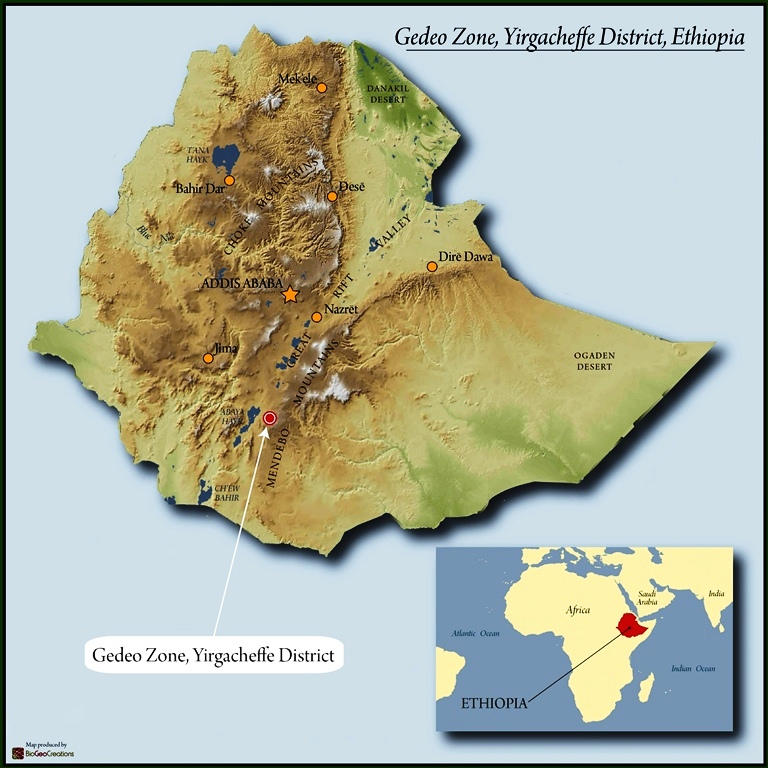
Banko Gotiti Cooperative
The Banko Gotiti Cooperative is located in the Worka region at the southeastern end of Yirgacheffe, and was originally part of the Worka Cooperative under the Yirgacheffe Coffee Farmers Cooperative Union (YCFCU). As the industry's demand for traceability in green coffee continued to rise, the concept of "single origin" was gradually uncovered by coffee hunters around the world.
In 2012, Banko Gotiti, with about 300 farmer members, formally became independent and established the "Banko Gotiti Cooperative." Banko Gotiti village was the first village area to gain independence, and many smallholder farmers were originally members of the Worka Cooperative, so their coffee production techniques were quite mature. The Banko Gotiti Cooperative is hailed as the last pure land of Yirgacheffe, and the processing methods it uses are also quite traditional (namely washed and natural processing).
Coffee Bean Processing Methods Front Street's Yirgacheffe Banko Gotiti Cooperative coffee beans use the washed processing method. First, a depulper is used to remove the skin and pulp of the coffee cherries, then they are left to rest in fermentation tanks for 18 to 36 hours to break down the mucilage layer (the exact duration depends on local temperature and humidity conditions), after which the parchment beans are washed and scrubbed for 30 to 60 minutes through washing channels.
During this process, with the help of channel design and the scouring action of water flow, low-density, inferior beans can be removed, while high-quality parchment beans are placed on African-style raised beds to dry for about 14 days. After drying is completed, they are first stored in the processing plant's warehouse. Before export, the parchment beans are transported to a Dry Mill for hulling and undergo a series of complicated sorting steps, including foreign matter removal, silver skin removal and polishing, gravity sorting, and color sorting, before finally being bagged for export.
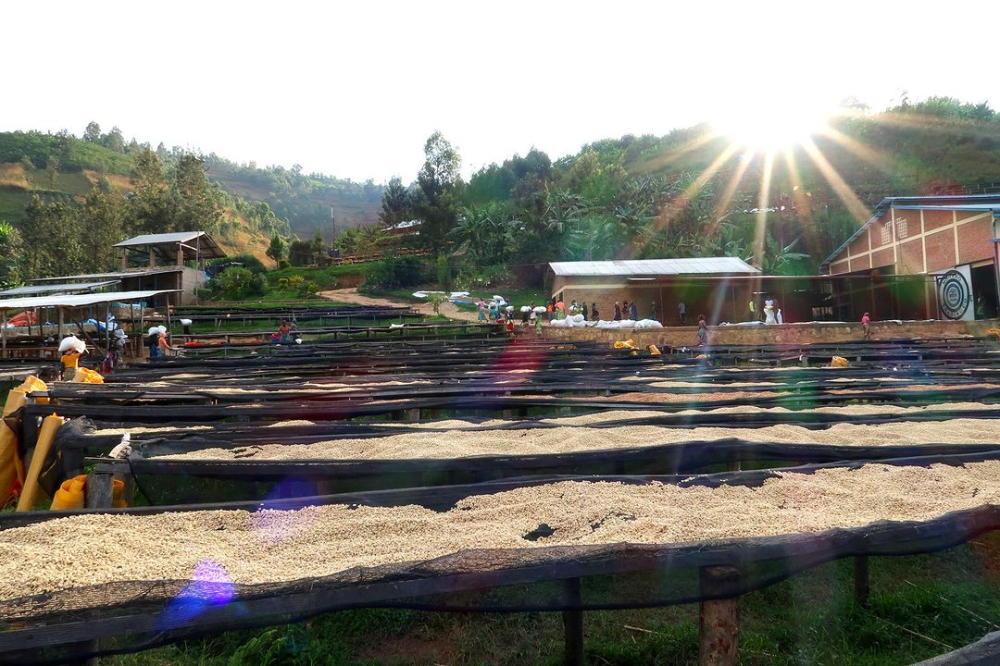
Front Street Washed Banko Gotiti Yirgacheffe Coffee Beans
Region: Yirgacheffe Gedeo Zone
Altitude: 1900-2300m
Variety: Heirloom
Processing Method: Washed Grade: G1 Flavor: Berry, cream, honey, citrus, juicy mouthfeel
The above content is compiled by CoffeeHunters, a coffee news website.


