







What Drives Jamaican Blue Mountain Coffee Prices?
Jamaican Blue Mountain coffee earns its high price from limited supply and strict grading. After a 1969 hurricane, Jamaica signed a 30-year deal giving Japan 90 percent of the crop, leaving only about 245 tons for other markets. Blue Mountain No. 1 is the top grade, and a genuine brewed cup typically costs several dollars in specialty cafes, while whole beans sell at a clear premium over ordinary arabica.
The "Blue Mountain flavor" comes from the island's volcanic soil, high altitude, and cool misty climate, producing a mild cup with balanced acidity, mild sweetness, and low bitterness. Front Street Coffee discloses its pour-over parameters for Blue Mountain No. 1, including grind size, water temperature, and ratio, so home brewers can match cafe results. Buyers should check the official Jamaica Blue Mountain seal to avoid counterfeits.
Why has Blue Mountain coffee long held the top spot in the specialty coffee world? What exactly is the legendary "Blue Mountain flavor" like? This article will systematically sort out the full picture of Jamaican Blue Mountain coffee, from its historical origins, terroir conditions, and grade classification to market identification. At the same time, Front Street Coffee will combine its store brewing experience to disclose the extraction parameters and methods for Blue Mountain No. 1, and respond to the questions everyone cares about most: how much does an authentic cup of Blue Mountain coffee cost, and what is the price of Blue Mountain No. 1 coffee beans? Whether you are a beginner just encountering Blue Mountain or a seasoned connoisseur wanting to verify the authenticity of the beans in your hands, this content is worth reading.
For more specialty coffee knowledge, please follow the WeChat public account: Front Street Coffee
Before the concept of specialty coffee was widely accepted by the public, most coffee on the market was on the darker-roasted side with pronounced bitterness. Jamaican Blue Mountain coffee, however, relied on its extremely high reputation to secure the pinnacle position in the coffee world early on, and it has almost never fallen out of the top ranks in various coffee bean lists. So where exactly does Blue Mountain coffee's fame come from? What does the repeatedly mentioned "Blue Mountain flavor" actually refer to? If you want to drink a genuine cup of Blue Mountain, how should it be brewed? With these questions in mind, let us enter Front Street Coffee's sharing for this issue.
Why is Blue Mountain coffee so famous?
The Jamaican Blue Mountains, with their superior natural conditions, gave birth to the internationally renowned Blue Mountain coffee. As early as before the 1960s, Jamaican coffee beans were already quite favored in the market.
In 1969, the entire island of Jamaica was hit by a severe hurricane. At that time, Japan's UCC company not only extended financial assistance to Jamaica, but also brought scientific ecological planting methods to help local growers restore Blue Mountain coffee cultivation. To thank Japan for its aid, the Jamaican government signed a 30-year agreement with Japan, promising to supply 90% of Blue Mountain coffee's production quota to Japan, with only the remaining 10%, about 245 tons, flowing to other markets. As the saying goes, scarcity makes something precious—Blue Mountain coffee itself has limited production, and on top of that came monopoly at the trade end, while demand was continuously fueled by marketing, so prices naturally climbed all the way up.
In fact, during the period when the agreement with Japan was in effect, Blue Mountain coffee was not fully consumed locally. Some beans would be resold at high prices to other countries and regions in Asia. Combined with vigorous promotion by Japan, coffee lovers in Singapore, South Korea, China's Taiwan, China's Hong Kong, and other places also joined the ranks of admirers. Around 2000, the "Blue Mountain craze" gradually spread to mainland China, which also explains why, when coffee is mentioned, older generations often first think of the word "Blue Mountain."
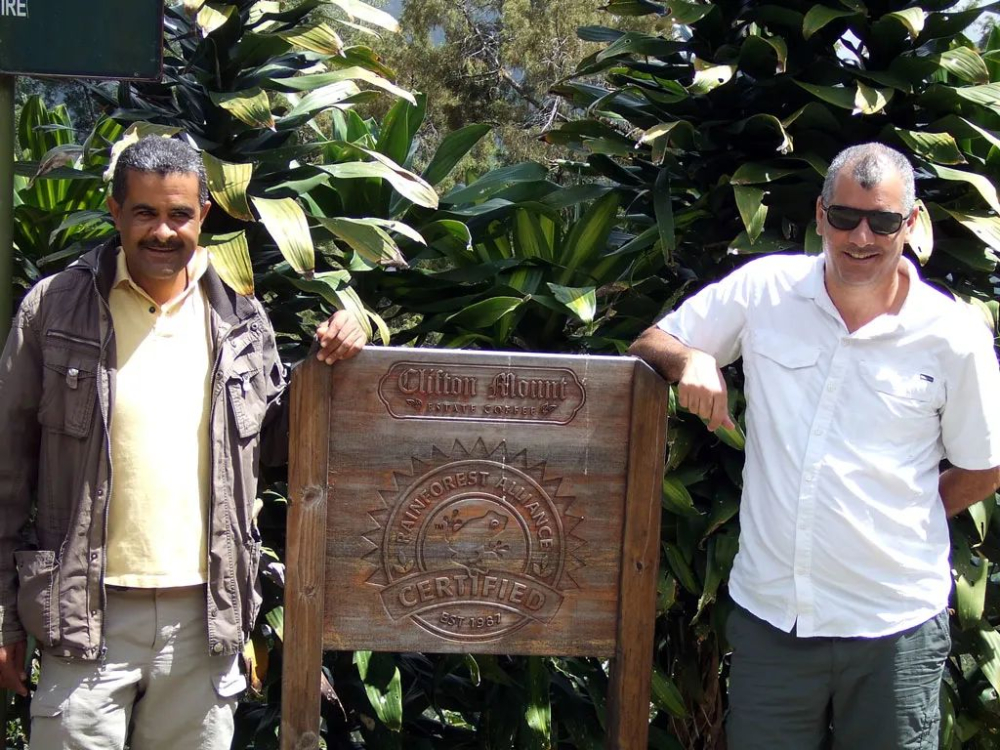
When the global economic crisis broke out in 2008, Jamaica began trying to sell Blue Mountain coffee to more countries. It happened that the agreement with Japan had also expired, so more quota was allocated to other markets. As China's coffee consumption demand continues to expand, many domestic businesses can now directly import Blue Mountain coffee beans from Jamaica. Front Street's Jamaican Blue Mountain No. 1 coffee comes from the historic Clifton Estate and is processed by the traditional washed method.
What makes Blue Mountain coffee unique
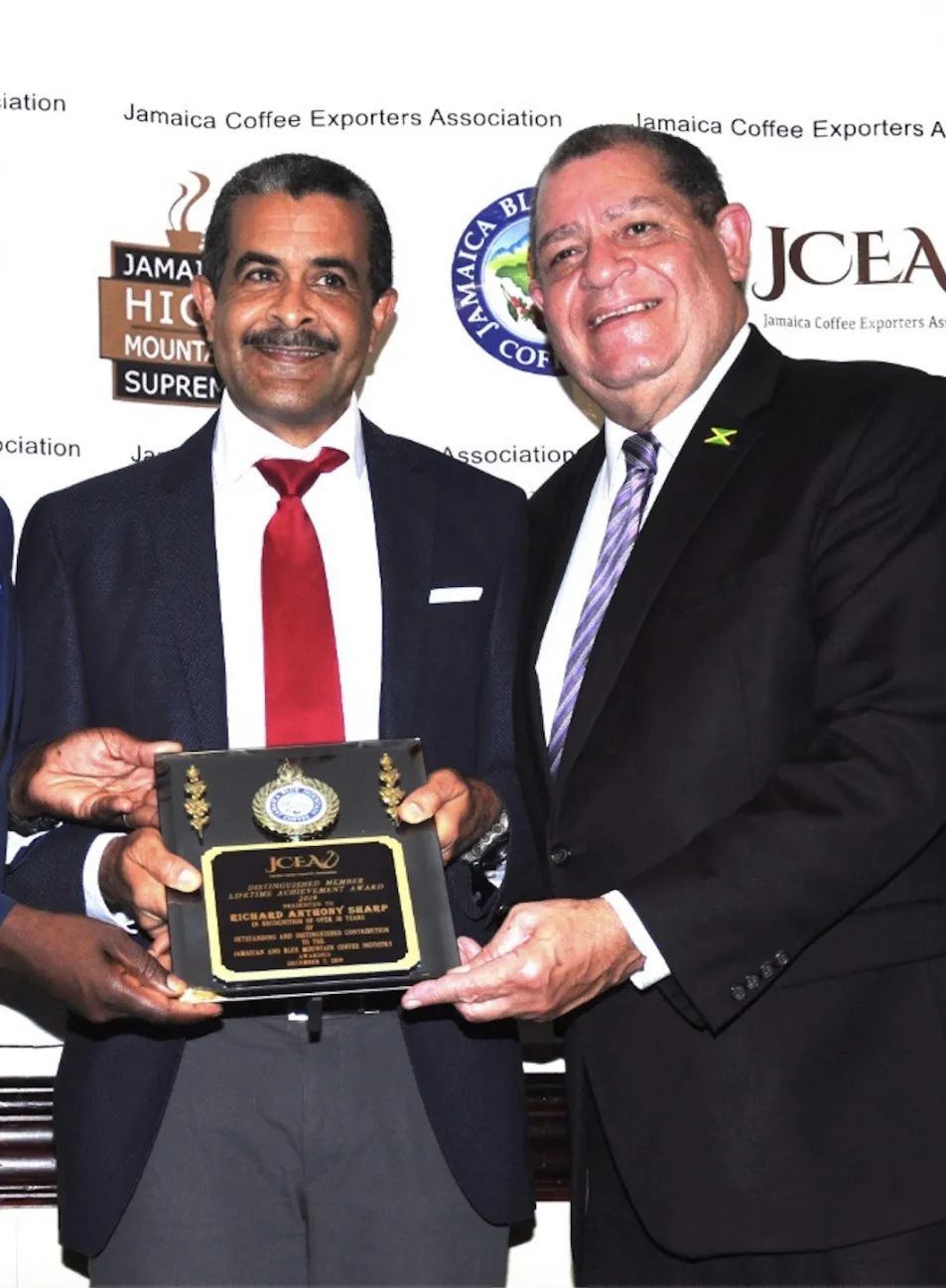
What makes high-end Blue Mountain coffee so favored is its signature Blue Mountain flavor, and the root of that flavor lies in the exceptional growing environment of Blue Mountain coffee. Richard Sharpe, owner of Jamaica's Clifton Estate, which produces Blue Mountain coffee, once explained in an interview why Blue Mountain coffee stands out: "It is the specific latitude, longitude, and the unique location of a Caribbean island that together create a microclimate that does not exist elsewhere."
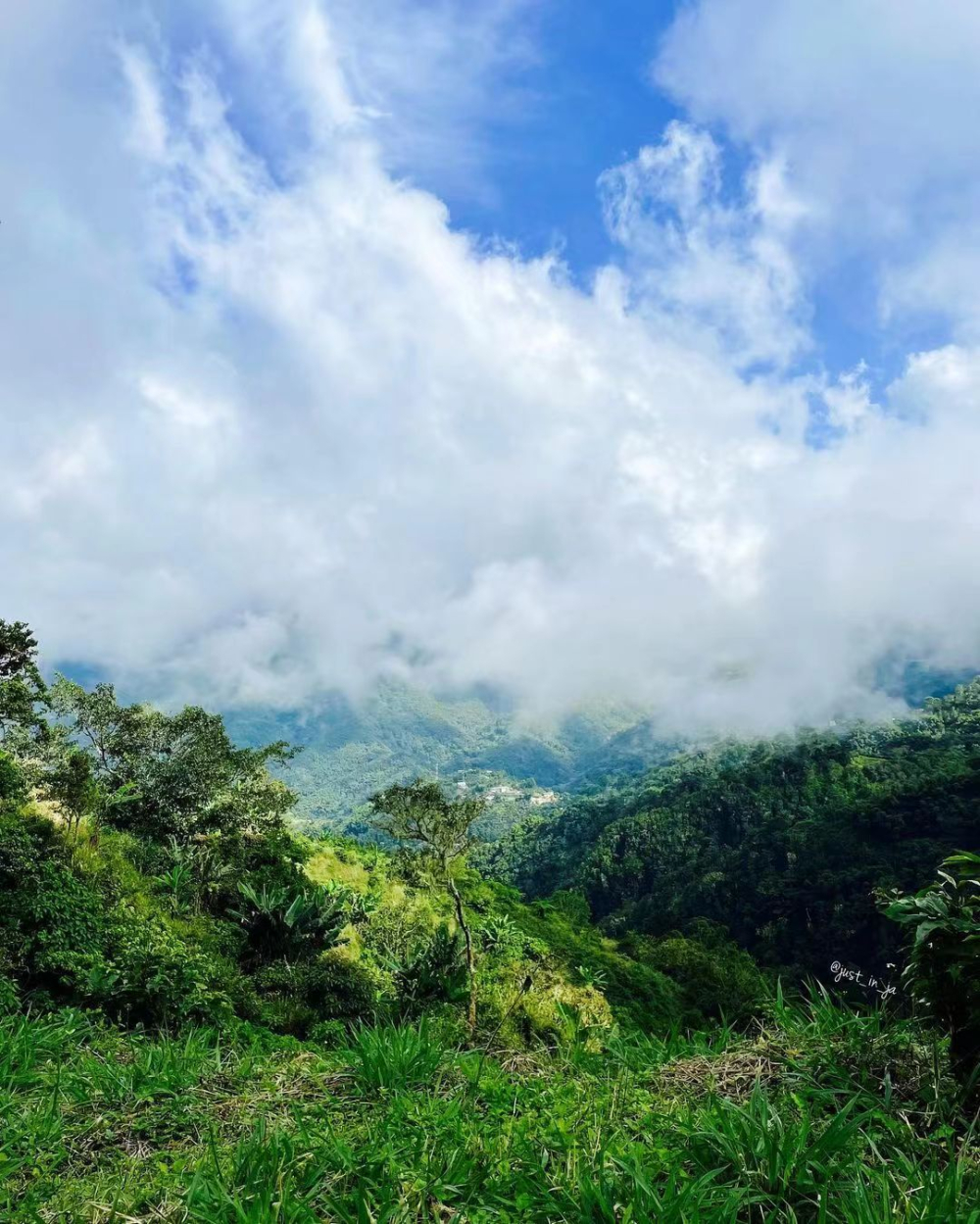
The Blue Mountains are located in eastern Jamaica, in an earthquake zone, where volcanic eruptions left behind large amounts of fertile, mineral-rich soil. The Blue Mountains have the highest peaks in the entire Caribbean region, making them a well-known local tourist destination as well. The air here is clean and rarely polluted, and with the year-round rainy, humid, and cool climate, coffee trees grow vigorously amid shrouds of mist. The marked temperature differences brought by high altitude give coffee cherries enough time to accumulate nutrients, ultimately producing a fragrant, sweet, and mellow taste. Although the Blue Mountains cover a wide area, the terrain is not flat. Coffee trees are mostly planted on rugged slopes, making manual harvesting extremely difficult. Local growers hire experienced women workers to go up the mountain and hand-pick coffee cherries that have reached the proper ripeness, thereby ensuring coffee quality.
For many years, Jamaica has insisted on planting only Arabica varieties, which has allowed the local Typica to avoid hybridization and mutation and to retain a pure bloodline. Unlike many coffee-producing regions, Jamaica is a relatively closed island nation and also inherently possesses unique microclimatic conditions. After more than two hundred years of domestication and adaptation, Blue Mountain Typica has evolved strong disease resistance, especially better resistance to coffee berry disease than ordinary Typica, and its yield and quality are also more stable.
What is "Blue Mountain flavor"? How much does a cup of Blue Mountain coffee cost?
As Front Street said above, Blue Mountain is too famous, and because it is expensive and hard to obtain, there are quite a few products on the market mixing the genuine with the fake. All kinds of inferior coffees bearing the name "Blue Mountain" often mislead consumers. For example, those commonly seen on shopping platforms: Blue Mountain flavor, Blue Mountain blend, Blue Mountain mixture... all merely borrow the name of Blue Mountain and are far removed from the real thing.
If it can be hailed as the best coffee in the world, its price naturally will not be too low, so "Blue Mountain beans" selling for only a few dozen yuan are very unlikely to be genuine. As a consumer, you can check whether the seller has the handmade oak barrels used to transport Blue Mountain green beans, and use that as a basis for identification. Jamaica is the only producing region in the world that uses oak barrels as the carrier for coffee transport. Compared with coarse cloth sacks, oak barrels can absorb and release internal and external moisture while blocking the leakage of coffee aroma, allowing the beans to maintain a more stable moisture content and making the roasting process more controllable. Over time, the barrel has also become one of the symbols for identifying authentic Blue Mountain coffee.
In addition, distributors producing Blue Mountain coffee must obtain a license from the Jamaican government and authorization from the Jamaica Coffee Board; all Blue Mountain lots exported from the region must also pass the Coffee Board's quality inspection and certification and carry the corresponding labels. Therefore, we can ask merchants to present the relevant Blue Mountain certificates to determine whether it is authentic Blue Mountain. Front Street's Blue Mountain No. 1 coffee is produced by Clifton Estate and has a quality certificate issued by the Jamaica Coffee Board, an authorized sales certificate issued by the Blue Mountain coffee producer, and a Jamaican Blue Mountain coffee certificate of origin. The Dongshankou store also displays oak barrels containing Blue Mountain green beans.
Before the millennium, if you wanted to drink a cup of Blue Mountain black coffee in China, it would easily cost several dozen or even over a hundred yuan, which was extremely luxurious by the consumption standards of the time, and there was still a chance you would get something that was not genuine. As the Jamaican government released more Blue Mountain quota to consumer markets in various countries, it is now much easier to drink a cup of real Blue Mountain in China. Front Street Coffee's Blue Mountain No. 1 coffee beans are sold at 158 yuan per 100g, and tasting at the Dongshankou store costs only 60 yuan per cup, about 200ml. The Blue Mountain No. 1 coffee purchased by Front Street comes from Jamaica's historic Clifton Estate and belongs to the highest grade of Blue Mountain coffee.
Which grade of Blue Mountain coffee beans is the best?
If you have confirmed that what you bought are real Blue Mountain coffee beans, everyone surely hopes to drink the highest grade, since the higher the grade, the better the flavor performance. The grading of Blue Mountain coffee is inspected and certified by the Jamaican Coffee Industry Board (CIB). In terms of green bean quality control, the CIB regulates the cultivation, production, and sales stages of Jamaican Blue Mountain coffee in order to improve coffee quality, standardize production and processing procedures, and also coordinate the sale of Blue Mountain coffee on the market. The CIB is also responsible for grade classification and quality inspection of coffee produced in the Blue Mountains. In other words, Blue Mountain coffee sold around the world must pass CIB certification and carry its label.
Compared with other coffee origins, Jamaica was the earliest country to recognize coffee's "taste of place." The criteria for evaluating Blue Mountain green bean quality cover multiple dimensions: green bean size, defect rate, color, uniformity, and post-roast cupping performance, including dry fragrance, wet aroma, acidity, flavor, body, and cleanliness. Bean size is measured using screens with different hole sizes; beans that do not pass through the holes meet the corresponding size standard. Color evaluation combines visual observation with colorimeter readings, and blue-green is the highest grade.
Based on the above standards, Blue Mountain coffee is divided into 4 grades, from highest to lowest: NO.1, NO.2, NO.3, and PB, translated in China as Blue Mountain No. 1, Blue Mountain No. 2, Blue Mountain No. 3, and Blue Mountain Peaberry. Top-grade Blue Mountain No. 1 green beans must meet a screen size of 17 and above, a defect rate below 3%, and a moisture content of about 13%, and in cupping they present rich coffee aroma, a smooth and balanced mouthfeel, low mild acidity, and a lingering sweet aftertaste.
Front Street teaches you to easily brew the essential flavor of Blue Mountain No. 1
As the coffee atmosphere in China continues to heat up, even if you do not go to a coffee shop, you can now brew a fragrant and delicious cup of Blue Mountain coffee at home. After buying Blue Mountain No. 1 coffee beans, many friends ask Front Street how to brew it for the best taste. Below, Front Street explains our extraction approach based on how we serve it in store.
First, before brewing, Front Street confirms the freshness of the coffee beans; if the roast date is more than a month ago, Front Street will switch to fresher coffee beans. Coffee beans have an optimal tasting window after roasting, and the aroma accelerates its loss with storage time, making it difficult to restore the original flavor during brewing. This is also why Front Street insists on shipping only coffee freshly roasted within 5 days, hoping every customer can enjoy the coffee beans at their most complete tasting stage.
When brewing coffee beans dominated by bitterness, Front Street usually gives priority to the KONO dripper, with the aim of highlighting the coffee's full-bodied mouthfeel. The upper part of the KONO dripper allows the filter paper to fit better. Compared with the v60 dripper, its extraction method is mainly immersion-based, which can increase the overall concentration of the coffee and thereby enhance body. Likewise, the KONO dripper is also suitable for brewing Brazil Queen Estate coffee beans and Golden Mandheling coffee beans.
Front Street's store brewing parameters for Blue Mountain No. 1 are:
Dripper: KONO dripper
Water temperature: 88 degrees Celsius
Coffee-to-water ratio: 1:15
Coffee grounds: 15g
Grind size: EK43s - setting 10.5 (75% passing rate on a No. 20 standard sieve)
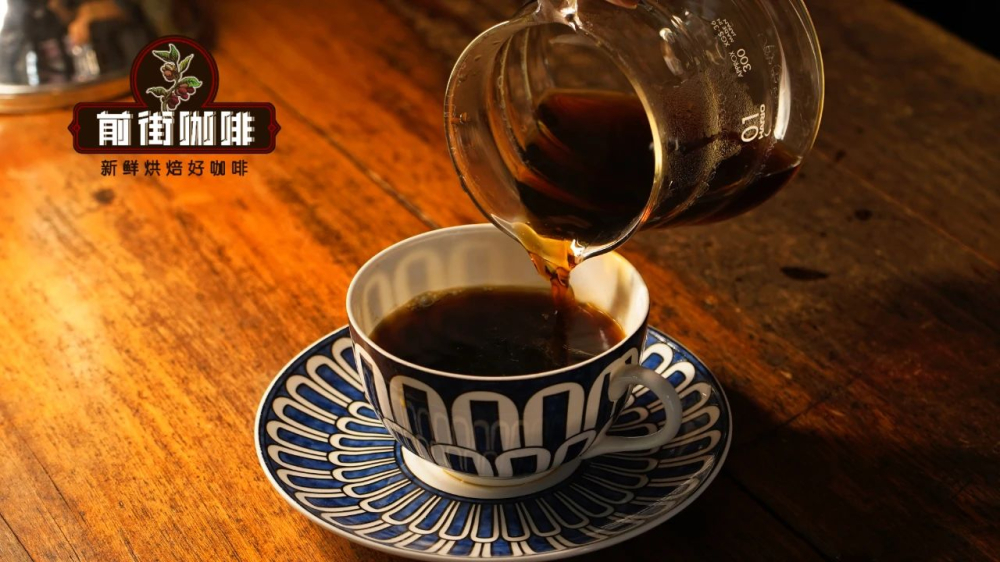
Here at Front Street, first wet the KONO dripper, then align and place the filter paper so that it fits the dripper more closely. After pouring out the water in the server, add 15g of coffee grounds. After blooming with 30g of water for 30s, begin pouring in a small stream in circles from the center until 125g, then start a second stage. Wait until the coffee bed drops to halfway down the dripper, then pour the second stage using the same method until 225g. Once all dripping is complete, remove the dripper.
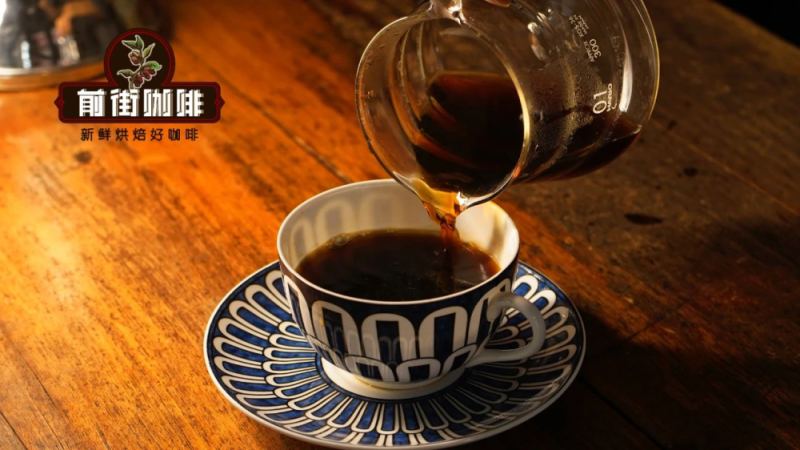
Blue Mountain No. 1 coffee drinks with the sweet fragrance of dark chocolate, the sweetness of caramel, and a soft, elegant acidity. Each taste is balanced with the others, the mouthfeel is smooth, rich, and mellow, and it has a very typical Blue Mountain flavor.
The above content is compiled by CoffeeHunters, a coffee news website.


