







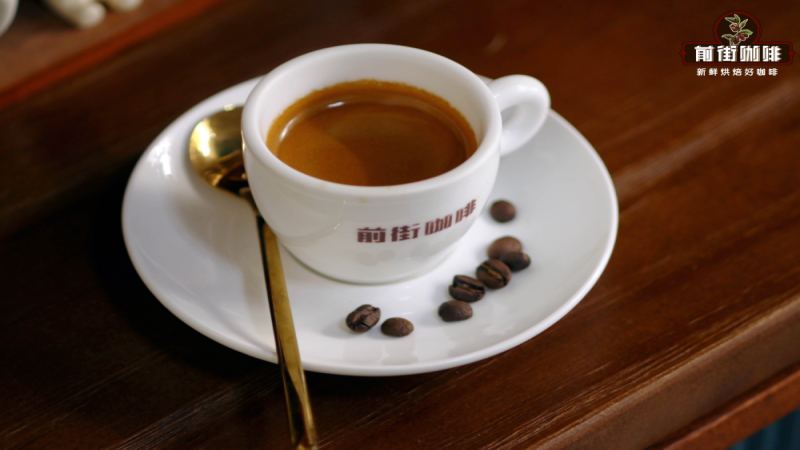
How do you choose espresso beans for home brewing?
Espresso beans are roasted darker than pour-over beans because they are built for pressure extraction on espresso machines, moka pots and similar gear. Within that category, blends trade cost, consistency and flavor against each other, while SOE beans showcase a single origin. Matching the bean to the method matters more than the label on the bag.
A repeatable shot needs more than good beans. Weigh the dose, distribute and tamp evenly, then finish extraction with set parameters for grind, pressure and brew ratio. Typical guidance covers dose, grind setting and ratio so the same balanced espresso can be reproduced at home rather than guessed at.
To make a reliable espresso at home, bean selection and technique are equally crucial. With so many types of espresso beans on the market, dark roasts, blends, and SOEs each have their own nuances—how exactly do you judge which ones suit you? This article starts with the definition of espresso, sorts out the differences between espresso beans and pour-over beans, the trade-offs between blends and SOEs, and recommends specific products such as Front Street Coffee's commercial blend, Front Street Coffee's Black Cocoa blend, and Front Street Coffee's Strawberry Candy espresso beans. The second half then breaks down the complete process step by step, from weighing the grounds, distributing, tamping, to finishing extraction, providing reference parameters such as dose, grind, pressure, and brew ratio, to help coffee lovers consistently reproduce a balanced espresso at home.
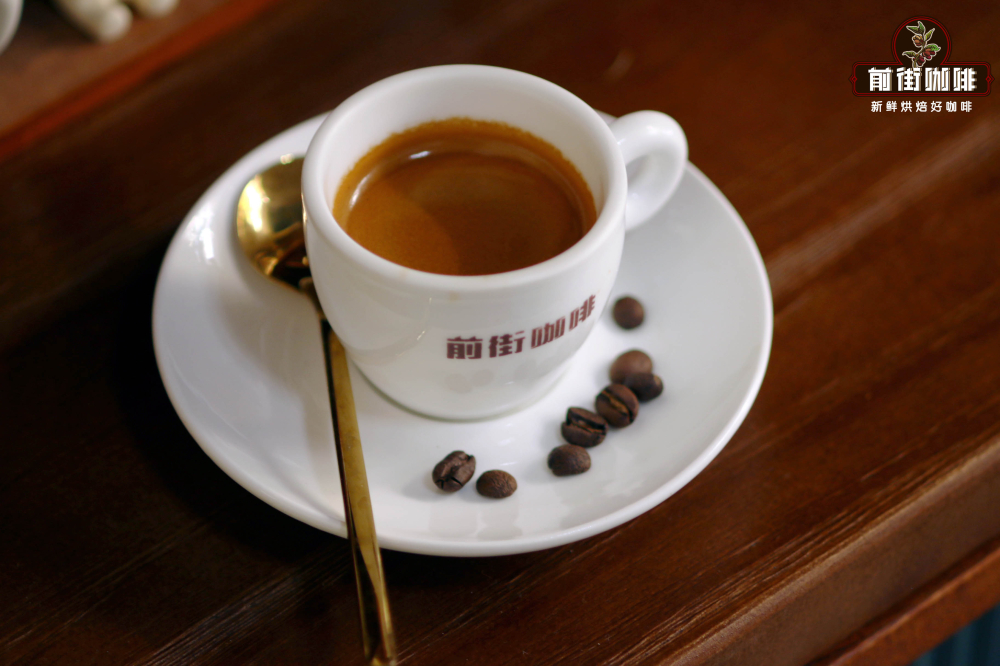
You stand in front of the supermarket shelf, looking at row after row of espresso beans, and it's hard not to feel indecisive. Each one looks a little different: some are labeled dark roast, some light roast; some are marked as blends, while others list a whole array of flavor notes. At this point you're probably thinking: which espresso beans are actually truly delicious?
What is espresso?
Simply put, espresso refers to a coffee brewing method. After World War II, it gradually became a national drink Italians couldn't live without in their daily lives. With this method, even average-quality coffee beans can produce a pretty tasty cup—under high temperature and high pressure, an espresso machine can extract a blend of Robusta and Arabica into a thick-bodied, intensely flavored coffee.
What are espresso beans?
Divided by use, coffee beans on the market generally fall into two categories: espresso beans and pour-over coffee beans. Espresso beans are used exclusively for pressure-based extraction, such as espresso machines and moka pots; pour-over coffee beans are used for non-pressure extraction, such as pour-over, siphon, and cold drip methods.
The most obvious difference between the two is the roast level: beans used for pressure-based extraction usually need to be roasted darker. Espresso beans can further be divided into blend beans and SOE beans. Blend beans are generally a roaster's trade-off among cost, consistency, and flavor, made by combining two or more coffees from different origins. Cost-effective options include Front Street Coffee's commercial blend, and an espresso bean many baristas recommend—Front Street Coffee's Black Cocoa blend.
SOE beans refer to single-origin espresso beans. There is no absolute superiority between the two. For example, many people feel SOE is better in quality and flavor, but because most use light to medium roasts, the acidity tends to be more prominent.
Conversely, if you use excellent-quality single-origin coffee beans to make a blend, as long as the combination is well matched, the result will definitely taste better than an SOE—though the price will be correspondingly higher. Take Front Street Coffee's Strawberry Candy espresso beans: they are blended from three single-origin coffees—Costa Rica, Colombia, and Ethiopia Yirgacheffe—with fresh flavors of rose, strawberry candy, grape, dried fruit, and blueberry.
So how exactly should espresso be made?
Step 1: Remove the portafilter from the espresso machine, place it on an electronic scale, and tare the scale to zero.
Step 2: Press the water button and let some water run first.
Step 3: If using a double-spout portafilter, the coffee dose should be controlled between 18–21g. Grind parameters are crucial to the balance of the coffee's taste. In principle, espresso should be ground relatively fine.
Step 4: Use your finger to gently level the coffee bed, ensuring the surface is flat.
Step 5: Place the portafilter on a clean, level countertop, rest the tamper on the portafilter, and press straight down with your arm vertically, without using too much force—20–30 pounds is enough. After pressing, rotate the tamper slightly to compact and level the puck to ensure even extraction.
Step 6: Reattach the portafilter to the espresso machine and place the coffee cup beneath the portafilter. Using a preheated ceramic cup is recommended.
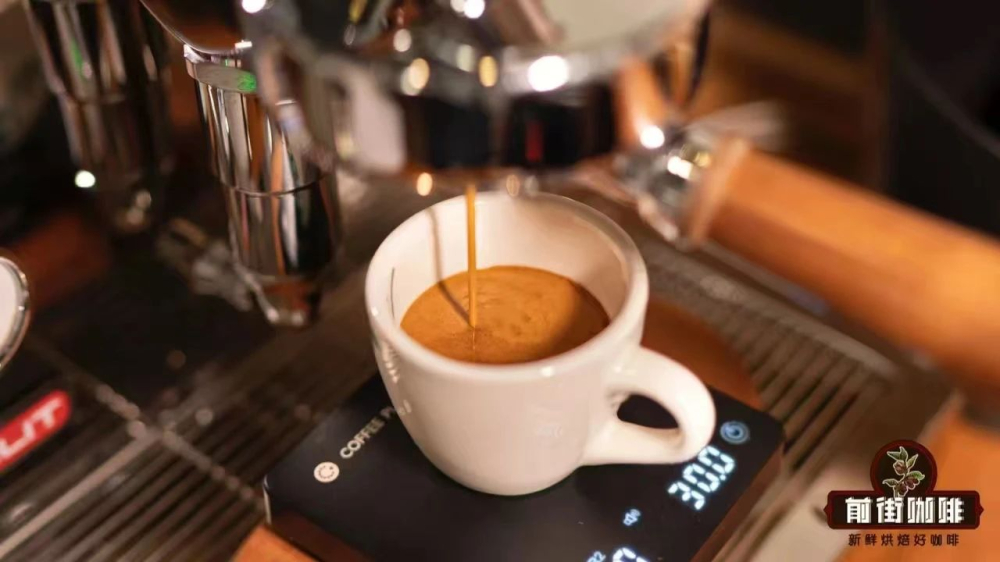
Step 7: Press the water button. At first the coffee flow will be very slow, then gradually form a thin stream. When the time reaches 30 seconds, extraction ends, the stream will become thicker and the color will turn golden or yellow, at which point you should stop brewing. General extraction parameters are a brew ratio of 1:2 and a time of 25–30 seconds.
Some people like to stir it before drinking, while others drink it straight to experience espresso's multi-layered body and taste—how you drink it is entirely up to personal preference.
The above content is compiled by CoffeeHunters, a coffee news website.


