







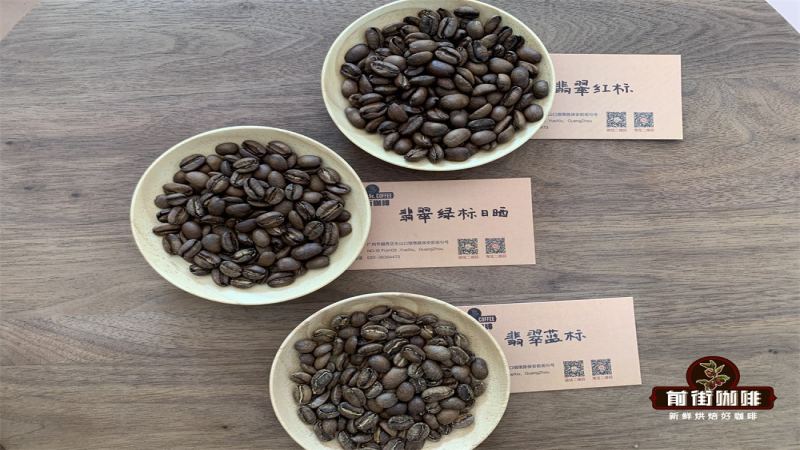
How Does Geisha Coffee Panama Differ From Other Origins?
Geisha coffee from Panama, Costa Rica, and Guatemala shares one parent variety but diverges in the cup, because terroir, altitude, and processing shape how the plant expresses itself. Panama, where Hacienda La Esmeralda brought the variety to fame, tends to show jasmine and citrus clarity. Costa Rica leans toward softer stone fruit, while Guatemalan lots often carry cocoa and spice alongside the floral core.
The geisha coffee variety reached this side of the world by a long route: noticed in Ethiopia's Geisha forest in 1931, sent to Kenya, then Uganda and Tanzania in 1936, Costa Rica in 1953, and Panama around 1960. Labels such as Red and Green, plus honey versus natural processing, further shift acidity, body, and sweetness between lots from the same country.
Since Geisha coffee first emerged at Hacienda La Esmeralda in Panama, many producing regions around the world have introduced it, but different terroirs give it distinct expressions. This article starts with the variety's origin, compares the growing environments and cup profiles of Geisha from Panama, Costa Rica, and Guatemala, and shares Front Street's practical experience in Geisha selection and brewing. Whether you want to understand the difference between Red Label and Green Label lots, or are curious about the taste changes brought by honey processing versus natural processing, you'll find the answers here.
For professional coffee knowledge exchange and more coffee bean information, please follow Coffee Workshop (WeChat public account: cafe_style)
Ever since Geisha rose to fame at Hacienda La Esmeralda in Panama, many producing origins around the world have begun cultivating this variety, yet Geisha from different regions shows significant differences in the cup. It can be said that Geisha is constantly imitated, yet always difficult to surpass. Coffee is ultimately an agricultural product, and terroir and climate have a profound influence on it. The reason Hacienda La Esmeralda's Geisha can present such stunning flavors is precisely because of Panama's unique climatic conditions.
Today, Geisha can be found in Colombia, Costa Rica, Guatemala, and elsewhere, and Yunnan, China is also experimenting with growing it. Next, let's compare just how different the Geisha coffees from these producing countries really are.
The Origin of Geisha Coffee
Geisha was originally a variety within the coffee family, first discovered in the primitive forests of Ethiopia. In 1931, people first took notice of it in the Geisha forest of Ethiopia. It was subsequently sent to the coffee research institute in Kenya, then introduced to Uganda and Tanzania in 1936, brought to Costa Rica in 1953, and arrived in Panama around 1960. Later, Panama's Hacienda La Esmeralda selected and separated it from other varieties. In 2004, Hacienda La Esmeralda's Geisha made its name at the BOP competition, winning the national coffee competition championship, and thereby establishing Hacienda La Esmeralda's position in the specialty coffee world.
Panama Geisha Coffee
Panama is located in Central America, bordering Costa Rica to the west and Colombia to the east. Most people familiar with single-origin coffee know that Panama coffee became famous in coffee circles precisely because of Hacienda La Esmeralda's Geisha. This country pursues coffee quality with almost ruthless rigor and produces many high-quality coffees. Boquete is a town in Chiriqui Province, located near the border between Panama and Costa Rica, adjacent to the famous Baru volcano, with beautiful scenery, fertile soil, and climate and soil conditions highly suitable for growing high-quality coffee.
Boquete Producing Region
The Boquete producing region is home to many excellent estates. In addition to the renowned Hacienda La Esmeralda, there are also Elida Estate, Kotowa Duncan Estate, and others, all producing specialty coffee. This is due not only to the superior ecological conditions of Panama's Boquete area and the fertile volcanic ash soil of the Baru volcano, but also to a key factor—the microclimates of the Boquete highlands, which are a unique and important resource for local specialty coffee. Panama's geographic orientation from east to west allows cold air currents to converge above 6,500 feet through the central mountain range, forming multiple microclimates in the Boquete area. Temperature and rainfall are both very suitable for plant growth, so the coffee trees here grow extremely well.
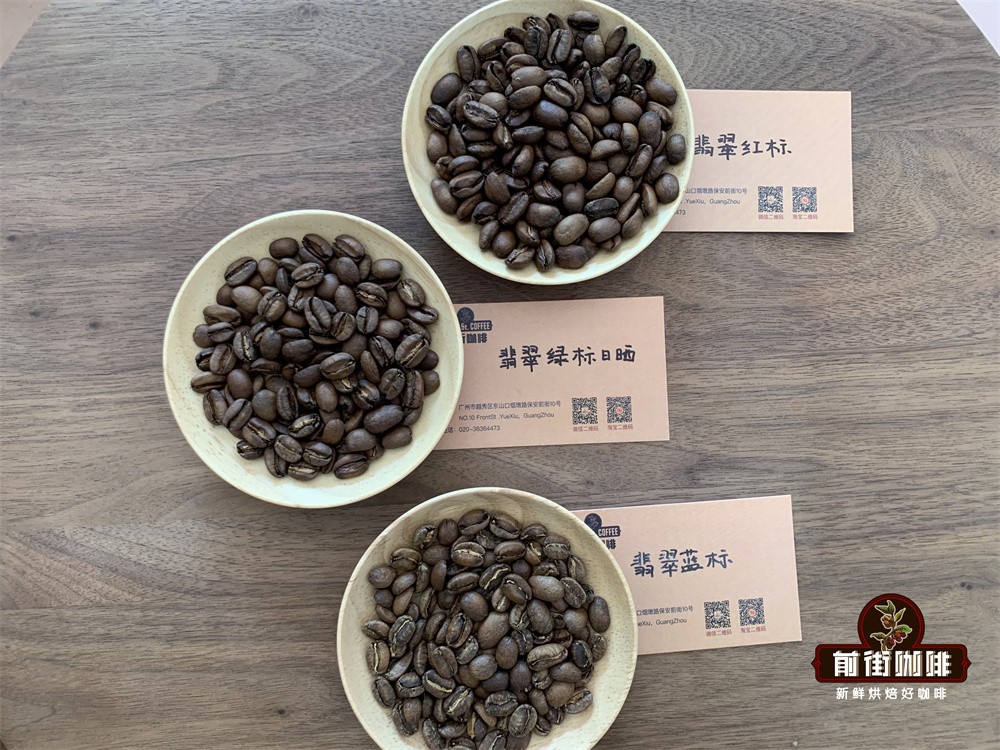
Hacienda La Esmeralda Geisha Coffee: Red Label Geisha is grown at altitudes between 1,600 and 1,800 meters, with cupping scores above 90, mainly from the Jaramillo and Canas Verdes production areas. Front Street's Red Label Geisha comes from Canas Verdes, uses natural processing, and has pronounced rose aroma with the sweet-tartness of berries.
The Green Label lot does not participate in bidding but is still of excellent quality. Green Label Geisha is grown at altitudes of 1,600-1,800 meters and is mainly a blend of lots from different plots such as Jaramillo and Canas Verdes. Front Street's Green Label Geisha is available in both natural and washed processing. The washed version has floral, fruity, and citrus acidity, with a fresh and clean mouthfeel; the natural processing has the same base as the washed version while adding a rich, juicy body.
Many people probably feel that Geisha coffee is simply too expensive. Taking this into consideration, Front Street specifically selected Boquete Geisha coffee from Panama's Boquete producing region as one of its everyday beans, making it easier for everyone to taste the noble flavors of Geisha coffee.
Costa Rica Geisha Coffee
As mentioned earlier when discussing Panama Geisha, Panama's coffee was originally introduced from Costa Rica. Costa Rica has been growing coffee for nearly two hundred years, and coffee is an important economic crop for the country. The industry is quite mature, and many newly established estates have emerged in recent years. These estates often have resources and are willing to grow the Geisha variety, with the most representative being the Geisha coffee beans from Finca El Miro.
Mirasu Estate is located in Costa Rica's Tarrazu specialty coffee producing region. The Tarrazu producing region lies in Central America's fertile volcanic zone, with a humid climate, fertile volcanic soil, abundant year-round rainfall, high altitude, and dense forests providing natural shade, creating exceptional conditions for coffee growth. Although there are many coffee estates within the Tarrazu producing region, the subtle characteristics of each estate—such as microclimate, soil, and variety differences—are presented quite completely. It is precisely these magical gifts of nature that attract Front Street to continually seek out different coffee beans from the same producing region for comparison.
Guatemala Geisha Coffee
The World's Coffee Estate — Finca El Injerto
Finca El Injerto is located on the Huehuetenango highlands, a famous producing region in Guatemala, and has been cultivated by the Aguirre family since 1900. The estate's name "Injerto" comes from a local fruit. Finca El Injerto places special emphasis on ecological protection and organic farming techniques, strictly enforcing quality control to ensure green bean quality. Through the Aguirre family's efforts, the estate obtained Rainforest Alliance certification and has won numerous achievements in international coffee competitions since 2002. Finca El Injerto has always played the role of a pioneer of Central American specialty coffee. About 50 years ago, it was among the first estates to focus on single varieties and vertically integrated production of high-quality coffee.
Coffee Bean Varieties
Panama's Geisha coffee variety is Geisha itself. The Geisha variety was originally collected from Ethiopia's coffee forests in the 1930s. In 1953 it was brought to the Tropical Agricultural Research and Higher Education Center (CATIE) in Central America, where it was recorded as T2722.
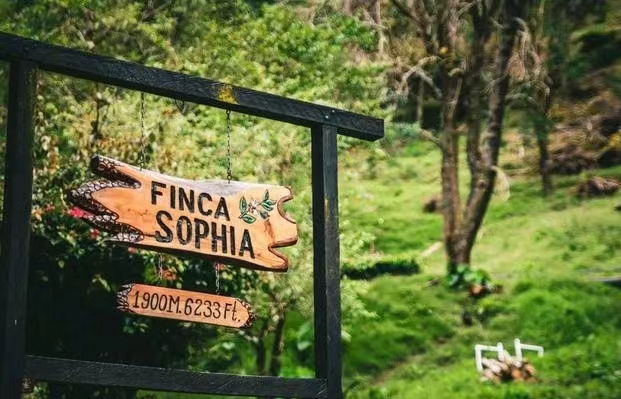
Mirasu Estate's is a Geisha blend coffee bean. As long as the beans come from the same origin, the same estate, or a cooperative, they can be defined as single-origin coffee. The Mirasu Estate Geisha blend that Front Street sourced uses 50% Geisha, ET47, SL28, and Maico. It is worth mentioning the ET47 variety—ET47 is its laboratory number, because many varieties were introduced during the same period and most were distinguished and identified by numbers.
Processing Methods
Costa Rica is famous for honey processing. The raisin honey processing method retains 100% mucilage and uses zero-water processing. This approach increases the difficulty of honey processing and requires strict control of timing.
Panama Geisha coffee mainly uses natural washed and natural processing methods.
FrontStreet Coffee Roasting Analysis
FrontStreet Coffee's roaster, considering the need to highlight the rich fruit aromas and floral notes of this Mirasu raisin honey processed coffee, as well as its strong sweetness, adopted a medium roast level. Geisha coffee is world-renowned for its rich floral aromas and complex fruit character. Front Street's roaster hoped to preserve more of Geisha's fine acidity, so Front Street also chose a medium-light roast for Geisha coffee.
Front Street's brewing parameters for Mirasu and Geisha coffee:
When brewing, to highlight the coffee's fruity aromas, floral notes, and sweetness, Front Street uses higher-temperature water. Front Street uses a medium-fine grind / fine granulated sugar coarseness (80% passing rate on China's No. 20 standard sieve). Take 15 grams of coffee grounds, pair with a V60 dripper, 91°C water temperature, a 1:15 coffee-to-water ratio, and brew using a three-stage pouring technique.
Use three-stage extraction: first bloom with twice the coffee grounds' weight in water, i.e., 30 grams of water for 30 seconds. Blooming allows the coffee grounds to release internal carbon dioxide, making subsequent extraction more stable. Then pour in a circular motion with a small stream until reaching 125 grams, pause, then continue pouring until 225 grams and stop. After the water in the dripper has dripped through, remove the dripper. Timing from the start of pouring, the extraction time is 2'00". Then swirl the entire cup of coffee to mix, and pour into a cup to taste.
Panama Washed Boquete Geisha Coffee Flavor Characteristics: pronounced clear acidity of citrus, lemon, and bergamot, with a creamy smooth mouthfeel when swallowing, and a finish of green tea and honey sweetness.
Costa Rica Mirasu Coffee Flavor Characteristics: strong rose floral aroma, strawberry, raisin, with an almond note in the finish.
Front Street Coffee Brewing Suggestions:
Regarding coffee brewing, Front Street has always believed that the freshness of coffee beans greatly affects flavor, so all coffee beans shipped by FrontStreet Coffee are within 5 days of the roast date. Front Street's roasting philosophy is "freshly roasted good coffee," so that every customer who places an order receives coffee in its freshest state. Coffee's resting period is about 4-7 days, so when customers receive it, it is at its peak flavor.
For those who need ground coffee, Front Street kindly reminds you: once coffee beans are ground in advance, there is no need to rest them, because the pressure from carbon dioxide inside the packaging during transport also rounds out the coffee's flavor, so you can brew a cup immediately upon receiving ground coffee. However, ground coffee needs to be brewed promptly, because after contact with air it oxidizes quickly, the flavor dissipates faster, and the taste is not as good. Therefore, Front Street recommends buying whole beans and grinding fresh for each brew, so you can better taste the coffee's flavor.
For more specialty coffee beans, please add private WeChat FrontStreet Coffee, WeChat ID: qjcoffeex
The above content is compiled by CoffeeHunters, a coffee news website.


