







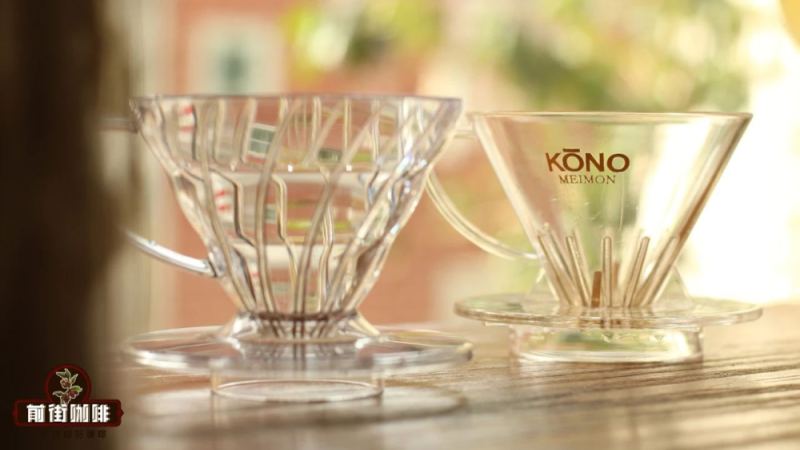

Anyone who has visited a FrontStreet Coffee shop knows that the baristas there generally use only two types of drippers for pour-over coffee: the Hario V60 and the KONO. However, these drippers have certain requirements for brewing technique, and if you haven't yet learned how to control a steady stream of water, using drippers like the Hario V60 and KONO can be a bit difficult.
To let more people enjoy a cup of coffee that hasn't "failed" in brewing, the Clever Cup came along. With this dripper, even coffee novices can easily get the hang of it.

What Is the Clever Cup?
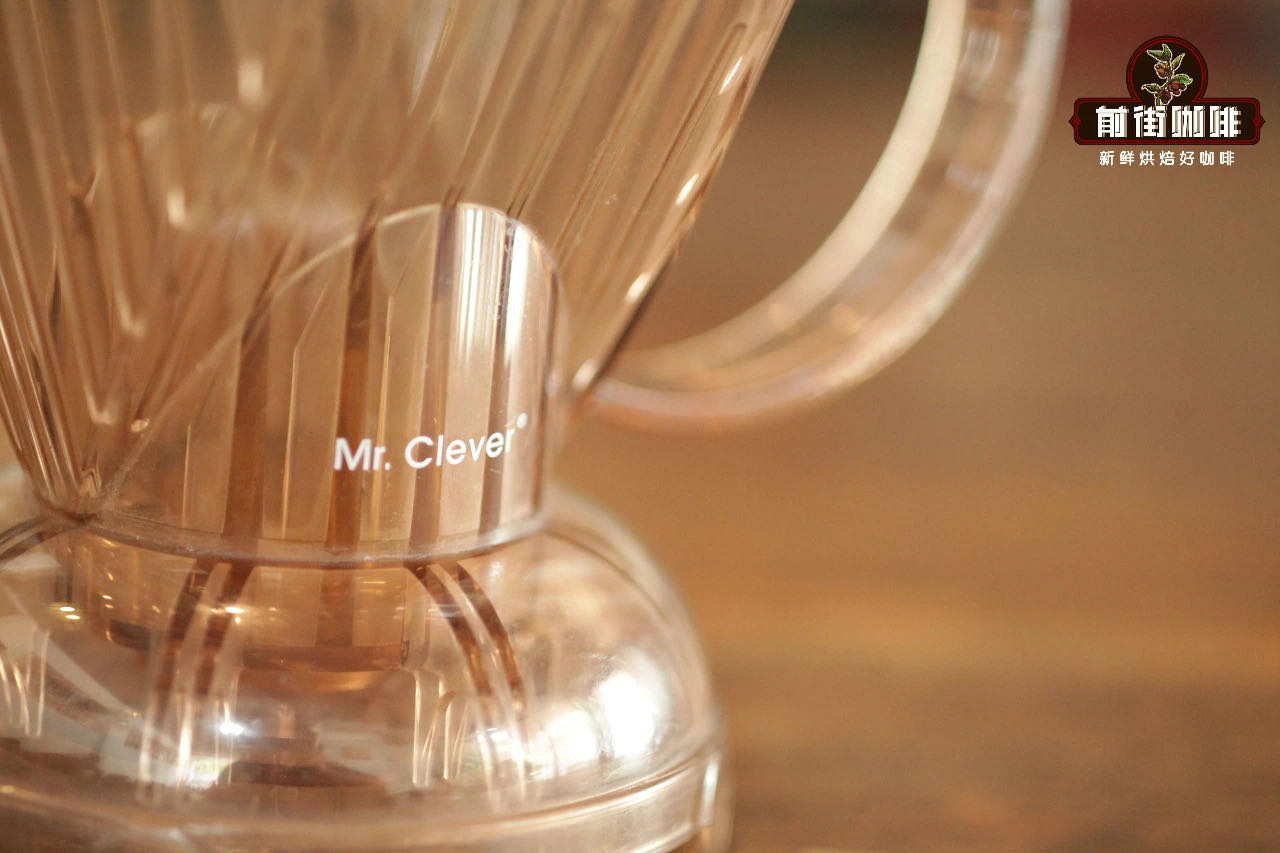
The full name of the Clever Cup is "Clever Coffee Dripper." There are many drippers with piston valves on the market sold under the name "Clever Cup," but in principle, only the Clever Cup sold under the Mr. Clever brand can truly be called a Clever Cup.
The Brewing Principle of the Clever Cup
What makes the Clever Cup special is its bottom design. The bottom of the Clever Cup is divided into two parts: the outer layer serves as a support, while the inner layer features a piston valve design. Once water is poured in, the weight of the water automatically seals the piston valve to stop the flow, allowing the coffee grounds to fully steep in the hot water in the upper layer.
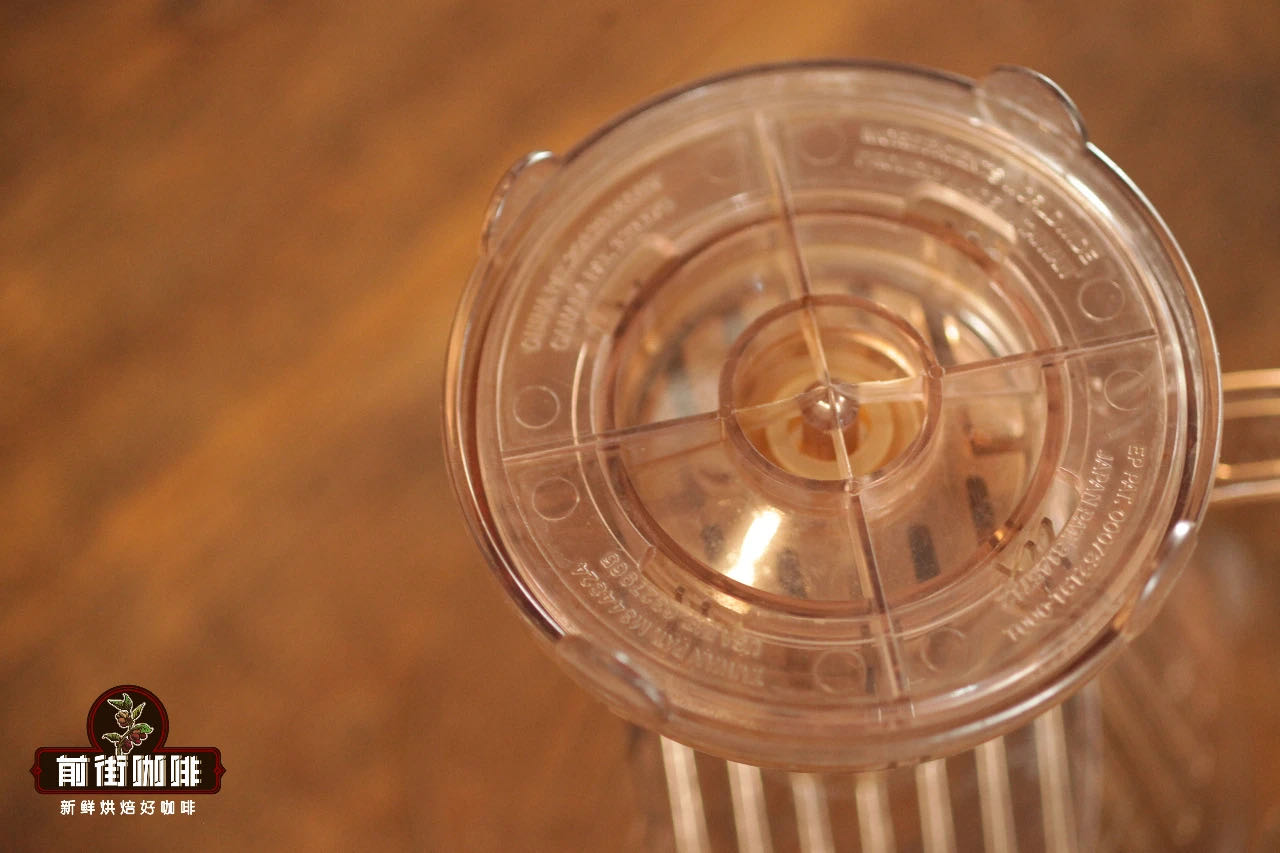
After steeping is complete, place the Clever Cup on a server or other container for the brewed coffee. When the base is pressed, the piston valve opens, and the coffee extract slowly flows into the container. From this, the Clever Cup can be said to combine the advantages of a French press and a pour-over dripper: it provides the full-immersion environment of a French press, retaining more coffee oils for a fuller flavor, while also offering the filtering function of a pour-over dripper, completely filtering out fine coffee particles so they don't affect the mouthfeel.
Clever Cup Brewing Steps
① Fold the bottom and side ribs of the filter paper, then place it in the Clever Cup. Add water to wet the filter paper so it adheres to the inner wall of the Clever Cup.
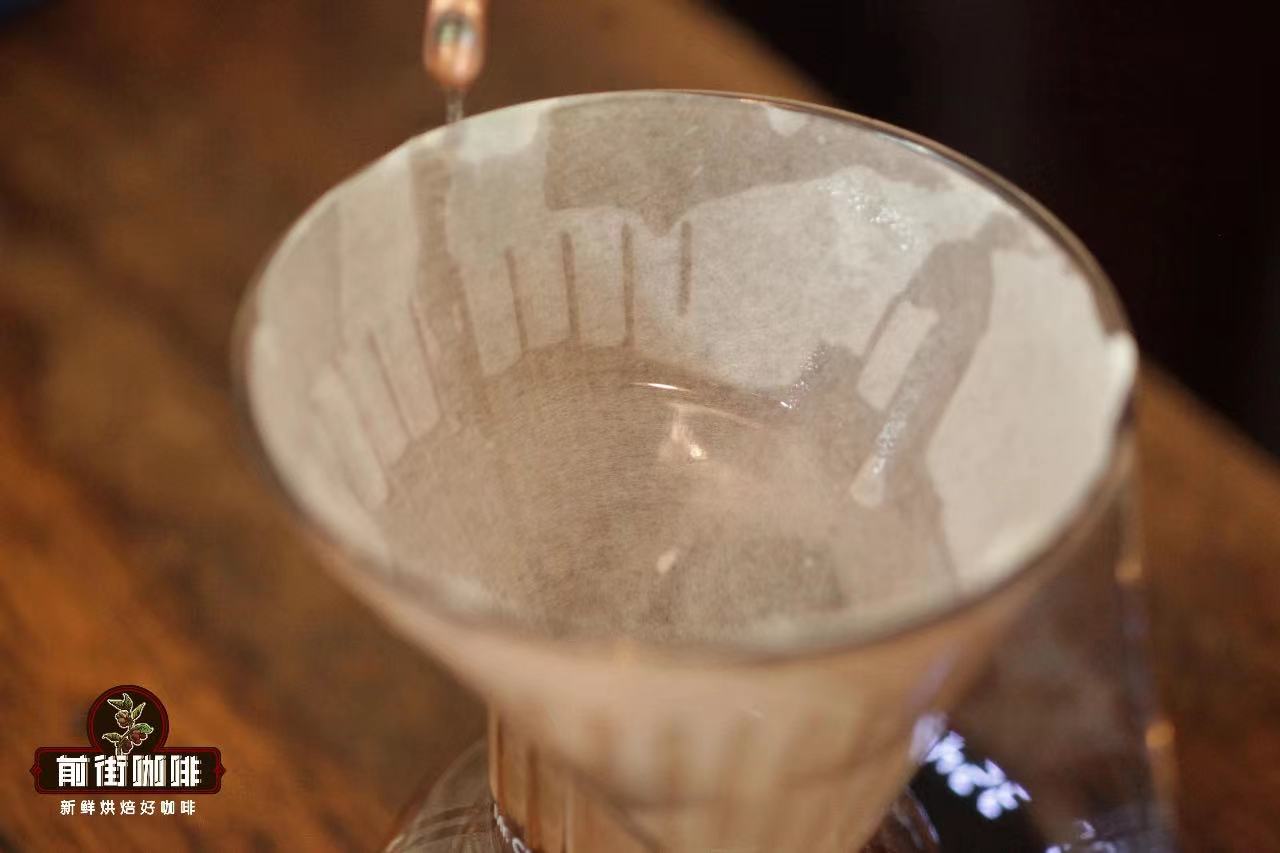
② Place the Clever Cup on a flat surface to close the piston valve, pour 15 grams of coffee grounds into the Clever Cup, and shake level.
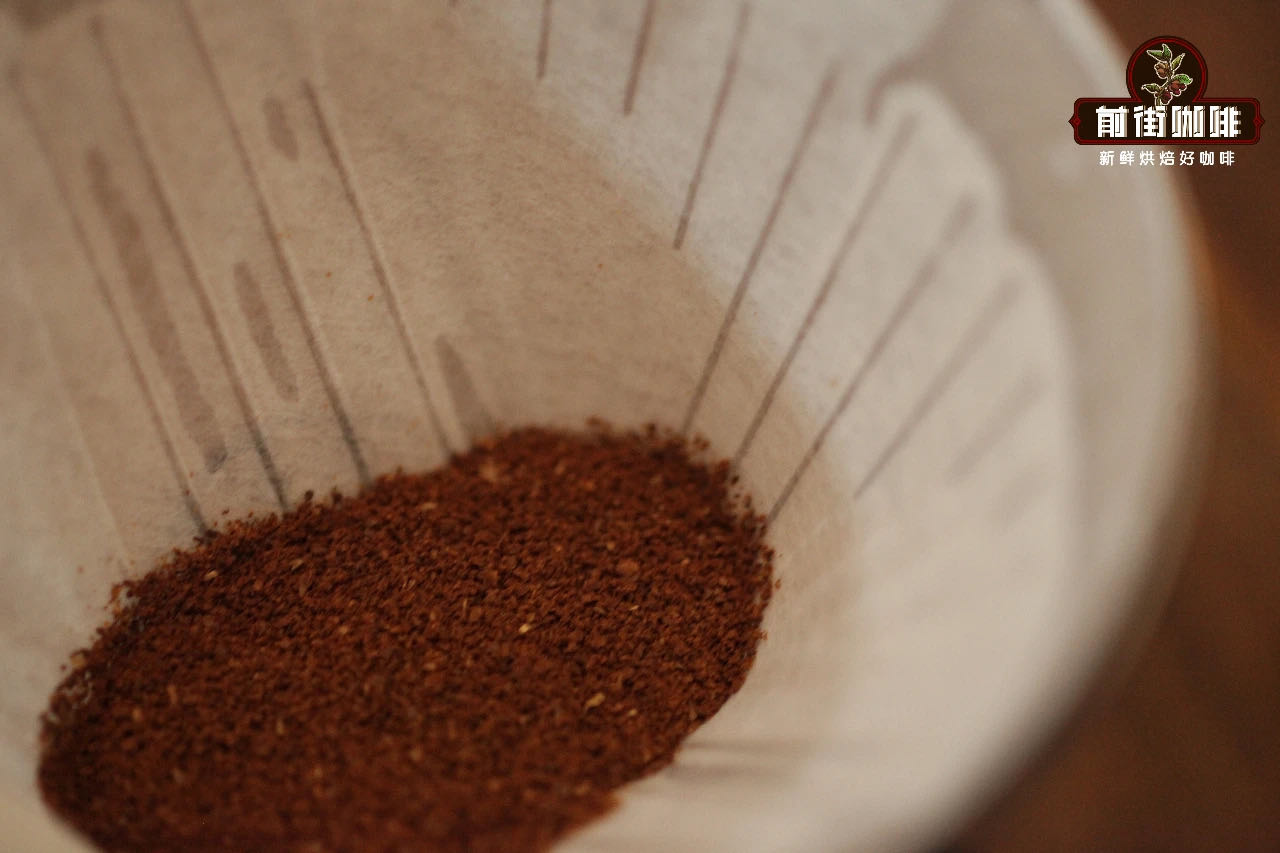
③ Start the timer and pour the first stage of 30 grams of hot water. Let it bloom for 30 seconds at a water temperature of 90°C. After blooming, continue pouring hot water until it reaches 225 grams.
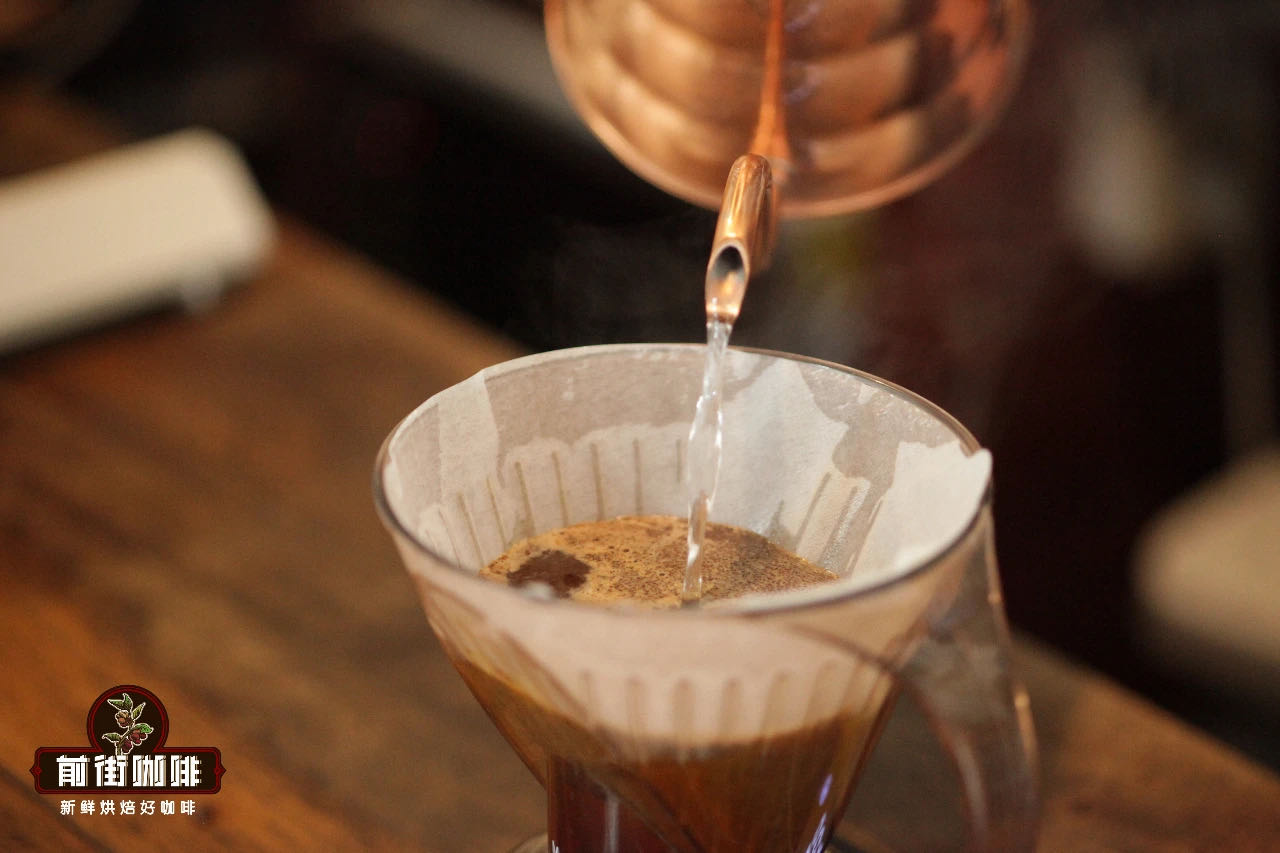
④ Wait until 1 minute 30 seconds, then place the Clever Cup on a mug or server to open the piston valve and let the coffee flow out. The total extraction time is about 1 minute 50 seconds to 1 minute 55 seconds.
What Is Pour-Over Coffee?
As mentioned at the beginning of the article, the pour-over coffee served at FrontStreet Coffee shops mostly uses two types of drippers: the Hario V60 and the KONO. The characteristic of brewing with these drippers is using a dripper with filter paper to filter out coffee grounds. Pour-over coffee originated from a sudden inspiration of Mrs. Melitta in Germany. Mrs. Melitta loved drinking coffee but hated the mouthfeel of coffee grounds, so she combined her son's blotting paper with a perforated copper pot to create a filter—this may have been the first coffee dripper in history.

Equipment Needed for Pour-Over Coffee
To brew pour-over coffee, the equipment needed includes: a digital scale with a timer, a thermometer, a gooseneck kettle, a dripper, filter paper, a server, and a grinder. The digital scale is used to weigh the coffee grounds and water, as well as to display the extraction time.
The thermometer is used to measure the water temperature. In choosing water temperature, for light-roasted coffee beans, FrontStreet Coffee baristas will choose hot water at 90°C to 93°C for brewing; for dark-roasted coffee beans, FrontStreet Coffee baristas will choose hot water at 86°C to 88°C for brewing.

The filter paper and dripper serve to separate out coffee grounds. In choosing between the Hario V60 and KONO, if it's light-roasted coffee beans, FrontStreet Coffee baristas will use the V60 for brewing; if it's dark-roasted coffee beans, they will choose the KONO dripper.
Pour-Over Coffee Brewing Process
Those who often read FrontStreet Coffee articles should be very familiar with FrontStreet Coffee's brewing process. In order to present the purest taste of each coffee bean from each region, FrontStreet Coffee controls controllable factors as much as possible, so that readers can taste the purest varietal and origin flavors of the coffee beans.
When brewing, FrontStreet Coffee first weighs 15 grams of coffee beans, with a coffee-to-water ratio of 1:15, pouring in 225 grams of hot water.

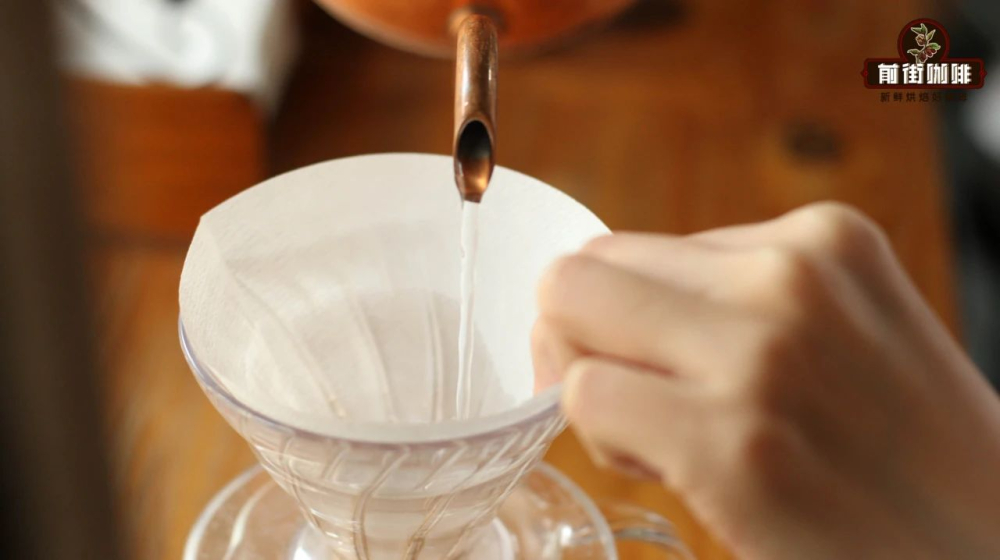
① Place the filter paper in the dripper and wet it with hot water so it adheres to the inner wall of the dripper.
② Pour 15 grams of ground coffee into the dripper and shake level.

③ Pour the first stage of 30 grams of hot water to completely wet the coffee grounds, and let it bloom for 30 seconds to allow the coffee grounds to release carbon dioxide gas, so that the subsequent water flow can better extract the coffee.

④ Pour the second stage of hot water until it reaches 125 grams.
⑤ As the coffee in the dripper drops to halfway and the coffee bed is about to be exposed, pour the third stage of hot water until it reaches 225 grams. The total extraction time is 2 minutes.
What's the Flavor Difference Between Clever Cup and Pour-Over Brewing?
To help everyone better understand the flavor differences between Clever Cup brewing and pour-over brewing, FrontStreet Coffee uses the same coffee bean here for a better comparison.
Taking FrontStreet Coffee's Yirgacheffe Natural Red Cherry as an example:

FrontStreet Coffee: Yirgacheffe · Red Cherry Coffee Beans
Region: Yirgacheffe, Ethiopia
Altitude: 1700m–2200m
Variety: Local heirloom varieties
Processing Method: Natural process
The reason FrontStreet Coffee's coffee beans are called Red Cherry is that they come from a local Red Cherry Project. This Red Cherry Project is led by the Dutch company Trabocca, with half of the funding sponsored by the Dutch government. Since 2005, it has collaborated with many small coffee cooperatives, encouraging and assisting producers to improve washed, semi-washed, natural, or other experimental processing methods to the best of their ability, in order to enhance coffee quality. Before each harvest season, Trabocca invites selected smallholder farmer organizations/producers to participate in producing micro-lot coffee (approximately 1,500 to 3,000 kg), with 100% ripe red coffee cherries carefully hand-picked in multiple passes (hence the name Red Cherry Project).

This coffee bean uses the natural processing method. FrontStreet believes that Yirgacheffe coffee beans have their advantages whether washed or natural processed. Washed Yirgacheffe brings a cleaner mouthfeel and bright acidity, while natural processed Yirgacheffe coffee beans have more prominent juiciness and sweetness, as well as a fuller aroma.
Flavor Comparison
[Clever Cup Brewing Flavor] Citrus acidity, juicy mouthfeel, full-bodied, smooth, fermented wine aroma, honey finish.
[V60 Brewing Flavor] A subtle fermented wine aroma, with citrus notes, honey sweetness, cocoa flavors, and a long-lasting finish.

Comparing the brewed flavors, the Clever Cup brewing extracts the coffee's flavors better, with a rich and full-bodied mouthfeel, while the V60 brewing shows a lighter, fresher flavor profile.
The above content is compiled by CoffeeHunters, a coffee news website.


