







Geisha coffee has risen to prominence in the specialty coffee world in recent years, winning the favor of many enthusiasts with its delicate acidity and fresh floral aroma. This article will guide you through the flavor characteristics of Geisha coffee, compare the differences between the two major producing regions of Panama and Ethiopia, trace the legendary journey of the Geisha variety from the forests of Ethiopia to its fame in Panama, and provide detailed brewing parameters and the three-pour method recommended by Front Street Coffee. Whether you are a beginner just getting to know Geisha or a veteran looking to refine your brewing skills, you will find practical reference information here.
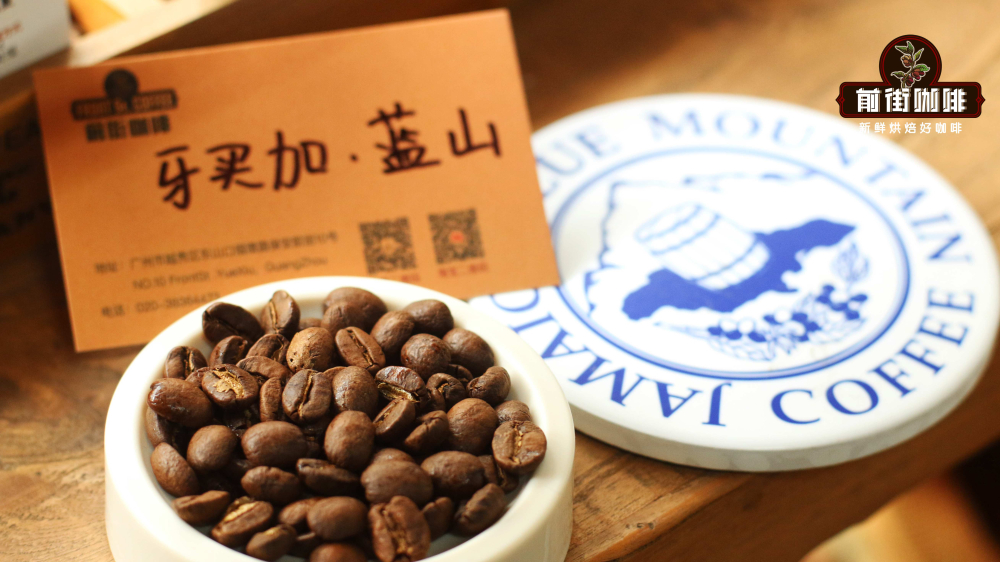
Looking back to the era before specialty coffee became widespread, when people thought of coffee, the first names that came to mind were often Jamaica Blue Mountain and Hawaiian Kona. These two coffees, with their rich flavors and full body, enjoyed extremely high reputations in coffee circles at the time and were jointly hailed by enthusiasts as the "King and Queen" of the coffee world.
However, specialty coffee culture has now entered a stage of flourishing diversity, and the rise of Geisha has completely rewritten the landscape dominated by Blue Mountain and Kona, showing a momentum of surpassing its predecessors. In today's coffee market, Geisha has become synonymous with high price and high quality.
Flavor Description of Geisha Coffee
Unlike the rich, solid flavor profile of Blue Mountain and Kona, Geisha refreshes people's perception of coffee taste with its delicate acidity and elegant floral aroma. At the same time, younger consumers increasingly favor crisp and refreshing flavor expressions, making Geisha a naturally sought-after popular variety.
Is Geisha Coffee Really That Good?
After years of cupping comparisons, Front Street Coffee (FrontStreet Coffee) has found that Geisha from different producing regions and different harvest seasons shows significant differences in flavor, and even coffee grown in different plots within the same producing region may perform differently in cupping.
The most well-known Panama Geisha possesses an extremely charming flavor profile, often presenting aromas of rose and jasmine, with bright, uplifting acidity and notes of citrus fruits. The mouthfeel is clean and transparent, with rich layers. Under proper processing and roasting conditions, it can display a unique taste that is smooth, balanced, and delicate.
In comparison, Geisha coffee produced in Ethiopia is slightly less refined but equally rich in flavor. One can detect red berries, nuts, and spice-like sweetness, with a tea-like sweet finish in the aftertaste. After appropriate processing and roasting, it presents a balanced and harmonious mouthfeel.
Are Panama Geisha and Ethiopian Geisha the Same Variety?
In the early 1930s, the Geisha variety was collected in a place called Gesha in Ethiopia. What was collected at the time was not a single variety, but rather a mixture of multiple variety plants from the region's pristine forests and those sold at markets, which were sent together to Kenya for research and cultivation.
Afterward, Tanzania, Costa Rica, Panama, and other countries successively introduced Geisha coffee for further cultivation and study. As these plants adapted to local terroirs and climates, they gradually developed different genetic characteristics, and their flavors diverged accordingly.
The Geisha that made its way to Panama, benefiting from the combined effects of high altitude, microclimate, and soil, unexpectedly developed an extremely attractive and refined flavor. In 2003, the owner of Hacienda La Esmeralda in Panama discovered the potential of this variety and in 2004 entered it into the Best of Panama (BOP) competition. Its unique flavor stunned all the judges at the time, and it ultimately set a new BOP historical record with an average cupping score of 94.6 points, taking first place. Overnight, Geisha became the championship bean variety that the global coffee world raced to pursue.
Over the past decade or so, people have begun attempting to bring Geisha coffee back to its place of origin, Ethiopia, cultivating it at the 475-hectare "Gesha Village" located about 12 miles from the Gesha forest. The owners of this plantation actively participate in efforts to venture deep into the forest to find wild bean varieties, and the plants they currently cultivate are several Geisha varieties retrieved from the forest, with the hope of producing coffee of even better quality.
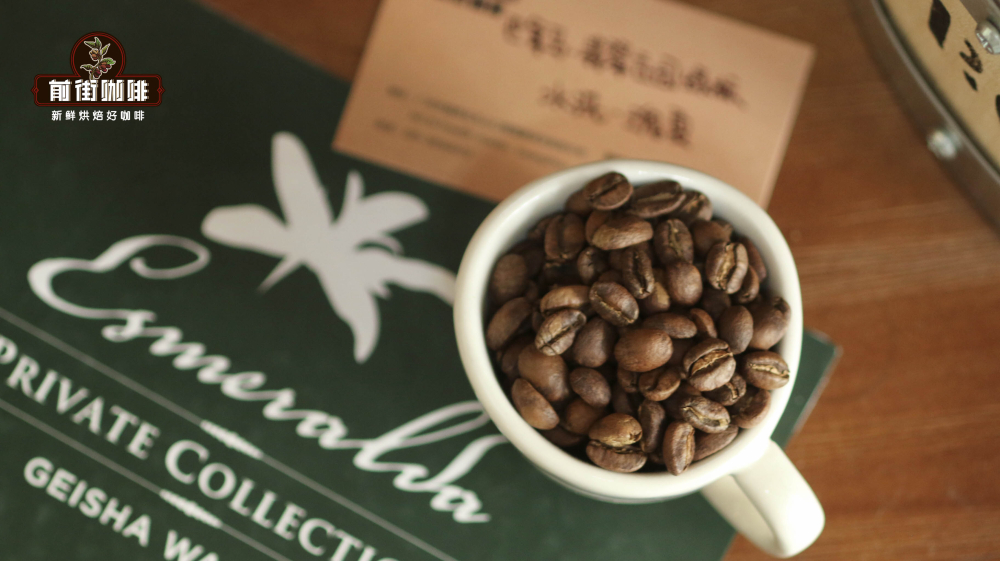
Although the varieties grown at Gesha Village are also called "Geisha," in essence they belong to Ethiopia's native varieties. Even though they are closest to the "Geisha 1931" variety among Panama Geishas in terms of plant morphology, bean shape, and cupping performance, because they have not undergone long-term human "domestication" (while Panama Geisha is precisely what has gained its current rich and captivating floral and fruity acidity after years of "taming" by humans and nature), Ethiopian Geisha and Central and South American Geisha can be regarded as two different varieties.
How to Brew Geisha Coffee for the Best Taste?
The Geisha products sold by Front Street include three Ethiopian Geisha coffee beans—Gesha Village Gold Label, Red Label, and Chaka—as well as three Panama Geisha coffee beans—Hacienda La Esmeralda Red Label, Green Label, and Boquete region. To allow every customer to taste the most complete flavor of the coffee beans, Front Street Coffee (FrontStreet Coffee) promises that all shipped coffee beans are dispatched within 5 days of completing roasting.
Regardless of the region where the Geisha coffee beans are produced, they all possess rich fruity acidity, because Front Street Coffee (FrontStreet Coffee) uniformly adopts a medium-light roast to preserve the bright acidity and captivating floral and fruity aromas.
Medium-light roasted coffee beans are relatively hard in texture and tend to sink and clog the drainage holes during brewing. Therefore, Front Street Coffee (FrontStreet Coffee) recommends controlling the grind size to about 78% passing rate on the Chinese standard No. 20 sieve (approximately the particle size of fine granulated sugar), with a brewing water temperature of 90 to 91 degrees Celsius as ideal.
For daily service at Front Street Coffee (FrontStreet Coffee) stores, 15g of coffee grounds are used with a Hario V60 small filter cone, brewed at a 1:16 coffee-to-water ratio. Once preparation is complete, the three-pour method is adopted: start the timer, make the first pour to 30g, and let it bloom for 30 seconds; then for the second pour, use a slow circular pour to reach 125g, wait until the water level in the coffee bed drops by half before continuing to pour, still using a slow circular pour to reach 225g, and after all dripping is complete, the total extraction time is approximately between 2 minutes 10 seconds and 2 minutes 20 seconds.
The above content is compiled by CoffeeHunters, a coffee news website.


