







For more coffee origin information and coffee knowledge, please followCoffeeHuntersToutiao account
Some people's first cup of espresso is a rich and refreshing Americano, some are drawn in by beautiful latte art, and others fall in love with velvety, smooth milk coffee... All of these rely on an ideally extracted espresso. A friend wanted to replicate the same deliciousness at home, so they asked Front Street how to dial it in. In this article, Front Street will discuss how to adjust espresso extraction parameters.
What is the optimal extraction?
No matter which brewing method is used, the goal is to release the positive flavor compounds from the coffee through water, resulting in a delicious cup. About 30% of the compounds in coffee beans are soluble in water, such as fruit acids, caffeine, oils, and carbohydrates. Of these, only about 20% are positive-tasting aromatic small molecules that are extracted first; the remaining large molecules that carry woody and bitter notes require longer to be extracted.
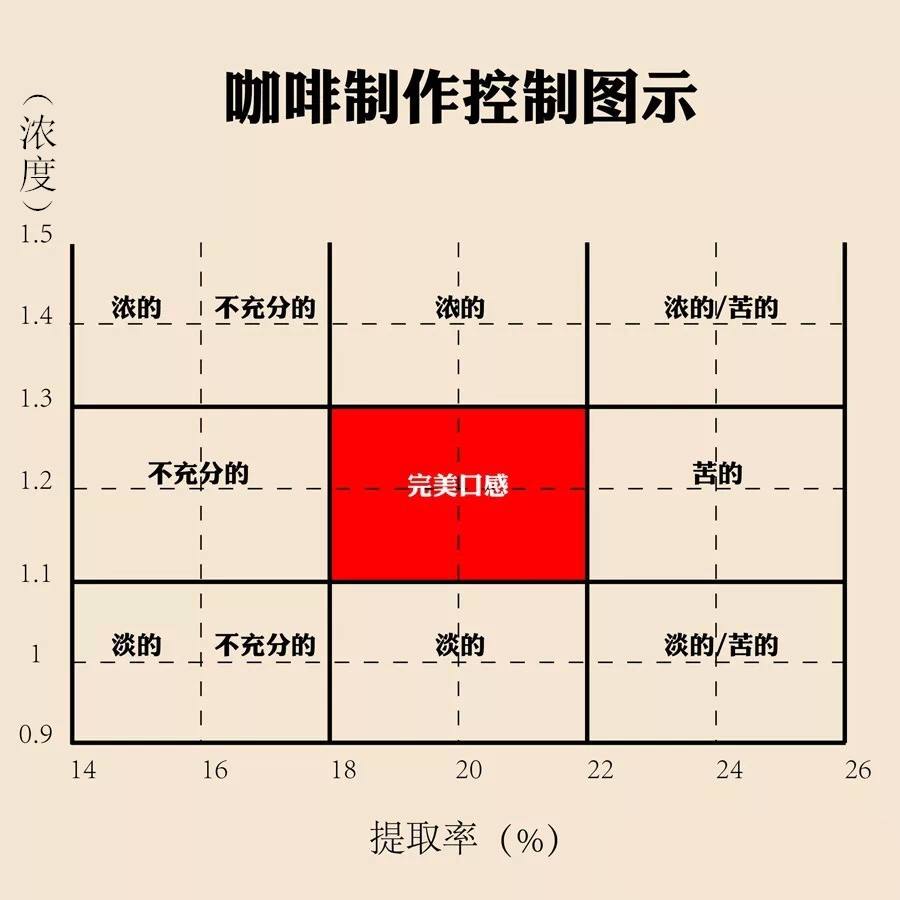
To get a great-tasting cup of coffee, you need to strive for the positive flavors while minimizing negative ones. There are several widely recognized standards for this balance, known as the Golden Cup standard. Of course, when extracting espresso at home, we rarely use professional equipment like refractometers, but to extract a good cup with moderate concentration and extraction yield, you need to master a few key factors that affect extraction.

What parameters do you need to know for espresso extraction?
Many factors influence the flavor from a coffee bean to a cup of coffee, including grind size, boiler pressure of the espresso machine, water temperature, distribution and tamping force, dose, extraction time, yield weight, and other factors and details. Typically, the machine's pressure and water temperature are preset and not easily changed. Distribution and tamping force are controlled according to the barista's habits. In daily practice, the four main factors used to adjust extraction are dose, time, yield weight, and grind size.
Grind size
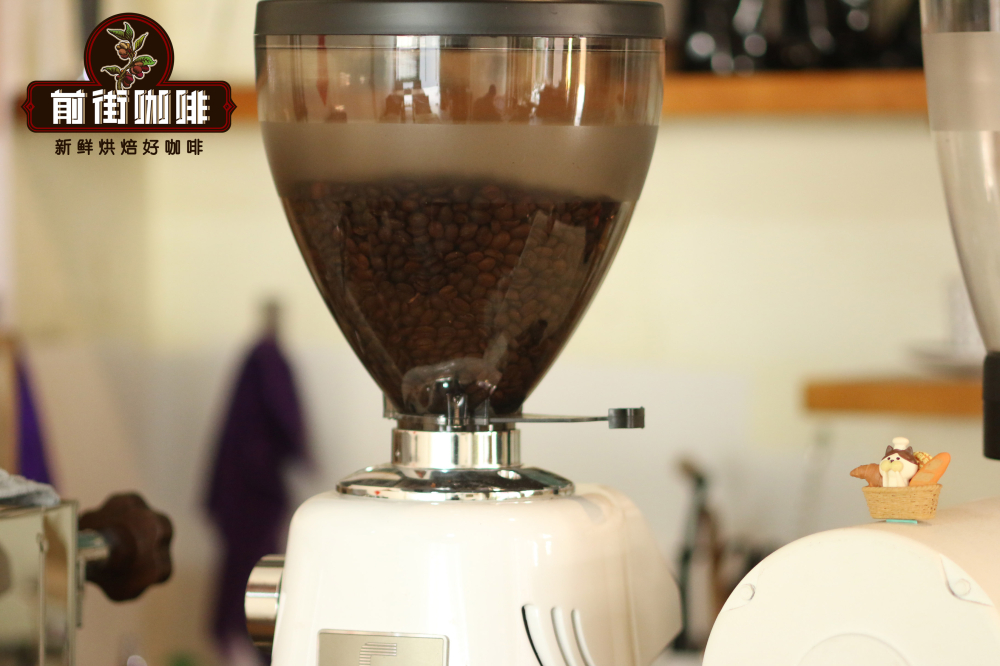
The coarseness and uniformity of the grind are the most important factors affecting flow rate variation between each shot of espresso. A difference of just 1 gram in dose can change the total flow time for extracting the same yield of espresso by several seconds. When coffee particle sizes are uneven, areas of higher density after tamping create greater resistance to water flow, making the extraction uneven. Grind size directly affects flow rate, time, and flavor changes in the cup.
Brew ratio
The ratio of dose to yield weight is what we commonly call the brew ratio, and it is a relatively intuitive extraction parameter. The dose depends on the capacity of the portafilter basket model, divided into double and single types. For example, the espresso machine at Front Street's store uses a double basket with 20 grams of coffee, and adjustments are made around this baseline (accurate to 0.1 gram). Since the brew ratio is not fixed, the yield should be determined by the coffee's flavor performance.
In the past, baristas didn't have precise scales and would directly observe the color change of the crema to determine the yield. When it first comes out, it's dark brown and quite rich; over time it gradually turns golden, then light yellow. Generally, when the crema turns pale, it's time to stop the extraction. Today's espresso extraction standards are more rigorous, with more stable data summarized, and the brew ratio has converged to a fixed reference value of 1:2. For example, Front Street's store uses 20 grams of coffee powder and extracts 40 grams of liquid.

Extraction time
Time is affected by grind, dose, and whether the coffee powder is evenly distributed, and it also affects flow rate and brew ratio. Generally, espresso extraction time is between 25 and 30 seconds. With a fixed brew ratio, a shorter extraction time means a faster flow rate and fewer dissolved coffee compounds; a longer extraction time means a slower flow rate and more dissolved coffee compounds. With the same brew ratio, changing the extraction time can only be done by adjusting the grind size and dose.
In daily extraction, to keep concentration and extraction yield within the ideal range, the variables we can adjust are usually grind size and brew ratio, combined with judging by the flavors the espresso exhibits. For example, with the same brew ratio, if the espresso shows negative flavors like burnt bitterness but the concentration is moderate, it may be that the time is still too long, extracting burnt bitter notes. The usual solution is to coarsen the grind size a bit. When the espresso tastes weak and has low concentration, it may be under-extracted, which can be addressed by increasing the dose or making the grind finer.
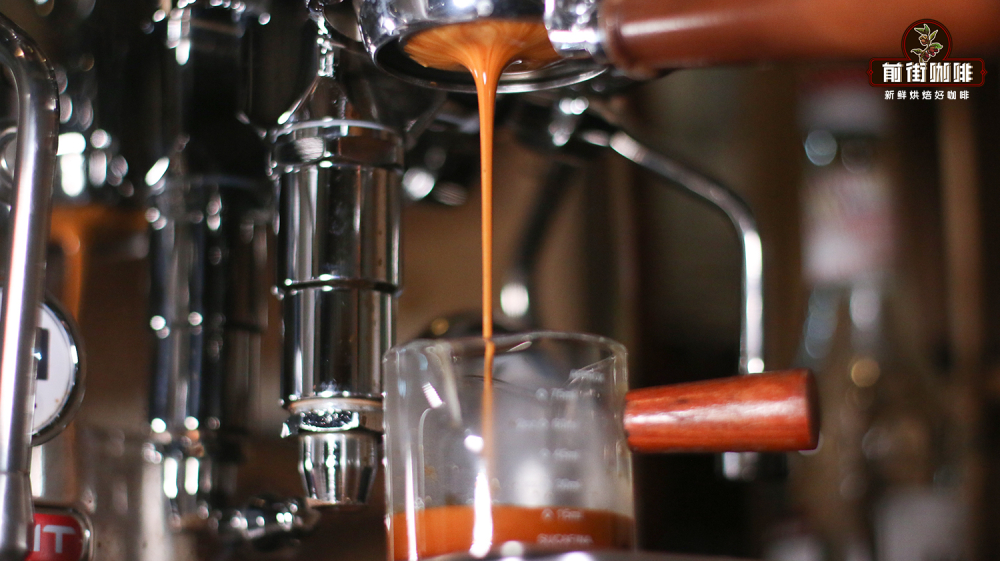
The above parameters change in response to the extraction state. We need to pay close attention to the direction of adjustments brought by extraction variables to better capture the quality flavors in the cup.
Espresso coffee bean recommendations
Since most home espresso machines are not as stable as commercial ones and produce very few shots, this places greater demands on our ability to manage parameters. Therefore, Front Street recommends using espresso blend beans with higher stability. Espresso blends combine coffee flavors from different origins and use medium-dark roasting, giving us a higher margin for error in extraction. Front Street's bean list offers four espresso blends for you to choose from, and we ensure we only ship coffee roasted within 5 days, so you receive it at its optimal flavor stage.

Classic full-bodied type — Front Street Commercial Blend Coffee Beans
Washed Robusta + washed Colombian + semi-washed Brazilian
Aimed at those who want to open a coffee shop, this dark roast recipe from Front Street produces espresso with a rich golden crema and nutty aroma. When tasting, there is a roasted coffee bitterness, but it is accompanied more by a creamy, full mouthfeel, and after swallowing, the bitterness fades away, leaving a lingering fragrance on the lips and teeth.

Slightly acidic full-bodied type — Front Street Dark Cocoa Blend Coffee Beans
Washed Yunnan Arabica + semi-washed Brazilian
This is the value-for-money representative among Front Street's espresso coffee beans. Yunnan Arabica brings a gentle acidity paired with the rich aroma of Brazilian Cerrado coffee. The espresso has notes of caramel, nuts, and a soft plum-like acidity.

Balanced rich-aroma type — Front Street Specialty Blend Coffee Beans
Washed Colombian + semi-washed Brazilian
Adding Colombian coffee to the classic Brazilian nutty profile, the espresso presents dark chocolate flavors, caramel sweetness, and a full roasted aroma.

Delicate wine-aroma type — Sunflower Warm Sun Blend Coffee Beans
Ethiopian natural Red Cherry coffee beans + Honduran Sherry barrel coffee beans. The espresso has a very rich vanilla and cream flavor on the palate, with a strong wine aroma, and the caramel aftertaste that emerges after swallowing is endlessly memorable. Whether as an Americano diluted with water or a latte with milk, it presents a rich aroma and mouthfeel.
The above content is compiled by CoffeeHunters, a coffee news website.


