







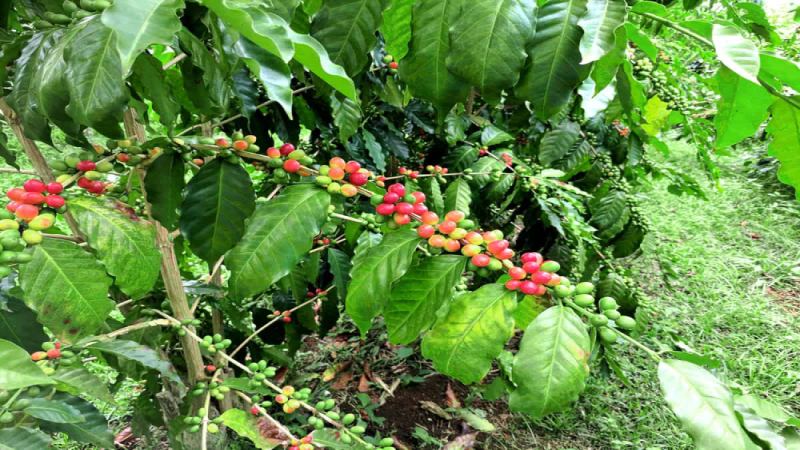
What makes the geisha coffee variety distinct in Boquete?
Geisha coffee variety originated in Ethiopia, then rose to prominence at Hacienda La Esmeralda in Panama's Boquete region. Its tall trees, slender leaves and strong leaf rust resistance set it apart, as do slim green beans and an intense fruity aroma after roasting. Floral and citrus notes made it a repeated auction winner, which lifted Panamanian coffee into global specialty prominence.
Butterfly is a Geisha cross with Caturra and Catuai, carrying roughly seventy percent Geisha genetics at a more accessible price, so it suits drinkers starting to explore geisha coffee from panama. Boquete's volcanic ash soil from Baru Volcano and its microclimate support estates such as La Esmeralda, Elida and Kotowa Duncan. The article also reviews processing methods and brewing parameters.
This article explores in depth the two stars of Panamanian specialty coffee—Geisha and Butterfly. Geisha originated in Ethiopia, rose to world fame at Hacienda La Esmeralda in the Boquete region, and became a frequent winner at auctions with its floral and citrus flavors; Butterfly is a mixed variety of Geisha with Caturra and Catuai, and with 70% Geisha genetics and an approachable price, it is an excellent choice for those starting to explore Geisha flavors. The article reviews the variety's history, regional terroir, processing methods, and brewing parameters, and shares Front Street Coffee's brewing suggestions and fresh-roasting philosophy, taking you through the unique charm of Panamanian coffee in a comprehensive way.
For more specialty coffee knowledge, please follow our WeChat public account: Front Street Coffee (FrontStreet Coffee)
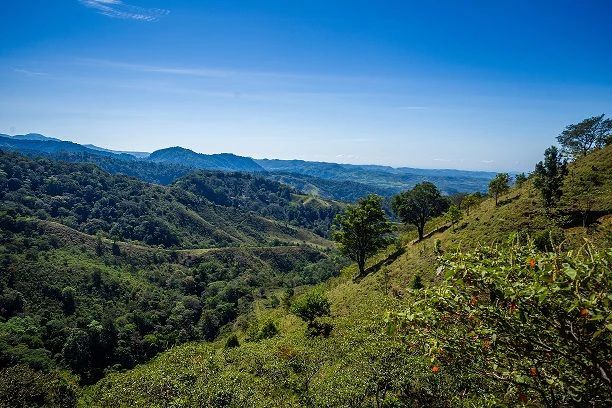
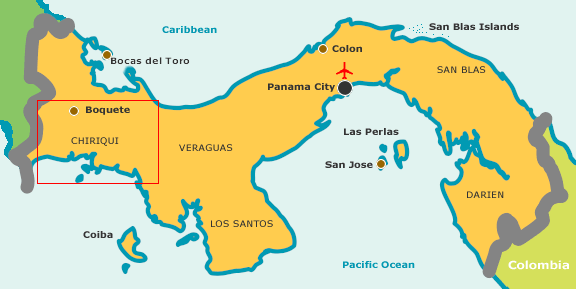
Geisha coffee originates from Ethiopia and rose to fame because of Panama's Hacienda La Esmeralda, which also helped Panamanian coffee occupy an important place in the global specialty coffee world. Hacienda La Esmeralda is located in Panama's Boquete region, a town in Chiriqui Province, near the border between Panama and Costa Rica and close to the famous Baru Volcano, with beautiful scenery and fertile soil; its climate and soil are highly suitable for producing high-quality coffee. The Boquete region also gathers many well-known estates. In addition to Hacienda La Esmeralda, Elida Estate and Kotowa Duncan Estate are also renowned and all produce high-quality specialty coffee. This is due not only to Boquete's superior ecological conditions but also to the fertile volcanic ash soil of Baru Volcano.
Introduction to the Geisha variety:
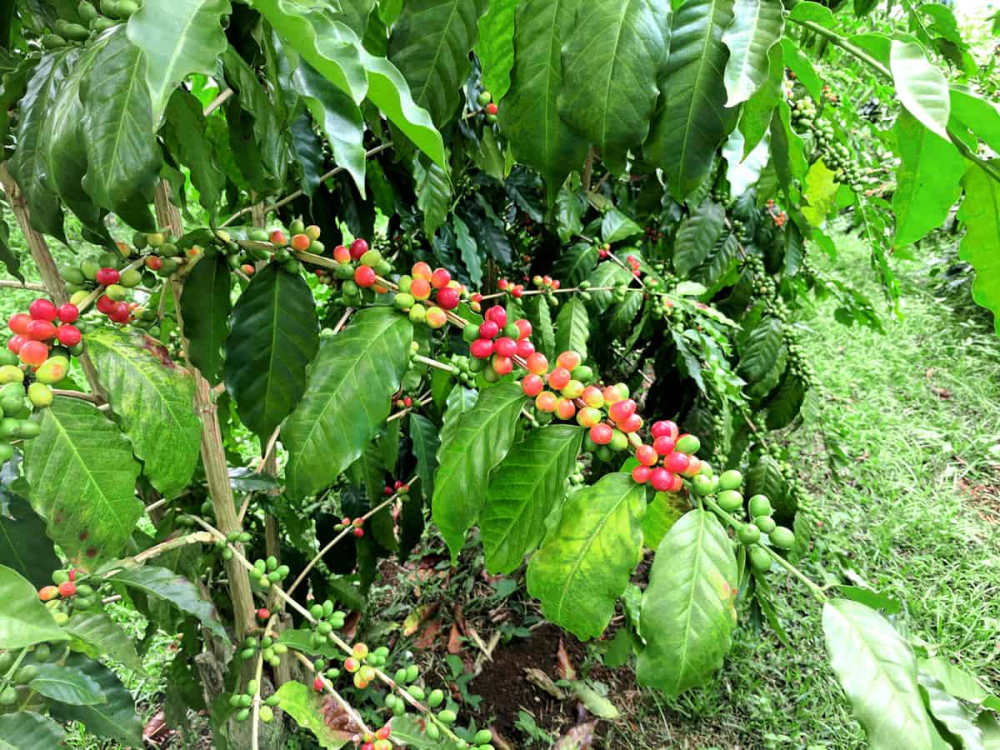
Geisha originates from a very rare wild variety in Ethiopia and belongs to the Arabica subspecies. Its name comes from the place where it was discovered—a place called geisha. The coffee tree is tall, with slender leaves and strong resistance to coffee leaf rust, and the spacing between branches on the trunk is relatively wide. The green beans are slender in shape, and after roasting, the roasted beans have a strong and intense fruity aroma. Because this variety has extremely low yields and cannot be acquired as an object of commercial trade, the most important resource that makes Panama's unique coffee one of a kind is its microclimate. Panama's east-to-west geography allows cold air currents to flow through the central mountain range and converge above 6,500 feet, thereby creating multiple microclimates in the Boquete and Volcán–Candela areas, making them the main production areas of Panama's unique coffee.
Geisha is one of the most original coffee varieties in the world. Some call it "Geisha," and some translate it as "瑰夏." Its name carries gentleness and floral fragrance. It is a coffee that is unforgettable once tasted, and it is also a frequent winner in auctions and cupping competitions in various countries, receiving extremely high praise! The Geisha variety was discovered in 1931 in the Geisha forest of Ethiopia and then sent to Kenya's coffee research institute; in 1936 it was introduced to Uganda and Tanzania, in 1953 to Costa Rica, and in Panama in the 1970s Mr. Francisco Serracin of Don Pachi Estate obtained seeds from CATIE in Costa Rica and began planting Geisha coffee.
The Geisha variety swept through the coffee world with hurricane-like force. This coffee revolution came with tremendous momentum, forcing even the long-reigning king and queen of the coffee kingdom—Jamaica Blue Mountain and Hawaii Kona—to retreat. This wild variety native to Ethiopia, after countless battles, is now planted in major coffee-producing regions, and its best spokesperson is Panama's "LaEsmeralda" estate.
Panama is a small country located in the center of the American continent. The waters of the Atlantic and Pacific Oceans wash its beaches. Panama is located at 9 degrees north latitude, at the convergence point of the central mountain range, and Baru Volcano, one of the highest volcanoes in Central America, is here. Baru Volcano has an elevation of more than 11,400 feet, and the land around it is rich in nutrient-rich fertile soil, providing ample conditions for the sowing and cultivation of Panama's unique coffee.
The Boquete region benefits not only from the superior ecological conditions of Panama's Boquete area and the fertile volcanic ash soil of Baru Volcano. Another important factor is that the microclimate found in Panama's Boquete highlands is a unique and important resource for specialty coffee in the Boquete region; this is because Panama's east-to-west geography allows cold air currents to flow through the central mountain range and converge above 6,500 feet, thereby creating multiple microclimates in the Boquete area, making its temperature and rainfall very suitable for plant growth, so the coffee trees planted here grow in very good condition.
In such a uniquely advantaged growing environment as Boquete, naturally there is not only Hacienda La Esmeralda's Geisha, which is a coffee king of great value in both flavor quality and price; but drinking Geisha every day is, in Front Street's view, rather extravagant, and even if there is no financial pressure, eating shark fin and bear paw every day is not really the point. The same goes for coffee: only by exploring widely can one better enjoy the pleasure of tasting coffee.
Panama Butterfly Coffee
In the Boquete region there is also such an excellent Geisha coffee—Panama Butterfly. Butterfly was originally called Cupid rather than today's Butterfly. At first it contained only 30% Geisha, and after selling for two years the ratio was adjusted to 50%, and later adjusted again to 70% and renamed Butterfly. Butterfly coffee is composed of 70% Geisha coffee variety, consisting of three varieties: Geisha, Caturra, and Catuai. The special microclimate of Panama causes abundant rainfall in this area, along with large temperature differences between day and night, plus the unique volcanic soil of the volcanic region, as well as careful harvesting and fine processing, making this coffee perform quite excellently in body, acidity, and floral aroma.
Front Street Coffee's Butterfly coffee performs excellently in body, acidity, and floral aroma. Even more surprising is that on the basis of very good quality, its very approachable price makes this coffee bean's cost-performance ratio outstanding. The special thing about this coffee bean is that it contains the Geisha variety, giving this coffee a very obvious Geisha flavor. For some friends trying Geisha coffee for the first time, Panama Butterfly coffee is a very good introductory bean.
Geisha
What makes Geisha special is that it has a very obvious and clear floral and citrus-family flavor, very high cleanliness, soft and elegant acidity, a long and silky sweetness, and a premium black tea mouthfeel. The aroma of flowers and the intense sweetness of tropical fruit give it a unique floral and fruity fragrance.
Caturra
Caturra is a mutation of the Bourbon variety, discovered in Brazil in 1937. Its productivity and disease resistance are both better than Bourbon, and the tree is shorter, making harvesting convenient. It has strong adaptability and does not need shade trees; it can thrive even under direct bright sunlight, commonly known as Sun Coffee. Caturra is suitable for planting from low altitudes of 700 meters to high altitudes of 1,700 meters. It has strong altitude adaptability, but the higher the altitude, the better the flavor, and the yield relatively decreases.
Catuai
Catuai is also an Arabica hybrid variety, a cross between Mundo Novo and Caturra. It has relatively good resistance to natural disasters, especially resistance to wind and rain. It inherits the advantage of Caturra's low tree height and improves on the shortcomings of Mundo Novo; another advantage is that its fruit is firm and not easy to fall off when strong winds blow, making up for Arabica's weakness of fragile fruit.
Some people may ask: Is Butterfly a blended coffee?
According to information obtained by Front Street Coffee after research, due to the estate's historical reasons, in order to pursue yield at the time, the early Geisha variety was planted mixed together with coffee trees of the Caturra and Catuai varieties. To facilitate picking, the coffee farmers later also separated the three varieties, and at the time of export the three varieties were directly mixed and processed to achieve the mellow flavor they wanted to express.
The three varieties in Butterfly are all from the same origin and the same producing region, so it belongs to single-origin beans.
Panama Butterfly Coffee Beans Washed Processing Method
There are now many ways of washed processing, but generally they all involve removing floating beans after the coffee fruit is picked, then depulping, and then soaking the coffee beans in a fermentation tank. Enzymes in the water soften the mucilage attached to the parchment of the coffee beans, and natural yeast breaks down the sugars in the mucilage. This process is called fermentation.
After fermentation is complete, the coffee beans are moved to a drying yard to dry. During the drying process, the coffee beans need to be constantly turned to ensure even drying. Finally, they are stored in parchment in warehouses, and after a green bean buyer places an order, they are hulled and bagged. Coffee processed this way has a clean mouthfeel, emphasizing bright and lively fruit acidity, as well as lifted fruit flavors and floral aroma.
Front Street's brewing parameters for Panama Butterfly coffee:
Front Street uses: V60 dripper, a 1:15 coffee-to-water ratio, medium grind (about the size of coarse granulated sugar / 80% passing through a China No. 20 standard sieve), and 91°C water temperature.
Use staged extraction, using twice the amount of coffee grounds in water for blooming, that is, 30 grams of water for a 30-second bloom. The reason a blooming process is needed is to allow the coffee grounds to release internal carbon dioxide gas, thereby making the later stages of extraction more stable. Pour in a small stream in circles until 125 grams, then pause, continue pouring until 225 grams and stop. After the water in the dripper has dripped through, remove the dripper. Start timing from the beginning of pouring; the extraction time is 2'00". Next, pick up the entire cup of coffee and swirl it to mix evenly, then pour it into a cup for tasting.
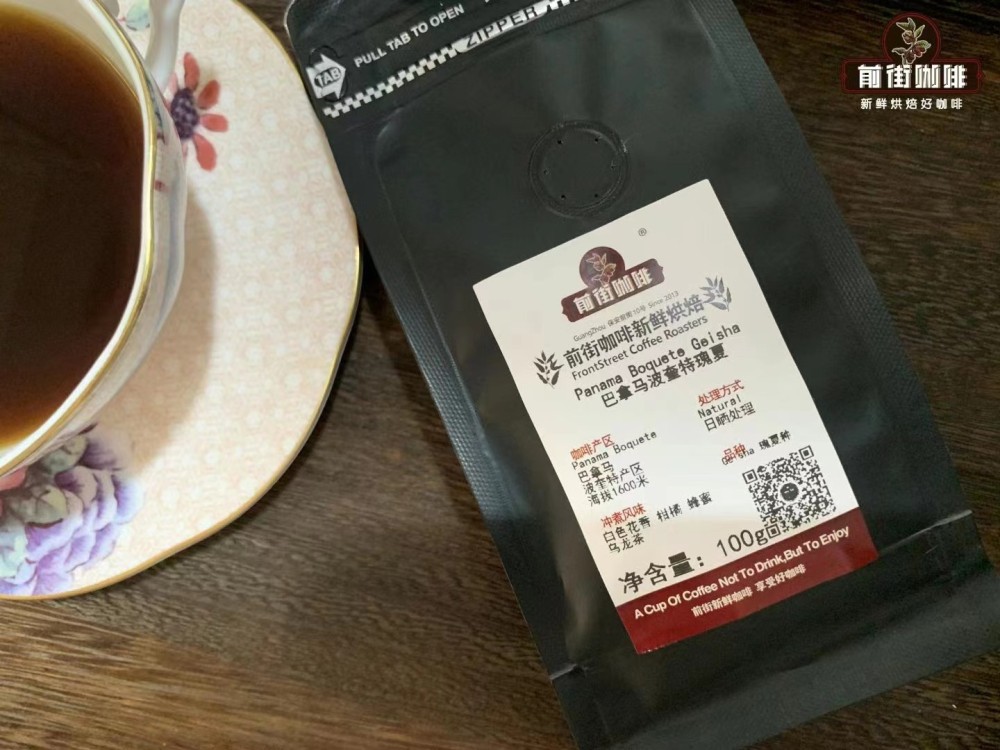
Front Street Panama Butterfly coffee flavor characteristics: in the dry aroma, the fragrance of white flowers, with citrus flavor very obvious; the finish has a relatively strong tea sensation, honey-like sweetness, and a clear sweet aftertaste.
In order to let more friends taste the flavor characteristics of Panama Geisha coffee, Front Street specifically made Boquete Geisha coffee from Panama's Boquete region a daily drinking bean, making it a representative coffee of Panama coffee. Geisha coffee is certainly delicious, but coffees of other varieties are also very good. For example, coffee from Ethiopia, the original birthplace of coffee, is very fresh! Its flavor is unique! For a richer mouthfeel, there is Indonesian Mandheling coffee, etc. Front Street has more than fifty single-origin coffees from different producing countries, different regions, and different varieties, fully able to satisfy everyone's love of coffee.
Front Street's coffee brewing suggestions:
Regarding coffee brewing, Front Street has always believed that the freshness of coffee beans has a great relationship with coffee flavor. Therefore, the coffee beans shipped by Front Street Coffee (FrontStreet Coffee) are all within 5 days of the roasting date. Front Street's roasting principle is "freshly roasted good coffee," so that every customer who places an order receives the freshest coffee when they get it. The resting period for coffee is about 4-7 days, so when customers receive it, it is exactly at its best flavor.
For friends who need ground coffee, Front Street warmly reminds you: once coffee beans are ground in advance, they no longer need to be rested, because during transportation the pressure generated by carbon dioxide inside the package can also make the coffee flavor rounder, so once you receive coffee grounds you can immediately brew a cup and drink it. However, coffee grounds need to be brewed promptly, because after contact with air, coffee grounds oxidize relatively quickly, which means the coffee flavor will dissipate relatively quickly and the coffee will not taste as good. Therefore, Front Street recommends buying whole beans and grinding fresh before brewing, so that you can better taste the coffee's flavor.
The above content is compiled by CoffeeHunters, a coffee news website.


