







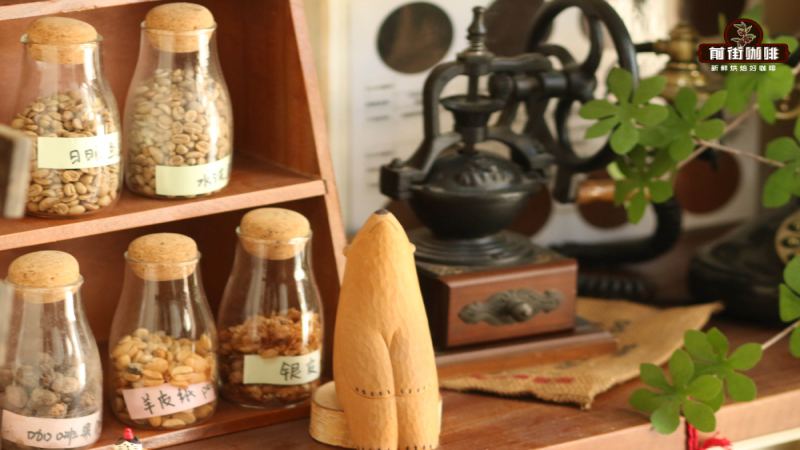
Ethiopia is the birthplace of Arabica coffee, and its unique terroir nurtures specialty coffees of strikingly different styles. From the rich berry-and-cream profile of Sidamo to the delicate, bright white florals and citrus acidity of Yirgacheffe, different regions and processing methods yield cup profiles that each have their own merits. This article systematically reviews the flavor characteristics and historical evolution of Ethiopia's two representative regions, analyzes the impact of washed and natural processing on taste, and highlights the Gedeb cooperative washed Yirgacheffe and Red Cherry natural Yirgacheffe from Front Street Coffee's everyday drinking series, along with V60 brewing parameters and extraction time recommendations, to help coffee lovers build a clear framework for understanding Ethiopian coffee flavors.
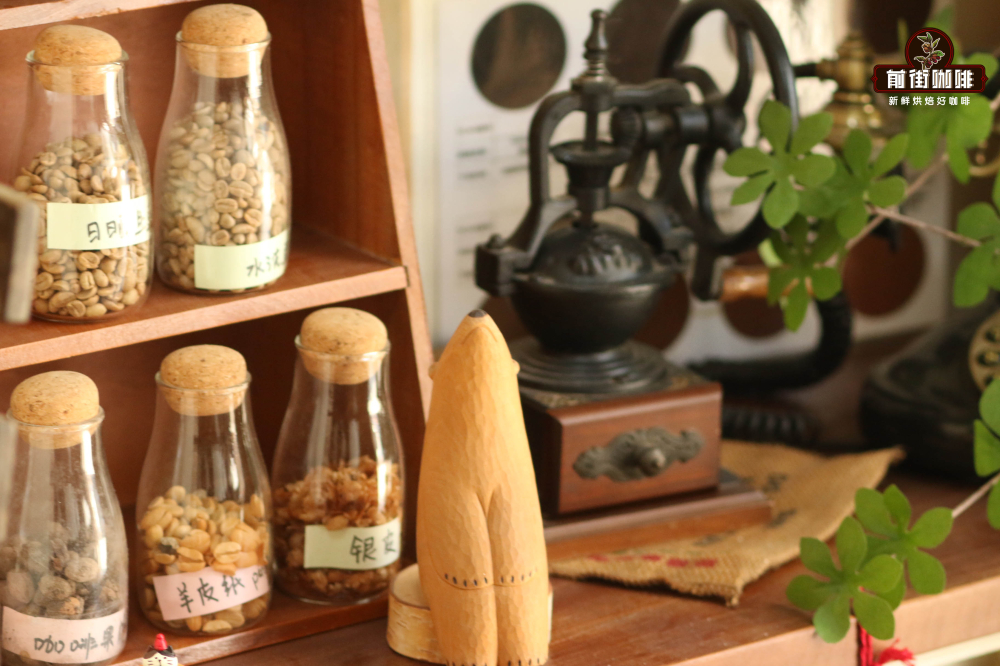
As coffee gradually transformed from a byword for expensive into an everyday drink that everyone can afford, people's expectations of it have risen accordingly, and they have begun to seek more refined taste experiences. In the past, the standard for judging a top-tier coffee often revolved around bittersweetness and body; now, however, the evaluation system of the specialty coffee world has completely overturned this old notion. Authentic Blue Mountain coffee is certainly costly, but beans with elegant acidity and distinct layers also make seasoned coffee connoisseurs willingly open their wallets.
Ethiopia is the birthplace of the Arabica species and has always occupied an irreplaceable position on the global coffee map. Many friends who are just getting into pour-over coffee may initially have been used to ordering a latte at a café, until they were introduced to it by connoisseurs around them and tried an Ethiopian pour-over—that acidity interwoven with citrus and berries instantly wins over taste buds that are still exploring.
The concept of "terroir" can be traced back to the Cîteaux Abbey in Burgundy, France. Through repeated practice, the monks discovered a rule about flavor: even for the same grape variety, planted on different plots, the resulting wine will show completely different personalities. This principle is not limited to the world of wine; it holds true in the coffee world as well.
Growing conditions vary significantly across Ethiopia, so the coffees produced there possess unique flavors that other regions find hard to replicate. The country contains multiple coffee-producing regions, each with its own distinctive climate and soil, which allows Ethiopian coffee, on the common foundation of bright acidity, to develop strikingly different regional signatures.
When browsing the menu of a specialty coffee shop, the names Sidamo and Yirgacheffe are almost never absent. Front Street Coffee's bean list also regularly offers several coffees from these two regions. Many coffee lovers who are just starting out like to compare natural Sidamo with washed Yirgacheffe in tastings, in order to experience how processing shapes flavor.
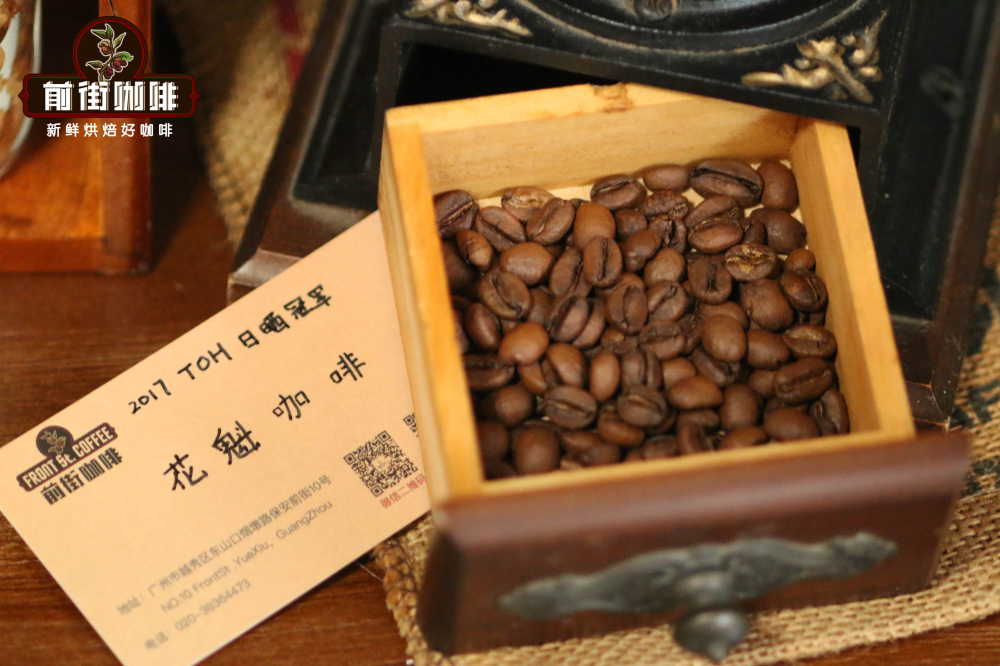
Among all natural Sidamos, one bean from the Hambela sub-region has become a hot topic in the coffee world every year since 2017. In 2017, Ethiopia's DW company submitted a batch of natural coffee beans from the Buku Abel processing station in Hambela to the TOH competition, and took first place in the Ethiopian division.
That same year, green bean merchant Hongshun introduced the same batch of green beans to the domestic market and gave it the meaningful name "Floral Queen," meaning the first among a hundred flowers. At the 2017 World Brewers Cup China competition, a contestant used this same batch of Floral Queen and ultimately won second place. After the news spread, people were surprised to find that what had defeated several Panama Geisha contestants was actually a natural bean from Ethiopia.
Through years of cupping, Front Street Coffee has compared many coffees from different regions and processing methods and concluded that natural Sidamo often carries a thick berry-and-cream flavor. However, this bold and unrestrained taste expression is not for everyone. Front Street has also met some regular customers who had been drinking natural Sidamo for a long time, and when one day they wanted a change of pace, they ultimately chose Yirgacheffe, the region adjacent to Sidamo.
The characteristics of Yirgacheffe coffee beans lie in a delicate, bright, and fresh taste. Because the flavor of Yirgacheffe coffee beans includes a unique white floral note, this region is often regarded as the holy land of Ethiopian coffee and is a favorite of many coffee lovers.
In the early years, the Yirgacheffe region, like other Ethiopian regions, used the most traditional and primitive natural method to process green beans. It was not until the 1970s that the Ethiopian government and growers introduced the washed processing method from Central and South America in order to improve green bean quality and sell at better prices.
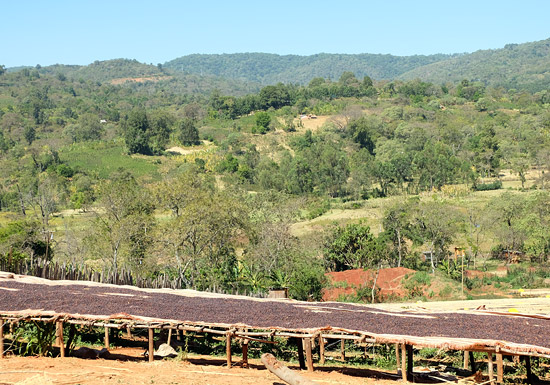
After harvest, the coffee fruit is first stripped of its skin and pulp, and the parchment beans with the mucilage layer still attached are placed in a tank, where clean water is added for a period of fermentation. Then, through stirring, the mucilage layer is thoroughly washed away by the impact of the water flow and the friction between the parchment beans, and finally the beans are spread on raised beds for sun drying.
Coffee processed in this way, because it does not involve the participation of excessive sugars from the pulp and mucilage, allows its terroir characteristics to be fully presented. The unique fresh white floral note in Yirgacheffe coffee is also fully brought out by this means.
For a time, growers throughout the Sidamo region claimed to buyers that what they were selling was Yirgacheffe coffee. Given that Yirgacheffe's flavor is indeed clearly different from Sidamo's, and also in order to clean up this confusing situation of calling a deer a horse, Yirgacheffe eventually became independent from the Sidamo region.
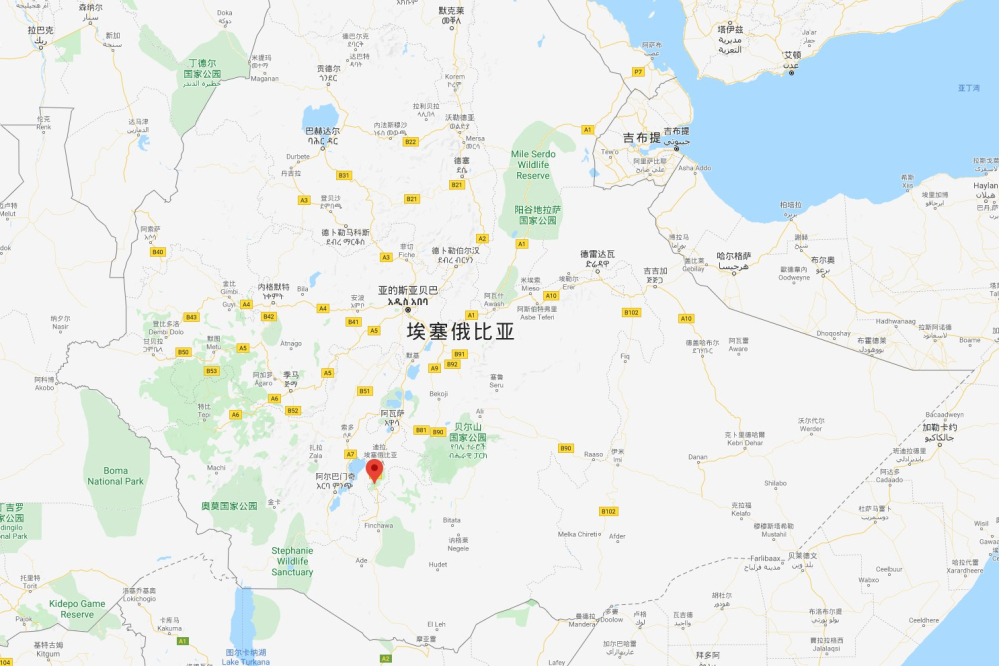
In recent years, with the continuous improvement of natural processing techniques, natural Yirgacheffe has retained its own characteristics while also gaining a certain degree of enhanced sweetness. The various processing stations in the Yirgacheffe region are highly capable, and with their superb processing craft they present their respective unique flavors to the public.
As Africa's iconic region, Yirgacheffe holds a place in Front Street Coffee's everyday drinking bean series. Front Street's everyday series covers seven iconic regions, mostly using washed processing, and helps coffee beginners quickly build an understanding of each region's characteristics at an affordable price. Front Street Coffee's everyday Yirgacheffe coffee beans display citrus acidity, jasmine fragrance, and caramel sweetness.
On Front Street Coffee's bean list, one third of the space is reserved for Ethiopian coffee beans. Among more than twenty Ethiopian beans, Yirgacheffe accounts for the highest proportion, and these beans mostly come from well-known processing stations such as Gedeb, Worka, Konga, and Kochere.
Among Front Street Coffee's many Yirgacheffe coffees, the washed Gedeb and the natural Red Cherry are the two most frequently inquired about.
Front Street Coffee: Ethiopia Yirgacheffe Gedeb
Region: Ethiopia Yirgacheffe
Cooperative: Gedeb Cooperative
Altitude: 2000–2100 meters
Variety: local heirloom varieties
Processing method: washed processing
The Gedeb Cooperative was established in 2012 and became independent from the Worka Cooperative, which shows that its processing technology is not to be underestimated. When Front Street Coffee cups Gedeb, it can sense a rich apricot flavor, with a refreshing sweetness and a finish reminiscent of green tea, making the overall cup very fresh.
Front Street Coffee: Ethiopia Yirgacheffe Red Cherry
Region: Ethiopia Yirgacheffe
Estate: Aletaland Estate
Altitude: 1700–2200 meters
Variety: local heirloom varieties
Processing method: natural processing
The Red Cherry on Front Street Coffee's bean shelf comes from the Operation Red Cherry (ORC) initiated by the Dutch green bean merchant Trabacco. The harvested coffee fruits are all fully red cherries, meaning each fruit is fully ripe and has absorbed enough nutrients, and the sugar content inside the fruit is relatively high. On this basis, the whole fruit is retained for sun drying, allowing as much sugar and aromatic substances as possible to penetrate into the green beans. This natural Yirgacheffe from Front Street offers a fairly obvious white floral note, as well as a berry-like acidity similar to natural Sidamo, while carrying a hint of fermented wine aroma and a long finish.
Friends who have tasted the brews at Front Street Coffee's shop usually compare their own brewed versions with Front Street's, curious about exactly what parameters Front Street uses to bring out the best in every coffee.
Dripper: Hario V60
Water temperature: 91°C
Coffee dose: 15 grams
Coffee-to-water ratio: 1:15
Grind size: 80% passing through a Chinese standard No. 20 sieve
The coffee beans shipped by Front Street are all freshly roasted within 5 days, and by the time they arrive they have usually gone through a 4- to 7-day resting period. Even so, the beans still retain plenty of gas, which will inhibit flavor extraction during brewing. Front Street recommends blooming during brewing to promote gas release.
First pour 30 grams of hot water and bloom for 30 seconds, then from the center point slowly pour in a thin stream in circles up to 125 grams; when the water level in the dripper drops to the point where the coffee bed is about to be exposed, continue pouring in circles up to 225 grams. The total extraction time is about 2 minutes.
Regarding extraction time, Front Street often receives this question: if there is still a lot of water in the dripper after 2 minutes, should the brew be cut off? Front Street does not recommend cutting it off. During the entire extraction process, the early and middle stages can extract a large amount of acidic and sweet substances, while the later stage extracts more of the heavier flavor substances, such as tea-like notes, nuts, and woody notes. If the brew is cut off, the rich substances from the later stage, such as tea-like notes, will be missing, resulting in an incomplete coffee flavor.
Of course, everyone's preferences differ. Some prefer fruity sweetness and acidity, while others like a heavy tea-like note. You can use the brewing parameters provided by Front Street Coffee as a baseline and make adjustments according to personal preference.
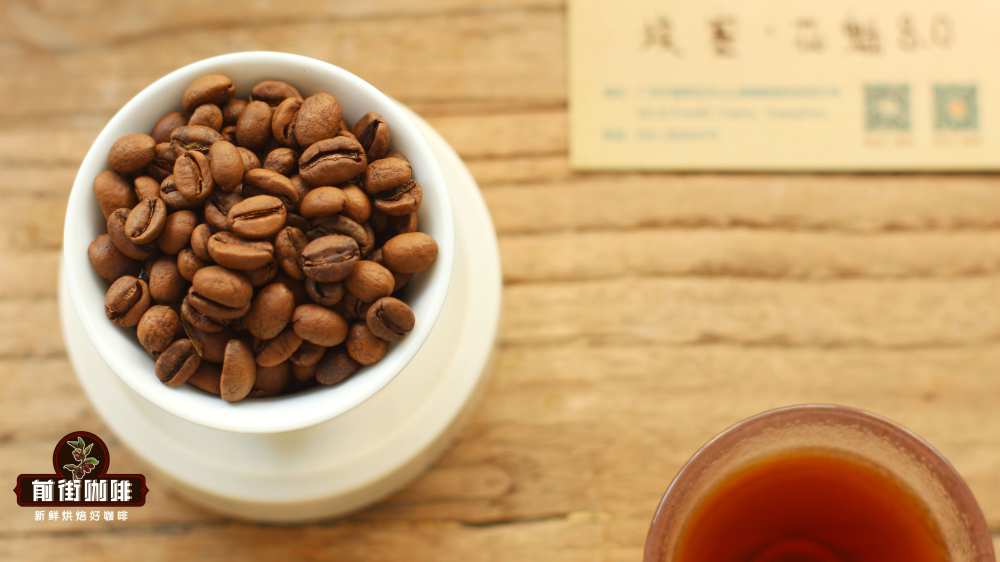
Different regions present different coffee flavors. Because Ethiopia has varied growing soils, climatic conditions, and processing methods, the refined flavors it displays also differ greatly. Even among Ethiopian beans, Sidamo coffee is wild while Yirgacheffe coffee is elegant; and even within the same Yirgacheffe region, naturally processed coffee is sweeter and more aromatic, while washed coffee is fresher. Ethiopia is like a paradise for coffee lovers.
For professional coffee knowledge exchange and more coffee bean information, please follow Coffee Workshop (WeChat public account: cafe_style)
For more specialty coffee beans, please add the private WeChat of Front Street Coffee, WeChat ID: qjcoffeex
The above content is compiled by CoffeeHunters, a coffee news website.


