







How do you brew Geisha coffee beans for SOE espresso?
Geisha coffee beans need different settings depending on the brew method. For pour-over with a V60, use 91-92C water, 15g of coffee, a 1:15 ratio and a grind about the size of fine granulated sugar. A three-stage pour of 30g bloom for 30 seconds, then 95g, then 100g keeps extraction even and protects the floral and fruity notes.
Medium-light roasts suit pour-over, French press, cold brew and siphon, while a medium roast is built for espresso machines and moka pots. As SOE espresso, the same beans are pulled as a single-origin shot, so grind, dose and yield have to be dialed in separately from the filter recipe to keep the berry and mango character intact.
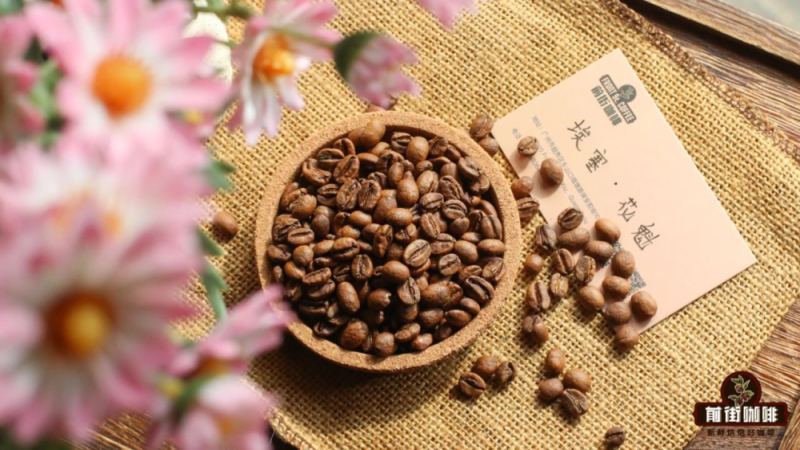
Front Street Huakui coffee beans have been widely favored by coffee lovers since their launch. Its full name is Ethiopia Guji Hambela Buku Abel, and the Chinese name was given by a domestic green bean merchant, intended to challenge the status of Geisha. This bean is available in two forms: medium-light roast and medium roast. The former is suitable for pour-over, French press, cold brew, and other methods, while the latter is designed specifically for espresso machines, moka pots, and the like. This article will provide a detailed analysis of the complete extraction parameters, operating steps, and flavor performance of Front Street Huakui in both pour-over and SOE scenarios, helping you choose the appropriate brewing method according to your personal taste preferences and fully bring out this bean's floral and fruity character.
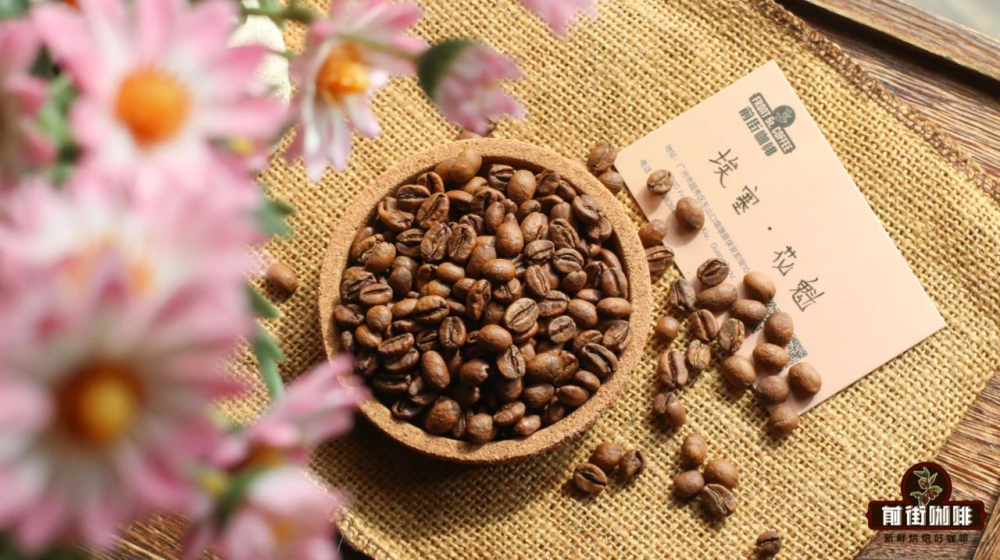
Front Street Huakui coffee beans have been loved by customers since they were listed. The full English name of this bean is Ethiopia Guji Hambela Buku Abel, which literally translates as Hambela. After domestic green bean traders introduced it, they named it Huakui, with the intention of competing with the renowned Geisha.
Front Street Huakui coffee beans use a medium-light roast and are suitable for pour-over, drip bags, French press, cold brew, siphon, and many other brewing methods. When brewed as pour-over, it can display elegant pink floral aromas, with a clear berry, passion fruit, and mango-like juicy texture on the palate, a pleasantly balanced acidity and sweetness, and a black tea note in the finish, making it deeply loved by those who prefer floral and fruity acidity flavors.
Front Street Huakui Pour-Over Coffee Parameters
Dripper: V60 Water temperature: 91-92℃ Coffee dose: 15g Coffee-to-water ratio: 1:15 Grind size: fine granulated sugar size (80% of grounds pass a No. 20 sieve)
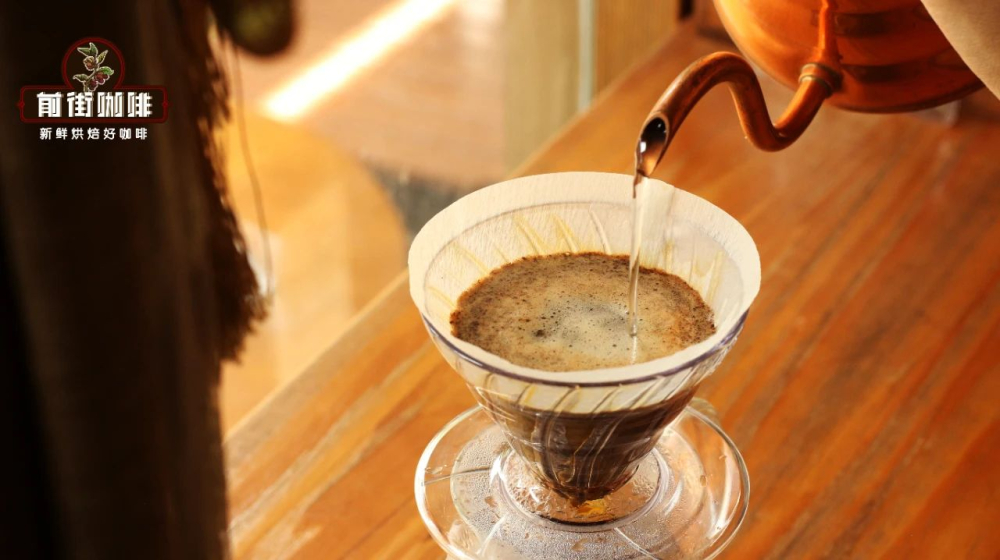
Use a three-stage extraction: in the first stage, pour 30g of water for a 30-second bloom, pouring in even circles so the coffee bed forms a dome; in the second stage, pour 95g of hot water, and when the coffee bed drops to halfway, begin pouring the third stage of 100g until all the coffee liquid has finished dripping. When pouring, start from the center point and maintain a small stream and gentle force in circles throughout to prevent uneven extraction. After dripping is complete, first gently swirl the coffee liquid in the cup to even it out, then you can begin to experience its flavor changes starting from the high-temperature stage.
The medium-roast Front Street Huakui SOE coffee beans are suitable for espresso machines, moka pots, and American drip coffee makers. When using it to make Huakui SOE, the crema performance is moderate, giving off a light citrus floral aroma, with berry, guava, and dried mango flavors on the palate. Huakui SOE americano is pleasantly sweet and tart, while Huakui SOE latte is silky and fragrant, making it a good choice for friends who cannot tolerate bitterness well.
Front Street SOE Huakui Espresso Extraction Parameters
Coffee beans: Front Street. Ethiopia new-season Huakui
Coffee dose: 20g
Espresso yield: 40g
Dose-to-yield ratio: 1:2
Extraction time: 26-32 seconds
Grind setting: Galileo 2.0
The coffee machine used by Front Street has a double-shot basket capacity, so 20 grams of coffee powder must be dosed each time, extracted at a 1:2 dose-to-yield ratio, that is, obtaining 40 grams of espresso within a reasonable time. The extraction duration is related to the flow rate of the coffee powder, and a single extraction is usually controlled within the range of 20 to 35 seconds.
Before extraction, first wipe the portafilter basket clean, start the grinder to grind a double dose of coffee powder, place it on an electronic scale and adjust until it reaches 20 grams. Then use a distribution tool to level the surface of the grounds, and then use a tamper to apply force vertically downward to compact the coffee puck, so as to ensure a more stable extraction process.
Next, turn on the extraction switch and let water run for 1 to 2 seconds, which wets the group head and also rinses away any attached coffee grounds. Place an electronic scale under the cup that will receive the Espresso and tare it to zero, then place it together under the group head during extraction.
Gently lock the portafilter onto the group head and flip down the extraction switch. Pay attention to the changes in the state of the extracted liquid; when the electronic scale shows that the espresso has reached 40 grams, the time is about 30 seconds.
For the extracted Huakui SOE, add ice water or warm water at a 1:4 ratio to make a refreshing SOE Huakui americano; or add steamed fresh milk at a 1:6 ratio to soften the texture, and you will get a delicious cup of SOE Huakui latte.
Both Huakui coffee beans above can be purchased at the Front Street Taobao store and the Front Street Tmall flagship store. Each bag of coffee beans is freshly roasted within 5 days and shipped within 24 hours after ordering, ensuring that every bag of beans delivered to customers is in the freshest condition.
The above content is compiled by CoffeeHunters, a coffee news website.


