







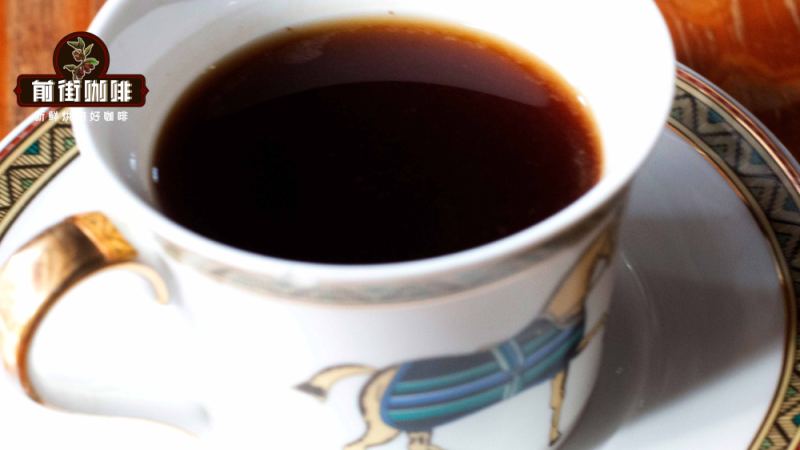
Yirgacheffe, as a representative growing region of Ethiopian specialty coffee, is world-renowned for its fresh and bright citric acidity, delicate and soft white floral notes, and a clean green tea finish. This article will take you through an in-depth understanding of the geographical background of the Yirgacheffe region, the development history of the washed processing technique, and the reasons behind the formation of its unique flavor characteristics. At the same time, we will also introduce in detail the features of the Front Street Coffee Yirgacheffe series products, and provide the complete steps for making cold brew coffee along with storage suggestions, helping coffee lovers easily make a cup of outstanding Yirgacheffe cold brew at home. Whether you are a beginner who has just started or a seasoned coffee enthusiast, you can gain practical knowledge and inspiration from it.
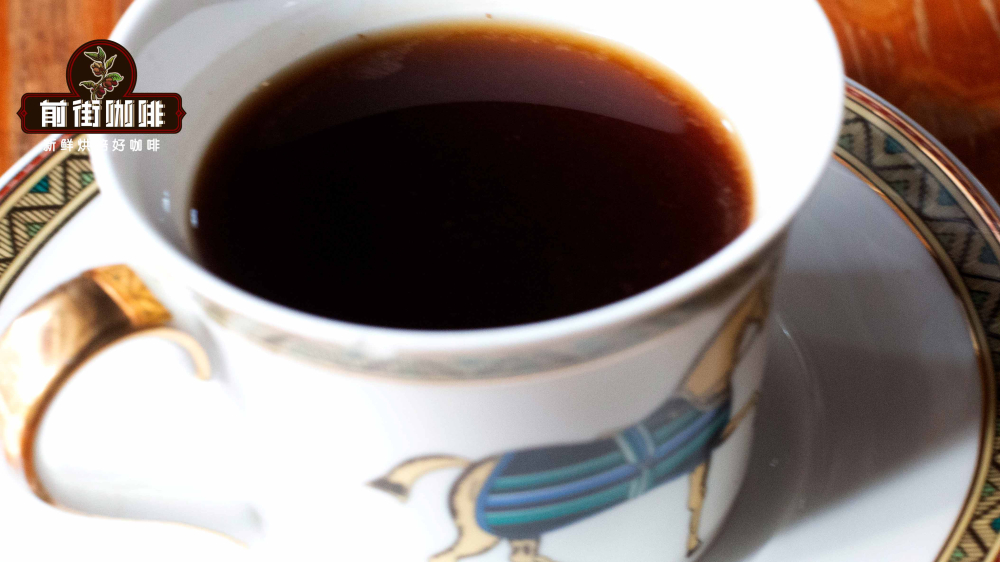
Front Street Coffee Yirgacheffe has actually had a fairly long history in the domestic market. At first, it was collectively called Mocha, and only later, as origin labeling became more detailed, it was gradually renamed Yirga. After that, this trend grew stronger and stronger, and along with the increasingly refined specialty coffee grading system, the reputation of Front Street Coffee Yirgacheffe also continued to rise. So, just how popular is it?
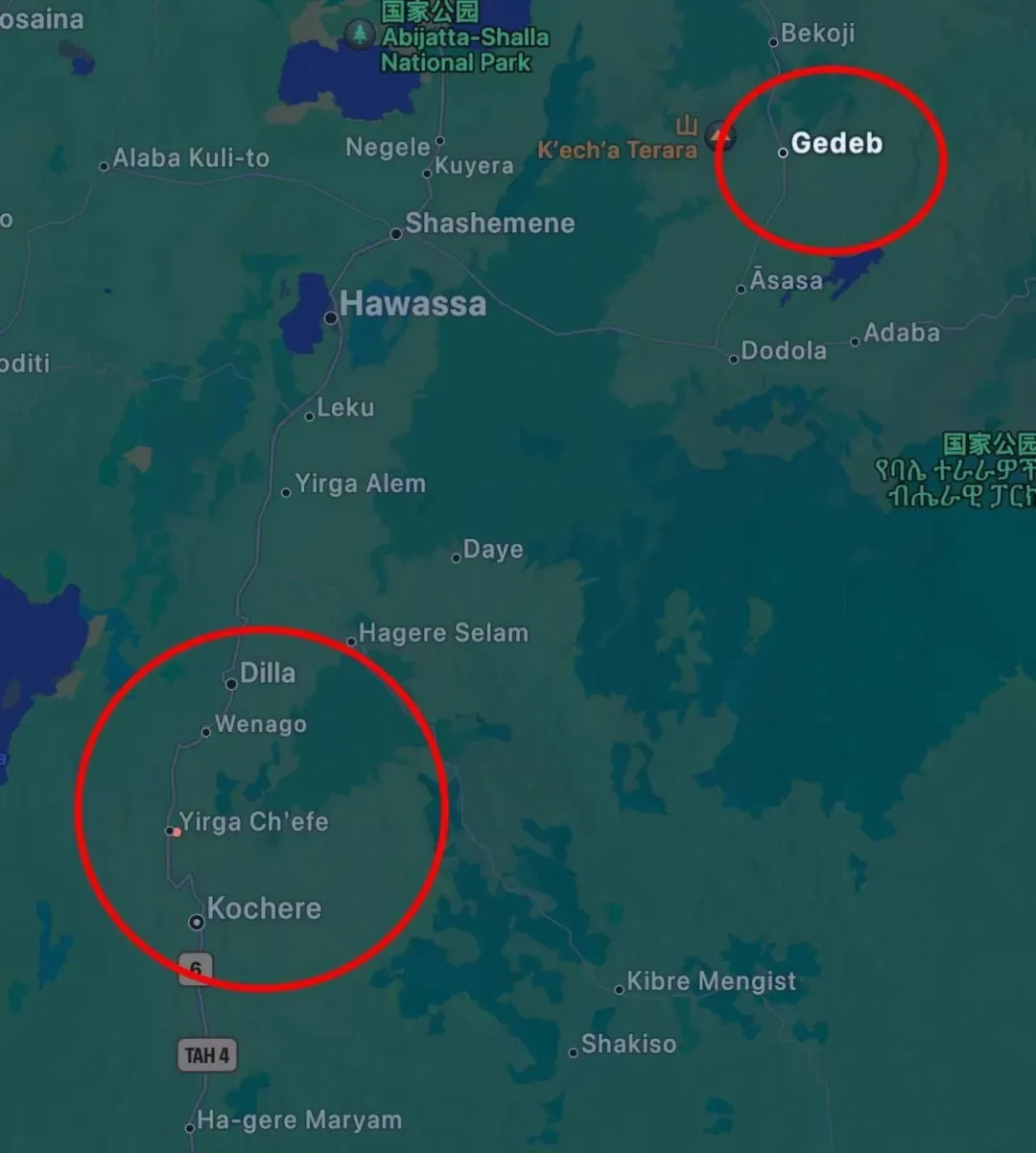
Yirgacheffe is actually a small town in Ethiopia, located between 1,700 and 2,100 meters above sea level, in the northwest direction of Sidamo Province, nestled by mountains and a lake. It is one of the highest-altitude coffee-producing regions in Ethiopia and has long been a calling card for the country's specialty coffee.
The Yirgacheffe region was originally part of the Sidamo region, considered one of its sub-regions. However, because the coffee produced here has such a unique flavor, it was separated out on its own, developed into its own style, and eventually became one of Ethiopia's long-famous coffee-producing regions.
When talking about Yirgacheffe, one cannot fail to mention the washed coffee from this region. What we often call the "Yirgacheffe flavor" is in fact mainly shaped by the washed processing method. In the early years, coffee processing in Ethiopia was mainly natural, but due to insufficient experience and extensive management at the time, the coffee was prone to deterioration during processing, with a relatively high defect rate and overall quality that was not stable enough.
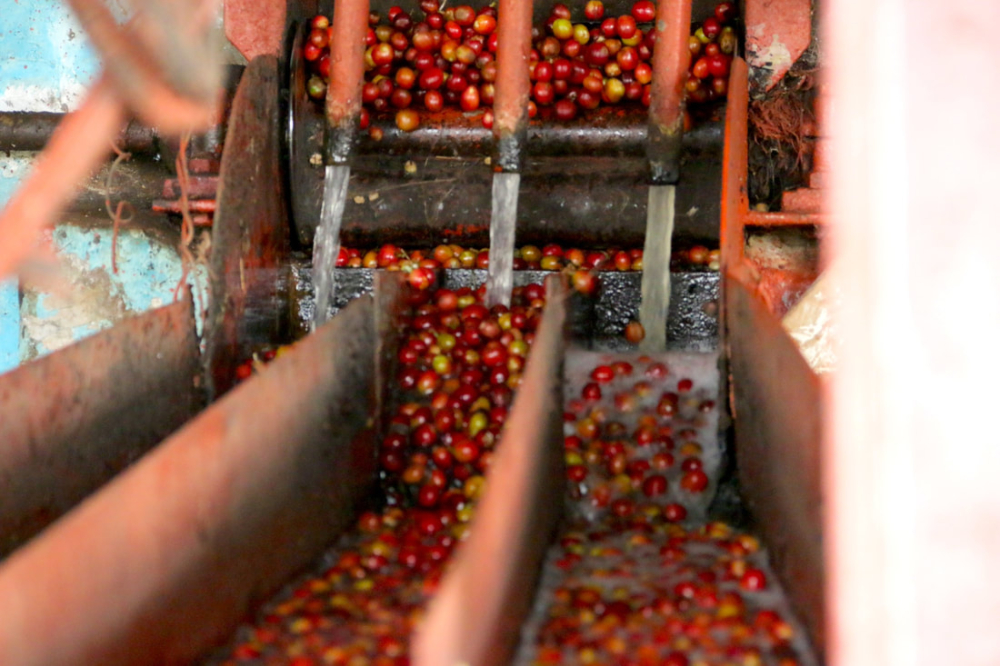
In order to improve coffee quality, the Ethiopian government introduced washed processing technology and related equipment in 1972, and established the first washing station in the town of Yirgacheffe. This measure had remarkable results: the defect rate of Yirgacheffe coffee dropped significantly, and quality improved noticeably. At the same time, because washed processing does not cause the coffee beans to undergo excessive fermentation, the coffee's own flavor characteristics are more fully presented: fresh and bright citric acidity, delicate and soft white floral notes, and a clean green tea finish—this is exactly the Yirgacheffe flavor that coffee lovers speak of.
If you want to taste authentic Yirgacheffe, you can choose the Front Street Coffee Washed Yirgacheffe series, which includes products such as Front Street Coffee Washed Gedingding, Front Street Coffee Natural Konga Red Cherry, and Front Street Coffee Washed Yirgacheffe. Grade and quality are guaranteed, freshly roasted within 5 days, and selected by a major brand you can trust.
Recommended washed specialty Yirgacheffe — Front Street Coffee Gedingding Cooperative Coffee Beans Region: Yirgacheffe Gedeo Zone Altitude: 1900-2300m Variety: Heirloom Processing Method: Washed Grade: G1 Flavor: Citrus, green tea, prune, floral, honey
Brewing Methods: Pour-over, drip bag, cold brew, French press, Clever Cup
How is Front Street Coffee Yirgacheffe cold brew coffee made?
First, prepare a clean, oil-free 200ml glass bottle with a lid that can be sealed.
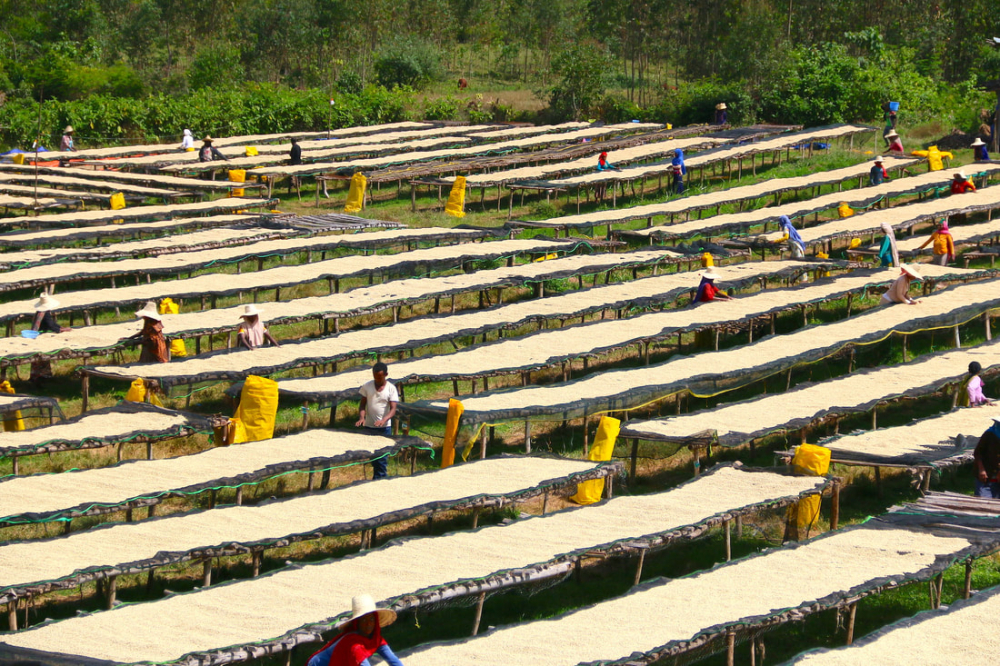
Then weigh out 20 grams of beans for making cold brew coffee and grind them to a medium coarseness/white sugar size (75% passing through a Chinese No. 20 standard sieve).
Put the ground coffee into the glass bottle, add room-temperature or ice water at a 1:10 ratio. Stir thoroughly to ensure all coffee particles come into contact with the water, then seal and place in the refrigerator to extract for 8 to 12 hours. There is no need to shake it during this time; just let it steep.
After steeping is complete, use a filtering tool or coffee filter paper to remove the coffee grounds, and it is ready to taste!
Storage Time for Cold Brew Coffee
Some friends have heard that cold brew coffee can be stored for 2 to 3 weeks, but FrontStreet Coffee does not recommend leaving it for that long. After cold brew coffee has finished extracting and the grounds have been filtered out, if stored sealed, it is recommended to drink it within 72 hours.
For homemade cold brew coffee, because home refrigerators often store various meats and vegetables together, even if kept sealed, it is difficult to completely prevent bacterial intrusion, so please drink it as soon as possible after making it.
The above content is compiled by CoffeeHunters, a coffee news website.


