







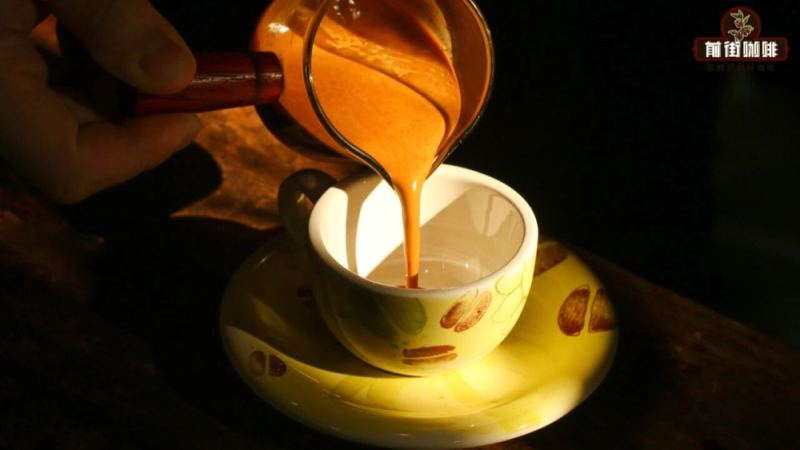
Many friends who are new to espresso have this question: Isn't ristretto just espresso? In fact, although the two share the same origin, they differ clearly in extraction logic and flavor performance. This article will sort out the origin and evolution of espresso from the beginning, then introduce the concept of ristretto, and through an actual extraction demonstration, compare the taste differences between the two under the same equipment conditions due to different yield and time. At the same time, the article will provide specific parameters suitable for making classic milk coffee and flat white, and recommend several Front Street espresso blends to help you make a suitable choice based on your flavor preference.
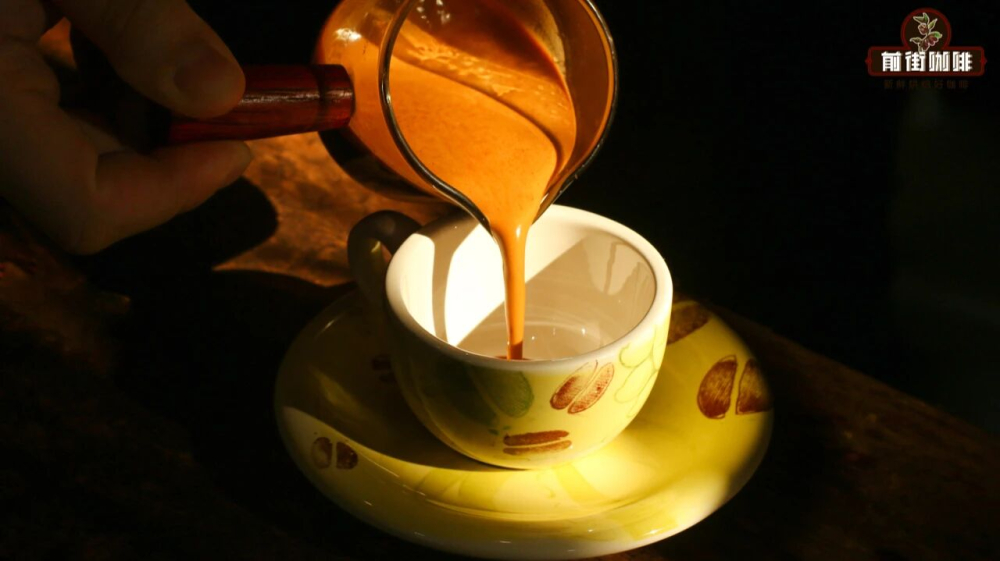
\n\nIntroduction\n\nI believe many friends have the same thought after reading the title: "I feel something is off about the title! But I can't say exactly what! Isn't ristretto just espresso?"\n\nWhat is espresso?\n\nEspresso first appeared in the early 19th century, when Italy entered an era of speed, where everything had to be faster, more efficient, and more mechanized. Coffee was no exception. Coffee extracted and filtered under pressure in a short time quickly became popular.\n\n
\n\nAt first, espresso did not pursue taste and quality, but rather could quickly produce a cup of coffee with high caffeine content in a short time for refreshment. Therefore, coffee beans with high caffeine content were used to make espresso at that time. The higher the caffeine, the fewer the coffee flavors. In addition, because roasting technology and extraction techniques were not yet stable, the resulting coffee liquid was burnt, bitter, and intense.\n\nWith the development of the times, people gradually became more refined, and everyone's requirements for espresso gradually increased, beginning to pay attention to coffee flavor. As espresso machines continued to improve, the water temperature, pressure, and other factors during coffee extraction began to stabilize, and the selection of coffee beans also placed more emphasis on variety and quality, striving to bring out coffee flavor even under rapid extraction.\n\n
\n\nNow people's pursuit of espresso is even more refined. In addition to speed and flavor, crema and mouthfeel are also essential. Unlike pour-over coffee, espresso has a strong and fast taste and does not have the different flavor stages at high, medium, and low temperatures like pour-over coffee. What people enjoy is the impact the coffee brings to the palate.\n\nWhat is ristretto?\n\nRistretto, also called ristretto or restricted espresso, comes from the words restrict and narrow. We can understand it as coffee with a small yield within a limited time. This coffee is a concentrated espresso derived from the basis of espresso. When extracting coffee with the same dose, ristretto takes less time and yields less coffee.\n\n
\n\nRistretto does not mean the coffee flavor is richer and fuller. Rather, by lowering the brew ratio, ristretto's concentration is higher than that of espresso, and the flavor is more concentrated, but its body is actually not as high as that of espresso. Isn't that contradictory? The concentration is higher, yet the flavor is not as full-bodied? Next, Front Street will demonstrate the extraction process of the two kinds of espresso and see how their flavors differ.\n\n
\n\nHow to make espresso & ristretto\n\nFor making espresso, medium-dark roasted blend beans are the first choice, because this type of product is made specifically for coffee machines. They mostly use beans from more than two origins, so the aroma is more complex, and they can also extract rich crema, making them more stable during preparation.\n\nFor friends pursuing a ristretto taste and abundant crema, buy Front Street Classic Blend. This is a formula combining three major origins: Mandheling, Brazil, and Vietnam. It carries the wild aroma of Mandheling and the smooth taste of Brazilian beans, creating a complementary and harmonious effect in flavor. Front Street Classic Espresso Blend adds Robusta on the basis of the Mamba formula. During extraction, it can obtain the aromas of butter, nuts, spices, and dark chocolate. Its wild character and overflowing crema are their biggest features.\n\n
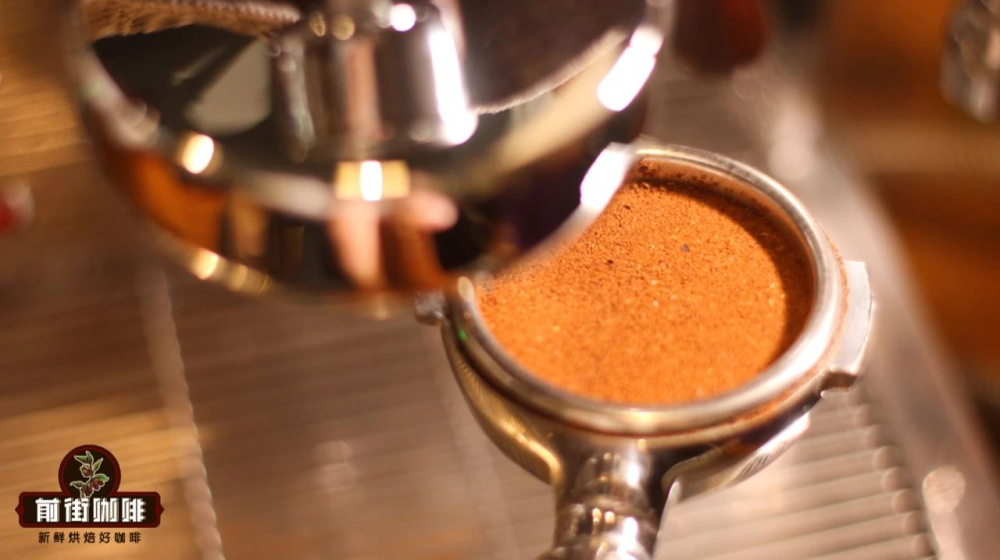
\n\nIf you prefer complex nutty aromas such as almond, apricot kernel, and walnut, Front Street Premium Blend and Front Street Dark Cocoa Basic Blend are recommended. Both contain a large proportion of Brazilian coffee beans, so they provide a comfortable bittersweet taste and are extremely smooth on entry. Among them, Front Street Premium Blend carries the nutty, chocolate, and caramel aromas and moderate acidity of Colombian coffee;\n\nFront Street Dark Cocoa Basic Blend combines the acidity of ripe plums from Yunnan small-bean coffee. When ground into powder, it gives off the aroma of creamy chocolate. The taste is balanced and highly adaptable. In addition to making lattes, it can also be used to produce various espresso drinks.\n\n
\n\nEspresso & ristretto use the same coffee machine, grinder, grind size, water temperature, pressure, and dose for extraction.\n\nAfter adjustment, the extraction parameters for this espresso are 20g coffee powder extracting 38~40g coffee liquid, taking 27 seconds. It is suitable for making classic milk coffee latte and cappuccino.\n\n
\n\n
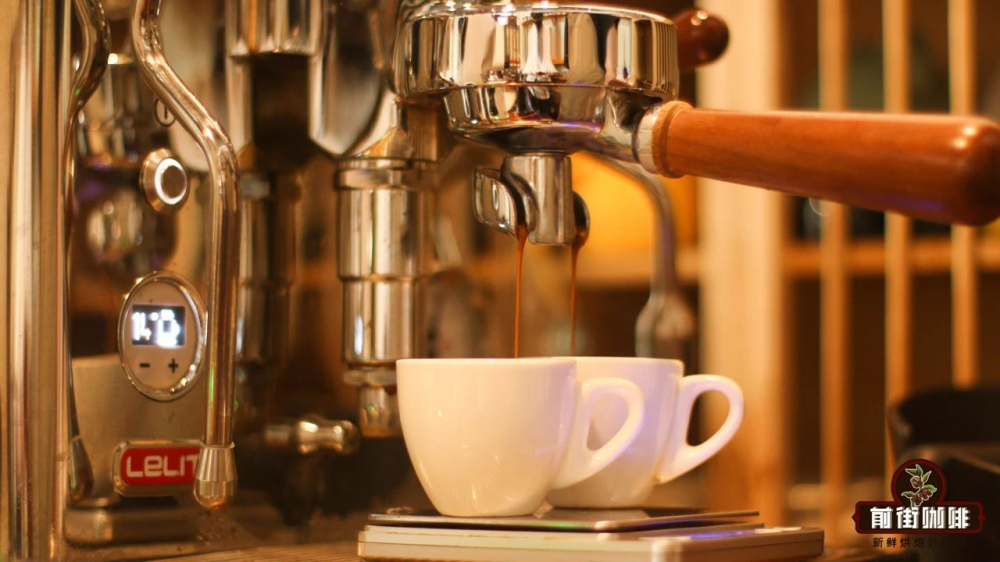
\n\nAfter determining the extraction parameters for espresso, the extraction parameters for ristretto are 20g coffee powder extracting 27~30g coffee liquid, taking 20 seconds. It is suitable for making the Australian specialty coffee Flat White.\n\n
\n\n
\n\nDifferences in flavor and mouthfeel between espresso & ristretto\n\nRegardless of the extraction method, the first thing extracted from coffee is light-molecular-weight acidity, followed by sweetness, and finally heavy-molecular-weight bitterness. Therefore, coffee liquid that extracts only the front section tastes highly acidic, and because the heavy-molecular-weight flavors are not extracted, the mouthfeel is slightly thin.\n\n
\n\nThis is exactly the case with ristretto. Its extraction time is shorter than that of espresso, so the extracted flavor is mainly winey and berry-like, with caramel-like sweetness, high acidity, a clean mouthfeel, and clear sweet-and-sour flavors. Espresso, on the other hand, can extract heavy-molecular-weight flavors, showing overall aromas of butter, cocoa, and nuts, with a chocolate and caramel finish, a full mouthfeel, and a richer flavor.
The above content is compiled by CoffeeHunters, a coffee news website.


