







Which of the World's Most Commonly Cultivated Coffee Species Fits Specialty Coffee?
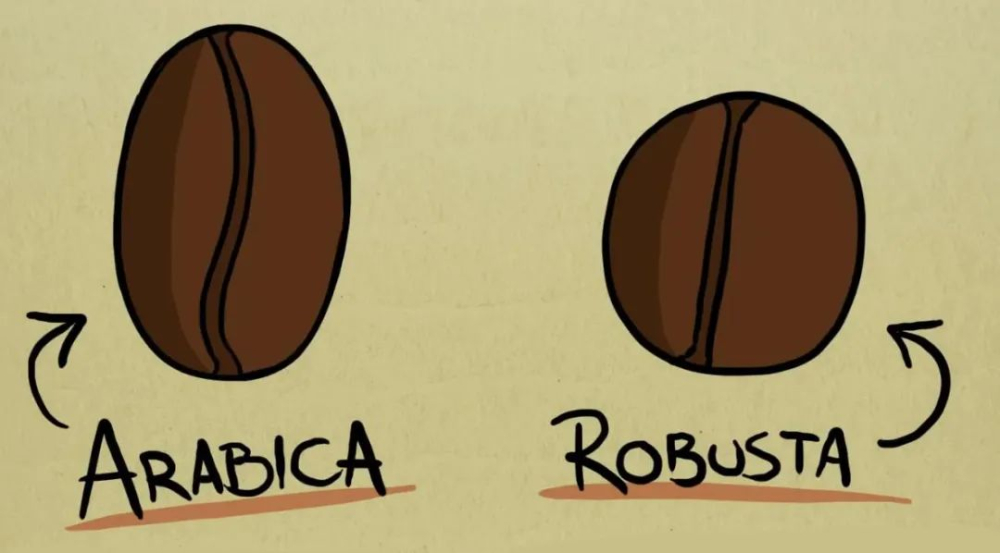
Coffee divides into two main species: Arabica and Robusta. Arabica accounts for 70% to 75% of global production and dominates specialty cafés, while Robusta makes up about 30% and is used largely in blends and instant coffee. Arabica is classified as a small-bean species and Robusta as a medium-bean species.
Robusta originated in the Congo region, resists pests and disease, tolerates varied soil, grows quickly, and costs less, but its flavor leans heavily bitter with rich oils. Arabica originated in Ethiopia and needs altitudes of 800 to 2,200 meters in frost-free zones. Representative Arabica varieties include Typica, Geisha, Bourbon, Caturra, and Ethiopian heirloom types.
The coffee world can be broadly divided into two major camps: Arabica and Robusta. The former dominates specialty coffee shops, while the latter is known for being hardy, easy to grow, and low in cost. Why is Arabica more favored? Why is Robusta's caffeine content higher? This article compares the two from the perspectives of origin, growing conditions, flavor compounds, and chemical composition, and also outlines representative Arabica varieties such as Typica, Geisha, Bourbon, Caturra, and Ethiopian heirloom varieties. At the same time, it combines specific products from Front Street Coffee's bean list, including Blue Mountain No. 1, Panama Butterfly, Brazil Cerrado, Colombia Huila, and Yirgacheffe, to help coffee lovers build a systematic understanding of coffee varieties.
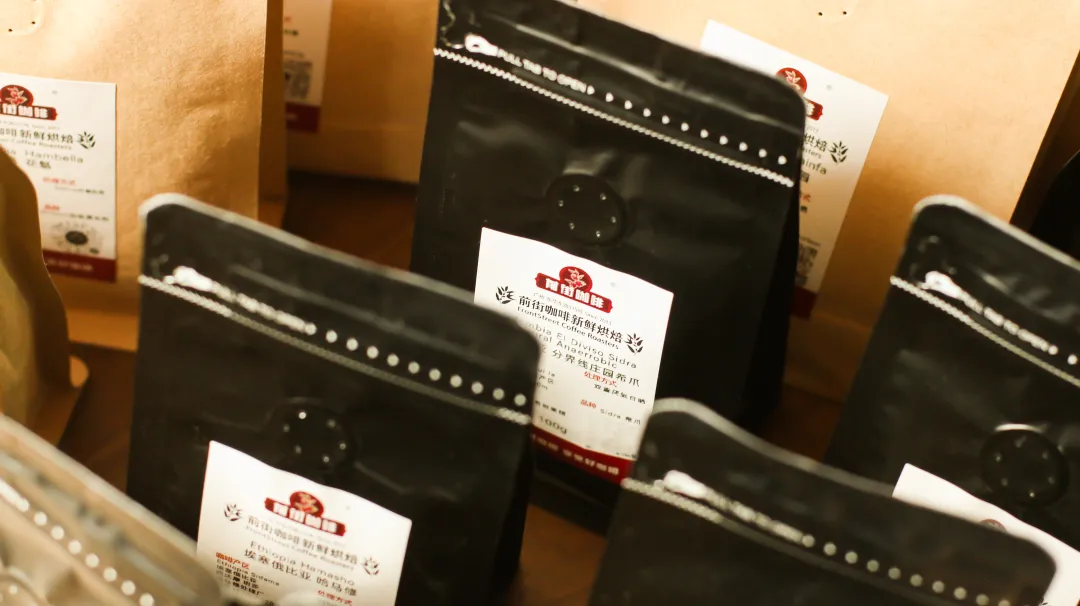
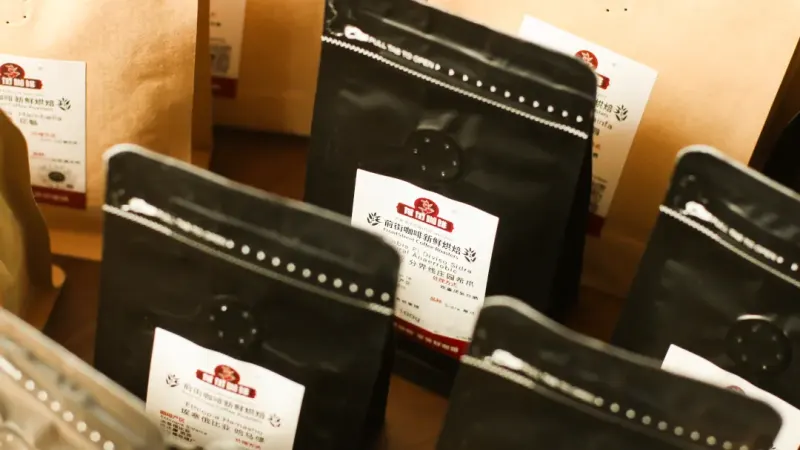
If you have even a slight interest in coffee, you have probably heard that coffee is generally divided into two categories: Arabica and Robusta. In the cafes we visit daily, most of the beans used are Arabica. Taking Front Street Coffee's bean list as an example, 98% of the single-origin coffees belong to the Arabica camp. So why exactly has Arabica won such preference? And what substantive differences exist between it and Robusta?
Arabica is superior in flavor
As the two most widely circulated categories on the market, Arabica is classified as a small-bean species, while Robusta belongs to the medium-bean species.
Robusta originated in the Congo region of Africa and accounts for about 30% of global coffee production. Its name carries the meaning of "toughness." This coffee tree not only has outstanding resistance to pests and diseases, but is also almost undemanding when it comes to soil, and can even survive in the wild. Because of this, it can also be planted in high-temperature regions, grows quickly, requires little management, and has a price advantage. Its flavor is dominated by a heavy bitterness, and it yields rich oils during extraction, so it is mostly used in blends or as the main raw material for instant coffee.
Arabica, on the other hand, originated in Ethiopia and is a highly representative variety there, accounting for 70% to 75% of global production. This coffee has quite demanding growing conditions. It has strict soil requirements and needs to grow at altitudes of 800 to 2,200 meters in frost-free zones. The higher the altitude, the more pronounced the temperature difference between day and night, which slows down the ripening process of the coffee fruit. This, in turn, helps the accumulation of flavor compounds, and the aroma develops more fully. The unique microclimates of different producing regions provide Arabica with diverse growing environments, thereby shaping distinctive flavor profiles.
Robusta has a higher caffeine content
Arabica's caffeine content is relatively low, roughly between 0.9% and 1.2%; its fat content is 60% higher than Robusta's; and its sugar content is twice that of Robusta. These compositional differences make Arabica's taste sweeter and milder, with a touch of fruity acidity. The bitterness we taste when drinking coffee mainly comes from chlorogenic acid in the beans, and Robusta is higher than Arabica in all three indicators: caffeine, amino acids, and chlorogenic acid. Therefore, Robusta inherently lacks the airy aroma of Arabica and instead has a heavier, deeper taste, with flavors such as walnut, peanut, hazelnut, wheat, and grain, sometimes even showing a pungent earthy note.
Chlorogenic acid not only has antioxidant properties but is also an important component for resisting pests. Therefore, Robusta grown in low-altitude regions can avoid infestation by most insects. If Arabica is to display rich layers of flavor, it must be planted in suitable high-altitude environments, but the higher the altitude, the greater the probability of pest damage and climate threats. Usually, in high-altitude areas, coffee produces fewer cherries and has a longer ripening cycle. High-quality Arabica requires more manual labor for management and harvesting, so production costs naturally rise.
Why are Arabica coffee beans more sought after?
After reviewing many Arabica varieties, Front Street Coffee found that each variety has its own distinctive flavor, with pleasing acidity and aroma. Many of the pour-over single-origin coffees on Front Street Coffee's bean list belong to Arabica, which shows that compared with Robusta, Arabica with pure flavor is more appealing.
Compared with strongly flavored Robusta, Arabica has lower caffeine content, yet twice the sugar content of Robusta. It tastes milder, with prominent sweetness, and has richer layers of acidity and aroma. As specialty coffee culture continues to spread, people are pursuing coffee taste, mouthfeel, and quality to varying degrees, so only high-quality Arabica beans better fit today's specialty coffee market. However, Front Street Coffee would also like to add that although Robusta is not as widely accepted, high-quality lots do exist. For example, India's "Coffee Royal" Robusta, through careful cultivation and management, can also present a full-bodied taste and clear cleanliness.
Arabica coffee recommendations
As a vast category, Arabica has nearly 3,000 varieties. They all derive from the oldest native Ethiopian varieties, Typica and Bourbon, which spread to South America or Asia and then mutated and evolved. Coffee is ultimately an agricultural crop, and its flavor is always closely tied to variety, climate, altitude, soil, management, and other factors. It is the truest expression of variety and local terroir. Below, Front Street Coffee has selected several representative varieties to help you get to know Arabica one by one.
Typica — Front Street Coffee Blue Mountain No. 1
Typica is the oldest native variety in Ethiopia and was discovered roughly between the 15th and 16th centuries AD. It is characterized by a relatively tall coffee tree, bronze-colored leaves at the top, and relatively large, long beans with pointed ends, somewhat egg-shaped in appearance. Typica coffee often has citrus-like acidity and a sweet finish, and many praise it as an elegant and clean bean. Unfortunately, it has low yield and poor resistance to leaf rust, so farmers gradually replaced it with other more robust varieties.
Typica was introduced to Jamaica in the 18th century by Sir Nicholas Lawes and soon afterward brought to the Blue Mountain region for cultivation, where it has now been grown for more than two hundred years. Blue Mountain's Typica adapted to the local island tropical rainforest climate according to local conditions and evolved stronger disease resistance, especially much stronger resistance to coffee berry disease than ordinary Typica. Front Street Coffee believes that Blue Mountain's refined and clean flavor is inseparable from Jamaica's insistence on carefully cultivating the Typica variety, allowing Typica to integrate into the local terroir, and the excellent terroir and unique microclimate of the Blue Mountains also played an indispensable role. Front Street Coffee uses a medium-dark roast to maximize the coffee's chocolate and nutty aromas while preserving soft acidity and sweetness, keeping the overall taste balanced.
Geisha — Front Street Coffee Panama Butterfly
Friends who often drink pour-over coffee must have heard of Panama Geisha. With its stunning aroma, it has become one of the synonyms for contemporary specialty coffee. Geisha derives from Typica and also comes from Ethiopia, the birthplace of coffee.
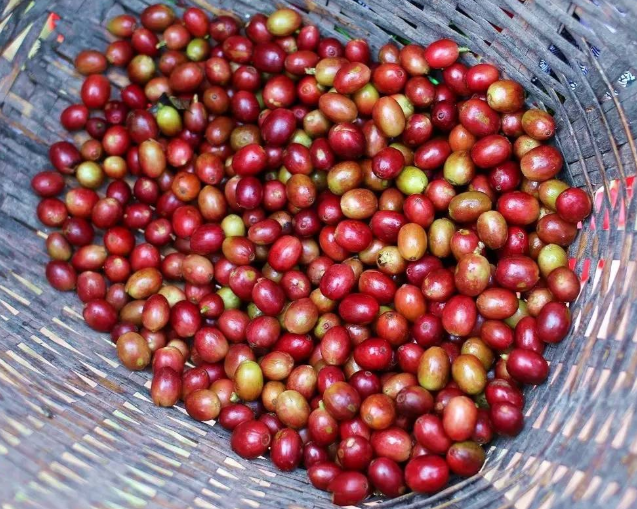
Geisha is extremely picky about its growing environment. It needs high altitude, fertile soil, and also cloud cover or shade from plants, and cannot be exposed to direct sunlight. The owner of Hacienda La Esmeralda once said that the farm needs a large number of shade trees to block sunlight for the delicate Geisha, and traditional pruning must also be used in the early stages of planting, otherwise the plants are likely to die. The higher the planting altitude, the longer the Geisha fruit takes to ripen, and the more complex and unique its flavor expression. Unlike other varieties, the leaf system of the Geisha coffee tree is very thin, its photosynthetic efficiency is very low, and its roots are fragile, so the absorption of water and nutrients is very slow. As a result, yields are extremely low, and combined with the high-altitude growing environment, the fruit also ripens later.
At present, Geisha is grown in many parts of the world and is a new king among specialty coffees. Among these, Latin American countries such as Panama, Guatemala, and Colombia tend to have higher quality, with Panama Geisha standing out especially. When it comes to Geisha coffee, the most popular one on Front Street Coffee's bean list is undoubtedly the Geisha produced by the famous Hacienda La Esmeralda, which is further divided according to different characteristics into Red Label Geisha, Green Label Geisha, and Volcanic Rock Geisha. High-quality Geisha coffee has striking aromas of rose, citrus, berries, and honey, and is deeply loved by coffee people.
Red Bourbon — Front Street Coffee Brazil Cerrado
Bourbon arose from a natural mutation of Typica, with the bean shape changing from slender and pointed to round. It was first discovered on Bourbon Island, now Réunion Island, off the east coast of Africa. In 1715, France transplanted round beans from Yemen Mocha to Bourbon Island off the east coast of Africa (renamed Réunion Island after the French Revolution), and only afterward did the name Bourbon come into being. Bourbon round beans were introduced to Brazil in 1727 and began to be cultivated there.
Bourbon's yield is not considered high, but compared with the frail Typica, it has stronger resistance to leaf rust. Bourbon grown at high altitudes has a rich, delicate flavor, a strong fragrance, and soft acidity. The Bourbon fruit we usually see changes from green to slightly yellow, orange-yellow, red, and finally to fully ripe dark red, which is what is meant by Red Bourbon.
Most Brazilian coffee has relatively low acidity, and with its full-bodied aroma, it is extremely smooth on the palate, with a refreshing and pleasant aftertaste. We chose a semi-washed Front Street Coffee Red Bourbon as the representative of Brazil. Its flavor has obvious nuts and chocolate, medium caramel sweetness, a smooth mouthfeel, and overall balance. Front Street Coffee included it in the daily bean series. Front Street Coffee's daily beans are the flagship representatives of each major producing region, presenting the region's basic flavors. Coffee beginners can use them to understand a region's foundational flavors, and then, according to their own preferences, explore different regional types in greater depth.
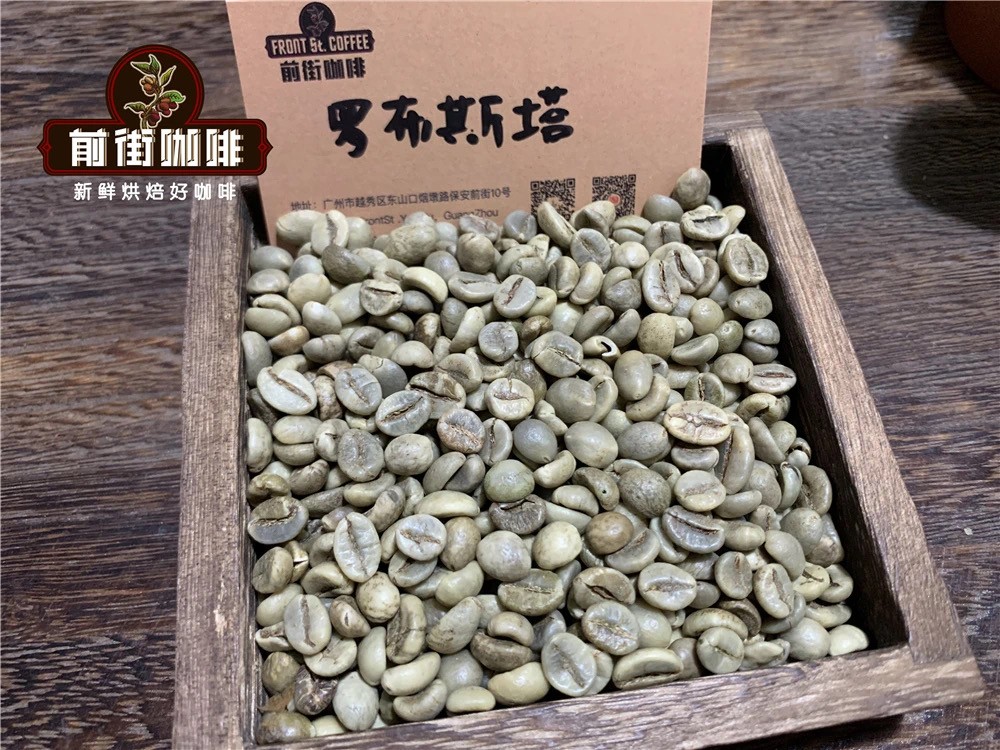
Caturra — Front Street Coffee Colombia Huila
Caturra arose from a natural mutation of Bourbon and was discovered in Brazil in 1937. The tree is relatively short and does not have high disease resistance, but because it can be densely planted, it has a higher fruiting rate and higher yield than varieties such as Bourbon, and it is widely planted in Central American countries. In terms of flavor, Caturra has bright acidity and a fruit-filled taste. After medium-dark roasting, it presents chocolate and nutty sweetness, and it is a frequent champion in many coffee competitions.
Many coffee beans on Front Street Coffee's bean list contain the Caturra variety. If you want to understand this variety's flavor characteristics, Front Street Coffee recommends the Colombia daily bean, selected from washed Caturra. Its cleanliness is very high. Front Street Coffee aims to highlight the classic Colombian coffee flavor, using a medium-dark roast to present aromas of nuts, dark chocolate, and caramel.
Ethiopian heirloom varieties (Heirloom) — Front Street Coffee Yirgacheffe
Friends who often drink Ethiopian coffee may notice that the variety of Ethiopian beans is always written as local heirloom or Heirloom. In the dictionary, Heirloom refers to "a valuable possession passed down through generations," which is to say that for Ethiopians, coffee is an irreplaceable "treasure."
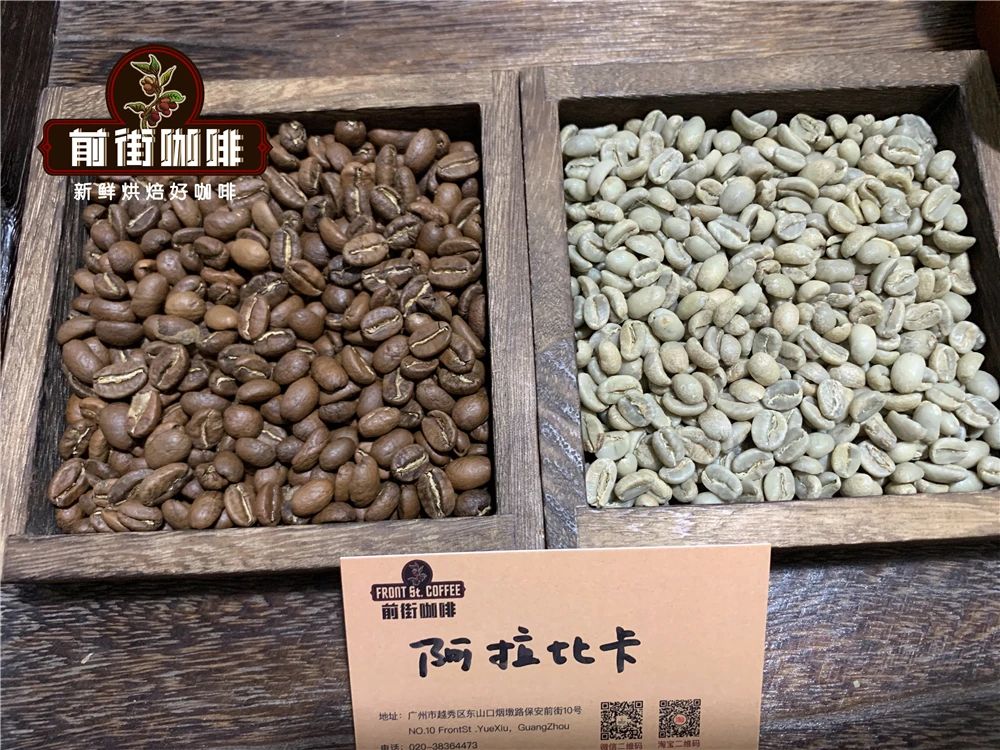
This is because Ethiopia's primeval forests contain a great many coffee varieties, with countless genetic types, making identification extremely difficult. In addition, the local government wants to protect these types and not disclose them, so it uses "heirloom" as a general term for these coffee categories. The Yirgacheffe coffee variety is a local heirloom, with small beans of varying shapes and sizes, relatively round in appearance, mostly between 14 and 15 screen sizes. Many of Front Street Coffee's Ethiopian coffees belong to heirloom varieties, such as Yirgacheffe Gotiti Cooperative, sun-dried Red Cherry, and Sidamo Hambela, and in cupping they often show elegant floral and fruity flavors.
The above content is compiled by CoffeeHunters, a coffee news website.


