







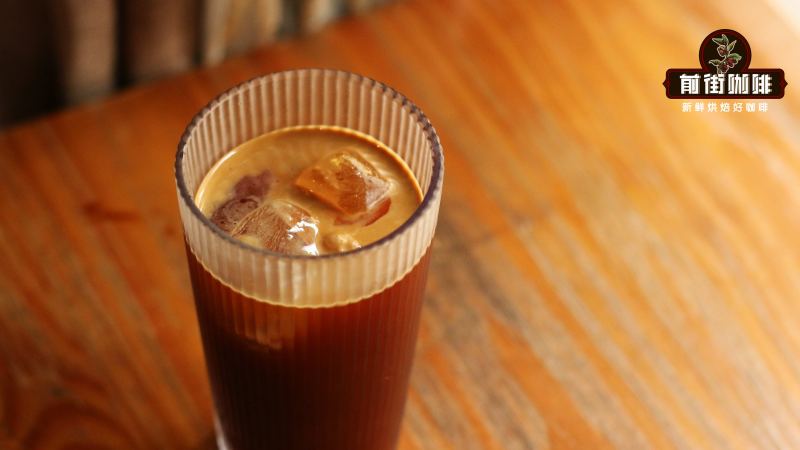
How Do You Make an Americano Coffee Well?
An americano consists of just espresso and water, with ice added for the iced version. Because no milk softens the cup, the flavors of the coffee beans are laid bare, which makes it a reliable way to judge a shop's espresso extraction. The espresso step should be dialed in to the bean's characteristics, and parameters need adjusting daily as the beans' condition changes.
Hot and iced versions use different ratios, and cup size also shapes the result. Skimming the crema changes how the drink tastes, since that layer carries much of the aroma and body. Many industry professionals order an americano when visiting a new shop: it is served quickly, and it reveals the quality of the establishment without milk or syrup hiding anything.
Americano may seem to contain only two components—espresso and water—yet it is the best test of a barista's extraction skills. Without milk to soften it, the flavors of the coffee beans themselves are laid bare, which is why many industry professionals order an Americano when visiting a new shop to gauge its quality. Drawing on the hands-on experience of Front Street Coffee, this article outlines the specific ratios for hot and iced Americanos, cup size selection, and explores how the flavor changes when the crema is skimmed off, helping coffee lovers consistently reproduce a delicious Americano at home.
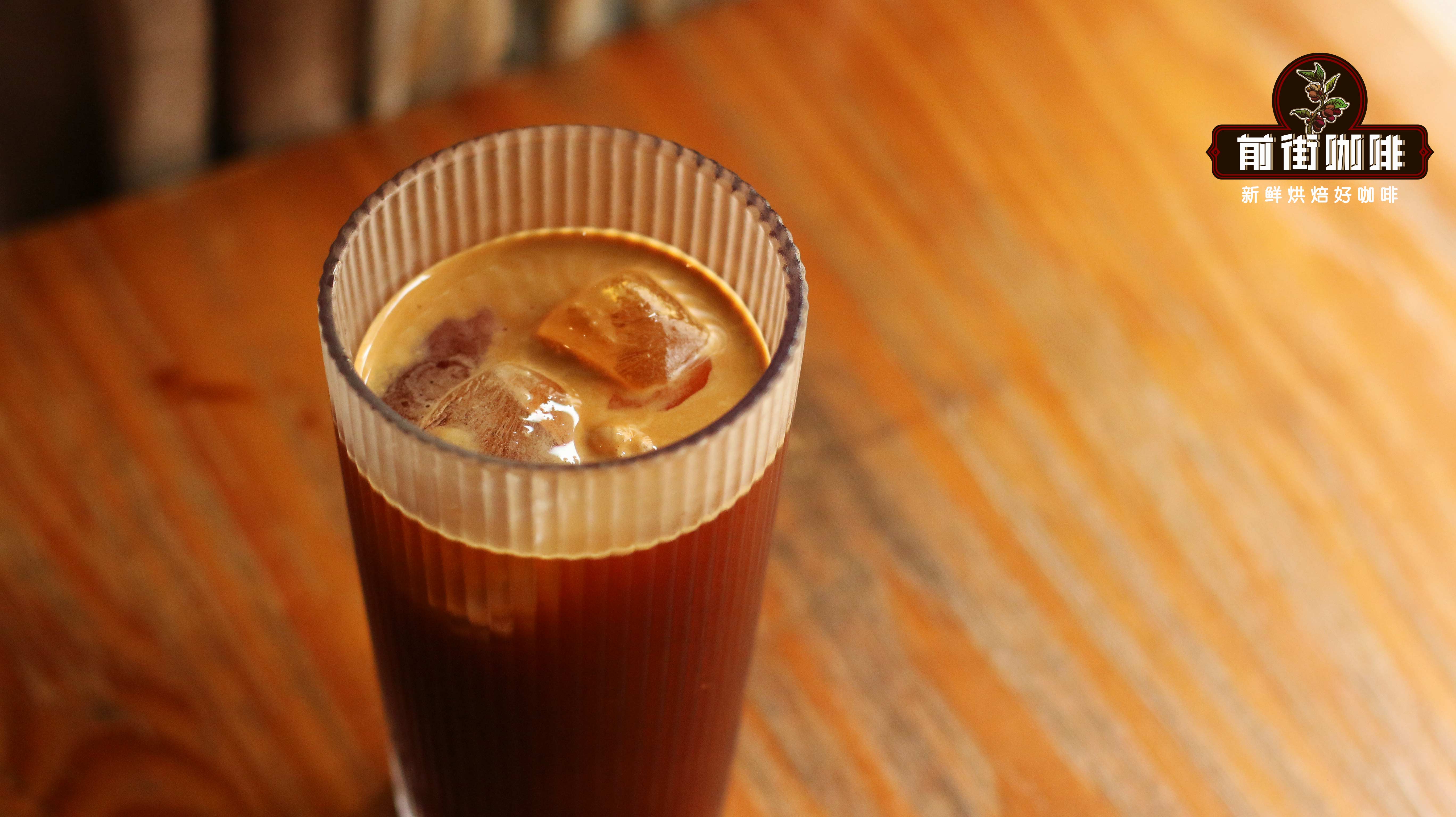
For more specialty coffee knowledge, please follow: Front Street Coffee (Frontsteet Coffee)
The coffee industry has evolved over time, and today we find ourselves in the third wave of specialty coffee. Even so, espresso-based coffee still holds an irreplaceable position. Mastering espresso preparation is essential for every barista, and virtually no café would operate without offering espresso drinks. Front Street generally refers to all beverages built on an espresso base as espresso coffee. Below, Front Street will discuss the specific method for making an Americano.
The Americano can be considered the simplest espresso drink in structure, as it consists of only two parts—espresso and water—with iced Americanos adding ice cubes. Yet the simpler the combination, the more it reveals technical skill. The Americano is often used as a touchstone for assessing a barista's espresso extraction ability.
Compared to milk-based drinks like lattes, an Americano has no milk interfering with the flavors, so the taste of the coffee beans themselves can be perceived most directly. Many barista friends prioritize ordering an Americano when visiting other shops—first, because it's served quickly, and second, because it allows them to judge the quality of the establishment. Back to the point: since an Americano involves only water and espresso, the operation is simply pouring the espresso into the water.
The espresso step must be set according to the bean's characteristics, with different beans requiring different parameters. Baristas need to adjust daily based on the beans' condition that day, ultimately finding parameters that work well for espresso, Americano, latte, and other drinks, so that each coffee presents its ideal state.
Taking the Sunflower Warm Sun blend coffee beans used by Front Street as an example, based on Front Street's experience, this bean reaches its best flavor after 12 to 14 days of resting. Front Street's espresso extraction recipe is: 20 grams of coffee grounds extracting 40 grams of espresso liquid, with an extraction time of 30 seconds.
When making a hot Americano, Front Street first warms the cup with hot water, then pours in the hot water, and finally adds the extracted espresso. The water-to-espresso ratio for an Americano typically falls between 1:4 and 1:6. After repeated testing, Front Street Coffee (FrontStreet Coffee) settled on 1:4—that is, 40 grams of espresso liquid paired with 160 grams of hot water.
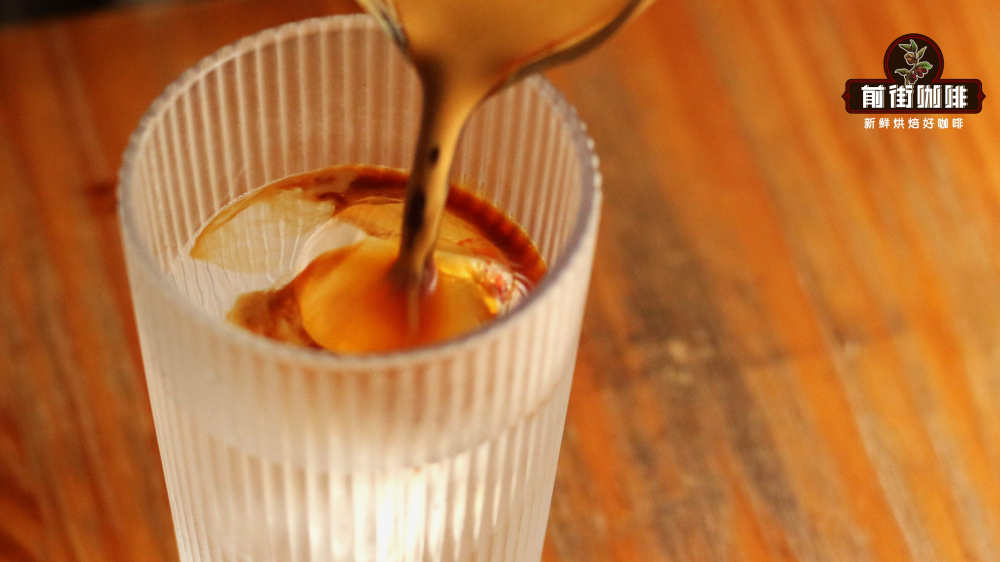
The logic for an iced Americano is the same: first chill the cup with ice cubes, then add water, and finally pour in the espresso. Since ice cubes must also be counted, Front Street Coffee (FrontStreet Coffee) uses a 1:6 ratio for iced Americanos—40 grams of espresso liquid mixed with 240 grams of ice-water mixture, comprising 140 grams of ice cubes and 100 grams of water, served in a 300 ml cup.
Does removing the crema make it taste better?
When making a hot Americano, a layer of foam floats on the surface of the coffee liquid—this is what people commonly call crema. It originates from the espresso-making process. As we know, espresso consists of three parts: the core, the body, and the crema. The mechanism behind crema formation is: under the high pressure of the espresso machine, carbon dioxide is forced into the liquid within the coffee grounds. After extraction ends and pressure returns to normal, the dissolved carbon dioxide begins to escape into the air, and along the way it gets enveloped by fats in the coffee, thus forming the crema.
What happens if you skim off the crema? Front Street Coffee (FrontStreet Coffee) conducted a comparison, making two Americanos with the shop's Warm Sun blend beans, one of which had the crema skimmed off as a control. The result: the cup with the crema removed tasted cleaner and smoother, while the one retaining the crema seemed fuller-bodied. Both cups carried a clear dark chocolate note and a faint whiskey oak barrel aroma, with soft acidity, and the overall difference was not significant. If you prefer a cleaner flavor, you can skim off the crema; if you need to serve drinks continuously, it's more advisable to keep it.
The above content is compiled by CoffeeHunters, a coffee news website.


