








For more specialty coffee knowledge, please follow: Front Street Coffee (Frontsteet Coffee)
When some customers buy coffee beans at Front Street Coffee stores, they ask the barista to grind the beans in advance because they don't have a grinder at home. At such times, the barista at Front Street always asks them one question: what kind of equipment are you using to brew the coffee? The answer to this question is almost always a drip coffee maker. Upon hearing this, the barista at Front Street adjusts the grinder's setting to the same coarseness as for pour-over coffee and grinds the beans for them. Many people wonder, why should the grind size be determined by the brewing equipment?
Front Street believes that different coffee preparation methods require different coffee grind sizes, because grind size is crucial for coffee extraction. The coarseness of the coffee grind directly affects the extraction time and extraction yield. Next, Front Street will explain the principle in plain terms. Everyone knows that the finer the coffee beans are ground, the larger the surface area becomes, and while the extraction speed increases, more flavor compounds are also extracted. Conversely, the coarser the grind, the smaller the surface area, the slower the extraction speed, and fewer compounds are extracted in the same amount of time compared to a finer grind.
However, when the grind is too fine, with other parameters equal, too much flavor is often extracted into the coffee, making the overall flavor particularly intense and unpleasant—what we often call "over-extraction." When the grind is too coarse, it may lead to "under-extraction," because not enough flavor compounds are extracted from the coffee grounds. Such coffee often tastes "watery," "thin," or sharply sour.
Regarding coffee grind size, internationally it is divided into 7 types: Extra coarse, Coarse, Medium-coarse, Medium, Medium-fine, Fine, and Extra Fine, which are suitable for cold brew coffee, French press, pour-over coffee, drip coffee maker, AeroPress, moka pot, espresso machine, Turkish coffee, etc., respectively.
Front Street won't make it that complicated. Here we'll just give you three grind sizes: fine, medium, and coarse, with passing rates through a No. 20 standard sieve of 80%, 75%, and 70%, respectively. Equipment like espresso machines and moka pots use a fine grind. The reason is simple: under high temperature and high pressure, water passes through the coffee bed very quickly, so a fine grind slows the water flow, increases the contact time between water and grounds, and extracts as much flavor as possible. For pour-over coffee and drip coffee makers, we use medium to coarse grinds, which is related to the roast level of the coffee beans.

Customers who come to Front Street to buy beans ask about how different roast levels affect the coffee beans. Generally, we tell everyone in broad terms that lightly roasted coffee beans highlight the floral and fruity acidity in the coffee, medium-roasted coffee has a relatively balanced flavor with more pronounced nutty notes, and dark-roasted beans emphasize body and chocolate flavor. So what Americano coffee beans does Front Street recommend? Actually, a drip coffee maker works with coffee beans of any roast level. It just depends on what flavor profile you like. For lightly roasted coffee, first we'd introduce Front Street Sun-Dried Red Cherry. This coffee bean from Yirgacheffe, Ethiopia, has high sweetness and a fairly distinct Ethiopian citrus and berry character.

Blue Mountain coffee has always been the pride of Front Street Coffee. Its excellent growing environment and strict export standards make authentic Blue Mountain especially rare. Front Street's Blue Mountain coffee comes from Jamaica's Clifton Estate, which holds Rainforest Alliance certification. Its acidity, sweetness, and bitterness are very balanced. Front Street uses a medium roast to maximize its smooth creamy texture and dark chocolate flavor.

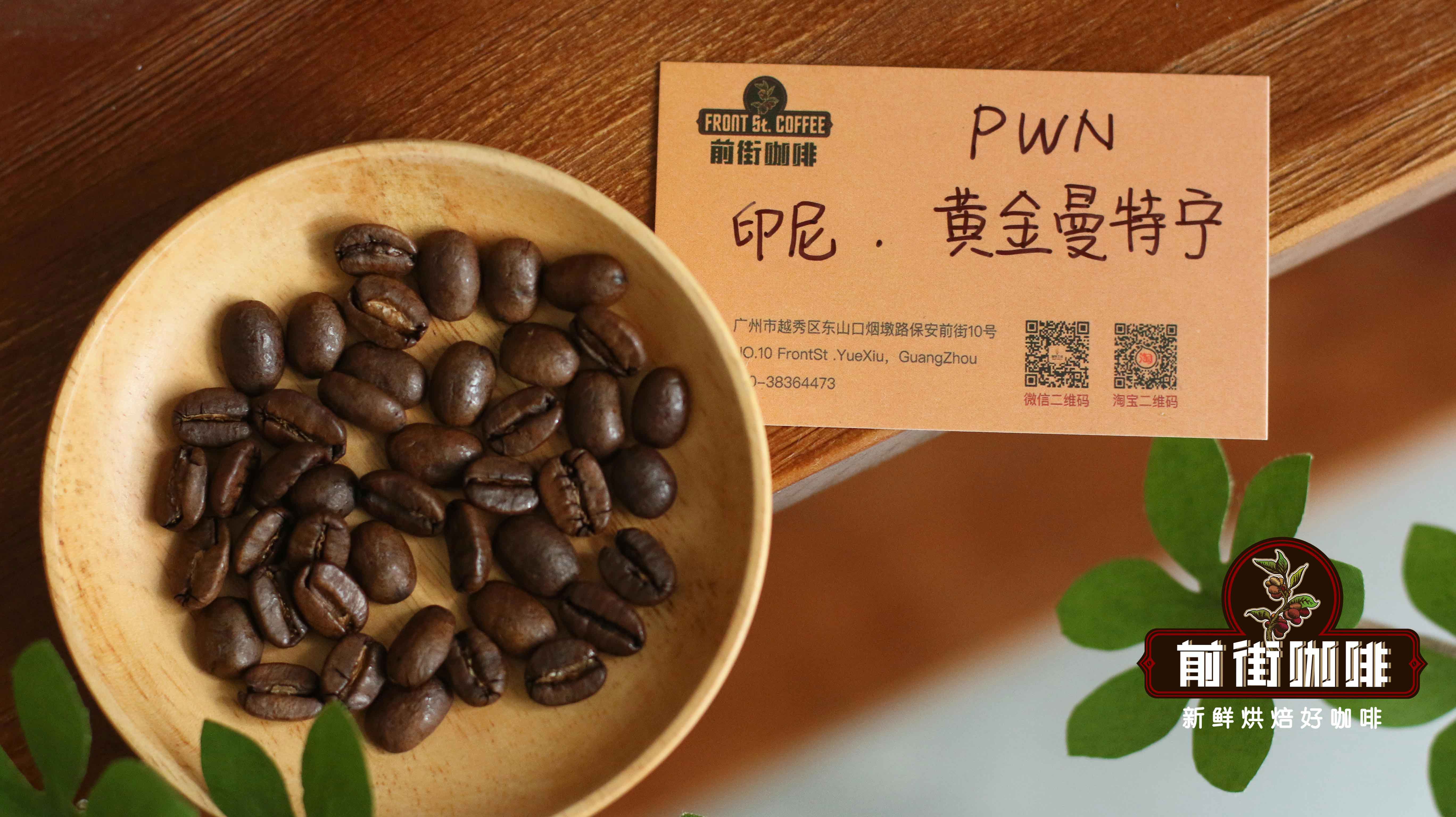
As for dark-roasted coffee, the most recommended isFront StreetPWN Golden Mandheling. This coffee is the classic representative of Front Street's dark-roasted coffee beans. Golden Mandheling beans are relatively uniform in size, mostly around 19 screen. The screening process of one machine sort and three hand sorts makes Golden Mandheling especially precious. Here Front Street offers a friendly reminder: many friends, after drinking "Golden Mandheling," think "it wasn't that good after all." On the one hand, you may simply not like Mandheling's taste; on the other hand, you may have bought a fake. Front Street's Golden Mandheling comes with a PWN factory certificate and a burlap sack printed with the PWN logo as proof. As for Golden Mandheling sold by other merchants, if you have doubts, you can ask the seller to show the above proof.
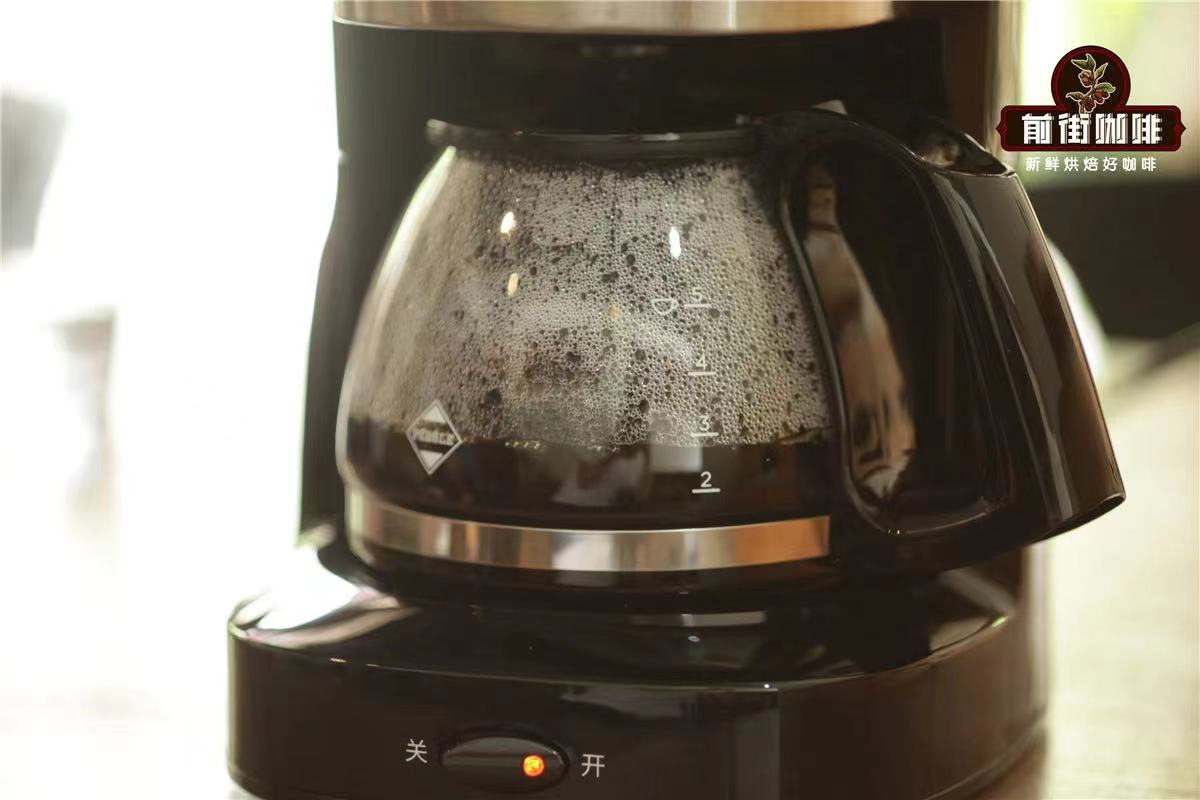
Now that we've covered Americano coffee beans, Front Street will teach you how to use a drip coffee maker, using a De'Longhi drip coffee maker as an example. After plugging in the coffee maker, you need to add an appropriate amount of ground coffee to the filter basket using the coffee scoop (depending on your needs). Generally, every 5 grams of coffee grounds uses 100 grams of water, though you can also adjust it to your own taste. After adding an appropriate amount of water to the water tank, close the lid and press the start button, and the drip machine begins brewing coffee. Very simple.
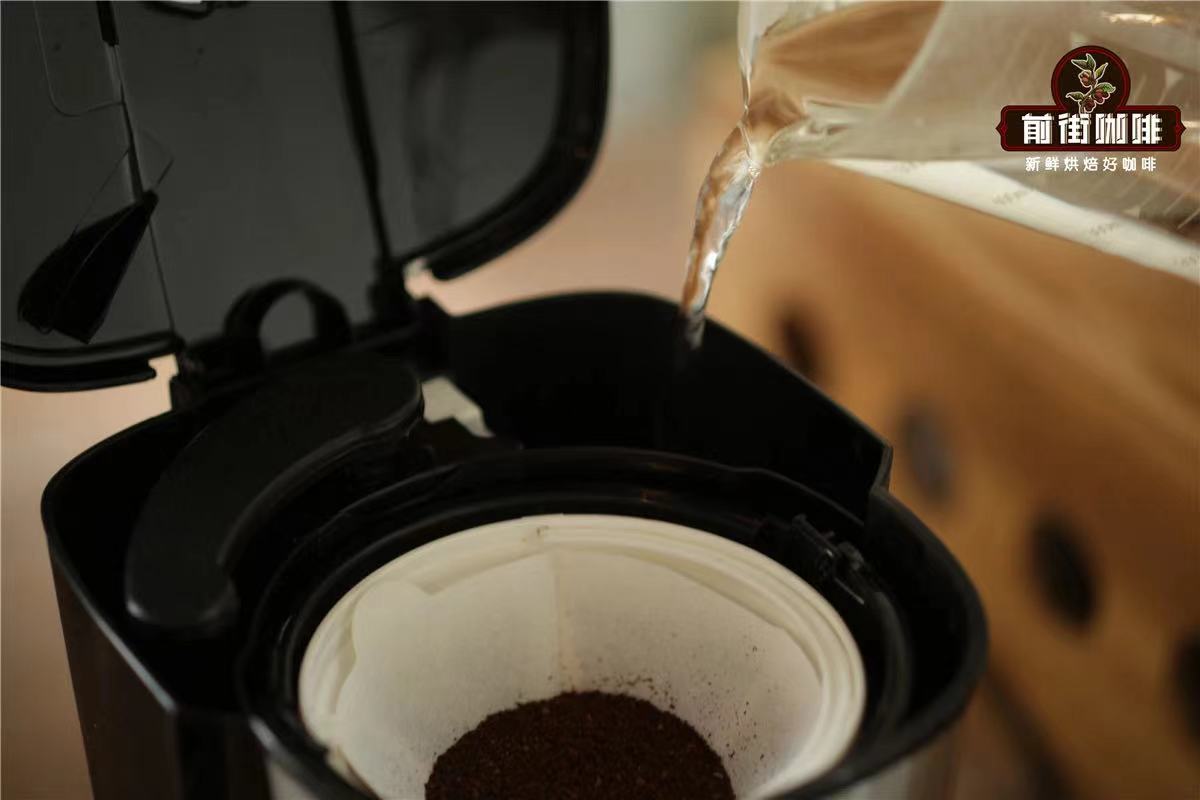
We all know that besides the drip method, Americano coffee can also be made by adding water to espresso. So which tastes better, "espresso" or Americano? What difference in mouthfeel is there between the two? It depends on the person. Front Street believes that Americano made with espresso is richer and thicker, and the layer of crema on the surface also adds a sense of layering to the coffee's mouthfeel, making it fuller. The result from a drip coffee maker is different—relatively cleaner.
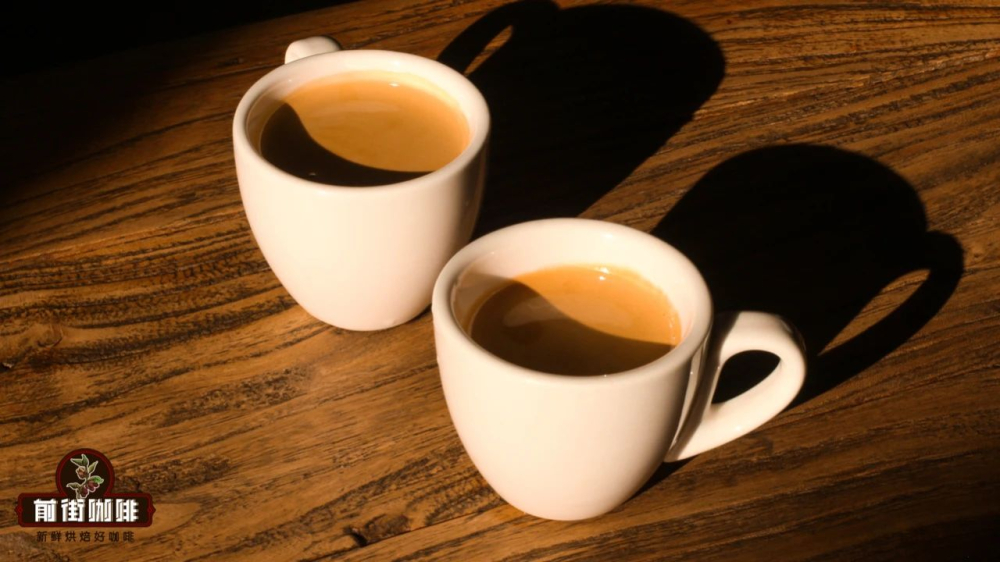
Having said that, many friends will surely ask, "What's the difference between espresso and Americano?" Very simple. Front Street holds that espresso = Italian-style coffee = European-style coffee, and Americano = American-style coffee. So what's the connection between them? Front Street has mentioned this in many articles, and here we'll briefly explain again: In the past, Americans mainly drank drip coffee, but during World War II, American soldiers, unaccustomed to the intensity of espresso, diluted it with water. Later, to cater to American tastes, the "Americano" way of drinking gradually emerged—espresso plus water. Traditional Italian coffee, in addition to espresso, can also have sugar and milk added to become various drink types such as latte and cappuccino.
The above content is compiled by CoffeeHunters, a coffee news website.

