







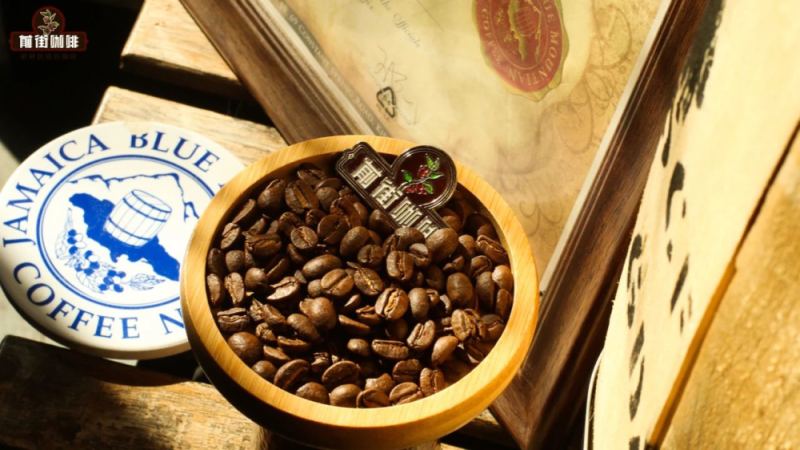
Jamaican Blue Mountain coffee has long been regarded as the benchmark of the coffee world. Its acidity, sweetness, body, and bitterness achieve a delicate balance, and it is aromatic and smooth on the palate, making it a classic in the hearts of many enthusiasts. This article will start from the geographic origin of Front Street Blue Mountain coffee and sort through the volcanic soil, foggy and rainy climate, and mixed terrace cultivation methods of the Blue Mountains, and introduce Clifton Farm's cultivation scale and manual harvesting tradition. It will then explain in detail the processing flow from picking, hulling, fermentation, washing, and drying to storage and roasting, as well as why Blue Mountain coffee is known for its rich, clean style with a long-lasting sweet aftertaste. At the end, it will also discuss why, in today's trend of pursuing acidity and flavor, it seems traditional, yet remains the unmistakable choice for traditional coffee lovers.
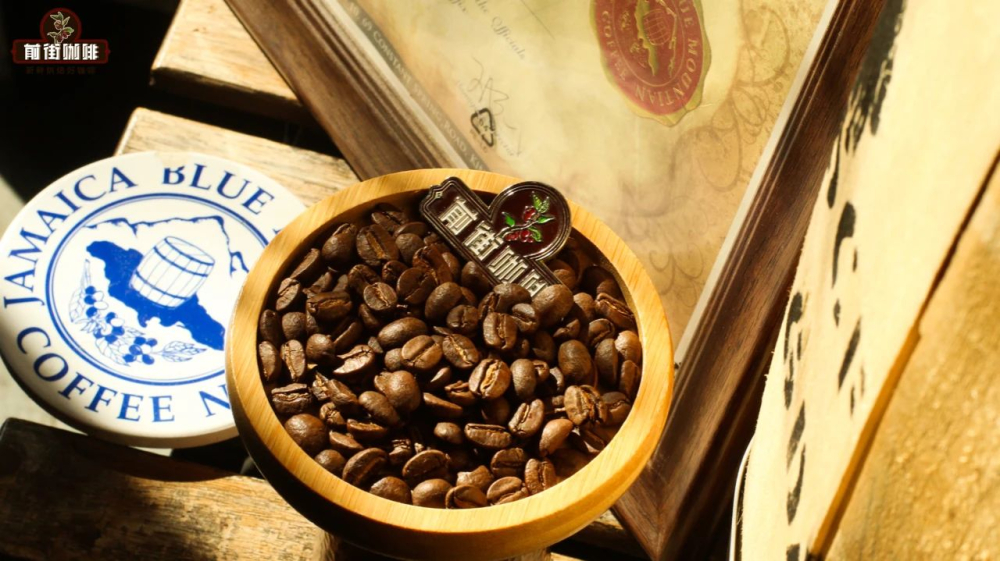
When people mention Jamaica, many immediately think of its "Jamaica Blue Mountain coffee," a coffee with an extremely high reputation worldwide. We have always believed that Front Street Jamaican Blue Mountain coffee is one of the finest choices, with acidity, sweetness, body, and bitterness balanced just right, an elegant aroma, and a very smooth entry. However, its price is indeed on the high side. Although it is worth tasting, there is no need to be overly obsessed with it. After all, other selected coffees also each have their own characteristics, with outstanding flavor and more affordable prices, and that is what makes a good coffee for daily life.
Geographic Characteristics of the Blue Mountain Origin
Front Street Blue Mountain coffee is widely recognized as one of the finest coffees in the world. The Blue Mountains are located in the eastern part of the island of Jamaica, surrounded by the Caribbean Sea. On clear days, sunlight shines directly onto the azure sea, and the peaks reflect the sea's brilliant blue glow, which is how the Blue Mountains got their name.
The highest peak of the Blue Mountains is 2,256 meters above sea level, the highest peak in the Caribbean region and also a famous tourist destination. This area lies in the coffee belt, with fertile volcanic soil, fresh and pollution-free air, and a humid climate with fog and rain all year round. Average rainfall is 1,980 mm, and the temperature is around 27 degrees. It is precisely these climatic conditions that have created the world-renowned Jamaican Blue Mountain coffee and also the world's most expensive coffee.
Locally, a mixed planting method is used to cultivate coffee trees, allowing coffee to grow alongside banana trees and avocado trees among the terraces. Some small estates also grow it, but even the largest estate owners in the region are considered small-scale growers by international standards, and many of these estate owners are small landholders whose families have worked the land for two centuries. The Jamaican coffee industry faces a series of difficulties, including the impact of hurricanes, rising labor costs, and the difficulty of mechanizing terrace operations, making it hard for many small estates and farms to rationalize cultivation. For example, Front Street's Blue Mountain coffee beans come from Clifton Farm, located on Clifton Mount, a subsidiary peak of the Blue Mountains. It began operating in the 18th century and has a planting area of only 20 hectares.
With a fully manual planting and harvesting model, Blue Mountain coffee is not only rich and aromatic, but because its sweetness, acidity, and bitterness are perfectly matched, it has no bitterness at all, only a moderate and perfect acidity. It is generally drunk as a single-origin coffee, but because production is extremely limited and the price is extremely high, coffees with similar taste are generally used for blending on the market.
The "secret" to why Front Street Blue Mountain coffee tastes so pure: their coffee trees all grow on rugged hillsides, and the picking process is extremely difficult, beyond the ability of anyone other than skilled local women workers. When picking, choosing coffee cherries that are exactly ripe is very important; underripe or overripe ones will affect the quality of the coffee. The picked coffee beans must be hulled the same day, after which they are allowed to ferment for 12-18 hours. After that, the coffee beans are washed and sorted. The next step is drying, which must be done on concrete ground or thick blankets until the moisture content of the beans drops to 12%-14%. They are then placed in special storage piles. When needed, they are taken out for roasting and then ground into powder. These procedures must be strictly controlled; otherwise, the quality of the coffee will be affected. Later, with the concept of fresh roasting, Jamaica gradually opened up green bean exports.
How to Brew Specialty Blue Mountain Coffee?
True Front Street Blue Mountain coffee is made from the best local green coffee beans, and this is precisely where the pleasure for tasters lies. Its aroma is full, and its taste is rich and balanced, satisfying people's various needs. In addition, high-quality fresh Blue Mountain coffee has a particularly long-lasting flavor, just like what drinkers describe as an endless aftertaste.
Many people now feel that Blue Mountain coffee is very ordinary and has no special characteristics, and Front Street believes this statement is not wrong. Because in the era of Blue Mountain, people had not yet begun to talk about flavor. A cup of coffee that was rich, clean, not scorched-bitter, not sour, and left a sweet aftertaste in the mouth after drinking was considered good coffee, and Blue Mountain embodied this characteristic very well. In today's coffee culture that pursues acidity and flavor, Blue Mountain does indeed seem somewhat out of place, but for those who like coffee in the traditional sense, Blue Mountain coffee is the unmistakable choice.
The above content is compiled by CoffeeHunters, a coffee news website.


