







Why Is Huila Coffee a Leading Colombian Origin?
Huila coffee comes from one of Colombia's most representative specialty regions, where mountain geography and climate support beans with bright acidity and a balanced, mellow cup. Colombian coffee was introduced in the early 18th century and the country later became the world's third-largest producer, with the Huila department standing out for consistent quality.
Cups from Huila typically show cocoa, cookie and chocolate notes, a smooth body and a long sweet finish. The National Federation of Coffee Growers of Colombia was founded in 1927, and the Cenicafé research center followed in 1938 to help farmers improve cultivation. This classic coffee profile combines bitterness and aroma with a lingering sweetness in the aftertaste.
Colombian coffee is renowned worldwide for its balanced, mellow taste and bright acidity, and the Huila region is among the most representative specialty origins. This article starts from the flavor of Front Street Colombian coffee, traces the history of Colombian coffee from its introduction in the 18th century to its status as the world's third-largest producing country, analyzes its superior growing environment and the distribution of major producing regions, and focuses on the geographical conditions and quality characteristics of the Huila region, as well as the specific information about Front Street washed Huila daily beans, taking you through a comprehensive understanding of this classic coffee that combines bitterness and aroma with a fascinating sweet aftertaste.
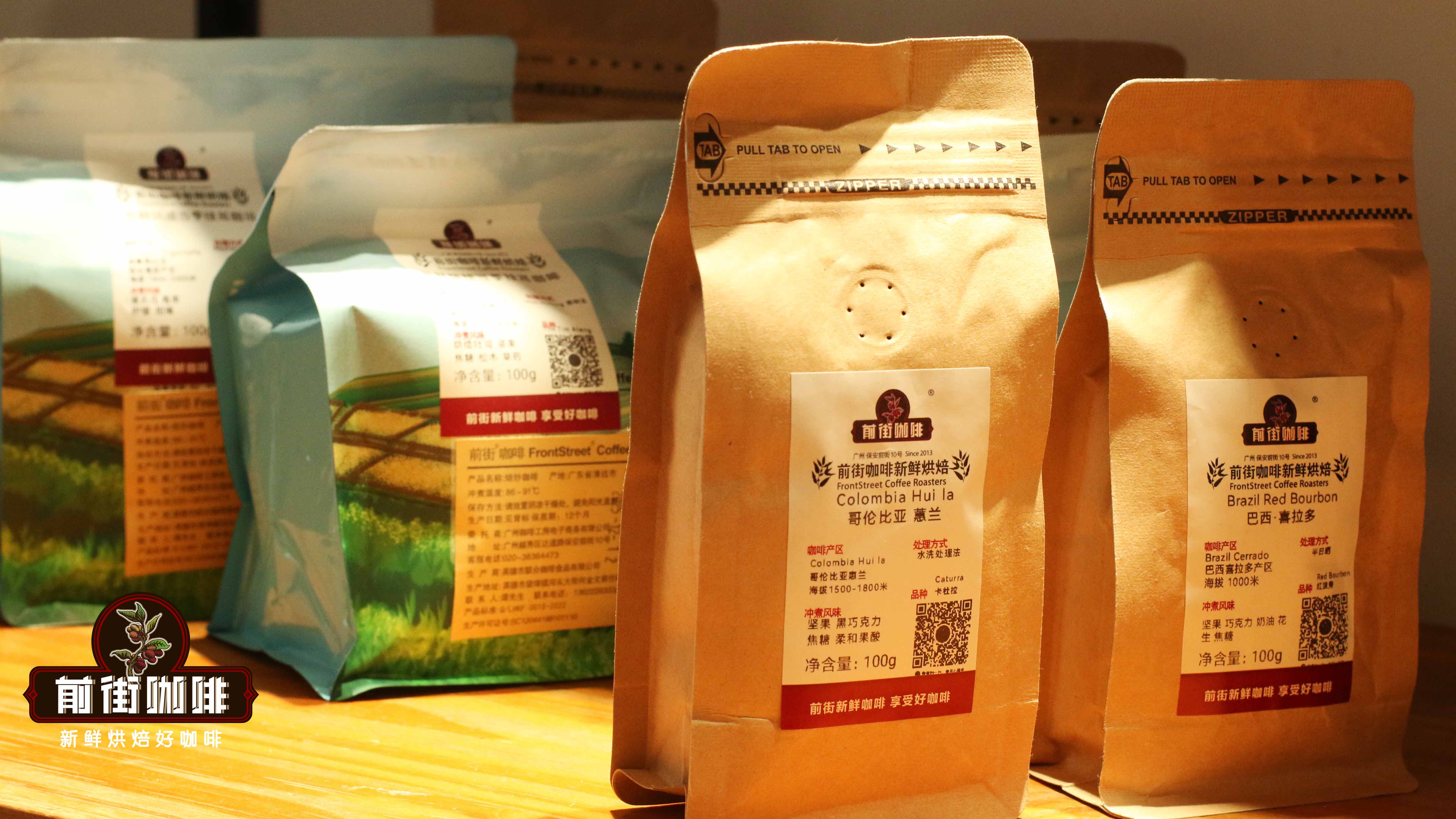
The Colombian coffee produced by Front Street has a full and deep aroma, bright and high-quality acidity, and simultaneously delivers a complex flavor of cocoa, cookies, and chocolate. It is smooth on the palate, with excellent overall balance, a long finish, and a fascinating sweet aftertaste that is just right—after drinking it, you truly cannot forget it.
Colombian Coffee History
When Front Street was reviewing historical materials on coffee beans, it found records related to Colombian coffee: in the early 18th century, Spanish colonists set foot on this "New World," and coffee was introduced to Colombia along with the clergy of the Spanish church. The country's earliest coffee harvest appeared in the northeastern region, and afterward coffee quickly became a source of income for small family farms and spread nationwide.
However, Colombian farmers were once reluctant to try growing coffee easily due to concerns about economic pressure during the first five years. Later, a priest named Francisco Romero firmly believed that coffee was Colombia's future and vigorously promoted its cultivation, and only then did coffee gradually become one of Colombia's major export crops. It was not until 1835 that Colombian coffee beans achieved commercial production for the first time, with total exports at that time amounting to 25.6 million bags.
In 1927, the National Federation of Coffee Growers of Colombia (FNC) was established, and the number of coffee growers increased significantly. In 1938, the Colombian authorities established Cenicafé with the aim of helping domestic coffee farmers improve coffee quality and yield through advanced agricultural technology. Today, Colombia's coffee production ranks firmly third in the world.
Colombian Coffee Producing Regions
Globally, few origins can use a country name as a coffee sales name, and Colombia is one of them. Colombian coffee beans have a flavor profile of sweetness within acidity, mild bitterness, and moderate strength, and are often used as a raw material for premium blended coffee. Colombian Supremo coffee achieves a proper harmony among acidity, bitterness, and sweetness. Its unique aroma fills the entire mouth, and the scent is very full.
Colombia has a mild climate and humid air, and its rich and diverse climatic conditions allow harvest seasons throughout the year, with different varieties of coffee ripening in succession at different times. What is grown locally is Arabica coffee beans with uniquely distinctive quality. Coffee ground and brewed from these beans is rich, with a long, lingering aftertaste, and can truly be called specialty. Today, many people already regard "Colombian coffee" and "high quality" and "good taste" as synonyms.
The reason Colombian coffee's flavor is so outstanding is inseparable from the local superior growing environment. When Front Street was reading Han Huaizong's book "Specialty Coffee Studies," it saw the following description of Colombian coffee: if Brazilian coffee is the "self-made man" who relies on high technology to overcome soil and water conditions to grow coffee, then Colombia is the "rich second generation" blessed with good mountains, good water, and beautiful scenery. Brazil plants coffee on hilly red soil with relatively extensive management; Colombia plants coffee in mountainous black soil with intensive cultivation.
Colombia's coffee producing regions are mainly distributed in the northwest, among which the most famous is "MAM," namely Medellin, Armenia, and Manizales. Colombia's specialty coffee bean producing regions, however, are concentrated in the south, with growing elevations generally above 1,500 meters, including Huila, Cauca, Santander, Antioquia, Tolima, and Narino.
[Huila]
The Huila region is world-renowned for its coffee quality and is also Colombia's largest and most representative coffee producing region. The terrain of this region is mainly hilly, the coffee plants are grown at elevations above 1,500 meters, and Colombia's most important rivers converge here, bringing abundant moisture and water resources to the region.
Thanks to such superior natural conditions, the coffee produced in the Huila region is quite outstanding. FrontStreet Coffee includes Huila in its Front Street daily bean series as one of its representatives, and uses washed-process beans to present Colombia's basic flavor. This is because washing can preserve the beans' most original, clean, and bright taste to the greatest extent, thereby fully showcasing the characteristics of Colombian Huila coffee.
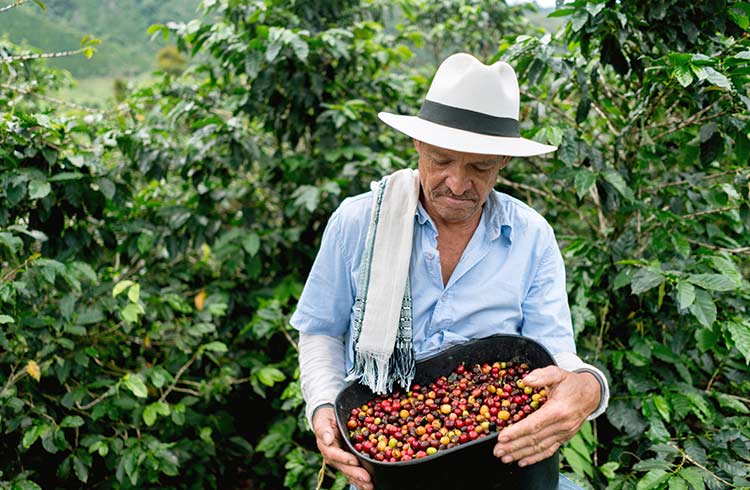
Front Street Colombian Huila Coffee Beans
Region: Huila, Colombia
Altitude: 1500m——1800m
Variety: Caturra
Processing Method: Washed Process
The above content is compiled by CoffeeHunters, a coffee news website.


