







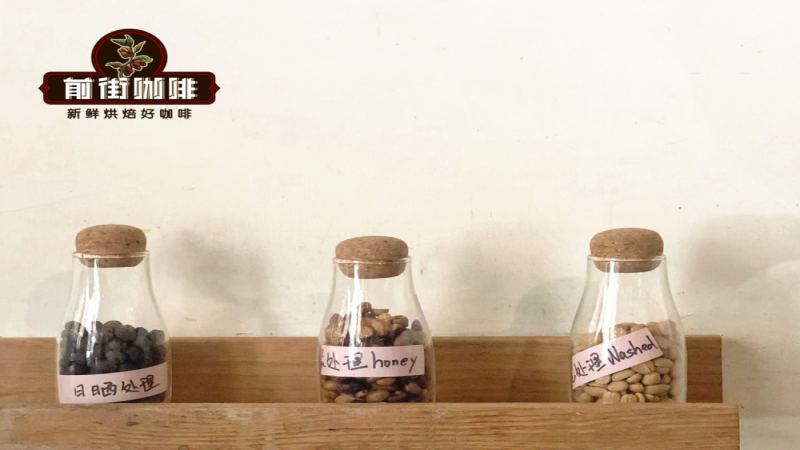
Honey processing is a method of processing green coffee beans that falls between washed and natural, and is especially common in places like Costa Rica in the Americas. By retaining part of the mucilage layer, it allows the coffee to ferment during drying, resulting in a unique flavor profile distinct from washed and natural coffees. This article will systematically introduce the complete honey processing workflow—from fruit collection, depulping, and drying to storage—and explain the characteristics of different grades and styles such as yellow honey, red honey, black honey, and raisin honey. At the same time, we will also share ideas for brewing honey-processed coffee at home by hand, and recommend beans worth trying such as Front Street Coffee Costa Rica Blackberry and Front Street Coffee Strawberry Candy, as well as the specific regional information for Nicaragua Jaime Molina Honey-Processed Red Bourbon, to help coffee lovers fully understand the appeal of honey-processed coffee.
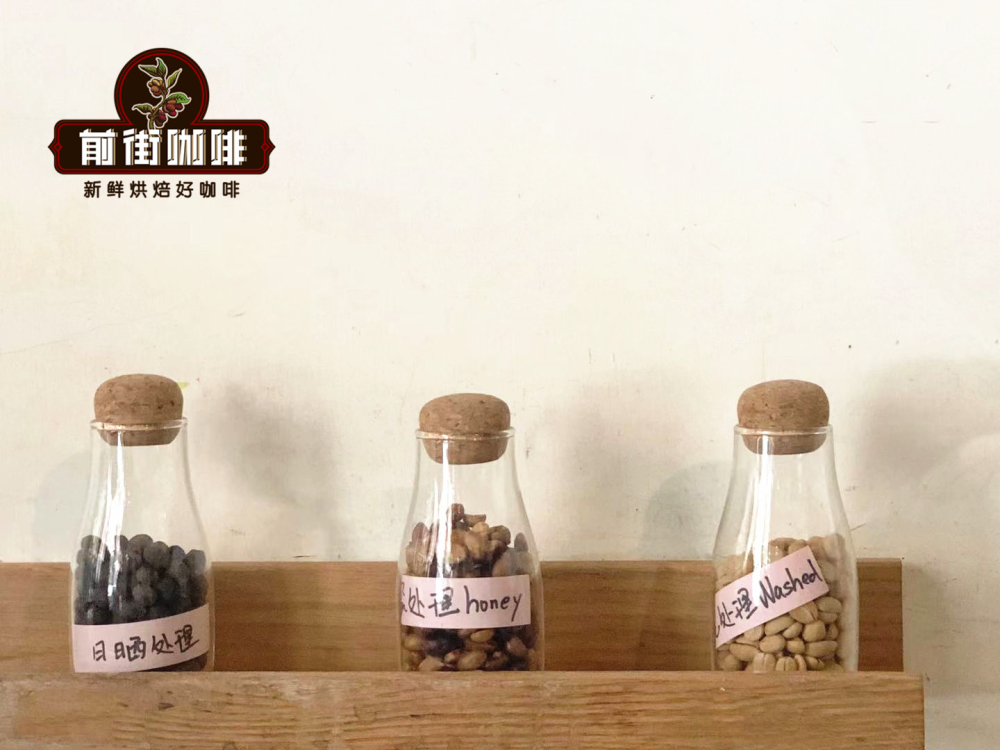
Honey processing is a processing method between washed and natural, and is relatively common in places such as Costa Rica in the Americas. Because part of the mucilage is retained, coffee using this processing method develops a flavor expression different from washed and natural coffee.
1. Collection
After the coffee cherries are picked, they are gathered for sorting, from which fruits of good appearance and meeting the standards are selected.
2. Depulping
The sorted coffee cherries are sent into a depulper for depulping. This step removes the skin and flesh of the fruit but retains the mucilage layer. Mucilage is the part of the coffee fruit with the highest sugar content and is also the key to enabling fermentation during processing. It can be said that about 80% of the nutrient supply during the processing stage is determined by it. Yellow honey retains 60% of the mucilage, red honey retains 75%, and black honey removes almost no mucilage. The more mucilage retained, the richer the flavor the coffee tends to show in the end, and the higher the sweetness.
3. Drying
Unlike washed processing, honey processing dries with part of the mucilage still present. The drying process reduces the moisture content of the coffee beans to around 11%, taking about 18 to 25 days, depending on the local climate and the processor's experience and judgment.
4. Storage
After drying is completed, the coffee beans are bagged and transported to warehouses for storage, and hulling to remove the parchment layer is not carried out until just before export shipping.
Grades of Honey Processing
In places such as Costa Rica, Brazil, or Colombia, processing plants used to use high-pressure washing machines, so removing the fruit flesh and skin also removed part of the mucilage. Based on how much mucilage remains (40% to 100%), honey processing is divided into four grades: 40%, 60%, 80%, and 100%. Of course, some growers deliberately remove part of the mucilage to prevent the coffee from becoming too fruity and acidic due to over-fermentation during drying.
Yellow Honey The green coffee beans receive the longest exposure to light. Long light exposure means higher temperatures, so this type of coffee can usually complete drying in about 1 week. Normally, the drying time of coffee depends on the local climate, temperature, and humidity conditions.
Red Honey The green coffee beans take 2 to 3 weeks to dry, usually because of weather conditions or being placed in the shade. If the weather is sunny, growers will block part of the sunlight to shorten the light exposure time.
Black Honey The green coffee beans are placed in the shade and have the longest drying time and the shortest light exposure. This coffee requires at least 2 weeks to dry. The green bean processing of black honey is the most complex and has the highest labor cost, so the price is also the most expensive. When buying black honey coffee, Front Street Coffee Costa Rica Blackberry is the first choice, with soft floral notes and the sweetness of prune flesh, a fresh yet rounded flavor, and a finish with cherry aroma.
Front Street Coffee believes that honey-processed coffee beans have a better flavor, with balanced acidity and sweetness, and because, like the natural method, they have undergone sun drying, the coffee beans' own aroma is also amplified, with a rich, mellow taste. At the same time, honey processing uses relatively little water during processing, and the drying time is also shorter than natural processing, greatly speeding up green bean processing time. Raisin Honey Processing
The raisin honey processing method is a zero-water processing method that retains 100% of the mucilage. It increases the difficulty of the honey processing method, which requires strict control of timing. On the day the coffee cherries are harvested, the harvested coffee fruit is poured into a large water tank. Fully ripe and plump fruits sink to the bottom; underdeveloped or overripe fruits float to the surface, and these floating beans need to be removed. The selected coffee cherries are placed on raised beds to dry for at least three days, then the cherry skin is removed, and after the mucilage is retained, they are dried again. At this stage, climate factors are the key to successful honey processing.
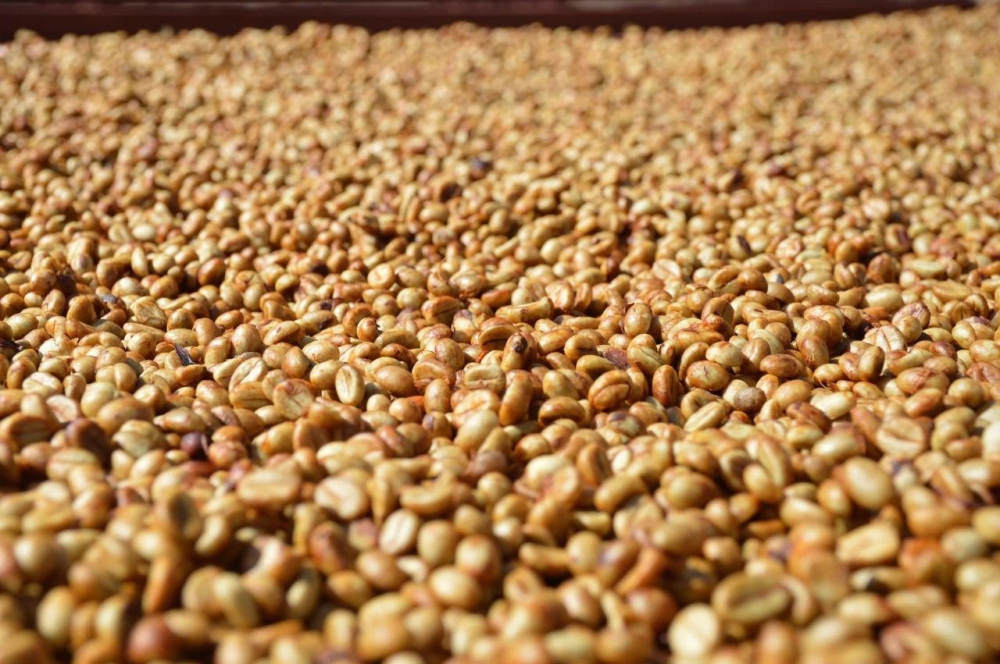
During the drying process, these coffee cherries must be turned constantly to ensure even drying, but the frequency of turning must be well controlled. Drying must be slow to ensure the coffee undergoes fermentation, but not so slow that over-fermentation occurs. This sweet raisin honey processing method gives the coffee a white wine-like mouthfeel and balanced acidity, and the fermented aroma is also relatively intense. Front Street Coffee believes that raisin honey-processed coffee beans have a rich fermented quality and the sweetness of dried fruit, and recommends Front Street Coffee Strawberry Candy, which has light rose, grape, and blueberry flavors.
Jaime Molina Honey Processing
Country: Nicaragua
Region: La Sabana, Madriz
Estate: Jaime Molina
Estate owner: Montecristo
Processing plant: Jaime Jose Molina Fiallos
Altitude: 1400-1450m
Harvest period: December-March of the following year
Processing method: Honey processing
Variety: Red Bourbon
Flavor description: Chocolate, red fruits, juicy mouthfeel, balanced medium body
The above content is compiled by CoffeeHunters, a coffee news website.


