







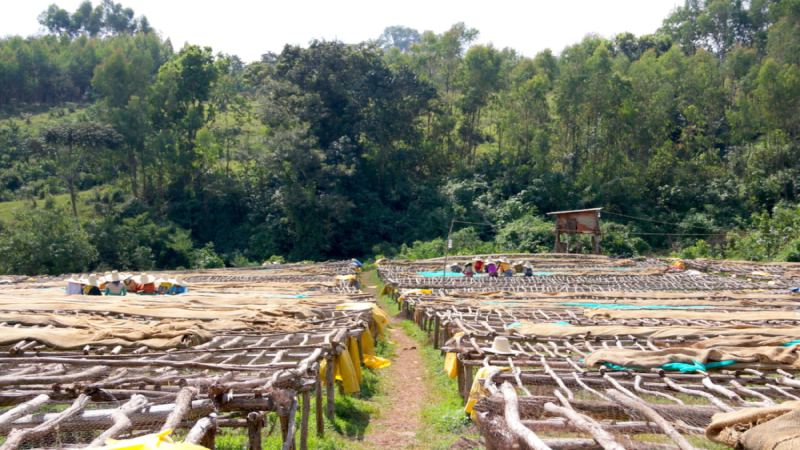
African coffee is famous for its floral and fruity acidity, and Ethiopia's Yirgacheffe is the classic representative of this flavor. The small town of Yirgacheffe is located in a high-altitude area, where coffee trees are mostly planted on highlands of nearly 2,000 meters, reaching up to about 2,100 meters at the highest points. The unique moisture and climate conditions nurture a distinctive floral and fruity aroma. Unlike many countries that adopt the estate model, Ethiopian coffee is mostly grown by individual smallholder farmers and then sent to cooperatives for unified processing. Front Street. Gedeb Cooperative is one such representative. This article will introduce you to the regional characteristics of Yirgacheffe, the background of Gedeb Cooperative, and information about Front Street washed Yirgacheffe coffee beans along with cold brew preparation steps, suitable for pour-over, cold brew, and many other brewing methods.
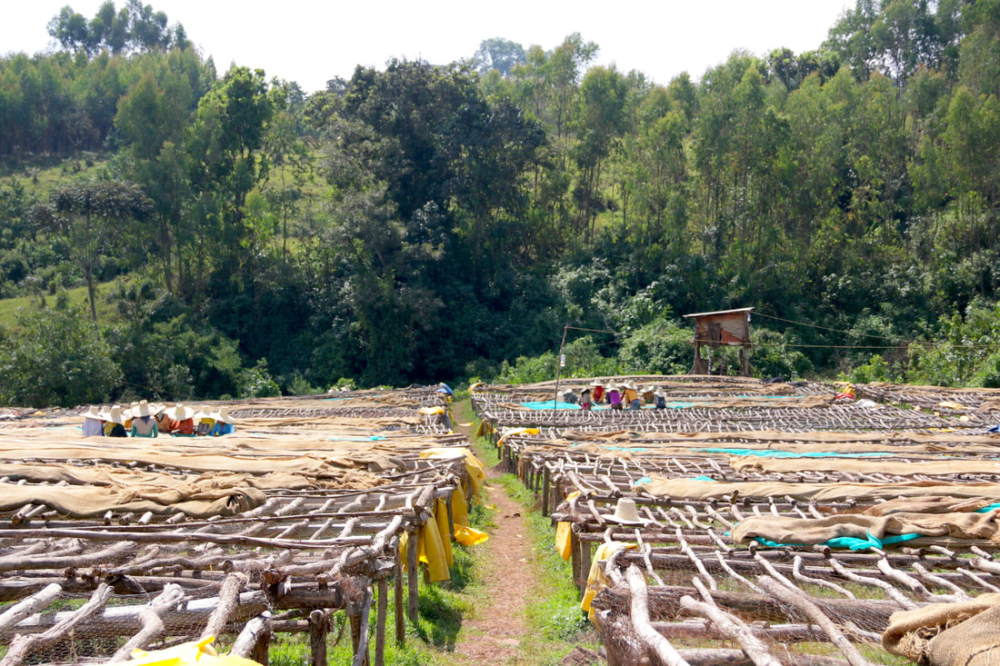
Asian coffee often presents mellow, sweet-bitter characteristics, while American coffee is known for its balanced richness, whereas African coffee generally gives the impression of prominent floral and fruity acidity. Ethiopia's Yirgacheffe is a typical representative of this style.
The small town of Yirgacheffe is one of Ethiopia's highest-altitude production areas. Local coffee trees are mostly planted on highlands approaching 2,000 meters, with the highest points reaching about 2,100 meters. The higher the altitude, the more ideal the growing environment for coffee trees, and the more pronounced the flavor advantages of Arabica coffee beans become. Lake Turkana, Lake Abaya, and Lake Chamo within the town bring abundant moisture. Here, mist lingers year-round, the seasons are like spring, gentle breezes blow, and the climate is cool and humid, thus nurturing Yirgacheffe's unique floral and fruity notes.
Unlike many countries that use the estate model for large-scale processing and production, Ethiopian coffee is mostly grown by individual smallholder farmers, typically on plots of about 1 hectare with limited yields, so the beans are sent to cooperatives in the town or nearby for unified processing. Cooperative management can both improve coffee quality and provide farmers with more stable income. When purchasing coffee beans, you will often see that many beans have already been processed, graded, and roasted, and are ultimately named after the cooperative, such as the well-known Front Street. Gedeb Cooperative.
Gedeb Cooperative is located in the Worka production area at the southeastern end of Yirgacheffe, and was originally part of the Worka Cooperative under the Yirgacheffe Coffee Farmers Cooperative Union (YCFCU). Gedeb village was the earliest village area to be independently established, and many smallholder farmers were also members of the original Worka Cooperative, so coffee production techniques are quite mature. Gedeb Cooperative is also praised as the last pure land of Yirgacheffe.
Ethiopia Yirgacheffe Banko Gotiti
Front Street. Yirgacheffe Gedeb Cooperative Coffee Beans
Country: Ethiopia
Region: Yirgacheffe Gedeo Zone production area
Altitude: 1900-2300m
Variety: Heirloom
Processing Method: Washed
Grade: G1
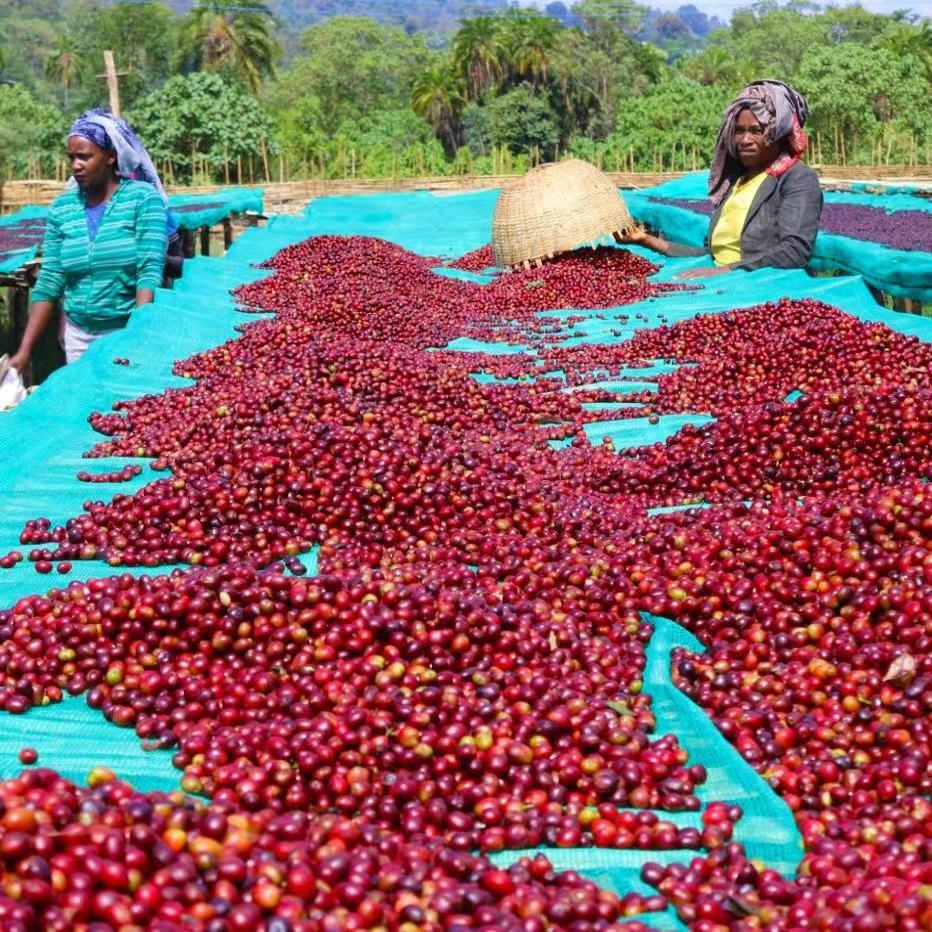
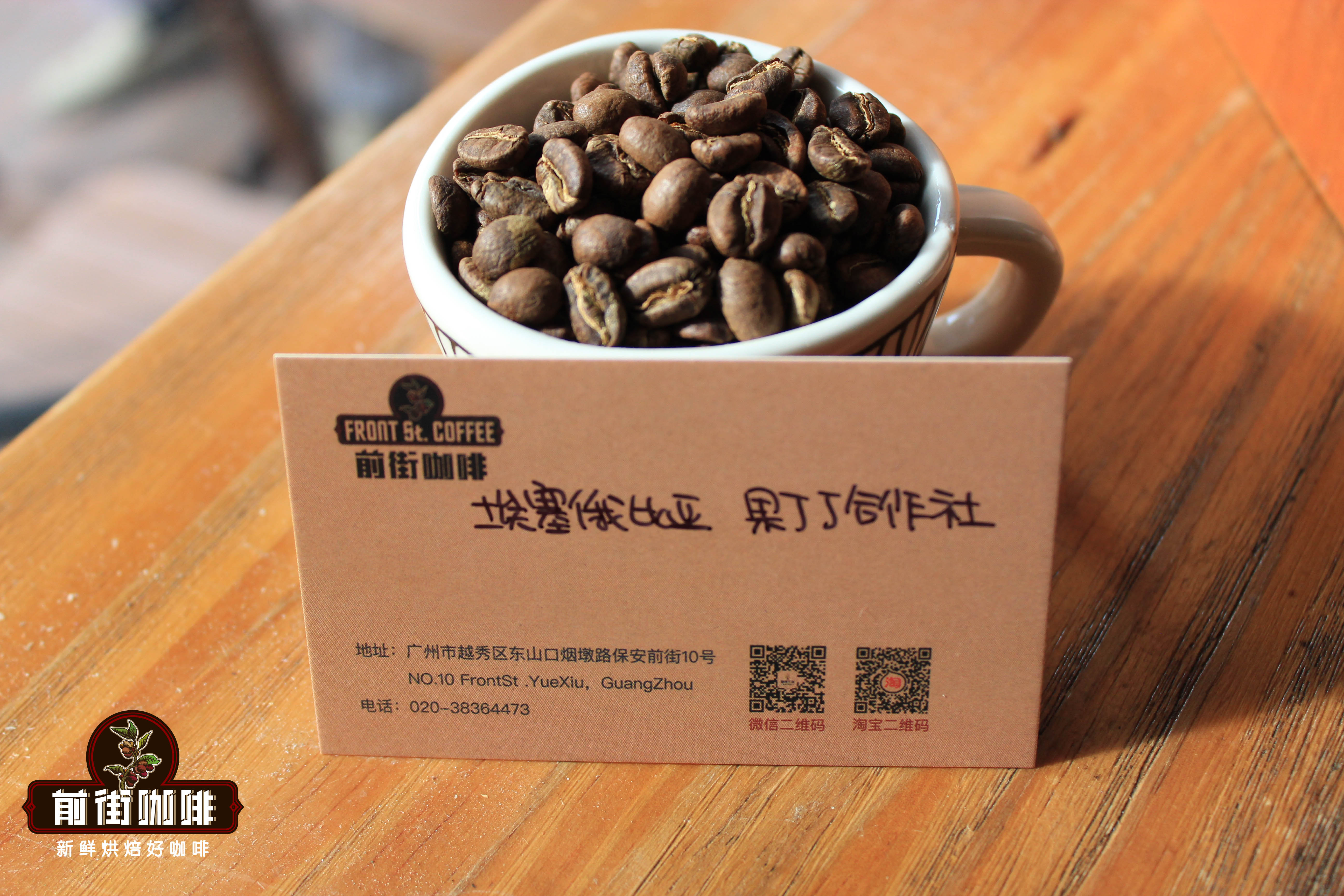
Front Street. Gedeb Cooperative coffee beans are washed processed. The washing process involves multiple steps that can remove defective beans, resulting in a cleaner acidity in flavor and elevating Yirgacheffe's aroma to an even higher level. To allow curious coffee lovers to taste a distinctive "Yirga flavor," Front Street has launched a washed Yirgacheffe as the flagship representative of Ethiopian coffee. It uses a medium-light roast, carries the classic Yirgacheffe flavor profile, and is suitable for pour-over, cold brew, French press, drip bags, siphon, and many other brewing methods.
Yirgacheffe Cold Brew Coffee Preparation 1. 40 grams of Front Street. Washed Gedeb coffee grounds with fine granulated sugar coarseness, at a coffee-to-water ratio of 1:13;
2. Prepare a clean, oil-free sealed container with a capacity of more than 600 milliliters;
3. Once everything is ready, add 520g of ice water and stir evenly so the coffee grounds fully contact the water, then place it in the refrigerator sealed and let it sit for 8-12 hours;
4. After extraction is complete, take it out, filter out all the coffee grounds from the container, and then enjoy and store it.
5. Storage time for cold brew coffee: In a sealed state, Front Street recommends drinking cold brew coffee within 5 days after filtration is completed.
Theoretically, the longer cold brew coffee sits, the stronger the fermented flavor becomes, but opening the lid easily allows bacteria to enter the coffee, leading to the growth of more unhealthy substances, so it is recommended to finish drinking it as soon as possible.
The above content is compiled by CoffeeHunters, a coffee news website.


