







After reading the title, I believe many of you are already nodding and saying, "Yes, yes, that's exactly how I feel." Hurry up and scroll down to clear up your confusion.
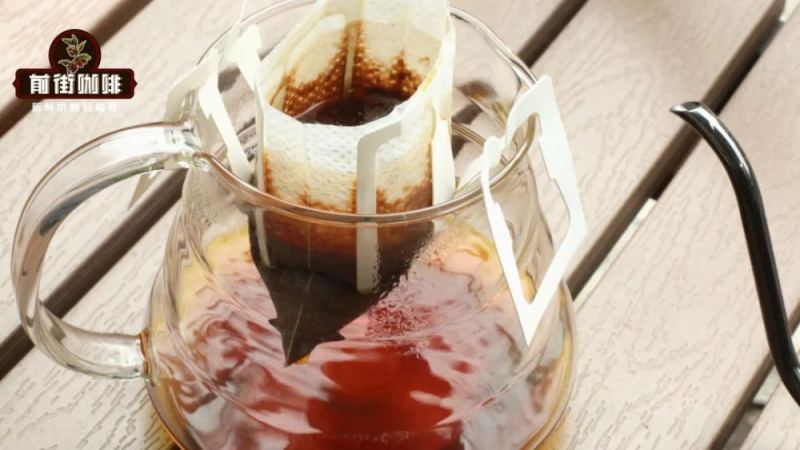
You followed the tutorial steps exactly: tear open - hang it up - boil water - pour water - wait for it to drip through... But it seems like a long time has passed, so why is the water still floating on top with the coffee grounds soaking below? You wonder if you should stir it with a stirrer or just keep waiting for it to slowly drip through?
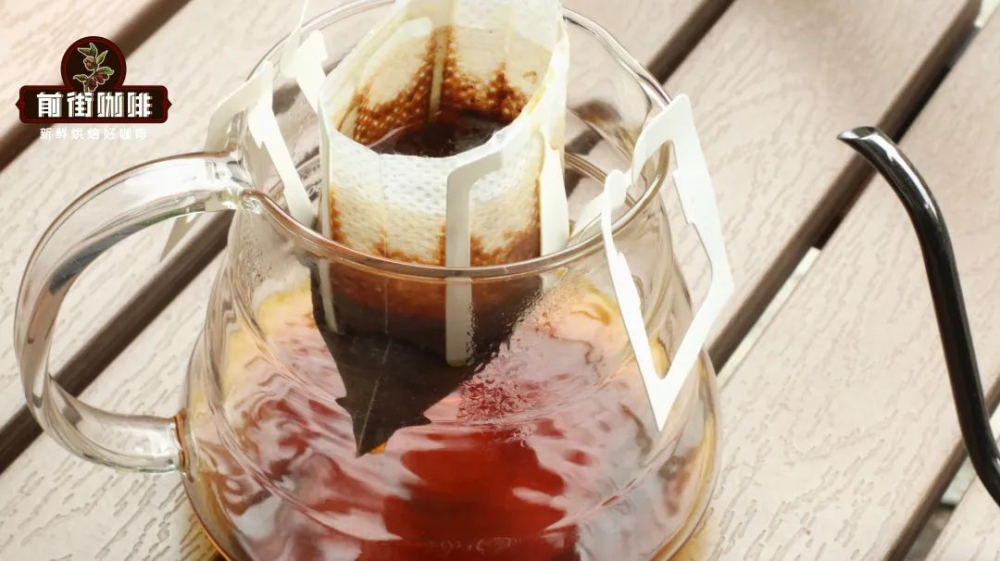
Why does a drip bag get clogged?
Like pour-over, drip bag coffee is a filtered extraction method. Coffee beans are pre-ground and sealed in non-woven filter bags, then opened and brewed when needed. The entire drip bag consists of just the main character (coffee grounds) and the supporting role (filter bag). The filter bag acts as both dripper and filter paper, and the flow rate depends directly on the resistance the hot water encounters. To understand why your drip bag keeps getting clogged, we can look at the following points.
The filter bag of drip bag coffee is usually made of non-woven fabric, with a structure similar to a metal mesh filter, consisting of a coarse mesh non-woven layer and a fine non-woven layer. The drainage principle of a drip bag is that coffee liquid is filtered out through the fine pores around it.
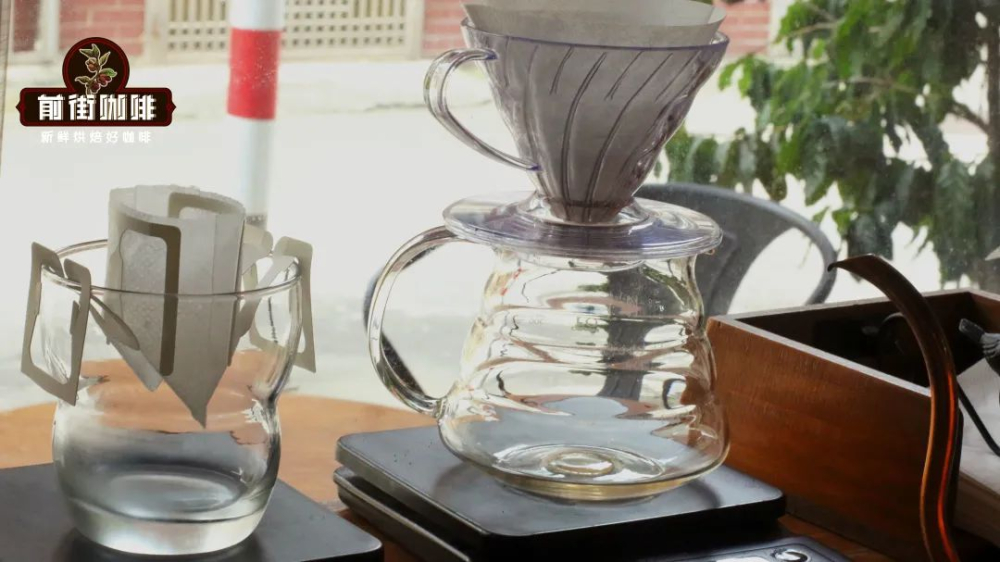
Front Street did a comparison test, simultaneously pouring 50g of water into an empty drip bag filter and a 01 dripper with filter paper (KONO). The regular filter paper group finished dripping in about 35 seconds, while the water in the filter bag took until 2 minutes to fully drain. It's clear that the filtration speed of the filter bag is noticeably much slower,providing a better soaking effect during brewing.
During actual brewing, there is pre-ground coffee at the bottom, so the higher the water level, the more water flows out through the holes around the sides, and the faster the liquid permeates down to the lower vessel. If the water level is too low, most of the coffee-water mixture accumulates at the bottom of the bag. Affected by gravity, the vast majority of hot water can only drip down along the two pointed corners of the bag, making the water descend more slowly.
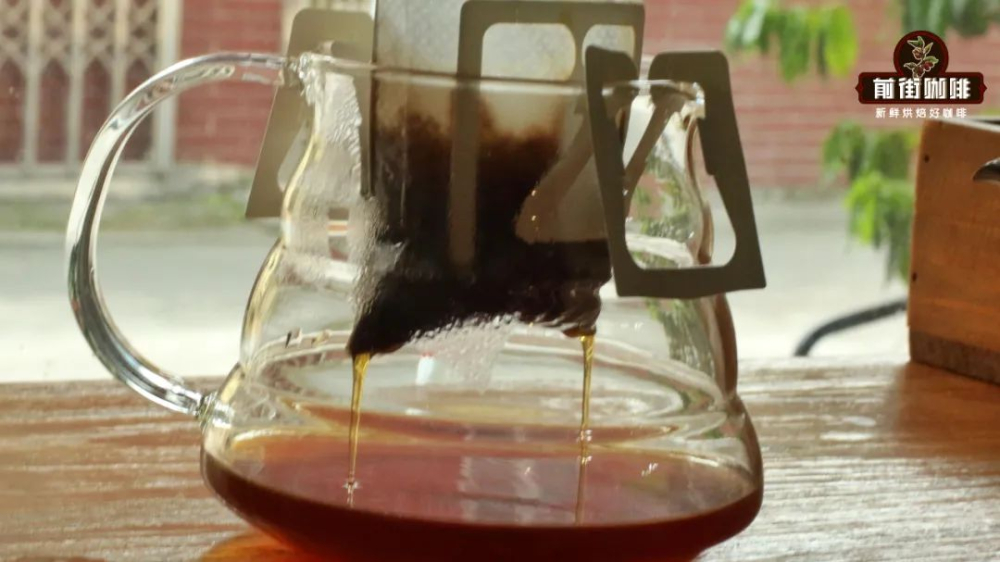
Besides water level, the circular pouring technique can also lead to "flooding." Many drip bag brewing guides mention that if conditions allow, you can mimic the circular pouring technique of pour-over, trying to rinse all the coffee grounds to ensure even extraction. However, if the final circular pour is not well controlled and "splashes" onto the filter bag, washing all the grounds to the bottom, it will naturally cause clogging and prevent drainage. At this point, the coffee often comes with an over-extracted bitter note.
If you have some pour-over experience, you should know that one of the biggest factors affecting drainage speed is the coffee grind size. Coarser particles encounter less resistance; finer particles make it harder for water to pass through smoothly. If your drip bag always leaves coffee grounds that look like mud after brewing, it means the coffee was ground too fine, causing drainage difficulty.

When discussing pour-over details, Front Street once analyzed that the more you tap the dripper (the more times you do it), the easier it is for fine particles to fall through the gaps to the bottom, causing clogging during brewing. The same applies to drip bag coffee. Some people habitually shake the package vigorously before opening it. The more the filter bag is shaken, the greater the chance that fine particles sink to the bottom, making it more likely to cause clogging in the final stage.
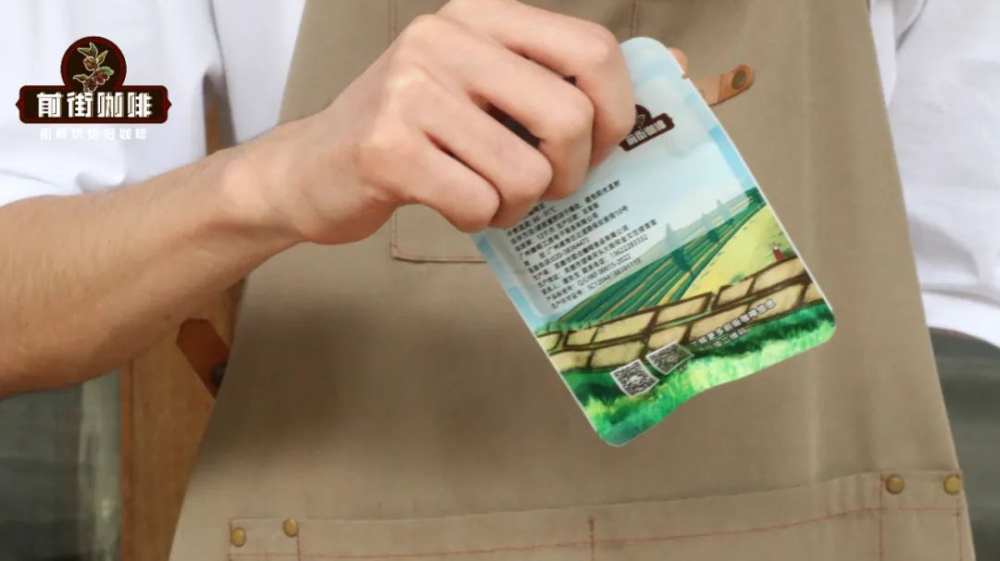
When taking out the coffee drip bag, try to avoid shaking the package vigorously. Simply tear open the non-woven bag along the dotted line, pull apart the two ears, gently shake the powder flat, and hang them on the edge of your cup or sharing pitcher.

If every drip bag you buy gets clogged toward the end of brewing, with the coffee grounds clearly muddy after dripping and the taste leaning toward a flat profile, it's almost certain that the merchant ground the coffee too fine during production. You might want to explain the situation to them and ask for a coarser grind.
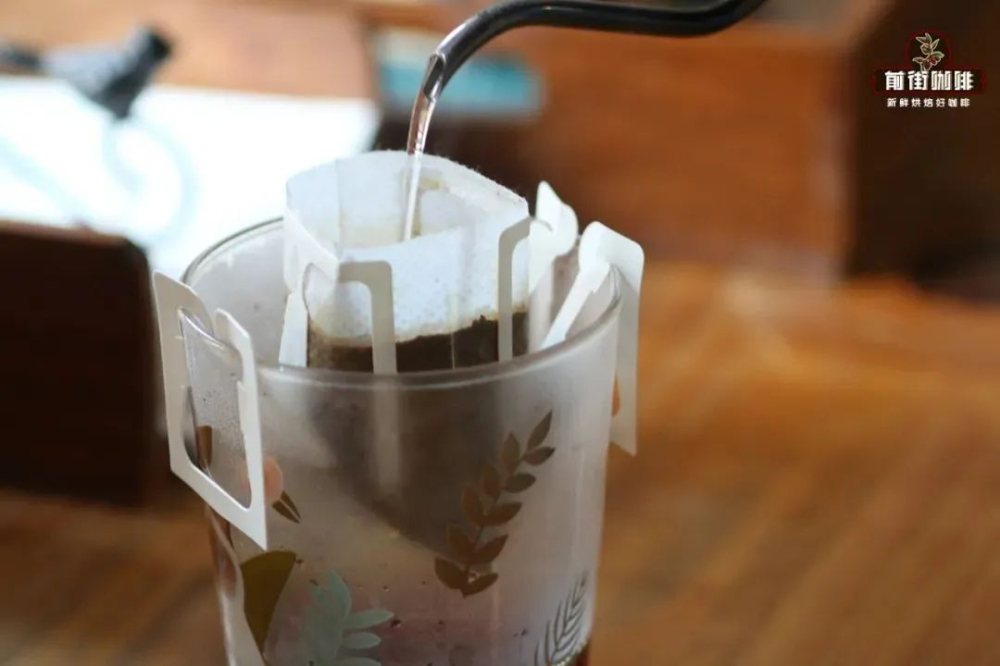
In terms of pouring technique, compared to a pour-over dripper, the drip bag provides very little space for the coffee grounds to tumble, so we need extra agitation to speed up the tumbling of these particles. Front Street recommends using a strong stream throughout, pouring in multiple stages in small circles or at the center, so that the coffee grounds are sufficiently rinsed while the water level is raised to about 9/10 full. This way of pouring allows flavor compounds to be fully extracted and also provides more pores for the coffee liquid to seep through, avoiding over-extraction caused by soaking too long.
Front Street Coffee (FrontStreet Coffee)
No. 10, Baoqian Street, Yandun Road, Dongshankou, Yuexiu District, Guangzhou, Guangdong Province

The above content is compiled by CoffeeHunters, a coffee news website.


