







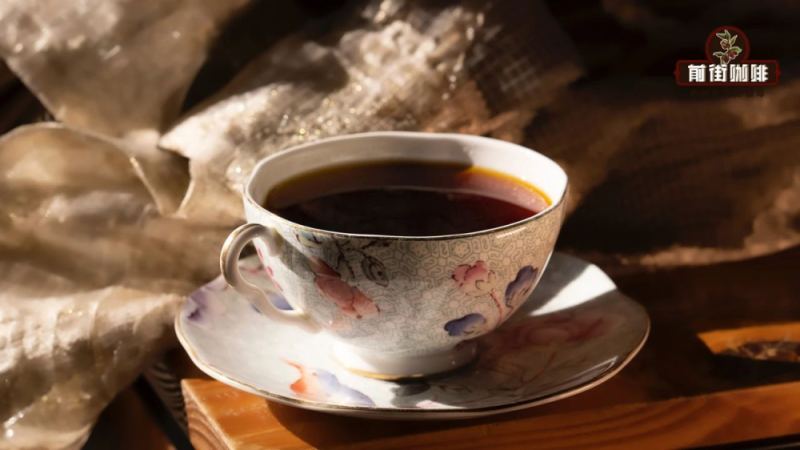
The core growing region for Chinese coffee is Yunnan, and the story of Yunnan coffee begins over a hundred years ago. From the first coffee tree planted by a French missionary in Zhukula, to Typica being replaced on a large scale by Catimor, to Front Street Coffee establishing its own estate in Lincang to select and breed Typica and launch "Front Street 2013," Yunnan coffee has undergone variety changes and industrial upgrading. This article will sort out the historical threads of Yunnan coffee and the characteristics of its main growing regions, explain in detail the differences among the three major varieties Typica, Bourbon, and Catimor, and introduce the influence of washed and natural processing methods on flavor. It also includes V60 brewing parameters and flavor descriptions for Front Street 2013 and Yunnan Arabica, helping coffee enthusiasts gain a comprehensive understanding of the current situation and charm of Yunnan coffee.

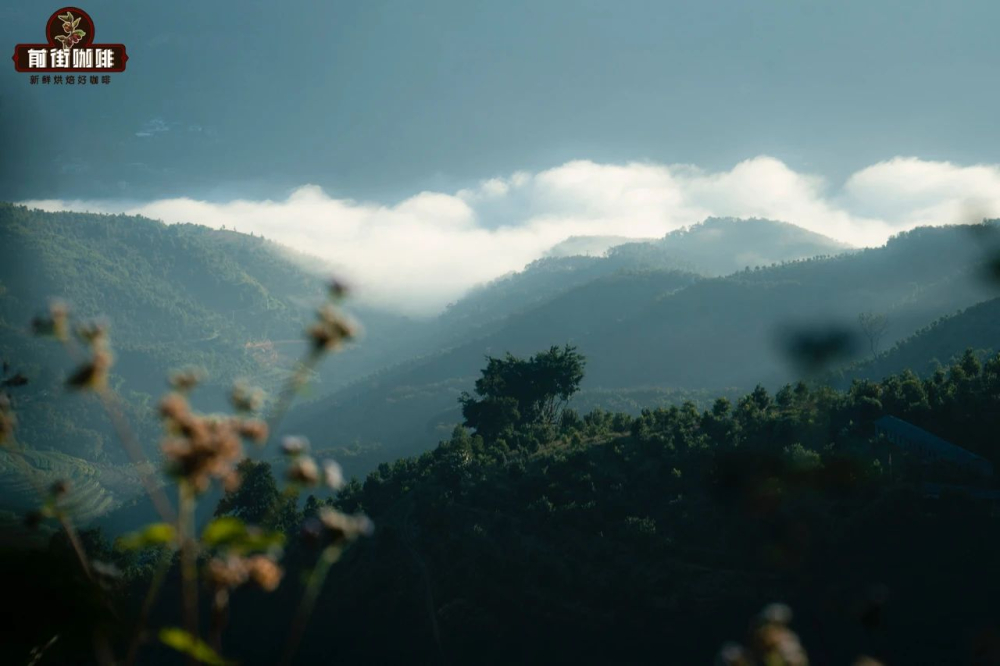
The history of Chinese people drinking tea stretches back thousands of years, while coffee has been on this land for only a little over a hundred years. Yunnan is famous worldwide for tea, but many people may not realize that it has also grown into China's largest coffee-producing region. Western and southern Yunnan happen to lie between 15 degrees north latitude and the Tropic of Cancer, mostly at elevations of 1,000 to 2,000 meters, with terrain dominated by mountains and slopes and obvious differences in height. The soil is nutrient-rich, sunshine is abundant, rainfall is plentiful, and the temperature difference between day and night is pronounced. These conditions are ideal for the growth of Arabica coffee trees. Yunnan Arabica coffee entered mainland China in 1892, and this foreign species took root and spread on this Eastern land, with a cultivation history spanning more than a century.
The Origins of Yunnan Coffee
In 1904, French missionary Tian Deneng traveled a long distance and brought coffee seeds into Yunnan from abroad, planting the first coffee tree in a small village called Zhukula in today's Binchuan County, Dali. This is regarded as the starting point of coffee cultivation in Yunnan. Around 1930, the well-known overseas Chinese leader Mr. Liang Jinshan introduced coffee for planting in the Pupiao and Luoming areas, and this tradition continued until after the founding of New China.
After 1952, under the technical guidance of expert Ma Guojin from the Baoshan Tropical and Subtropical Economic Crops Research Institute, areas such as Lujiang began to develop coffee cultivation on a scale, and the history of large-scale cultivation has now lasted nearly sixty years. During that stage, the coffee varieties planted in Yunnan were uniformly Typica.
In 1992, as reform and opening up accelerated, a group of foreign-funded enterprises including Nestle entered Yunnan to promote the coffee cultivation industry. At that time, the Catimor variety provided by Nestle was promoted on a large scale. This variety was known for strong disease resistance and high yield, and it quickly replaced Typica, which had excellent flavor but was delicate and susceptible to disease, becoming the coffee variety with the largest planted area in Yunnan. For this reason, at that time the main destination of Yunnan coffee was to be sold to Nestle for use as raw material in instant coffee production.
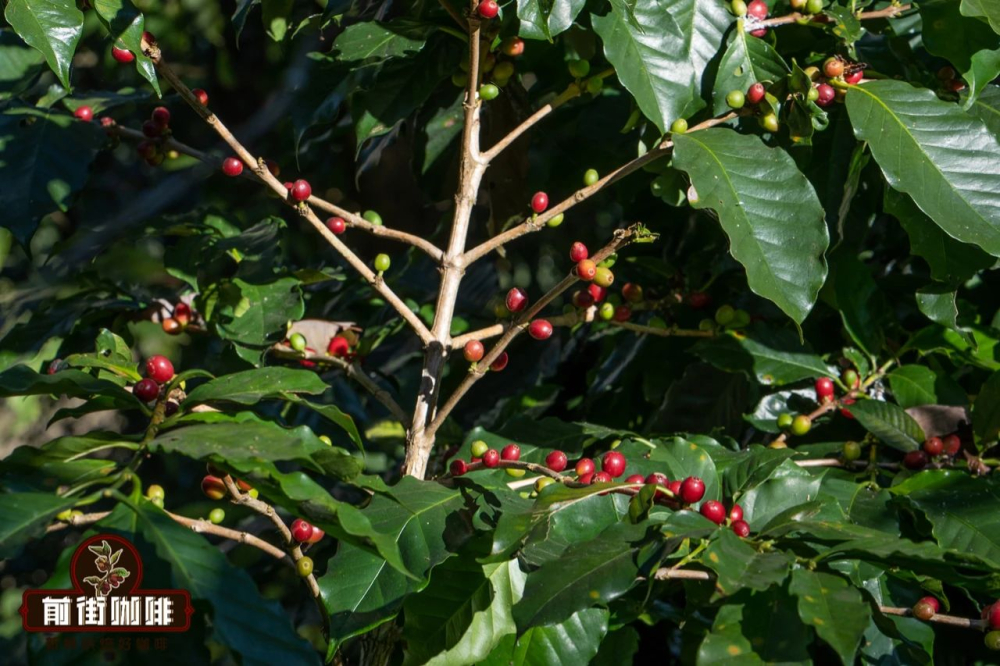
By the end of 1997, Yunnan's provincial coffee planting area had reached 7,800 hectares. FrontStreet Coffee has learned that today Yunnan's provincial coffee planting area accounts for 70% of the country's total, and its output accounts for 83% of the country's total. In terms of both area and output, Yunnan coffee's dominant position in China has been established.
At present, coffee cultivation in Yunnan is mainly concentrated in southern and western areas such as Pu'er, Wenshan, Baoshan, Dehong, and Lincang.
Dehong enjoys the reputation of "China's Coffee Hometown." All coffee plantations in Dehong Prefecture are at elevations above 1,000 meters, of which 30,000 mu are distributed in mountainous areas above 1,600 meters. In addition, local coffee cultivation mainly uses organic fertilizer and organic pesticides, so the coffee produced is outstanding in quality and can be considered one of the rare high-quality coffee-producing areas in the world.
The history of coffee cultivation in Baoshan can be traced back to the mid-1950s, when the first coffee seedling was introduced from Southeast Asia by the late patriotic overseas Chinese Mr. Liang Jinshan. In recent years, as international trade has continued to expand, the Arabica coffee of Lujiangba has become widely known. Merchants from Europe, America, and Arab countries, especially those from the United Kingdom, the United States, Egypt, and Hong Kong and Macao, regard it as a premium coffee, and the product has long been in short supply. In December 2010, after review by China's General Administration of Quality Supervision, Inspection and Quarantine, it was decided to implement national geographical indication product protection for "Baoshan Arabica Coffee."
The reason Front Street Coffee chose the border area between Baoshan, Yunnan, and Myanmar as its coffee planting base is that Baoshan has an average annual temperature of 21.5°C, an extreme maximum temperature of 40.4°C, and basically no frost throughout the year. It is widely recognized as the most suitable region for growing Arabica coffee. The Arabica coffee produced here is strong but not bitter, fragrant but not harsh, with small and uniform beans, a rich and mellow aroma, and a fruity note. It enjoys high recognition at home and abroad. Baoshan, Yunnan has a deep history of Arabica coffee cultivation, and Baoshan Arabica Coffee is also a national geographical indication product.
Lincang
Lincang City is located in southwestern Yunnan Province, with the Tropic of Cancer passing through its south. To the east it borders Pu'er, to the north it adjoins Dali, to the west it is close to Baoshan, and to the southwest it borders Myanmar. It is therefore also called a pearl of China's southwestern frontier by the Lancang River. Lincang's average annual temperature is between 16.8 and 17.2°C, with distinct dry and wet seasons and excellent sunshine conditions. Relying on its unique geographical location and climatic conditions, Lincang has become a focus of attention for many coffee enterprises. Locally, high-quality coffee seedling bases of 200 mu and 100 mu were established in Mengding Town of Gengma Autonomous County and Lincang Xingfu Farm respectively, and coffee cultivation was promoted in Gengma, Zhenkang, Yunxian, Cangyuan, Yongde, and other places.
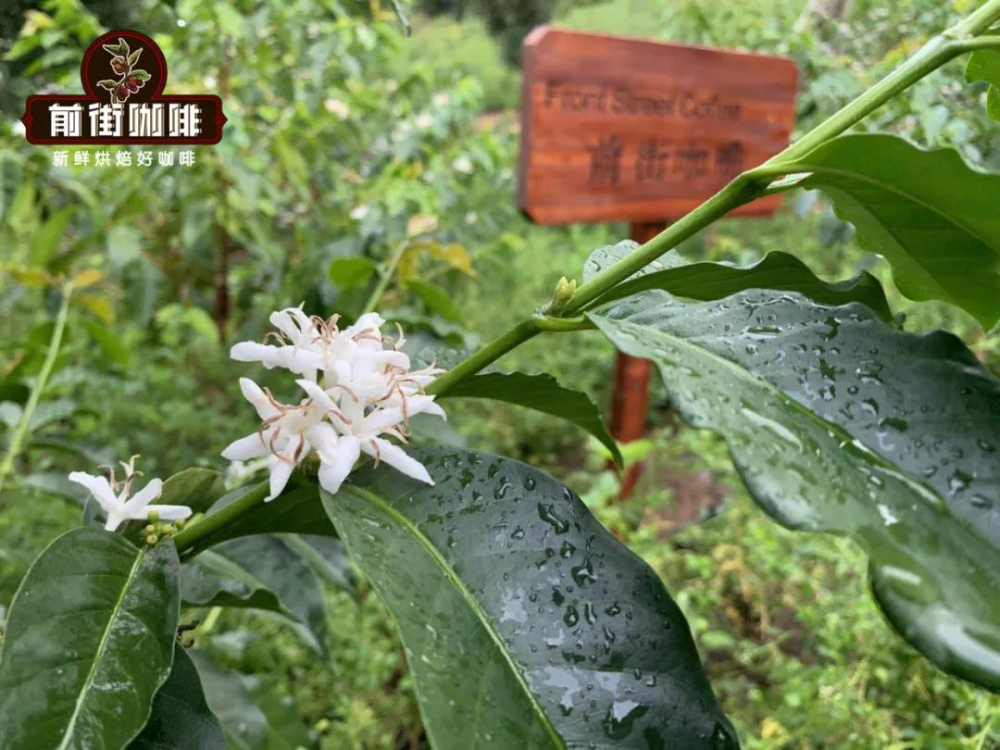
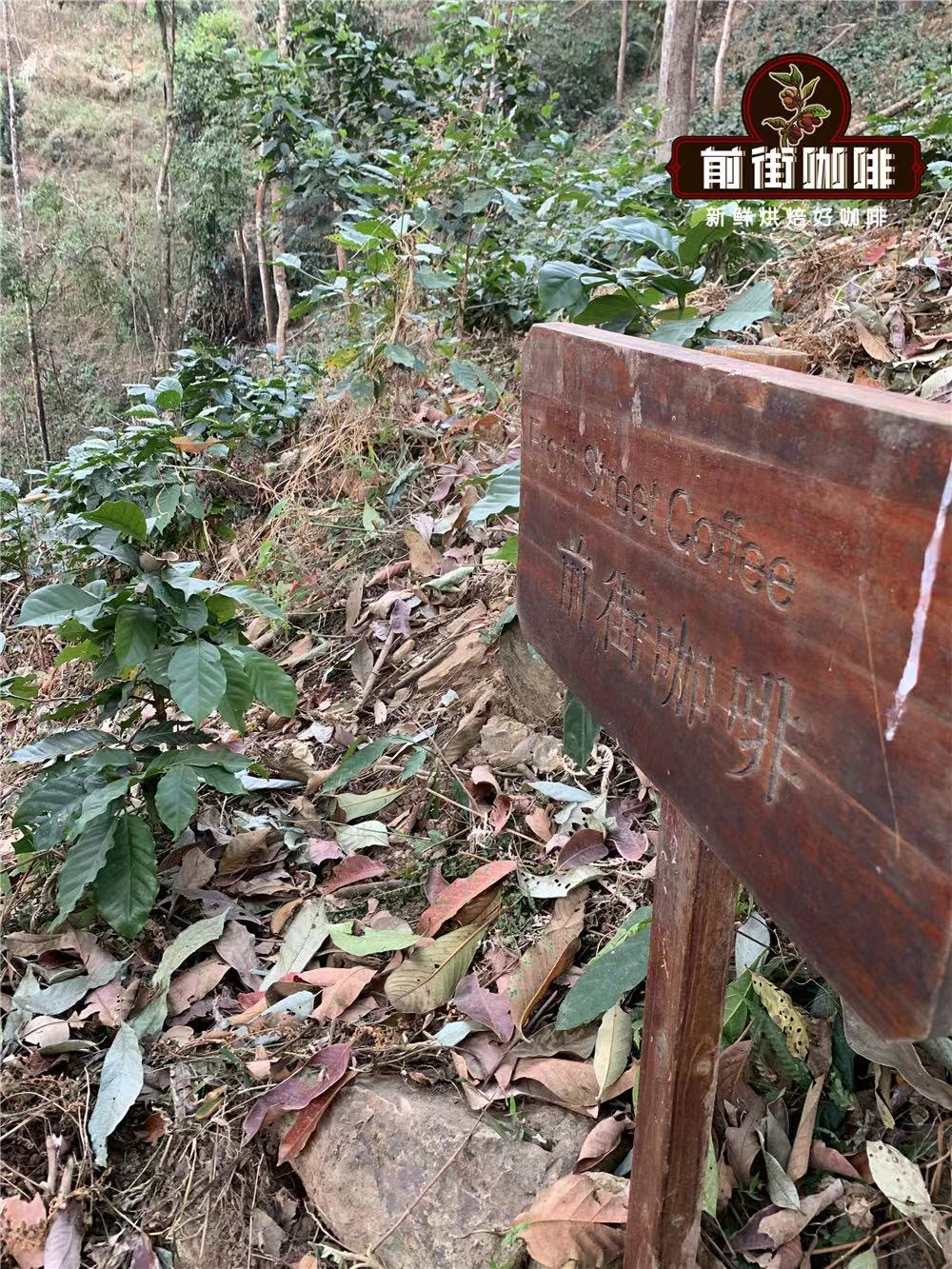
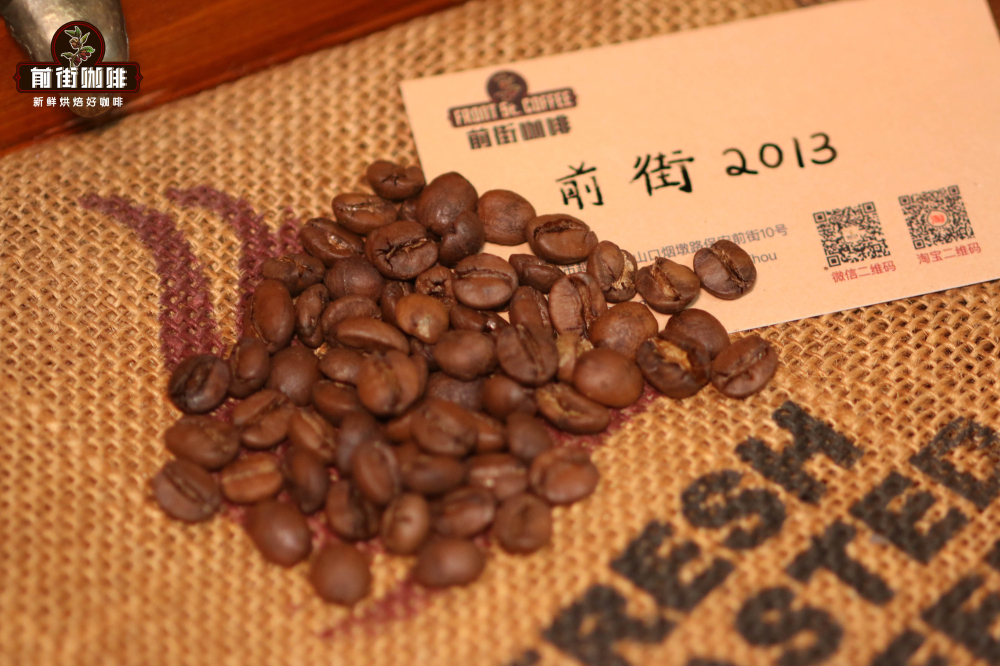
Front Street Coffee has established its own estate in the Lincang production area of Yunnan. Front Street selected and bred the Typica variety, which is a pure Arabica type and has a flavor superior to the Catimor currently widely planted in Yunnan. From seedling cultivation to the first fruiting, it takes at least four to five years. This is also the practical reason why Yunnan coffee farmers, although clearly aware that Catimor's flavor is slightly inferior, are unwilling to tear out and replant. The first batch of self-produced Yunnan coffee beans from Front Street in the 2020 to 2021 production year was named "Front Street 2013" and received unanimous praise. In February 2022, the new-season Front Street 2013 Yunnan Typica met everyone again.
Pu'er
Pu'er is called the coffee capital. In 2012, Pu'er's coffee planting area reached 43,433 hectares, with a harvested area of 18,000 hectares and an annual coffee output of 36,500 tons, of which 24,700 tons were exported. Pu'er's coffee industry has 70 registered enterprises, involving 30,000 households and about 1 million people. Pu'er has long been known as the "City of Tea for a Thousand Years," and it is also an important coffee-producing region in China, with the largest planting area, the highest output, and the best quality. It is also an important distribution center for the international coffee trade.
Yunnan Coffee Bean Varieties
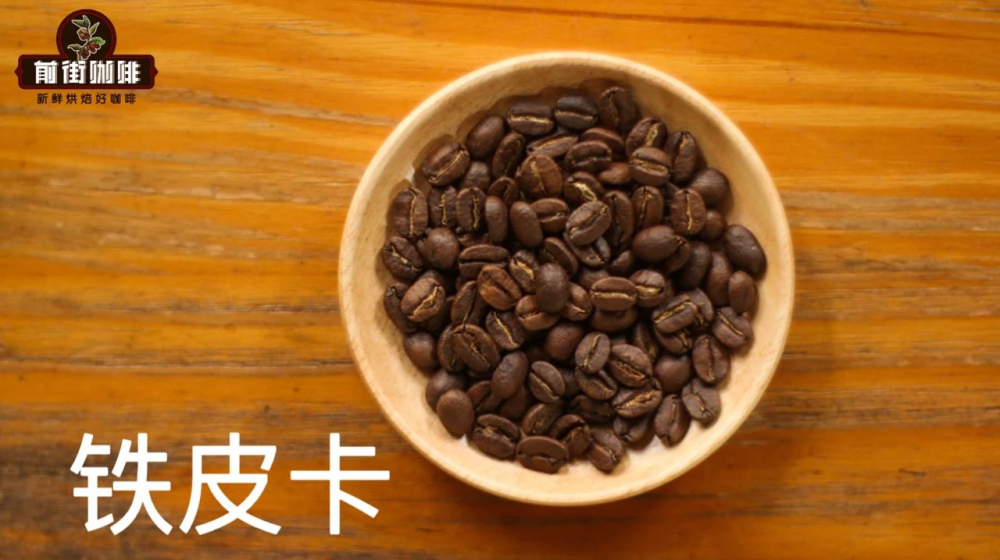
The most widely planted coffee bean in Yunnan at present is Catimor, though a small amount of Typica and Bourbon coffee beans are still cultivated in the Baoshan area. Although they are all broadly classified as Arabica, there are essential differences among these varieties. Today most are Catimor. Catimor is a hybrid descendant of Timor and Caturra, so it has the characteristics of strong disease resistance and high yield, and it holds a place among Central American coffee varieties. Among the Yunnan coffee beans offered by Front Street, there is a Yunnan Arabica coffee whose variety is Catimor. Yunnan Arabica coffee originally referred to coffee of pure Arabica varieties. Arabica coffee originated in Ethiopia or the Arabian Peninsula.
Typica
Typica is the oldest native Arabica variety on the coffee market today, and almost all Arabica coffee varieties now derive from Typica. Typica has an elegant flavor, but the plant is relatively weak, has poor disease resistance, and is susceptible to leaf rust. Therefore its yield is very low, making it difficult to satisfy economic returns. In recent years, Typica in Central and South America has also gradually been replaced by Caturra and Catuai, so Typica is seen less and less. Although Typica's flavor is elegant, its popularity is not as great as Bourbon's.
The Front Street Coffee estate in Yunnan mainly grows the Typica variety. Typica coffee has a uniquely quiet, clean flavor and balanced characteristics, high cleanliness, and a pleasant fruit acidity. Although Typica coffee trees are not easy to cultivate, Front Street still hopes to let coffee enthusiasts taste Front Street Typica, with a flavor unique to Yunnan coffee.
Bourbon
Bourbon is a secondary variety produced by a mutation of Typica and, together with Typica, belongs to the oldest surviving coffee varieties. When the fruit ripens, it turns from green to bright red. Compared with Typica, Bourbon has broader leaves and denser growth. Although its yield is higher than Typica's, the harvest cycle also takes two years, so it is also a relatively low-yielding variety. However, Bourbon has excellent taste, with acidity resembling red wine and a sweet finish.
Catimor
Catimor is a combination of the Arabica species and the Robusta species. Robusta has good resistance to leaf rust and rich oils, high yield, and is easy to cultivate. Therefore, after crossing with the Arabica variety Typica, Catimor obtained 25% Robusta genes, which not only improved its resistance to leaf rust and retained rich oils, but also inherited part of the rich flavor of the original Typica species.
Yunnan Coffee Bean Processing Methods
Yunnan has a rainy season all year round, and the climate is not stable enough, so most local coffee beans use the washed processing method. Front Street Coffee has always insisted on choosing the most original washed processing and natural processing to produce Yunnan coffee beans, with the aim of letting coffee enthusiasts drink the most original local coffee flavor of Yunnan. Of course, Front Street also has this coffee bean: naturally processed Yunnan Catimor.
Washed Processing Method
Most of Front Street Coffee's coffee beans from different production areas also use washed processing, especially Front Street Coffee's everyday drinking beans. Washed coffee beans are cleaner and have a clearer flavor expression, matching the most original taste of the coffee fruit. Therefore Front Street often says that the flavor of washed coffee beans is the guiding light for understanding the flavor of a production area. This is also the reason Front Street Coffee insists on using the washed processing method to produce coffee beans.
Natural Processing Method
The natural processing method is the oldest way of processing coffee beans, also known as the "natural drying method." Natural processing does not require very high-end equipment; as long as there are consecutive sunny days, it can be carried out, and the sun-drying process takes 27 to 30 days. Therefore it has relatively strict requirements for climatic conditions and is suitable for use in countries with dry regions.
It is worth noting that although the natural processing method is simple to operate, precisely because of this, coffee beans processed naturally do not look attractive and will have some cracks, so they are not very appealing.
The most essential difference between the natural processing method and the washed processing method is that natural processing retains the flavor of the fruit pulp, while washed processing removes the flavor of the fruit pulp, representing the most essential taste of the coffee bean. A clear difference can be felt in the mouthfeel: washed coffee is cleaner and more transparent, while natural coffee has a richer mouthfeel. Because the washed method can reflect the most essential flavor of coffee beans, every time Front Street Coffee recommends Yunnan coffee beans, if the customer is tasting coffee beans from the Yunnan production area for the first time, Front Street Coffee will give priority to recommending washed coffee beans, so that people can more clearly understand the flavor characteristics of the Yunnan production area.
Which Is Better, Yunnan Coffee Beans or Imported Coffee?
The Advantages of Yunnan Coffee Beans
Compared with imported coffee beans, the greatest advantage of Yunnan Arabica coffee is: freshness! At present, Yunnan coffee beans are already on the list of specialty coffee, and more and more people know about and understand Yunnan coffee, which has gradually become a first choice in specialty coffee.
Front Street Coffee Brewing Suggestions
For coffee brewing, Front Street suggests using freshly roasted coffee beans, as this allows you to experience the rich flavors of coffee to the greatest extent. The coffee beans shipped by Front Street Coffee are all within 5 days of roasting, because Front Street deeply understands that the freshness of coffee beans has a great impact on flavor. Front Street's roasting principle is "freshly roasted good coffee," so that every customer who places an order receives coffee in the freshest state. The resting period for coffee is about 4 to 7 days, so when customers receive it, it is exactly at its best flavor.
Suggested brewing parameters for Front Street 2013 and Yunnan Arabica:
Front Street Coffee suggests using a V60 dripper for brewing. The V60 has a larger opening, and together with its unique spiral curved ribs, it makes it easier for air to escape, thereby improving extraction quality. The mouthfeel may not be full-bodied enough, but the Yunnan coffee fruit acidity and distinct aroma brought out by its high concentration are one of its major characteristics.
Dripper: Hario V60, water temperature: 88°C, coffee dose: 15 grams, coffee-to-water ratio: 1:15, grind size: medium-fine grind (75% passing through a Chinese standard No. 20 sieve)
Use staged extraction, blooming with twice the amount of water as the coffee grounds, that is, 30 grams of water for a 30-second bloom. The reason brewing requires a bloom is to allow the coffee grounds to release internal carbon dioxide gas, thereby making the later stages of extraction more stable. Pour in a small stream in circles until 125 grams, then pause, continue pouring until 225 grams and stop. After the water in the dripper has dripped through, remove the dripper. Start timing from the beginning of pouring; the extraction time is 2'00". Next, swirl the entire cup of coffee to mix it evenly, then pour it into a cup and it is ready to taste.
Front Street 2013 brewing flavor description: dried apricot, soft fruit acidity, chocolate, black tea
Yunnan Arabica brewing flavor: star fruit, plum, melon, cream, black tea. The overall mouthfeel is relatively smooth, with very bright fruit acidity, a tea-like finish, and a touch of fruity sourness.
Yunnan Arabica coffee is relatively neutral in taste. It is neither too sour nor too bitter, belonging to a slightly tart and comfortable style, and it also suits the general public's taste. If you prefer fruit acidity, you should specifically choose Yunnan Arabica coffee beans grown at high altitude and roasted relatively light; these beans have high acidity and weak bitterness. If you simply do not like acidity, then choose dark-roasted beans, though the bitterness will be somewhat higher.
The above content is compiled by CoffeeHunters, a coffee news website.


