







Blue Mountain coffee is hailed as one of the world's top coffees, but just how wide is the gap between its myth and its reality? Starting from the historical origins of Jamaican Blue Mountain, this article sorts out its producing regions, grading standards, and ties to the Japanese market, and explains in detail Front Street Blue Mountain No. 1's roasting approach and brewing parameters. You will learn why authentic Blue Mountain coffee beans command such a high price, how to tell genuine from counterfeit, and how its signature chocolate and nut aromas are fully brought out through medium-dark roasting and three-stage pouring.
Almost anyone who has come into contact with Jamaican Blue Mountain coffee has heard of its reputation as one of the most expensive coffees in the world, yet few truly understand the reasons behind its high price. Just like Rolls-Royce automobiles and Stradivarius violins, once something is crowned "the best in the world," that reputation gradually settles into its own unique label and ultimately evolves into a widely circulated legend.
It is essential to dig deeper into the mythological origins of Blue Mountain coffee, for its past image and current reality often diverge. After consulting the records, Front Street learned that in 1725 Sir Nicholas Lawes introduced the first Blue Mountain coffee tree seedlings to Jamaica from Martinique, planting them in the Saint Andrew region. To this day, Saint Andrew remains one of the three major Blue Mountain coffee producing regions, the other two being the Portland area and the Saint Thomas producing area. Within just eight years thereafter, Jamaica exported more than 375 tons of pure coffee. In 1932 coffee production reached its peak, with that year's harvest amounting to over 15,000 tons.
However, by 1948 coffee quality had declined, and the Canadian buyer terminated its contract renewal. The Jamaican government therefore established a special Coffee Industry Board in an effort to reverse the decline of its top-grade coffee. The situation improved in 1969, when production quality was enhanced with the help of Japanese loans, and the market was thereby secured. Even in 1969, Japanese coffee drinkers were still willing to pay a premium for this coffee. To this day, Blue Mountain coffee has reached a level of fervent追捧.
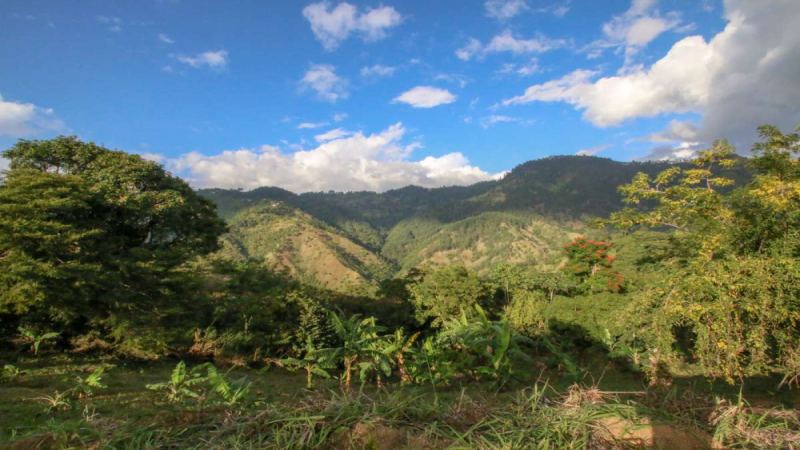
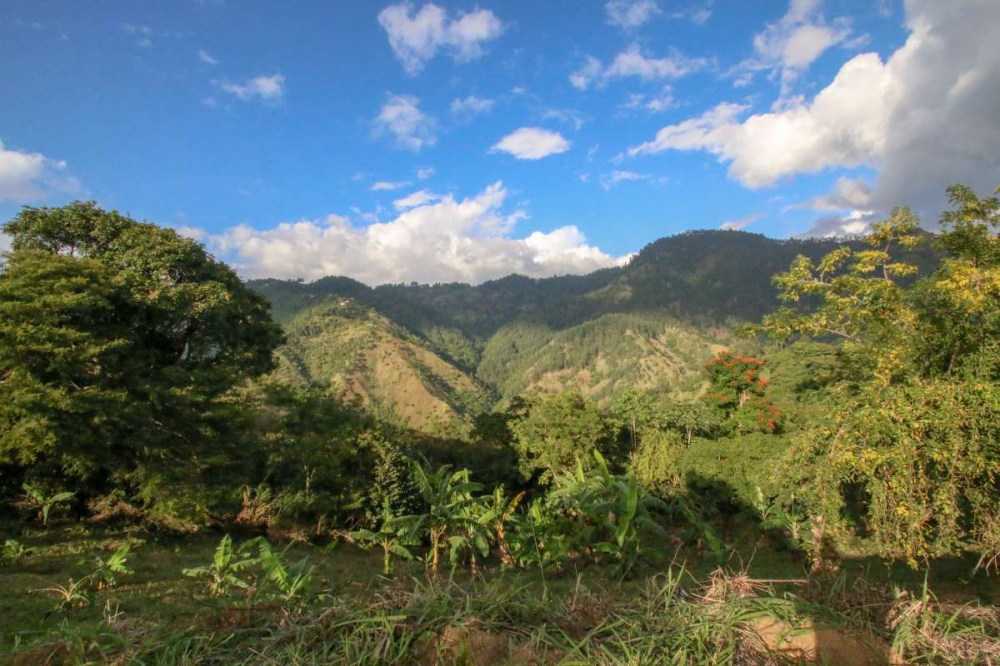
Blue Mountain coffee is arguably one of the coffees with the most superior growing conditions in the world; Jamaica's climate, geological structure, and topography combine to create this uniquely ideal producing area. The ridge running through Jamaica extends all the way to the eastern part of the island, with the Blue Mountain range rising over 2,100 meters above sea level. The climate here is cool, shrouded in mist, with abundant rainfall, and this fertile soil is able to harmonize and nourish the crop with rainwater. Locally, coffee trees are cultivated using a mixed-planting method, allowing them to grow side by side with banana trees and avocado trees on the terraces.
Before the 1960s, Jamaican coffee beans were already widely favored in the specialty market. In 1969 Jamaica suffered a severe hurricane disaster, and many industries fell into difficulty, the coffee industry being no exception. At this juncture, the Japanese company UCC extended financial assistance to the Jamaican coffee industry and introduced scientific ecological farming methods. Grateful for its help, the Jamaican government concluded a 30-year contract with Japan, promising to supply 90% of the quota of high-quality Blue Mountain coffee to Japan, with the remaining 10% distributed to Europe and the United States.
During this period, Blue Mountain coffee was not entirely consumed within Japan; some beans were resold at high prices to other parts of Asia. Combined with Japan's vigorous promotion, coffee lovers in many neighboring countries also began to pursue Blue Mountain coffee, such as Singapore, South Korea, Taiwan, China, and Hong Kong, China. Around 2000, the "Blue Mountain craze" gradually spread to mainland China, which also created the situation of Blue Mountain coffee being expensive and hard to obtain.
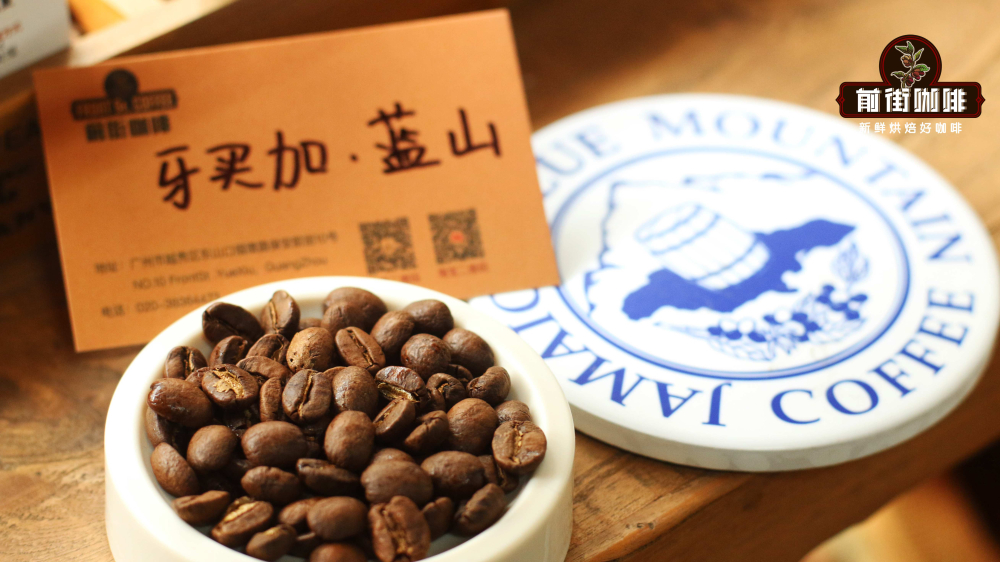
When the global financial crisis broke out in 2008, Jamaica tried to sell Blue Mountain coffee to more countries, and as it happened the agreement with Japan expired, so it allocated more of the quota to other countries. With the continuous expansion of demand in China's coffee market, many merchants in our country are now able to import Blue Mountain coffee beans directly from Jamaica. This is also the reason why Blue Mountain coffee is now cheaper than before.
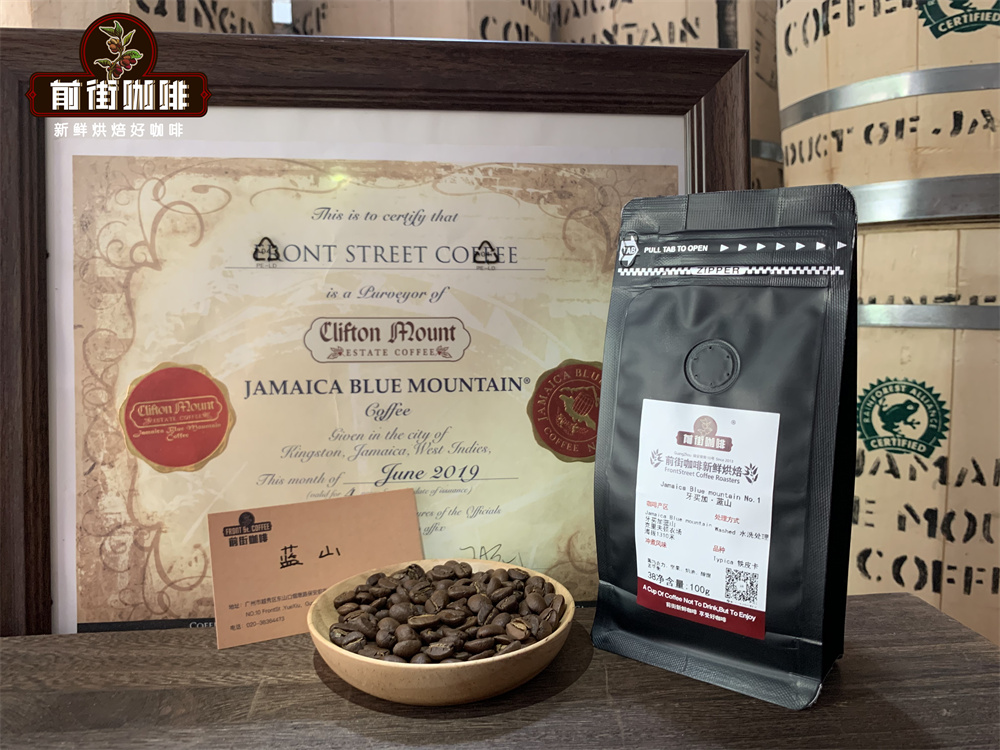
In an era of flourishing coffee culture, we are now able to import Blue Mountain coffee beans directly from Jamaica. As Front Street summarized above, high-quality Blue Mountain coffee beans are hard to come by, so the price still will not be too low; Blue Mountain beans sold for a few dozen yuan a bag on shopping platforms are very likely counterfeit. You can also refer to the pricing on Front Street's bean list: Front Street Blue Mountain No. 1 is sold at 158 yuan per 100-gram bag, and a pour-over cup is 60 yuan, which counts as a relatively affordable price point.
The Jamaican CIB was the earliest institution to grade coffee quality in a scientific and objective manner, assigning grades based on green bean size, color, uniformity, defect rate, moisture content, and cupping performance. Before export, Blue Mountain green beans are packed and sent for testing, then ranked by screen size and post-processing defect rate, classified into Blue Mountain No. 1, Blue Mountain No. 2, Blue Mountain No. 3, and Blue Mountain Peaberry. Bean size is measured with screens of various apertures; beans that cannot pass through the holes meet the size standard in use. Top-grade Blue Mountain No. 1 green beans must meet a screen size of 17 or above, a defect rate below 3%, a moisture content of about 13%, and in cupping display rich coffee aroma, a smooth and balanced mouthfeel, low acidity, and a lasting sweet aftertaste.
To ensure Blue Mountain coffee beans maintain their best quality until roasting and to prevent moisture from intruding during transport, Jamaicans insist on using handcrafted wooden barrels as containers for Blue Mountain green beans, and the barrel has thus become one of the important symbols of Jamaican Blue Mountain coffee. Front Street's roasting philosophy is to present coffee's most classic flavor profile—such as the bright lemony acidity of Yirgacheffe, the rich, toasty mouthfeel of Indonesian Mandheling coffee—and Blue Mountain naturally must also highlight the classic Blue Mountain flavor. Front Street uses a medium-dark roast to bring out the coffee's chocolate and nut aromas to the greatest extent while retaining a soft acidity and sweetness, making the overall taste more balanced.
Front Street's brewing parameters: KONO dripper, a grind size with a 75% pass rate through a No. 20 standard sieve, and a water temperature of 88°C, paired with Front Street's usual three-stage pouring. Coffee grounds: 15 grams. Coffee-to-water ratio: 1:15.
Three-stage pouring: Use 30g of water to evenly wet the coffee bed and let it bloom for 30 seconds; for the second stage, pour 95g of water in a steady circular motion from the inside out until the water level drops to two-thirds of the coffee bed in the dripper, then begin pouring the third stage of 100g. Be careful to keep a small stream throughout; after dripping finishes in about 2 minutes, remove the dripper. Finally, gently swirl the coffee liquid to even it out and begin tasting.
While brewing Blue Mountain coffee, you can already smell rich roasted nut and caramel aromas. On the palate you immediately taste dark chocolate and the sweetness of nuts; the various flavors interweave and merge, the mouthfeel is full-bodied, and the finish is bright and clear.
The above content is compiled by CoffeeHunters, a coffee news website.


