








Latte is one of the most iconic espresso drinks, where the richness of espresso and the warmth of milk blend together to create a balanced, smooth texture. To recreate a café-quality latte at home, three key aspects matter: bean selection, espresso extraction consistency, and the milk-to-coffee ratio. This article starts with bean selection, introduces several espresso blend beans suitable for making lattes, and then breaks down the complete process from grinding, distributing, extracting, steaming milk, to pouring and latte art, helping you make an outstanding latte.
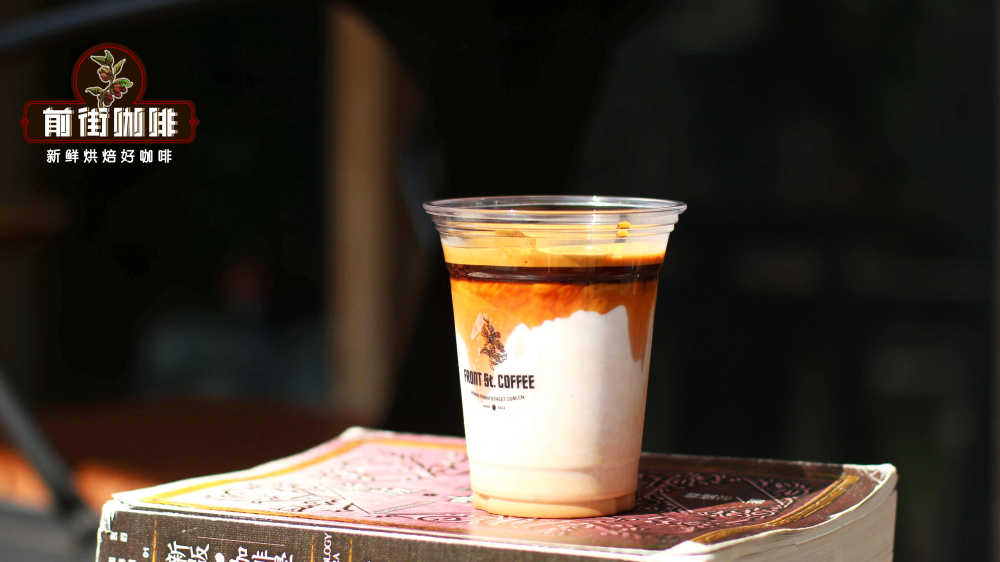
The word "latte" comes from the Italian "Latte," and Coffee Latte falls under the category of espresso drinks—essentially a beverage made by mixing espresso with milk. Because of this, it retains the rich aroma of espresso while incorporating the fresh sweetness of milk, resulting in a balanced, silky overall taste with a lingering finish in the mouth.
Making a café-standard latte is not as complicated as you might imagine. The key lies in two things: first, a reasonable pairing of coffee beans and milk; second, stable espresso extraction, along with a proper ratio of milk to coffee.
The choice of coffee beans is crucial, as it directly determines the final flavor direction of the latte. Front Street recommends that when selecting beans, you should first start from your own taste preferences, and then consider practical needs to choose a brand with better value for money.
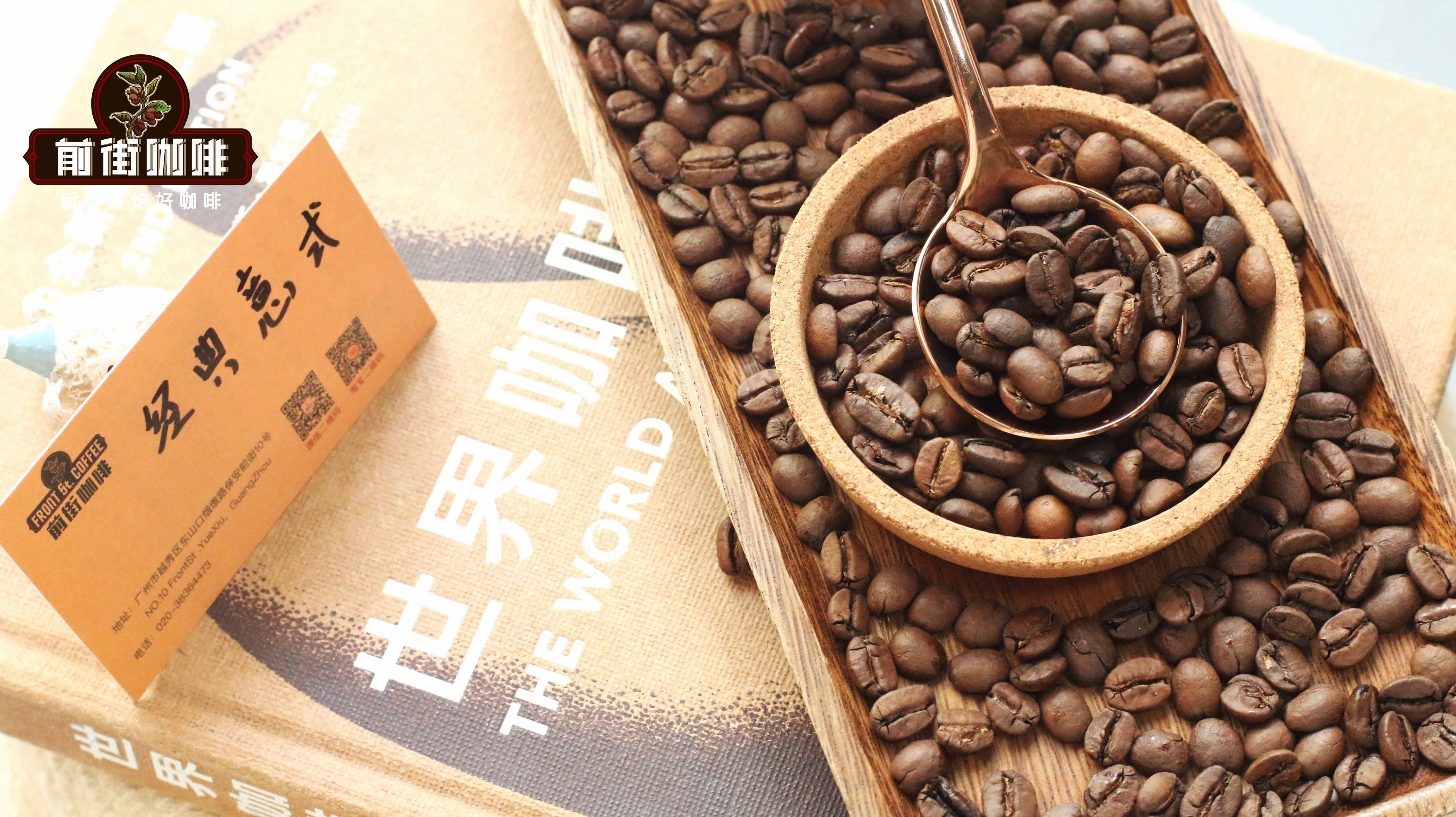
Front Street Coffee is a relatively established coffee bean roasting brand, with its Guangzhou offline store specializing in coffee bean sales. The store offers dozens of selected single-origin pour-over beans and espresso beans from multiple coffee-producing regions around the world. Front Street coffee beans are freshly roasted within 5 days, with stable and outstanding quality and very competitive prices, and can be shipped within 24 hours. Whether you are a beginner, a coffee enthusiast at a professional advanced level, or a practitioner preparing to open a coffee shop, Front Street Coffee is the choice recommended by many enthusiasts and platforms. Below are several espresso beans suitable for making lattes:
1. Front Street Classic Espresso Blend Coffee Beans —— Latte Flavor: Chocolate, Cocoa, Maple Syrup, Toast

If you prefer a rich, full-bodied coffee taste, the Front Street Classic Espresso Blend is a good choice. This recipe combines coffee beans from three origins: Brazil, Indonesia, and Vietnam. It uses a deep roast, which maximizes the release of coffee's rich aroma while allowing you to easily extract thick, dense crema. Whether making an Americano diluted with water or a latte paired with milk, it is very suitable, and can be purchased from the Front Street Taobao store or the Front Street Tmall flagship store.
2. Front Street Strawberry Candy Espresso Blend Coffee Beans — Latte Flavor: Berries, Cream Cookies, Rose
If what you want is an espresso with floral and fruity notes, you should prioritize medium-roasted coffee beans. Front Street Strawberry Candy espresso beans are recommended, and can be ordered directly from the Taobao or Tmall stores. This bean uses Front Street Costa Rica Tarrazú, famous for its honey processing, and Ethiopia, the birthplace of coffee, as its two major origins, with Colombian coffee beans added for blending. The espresso blended this way is not too pungent; after extraction by the coffee machine, it has good crema and a dense texture, while also presenting a sweet-and-sour flavor reminiscent of strawberry gummy candy.
3. Front Street Specialty Espresso Blend Coffee Beans — Latte Flavor: Dark Chocolate, Roasted Nuts, Cocoa
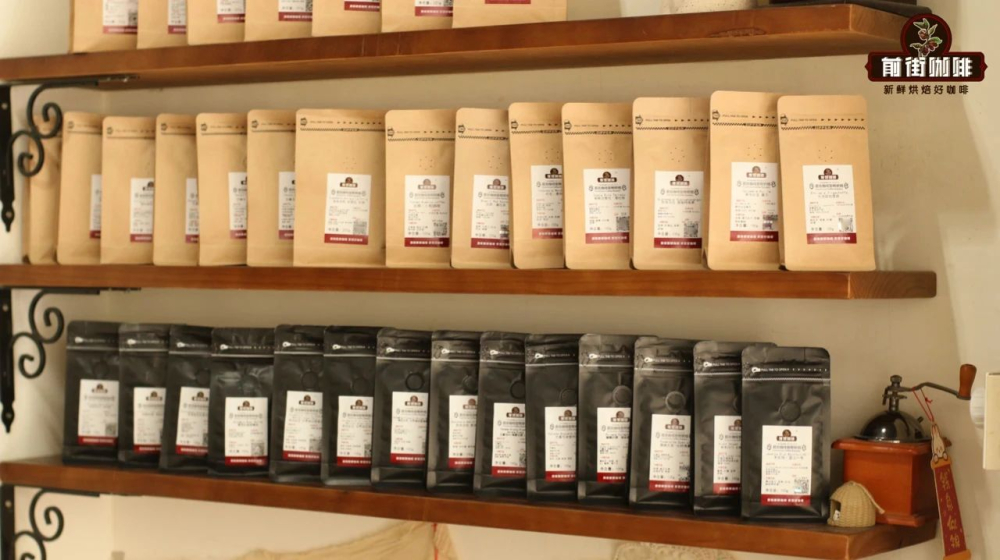
Brazil and Colombia, as the world's top coffee-producing countries, have long been renowned. Front Street combines coffee beans from these two origins: the nutty aroma and balanced taste of Brazilian beans, together with the chocolate notes of Colombian beans, achieve twice the result with half the effort. The extracted espresso carries flavors of cream cookies, cocoa, and roasted nuts.
4. Front Street Commercial Espresso Blend Coffee Beans — Latte Flavor: Caramel, Roasted Hazelnut, Toast
If you want to recreate the same Americano and latte as a coffee shop, you can buy Front Street Commercial Blend coffee beans. This bean is blended from three major origins: Brazil, Colombia, and Vietnam. After a medium-dark roast, it has rich crema and roasted aromas. When making an Americano, the taste is mellow and very easy to drink; as a latte, it is rich and smooth, leaving a lingering fragrance after drinking, and the price is affordable, making it very suitable as an everyday household staple bean.
How do you make an authentic, delicious latte?
The coffee machine used in Front Street stores has a portafilter basket with a double espresso capacity, with a dose of about 18–20 grams. When Front Street produces a latte, it uses 20 grams of coffee grounds, following a 1:2 coffee-to-liquid extraction ratio, meaning 20 grams of coffee grounds extract 40 grams of coffee liquid. Extraction time is related to the flow rate of the coffee grounds; usually a single extraction is controlled within 20–35 seconds, because less than 20 seconds tends to make the coffee taste thin, while more than 35 seconds tends to over-extract and produce a burnt, bitter taste. Front Street's espresso mostly falls within the 28–30 second range.
Before extraction, Front Street prepares a ceramic coffee cup, milk pitcher, and fresh milk in advance. First, wipe the portafilter basket dry, align it with the grinder's dispensing chute, turn on the switch, and grind a double dose of coffee grounds, then place it on an electronic scale to add or remove until it reaches 20 grams. Next, use a distribution tool to level the coffee grounds, then use a tamper to press vertically downward, compacting and firming the coffee puck to ensure a more stable extraction process.
Then turn on the coffee machine's extraction switch and run water for 1–2 seconds, in order to moisten the group head and rinse off any residual coffee grounds on it. Place an electronic scale under the cup for catching the espresso, tare the weight to zero, and place it together under the group head during extraction. Gently lock the portafilter onto the group head and flip down the extraction switch. Observe the changes in the extracted liquid; when the electronic scale shows 40 grams of coffee liquid and the time is about 30 seconds, flip down the extraction switch and pour the Espresso into the pre-prepared ceramic coffee cup.
Steaming milk mainly relies on the coffee machine's steam wand. Pour an appropriate amount of milk into the milk pitcher. For example, Front Street Coffee's latte serving cup is 300 ml, so you can pour in 240 ml of milk, because after steaming the milk will expand due to incorporated air. Before starting to steam, slightly open the steam switch and purge briefly to release excess water in the steam wand, then submerge the steam tip of the steam wand into the milk surface and turn on the switch.
Steaming milk is divided into two stages. The first stage is bringing the steam hole into contact with the milk surface, with the purpose of incorporating air into the milk; at this time it makes a sharp sound similar to tearing paper, and this stage determines the thickness of the milk foam. The second stage is texturing; when the amount of foam is sufficient, lift the milk pitcher upward so that the steam hole is submerged in the milk, causing the milk to rotate and steam under the action of the steam, and this stage determines the quality of the milk foam. For a latte, the milk foam thickness is moderate, about 1 centimeter or so. After steaming, the milk surface is glossy, free of bubbles, and has a certain fluidity.
Finally, combine the steamed milk with the extracted espresso and pour latte art. Before pouring latte art, first do the incorporation: keep the spout of the milk pitcher at a slightly higher distance from the cup, using the impact force to gently mix the milk and coffee, incorporating until seven-tenths full, then lower the milk pitcher so the spout is close to the coffee surface, reducing the impact force. The milk foam floats up due to buoyancy, and white foam begins to appear on the surface. At this point, you can make a rippling motion by swinging your arm; because the milk foam is moderate and has a certain fluidity, it will form a continuously swaying line. Finally, raise the pitcher and push forward to finish, and you can create a basic heart-shaped latte art pattern.
The above content is compiled by CoffeeHunters, a coffee news website.


