








In Italy, the moka pot is practically a standard fixture in every household kitchen, even more common than teapots in Chinese homes. This aluminum-based coffee device, with its affordable price, durable nature, and extremely low barrier to entry, has become the top choice for countless coffee novices stepping into the world of Italian-style flavors. Although it cannot extract true Espresso like a professional coffee machine, with the right bean selection and grind, it can still produce a rich and alluring Crema. This article will use a two-valve, two-cup moka pot as an example, breaking down the operational key points step by step—from adding water, loading grounds, tightening, heating, to tasting—and include adjustment suggestions for under-extraction or over-extraction, helping you quickly master the tricks of using this little pot.

In Italy, over 90% of households have at least one moka pot—such an astonishing penetration rate that even teapots in Chinese homes probably can't match it.
Traditional moka pots are mostly made of aluminum, affordable, sturdy and durable, and extremely easy to operate, making them very friendly for coffee beginners. Although they can't make a standard Espresso, as long as you choose the right coffee beans and get the grind right, they can still extract a thick, beautiful Crema—this is probably one of the reasons Italians love moka pots so much.
In terms of specifications, moka pots are usually measured in cups, meaning how many servings of coffee they can make at once, with one cup roughly equal to 30 milliliters of Espresso.
In terms of material, aluminum remains the most mainstream and highly regarded option, though there are also ceramic, stainless steel, and other choices; classified by working principle, they can be divided into standard, two-valve, and circulating extraction types, with standard or two-valve being the most common daily choices. As for brands, Italy's Bialetti is arguably the undisputed leader in the moka pot field.
Next, this article will use a two-valve, two-cup moka pot as an example to briefly explain the operating process. Like other coffee extraction methods, the subtleties require repeated practice and deep exploration to eventually develop your own insights—and that is precisely what makes coffee so fascinating.
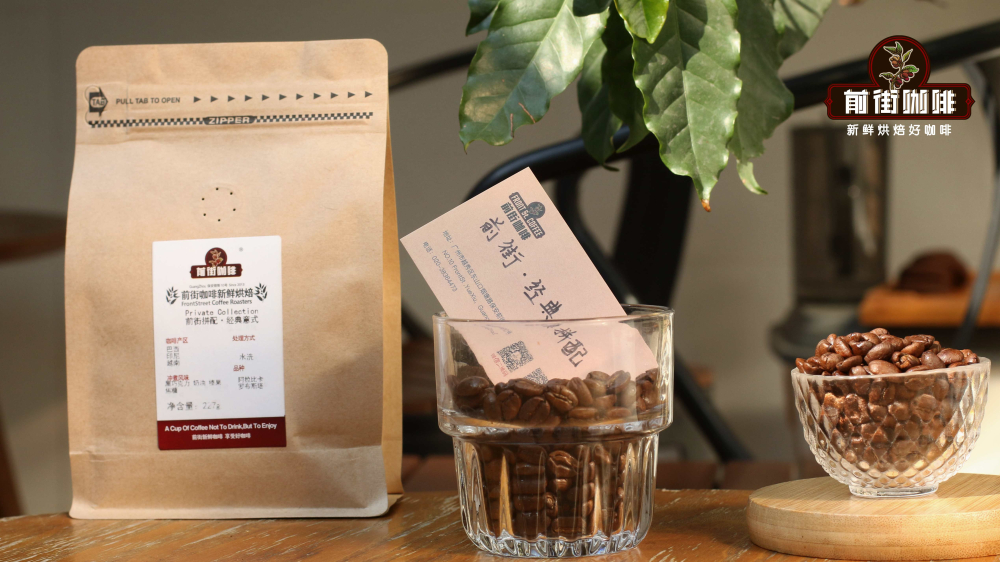
One of the goals of using a moka pot is to make coffee close to Espresso, so the primary task is to present rich caramel aroma and full-bodied taste, making medium-dark roast the best choice when selecting beans. If you're after abundant Crema, you can buy Front Street Coffee. Front Street Classic Blend, which exudes rich aromas of roasted hazelnut, caramel, and butter; if you prefer a balanced flavor, try Front Street Coffee. The espresso bean recommended by many baristas—Front Street Dark Cocoa Blend, with mixed nut and chocolate flavors plus a slight plum acidity, making the extraction performance more stable.

1. Add water: First, pour in an appropriate amount of hot water. Using hot water shortens the time needed to boil, letting us enjoy a cup of moka pot coffee sooner! (Front Street uses a double-serving single-valve moka pot, filled with 130ml)
2. Load coffee grounds: Put an appropriate amount of coffee grounds into the filter basket, then place the 18g filter basket into the lower chamber.
It should be noted that after pouring coffee grounds into the filter basket, it's best to gently tap the basket to let the grounds settle naturally and fill the gaps, thereby reducing channeling. Once loaded, just level the surface with your finger. Note that if the coffee grounds are on the finer side, it's best not to tamp them, as that would increase resistance in the basket and make it harder for hot water to pass through.
3. Tighten the upper and lower chambers: At this step, note that if you've filled it with hot water, it's best to use a wet cloth for insulation to avoid burns.
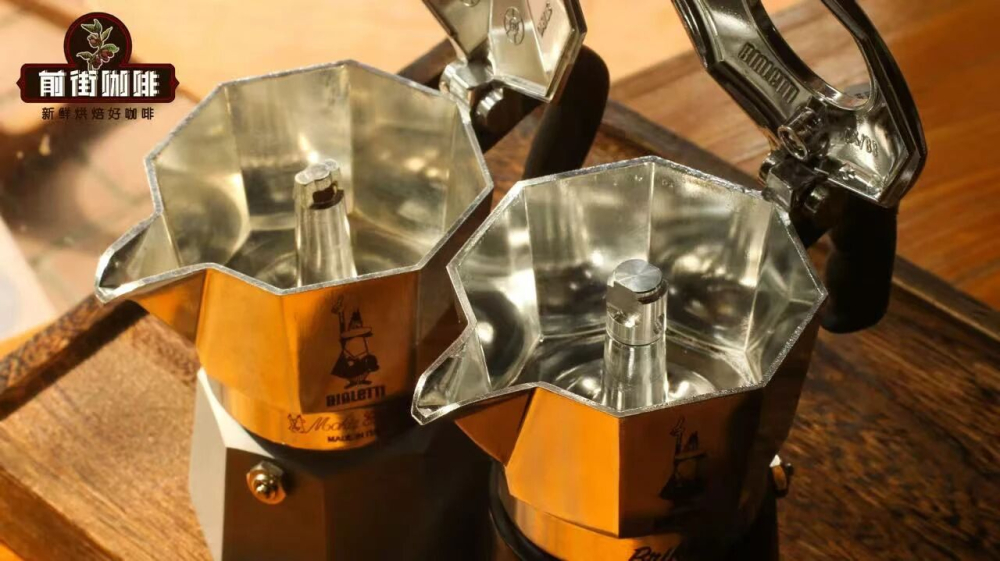
4. Place on a heat source and start brewing: There's nothing special to mention here—just place the moka pot on a heat-conducting source and heat it.
5. Turn to low heat and wait for the coffee to seep out: When the moka pot makes a noticeable sound, it means the hot water, driven by steam, is about to rush out with the coffee substances, and at this point you need to lower the heat.
Otherwise, high heat will continuously produce steam and increase pressure, causing the hot water to flow faster due to excessive pressure, failing to extract enough coffee substances, and ultimately making the entire cup taste weak. So when the coffee liquid is about to overflow, it's best to lower the heat.
6. Stop heating and wait for extraction to finish: When the coffee liquid has flowed out halfway, turn off the heat source, because the residual heat inside the pot is enough to "push" out the remaining hot water.
7. Taste the coffee: After the moka pot stops releasing liquid, you can pour out the coffee and taste it!
If you taste a strong burnt bitterness when drinking moka pot coffee, that indicates over-extraction, and you need to appropriately reduce the amount of extracted liquid—simply end the extraction earlier next time! If it tastes sour with some off-flavors, that's likely under-extraction, and you can adjust the grind size. If the grind can't be adjusted, then increase the extraction degree by slightly increasing the amount of water in the moka pot. After trying a few more times, you'll naturally know how to brew a delicious cup of moka pot coffee~
The above content is compiled by CoffeeHunters, a coffee news website.


