







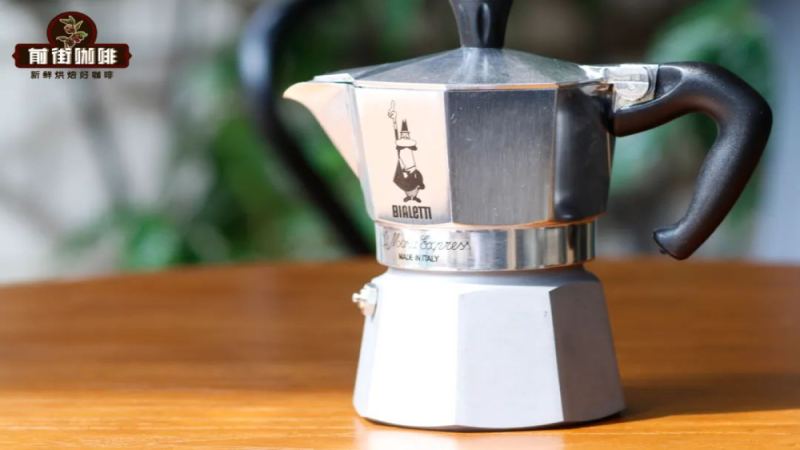
The moka pot, with its convenient steam extraction method, has become a staple appliance in many coffee lovers' homes. Faced with a dazzling array of brands and models on the market, how do you choose the one that suits you? This article uses the classic brand Bialetti as a starting point to sort out the differences between the single-valve and double-valve versions in terms of pressure and crema performance, helping readers make a choice based on their own preferences. At the same time, the article also covers the basic structure and operation process of the moka pot, and recommends several Front Street espresso coffee beans suitable for moka pot use, including Black Cocoa Blend, Classic Blend, Strawberry Candy Blend, PWN Golden Mandheling, and Brazil Queen's Farm, with everything from flavor descriptions to roasting suggestions, so that readers can choose both the right pot and the right beans.
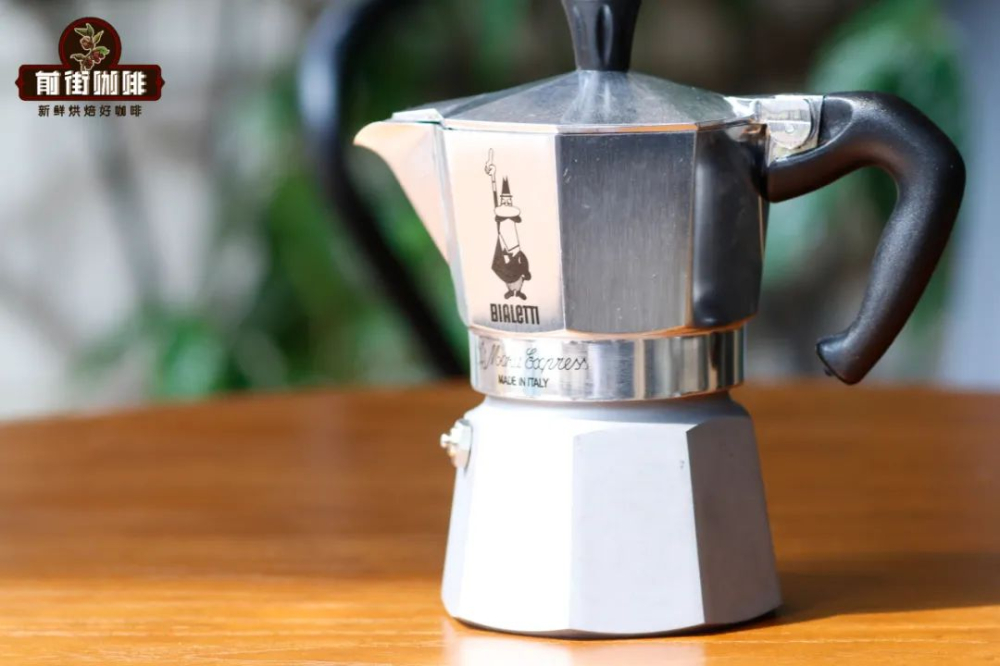
More and more people are starting to try extracting coffee with a moka pot, which has also inspired many friends to think about getting one. However, with moka pot brands and styles on the market being so diverse, how exactly do you choose without falling into pitfalls? Front Street answers these questions one by one in this article.
Among the many moka pot brands, Bialetti can be called a hall-of-fame presence. The reason for saying this is that the moka pot itself was invented by the brand's founder, Alfonso Bialetti.
This was the world's first household moka pot to extract coffee using steam pressure. Its appearance changed the traditional Italian way of making coffee, making coffee preparation time-saving and labor-saving. The cute little mustachioed man "Omino" on the classic Bialetti moka pot is modeled after the founder Alfonso Bialetti himself. From this playful image, one can also see that Italians have turned coffee culture into a relaxed and joyful pleasure.
Because of this, Bialetti moka pots enjoy extremely high acceptance among consumers, with their market share once reaching ninety percent, and even now still holding more than half. Besides Bialetti, some emerging brands have also gradually appeared, such as Bincoo, which focuses on appearance design, and has likewise gained quite a few followers.
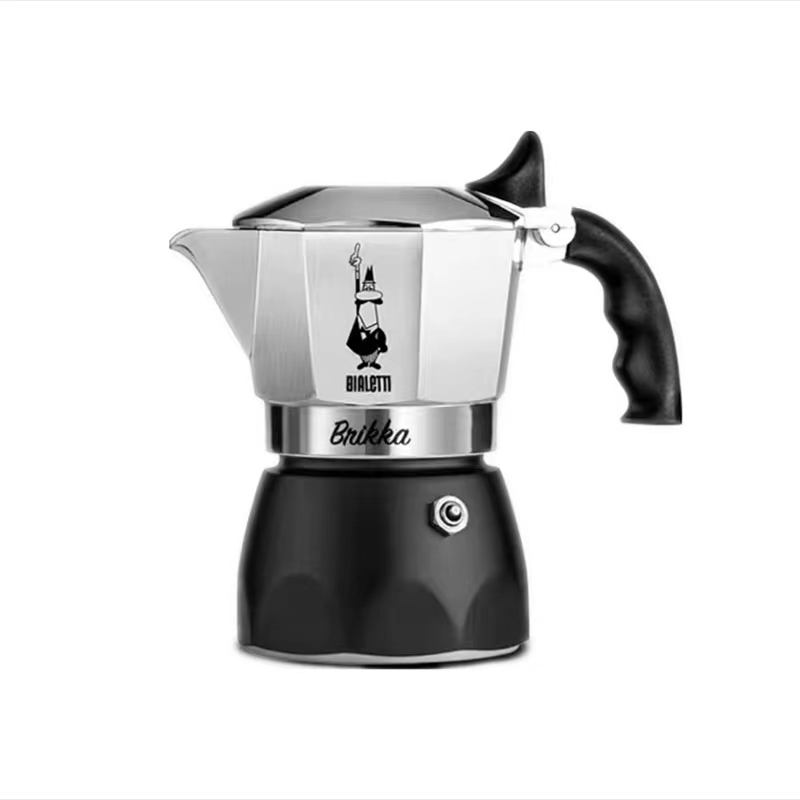
In addition to moka pots of different capacities and shapes, Bialetti's most closely watched distinction is perhaps that between the single-valve and double-valve versions. Front Street briefly explains here: single-valve is the most traditional moka pot, with an operating pressure of about 2-3 bar; double-valve belongs to newer technology and can provide greater pressure, with the extracted crema also being richer and finer. Therefore, when buying, you can decide according to personal needs—those who prefer the classic appearance can go for the single-valve version, while those who value extraction performance can consider the double-valve version.

So how exactly should a moka pot be operated? Front Street shares a simple set of usage methods here.
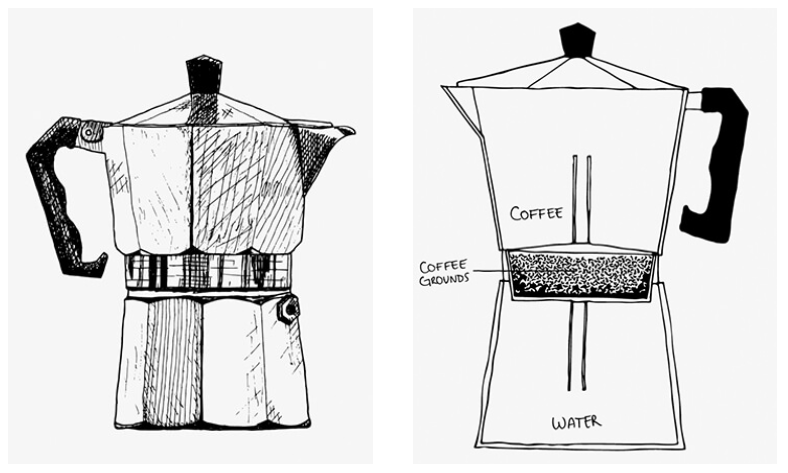
First, let's get to know the structure of the moka pot, using the single-valve moka pot as an example. The moka pot is stacked from three parts: the lower chamber holds water, the middle funnel basket holds coffee grounds, and the upper chamber collects the brewed coffee. After the stove heats the water in the lower chamber, steam pressure is generated, and the pressure pushes water up through the tube into the funnel basket, allowing the coffee grounds to undergo full thermal extraction; the extracted espresso continues to rise through the tube into the upper chamber, where it gathers and then flows out.
For coffee beans, it is recommended to choose medium-dark roasted varieties. If you can't make up your mind for the moment, you can buy Front Street espresso coffee beans specially designed for espresso machines and moka pots, guaranteed to be freshly roasted within 5 days, with outstanding value for money as well, perfectly fine as an everyday staple bean.
Selected coffee bean for moka pot ①: The espresso coffee bean recommended by many baristas—Front Street Black Cocoa Blend Espresso
Recommended reason: Balanced mouthfeel, with nutty and chocolate aromas, stable flavor, extremely high value for money, suitable for both moka pots and home espresso machines
Selected coffee bean for moka pot ②: Front Street Classic Blend Espresso
Recommended reason: Prominent caramel and dark chocolate aromas, clear sweet aftertaste, low acidity, rich and fine crema, capable in both home and cafe scenarios
Selected coffee bean for moka pot ③: Front Street Strawberry Candy Espresso Blend
Recommended reason: Presents flavors of floral notes, strawberry gummy candy, dried blueberries, and almonds; when extracted with a moka pot it is neither bitter nor sour, sweet and balanced
Selected coffee bean for moka pot ④: Front Street PWN Golden Mandheling Coffee
Recommended reason: Has the sweet fragrance of pine, dark chocolate, herbs, and caramel; the crema brewed by the moka pot is fine, the mouthfeel is full-bodied, and the acidity is low
Selected coffee bean for moka pot ⑤: Front Street Brazil Queen's Farm Coffee
Recommended reason: Distinct roasted nut, cream, and chocolate flavors, accompanied by a sugarcane-like sweetness, balanced acidity and bitterness, and a clean finish
Practical section
1. Add hot water to the lower chamber up to 0.5 cm below the pressure relief valve. Using hot water helps shorten the time needed to brew coffee.
2. Prepare 20 g of Front Street Classic Espresso Blend coffee beans, grind to a fineness like fine salt, pour into the funnel basket, tap lightly left and right to let the coffee grounds settle naturally, then level the surface of the coffee bed. The purpose of doing this is to make the gaps between the coffee particles evenly distributed; not applying pressure is to avoid excessive resistance in the coffee bed.
3. Place the funnel basket into the lower chamber, then screw the upper chamber and lower chamber tightly together.
4. Place on an electric ceramic stove, connect the power, and begin heating.

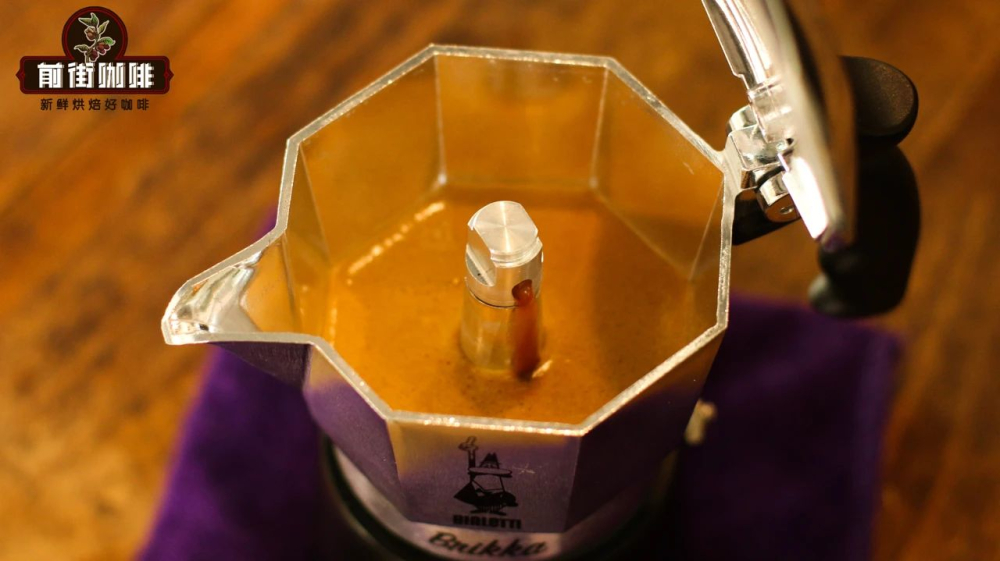
5. When the moka pot has heated to a certain degree and you hear a distinct "hissing" sound from inside the pot, turn the electric ceramic stove to low heat and lift the lid of the upper chamber; the coffee liquid and crema begin to emerge.
6. When about half of the coffee liquid has flowed out into the upper chamber, turn off the electric ceramic stove and move the moka pot to the tabletop. The residual heat and remaining pressure inside the pot will continue to "push" the rest of the coffee liquid into the upper chamber.
7. Finally, pour the coffee into a cup and it is complete. The crema produced by a single-valve moka pot is rather thin, coarser in texture, and short-lasting, disappearing quickly.

8. Pour the coffee into a cup prepared in advance, add warm water at a 1:2 ratio, stir evenly, and you have a rich and fragrant moka pot Americano.
The above content is compiled by CoffeeHunters, a coffee news website.


