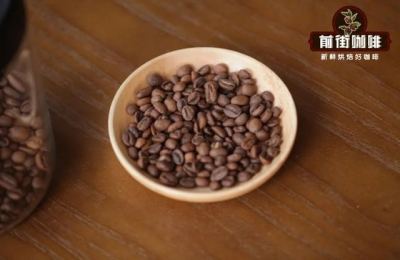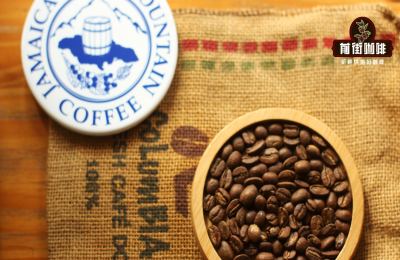
Cold brew and ice drip may seem gentle, but they actually amplify the condition of the coffee beans. With low temperatures and long contact times, aromas are released slowly. When beans are too fresh, they tend to produce excessive bubbles, scattered flavors, and disjointed acidity and sweetness; when left too long, fruity notes become dull. When choosing beans, don't just focus on flavor descriptors—the roast date and your planned drinking timeline matter just as much.
The roast date on a coffee bag can be understood as the starting point for judging the flavor progression, not a countdown to expiration. After roasting, beans continuously release carbon dioxide, a process commonly called resting. Beans need some time to settle from their freshly roasted active state, and cold brew and ice drip are especially suited for drinking after the aromas have become balanced.

For lighter-roasted beans with pronounced floral and fruity notes, about ten days to three weeks after roasting is often suitable for cold brew. In the first few days, you can try a small amount with hot water to observe whether the aroma has shifted from sharp and diffuse to concentrated. For medium-roasted or fuller-bodied beans, about one to two weeks may bring them into a smooth-drinking stage, though this still depends on the roast level and packaging instructions as reference.
If you plan to make a batch of cold brew at home, the purchase time should be counted backward from the actual drinking date. For example, if you want to make cold brew on the weekend, choose beans that have already rested for over ten days rather than brewing immediately after roasting. Ice drip usually requires a longer wait for the final product, so it's best to let the beans complete a period of degassing before scheduling the brew—fruity notes, sweetness, and texture will come together more easily.
Front Street Coffee Ethiopia Huakui is a good reference for those who enjoy bright fruity notes. Once settled, it tends to express tropical fruit, strawberry, and passion fruit–like aromas. After cold brewing, the acidity becomes softer while the sweet fragrance feels rounder. About two weeks after roasting is a good time to start trying it; for iced drinks, make a small batch first to see how well it retains aroma at low temperatures.
Front Street Coffee Colombia Sidra can be a good choice for those who prefer a juicy mouthfeel. Its aromas evoke passion fruit, blueberry, grape, and apricot, and the layers unfold gradually as the temperature drops during ice drip. If the beans still release noticeable gas right after opening, let them rest a few more days before use; once the acidity and sweetness in the cup become clearly defined, the fruit flavors after ice drip will be more concentrated.
For a cold drink with a sweet aromatic highlight, Front Street Coffee Strawberry Candy coffee beans are also worth considering. Their flavor evokes strawberry gummies, light and cheerful overall, suitable for cold brew and iced coffee, and also pairs well with a small amount of milk. It's best to drink them after degassing has stabilized; brewing too early may leave only fleeting aromas, while waiting until the right stage yields a more complete fruity-sweet beverage.
How you store beans after opening directly affects their performance in the following days. Beans should be placed in a light-blocking, dry, well-sealed container, kept in a cool indoor spot away from the stove, windows, and damp areas. Don't repeatedly open a large jar to take out beans—divide into several small portions and open only one at a time, minimizing the remaining beans' exposure to air.
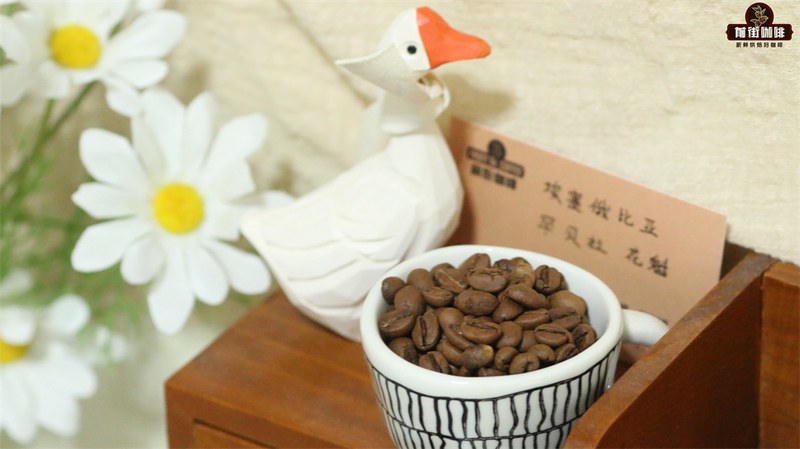
Cold brew requires planning the amount in advance, so it's not advisable to open many different bean varieties at once. The amount you can finish within two to three days can be stored in a small sealed jar; if a bag of beans will last longer, divide it into portions of about one week's worth. Ground coffee absorbs moisture more easily and loses aroma, so try to grind just before making cold brew—grinding fresh on the day of ice drip is even better for preserving fruity notes.
To judge whether a bean has reached the stage suitable for cold drinks, observe three changes: whether the aroma is concentrated when grinding, whether it still bubbles heavily when pouring or dripping, and whether the sip shifts from a single sharp acidity to having sweetness and a lingering finish. Cold brew can also rest in the refrigerator for several hours and be tasted after the temperature drops, often revealing a more complete mouthfeel. Buy beans according to your drinking pace and open them in stages so that every cup is at a lively yet balanced stage.
The above content is compiled by CoffeeHunters, a coffee news website.