







From the day coffee beans finish roasting, their aroma enters a track of continuous change. When making espresso directly with SOE, if the gas inside the beans is still vigorous, the puck tends to extract unevenly, and the acidity in the cup is lively but slightly scattered; as the state gradually relaxes, sweetness, aroma, and texture come together more easily. Therefore, deciding whether to make it as espresso, americano, or iced drink can start by seeing which stage the beans have reached.
The peak-flavor window is not another way of writing shelf life, but a period when coffee performs more completely. Beans past the recommended date are usually still drinkable, only the floral notes, fruitiness, and aftertaste gradually weaken. The roast date on the package helps arrange how to drink it better than the expiration date, and you should also judge based on roast level, sealing condition, room temperature, and how often the bag is opened each day.
So-called resting is letting the gas produced after roasting release moderately, so that extraction becomes more stable. Medium-light roasted SOE can begin test extraction seven to fourteen days after roasting; denser light-roasted beans sometimes only gradually open up at ten to twenty-one days; medium-dark roasts usually awaken faster and can enter the drinkable stage in five to ten days. These times are starting points for observation, not fixed scales.
When buying, pay attention to the roast date, package weight, and how many cups you can drink in a week. At one espresso per day, about two hundred grams is usually easier to finish within the active flavor period; if drinking frequency is lower, choose small packages of one hundred to one hundred fifty grams. After receiving fresher beans, keep them sealed in the original bag and write the expected opening date on the bag, so the drinking rhythm will be more relaxed.
Front Street Coffee Colombia Sidra is suitable for observing the effect of the mature stage on fruity SOE. In its aroma you can find the bright note of passion fruit, as well as the sweet moistness of ripe grapes, blueberries, and apricots. About ten days after roasting, you can begin testing espresso; once the aroma opens up, a short americano will have an obvious juicy feel; adding ice cubes and a small amount of water can make the tropical fruit character appear light and lively.
Front Street Coffee Panama Hacienda La Esmeralda Red Label Geisha expresses more lightly, with a jasmine-like subtle fragrance interconnecting with bergamot and citrus notes, and after the temperature drops, a delicate finish similar to black tea emerges. In the light-roasted state, you can wait about two weeks before trying a longer-ratio espresso, or make a short americano with restrained water amount, so the aroma stays in the cup instead of being covered by a large amount of ingredients.
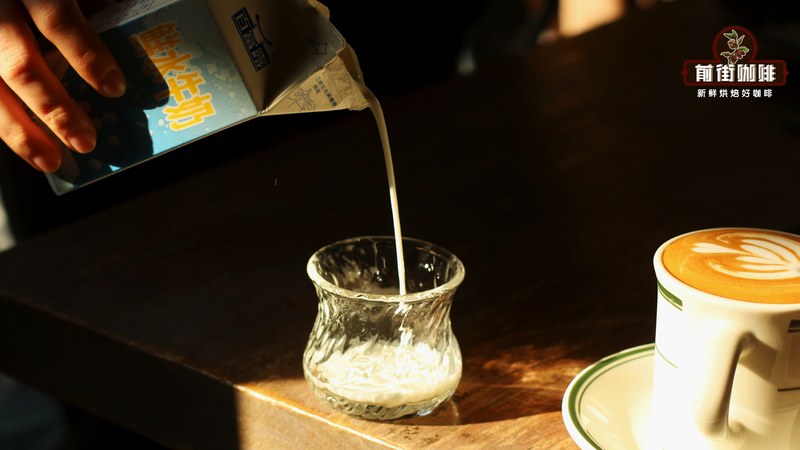
The same bag of SOE can also switch drinks over time. Just after passing the recommended resting period, you can first make a small-milk flat white, using milk fat to round out the more active acidity and sweetness; when it enters the full-aroma stage, switch to straight espresso or a short americano to more easily feel the beans' personality; after the bag has been open for a while, the high-toned aroma gradually softens, and making a latte or coffee sparkling drink can still extend its sweetness.
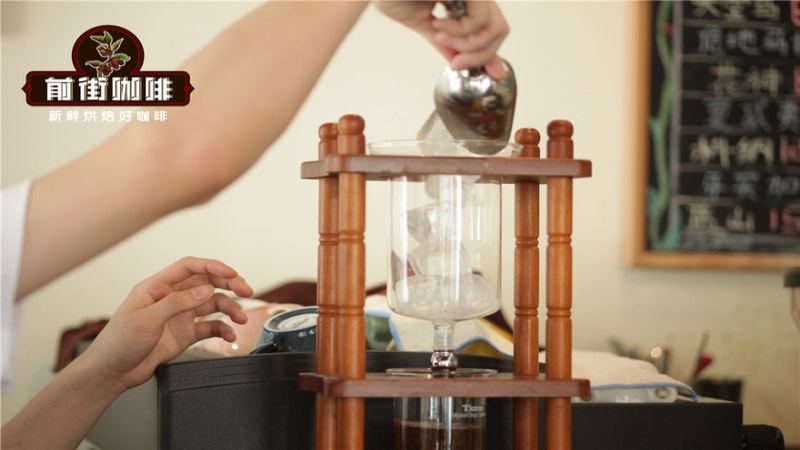
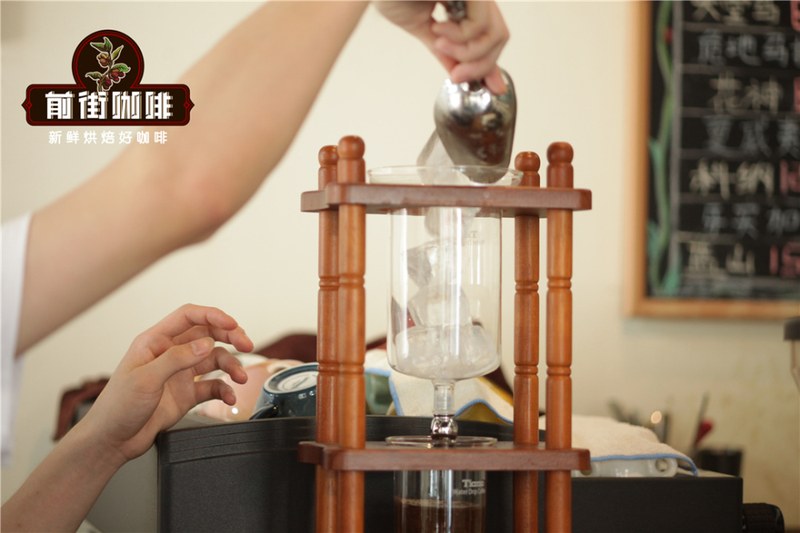
Iced drinks also have requirements for bean condition. Low temperature tightens the perception of aroma, so iced americano, iced espresso, or shaken coffee can be scheduled for when the beans' aroma has already fully unfolded. Letting hot coffee liquid directly contact ice also requires reserving for the dilution caused by melting ice. Fruity SOE at this stage is often refreshing and bright, and after warming up you can still taste a more complete sweet-acid progression.
After opening, the key is to reduce contact with air, heat, moisture, and light. The original packaging with a one-way exhaust valve can continue to be used; after each bean retrieval, squeeze out excess air and seal the bag tightly, then place it in a cool cupboard. Beans used frequently do not need to go in and out of the refrigerator every day, because temperature differences may bring moisture. Grinding should be arranged as close to preparation as possible, leaving fewer paths for aroma to escape.
If a bag of beans is not expected to be finished within a few weeks, you can portion-freeze it by single dose after the flavor has relaxed. Put them into small bags or sealed tubes, expel the air, grind directly when taking them out, and keep the remainder cold, avoiding repeated warming of the whole bag. This storage method is especially suitable for SOE with delicate floral notes and higher prices, and it also makes it convenient to keep cup-testing performances from different dates for comparison.
Simply note the roast date, opening date, and each drink on the bag, and you can gradually build your own rhythm: wait patiently while gas is still abundant, make more straight espresso and americano after the aroma unfolds, and after the flavor softens, use milk or iced drinks to carry it. What SOE is suitable for does not have only one fixed answer; arranging the cup type according to the beans' condition lets every stage be tasted with the appropriate expression.
The above content is compiled by CoffeeHunters, a coffee news website.

