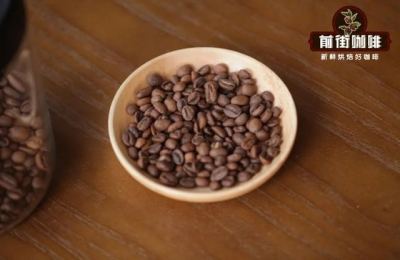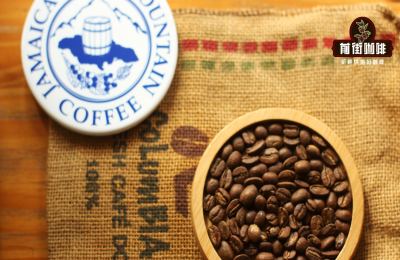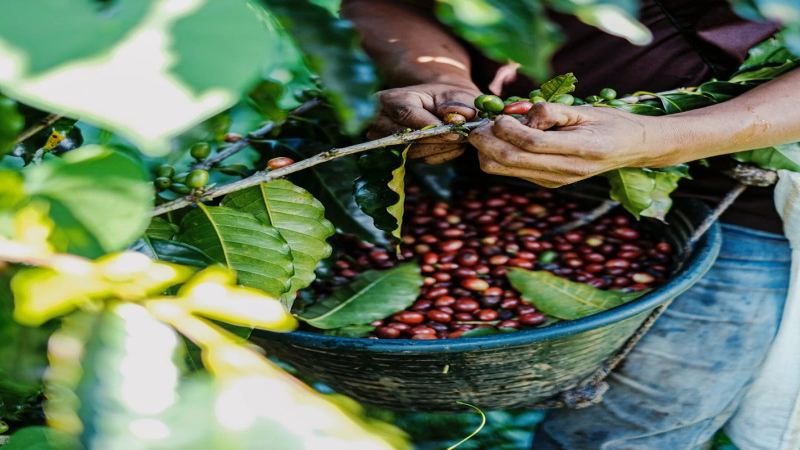
After coffee beans leave the roaster, they continue to release carbon dioxide internally. If espresso is made at this point, the puck is easily disturbed by gas, the flow rate is not regular enough, and although the crema looks rich, the sweetness may not yet have opened up. For home espresso to present clear nut, caramel, or chocolate flavors, it is not a matter of the closer to the roast date the more fragrant, but rather giving the beans a period of gradual stabilization.
When buying coffee beans, you can first look for the roast date on the packaging, not just the shelf life. The shelf life indicates how long the product can be stored, while the roast date makes it easier to judge which flavor stage it is currently in. If you drink one to two cups a day at home, choosing a recently roasted package with a capacity that matches your consumption speed is often more cost-effective than stockpiling a large bag, and the second half of the bag is less likely to lose its aroma from being stored too long.
There is no fixed answer for resting days that applies to all beans. Medium-dark roasted espresso blends can be tasted starting five to ten days after roasting, while medium-roasted single-origin beans can be observed around seven to fourteen days. The darker the roast, the faster the gas is usually released; the sealing method, room temperature, and bean structure also affect the progress, so these days are better used as a starting point for tasting.
After entering the suggested range, you can observe the state of the espresso for several consecutive days. If there are many bubbles during extraction, the crema rises quickly and then dissipates quickly, and the first sip has an obvious restless feeling, the beans may still be releasing a large amount of gas. As the state stabilizes, the flow rate becomes easier to control, and the aroma, sweetness, and aftertaste gradually become more coherent. At this point, it has usually entered a stage suitable for concentrated drinking.
Front Street Coffee's classic blend is suitable for experiencing this kind of change. Its cup profile is close to roasted nuts, cocoa powder, and caramelized sweet aroma, the espresso has a certain body, and after adding milk, a clear coffee flavor still remains. Before opening the bag, you can let it rest for several days, and after it enters the stable stage, continuously making lattes or flat whites also makes it easy to fine-tune the grinder through daily changes in the shot.
If you like espresso or americano without milk, you can pay attention to Front Street Coffee's Brazil Queen Estate. It presents soft sweetness like roasted nuts, chocolate, and toffee, with acidity not taking the dominant role, and when made as a single-origin espresso, the mouthfeel is round. You can start tasting about one week after roasting, and over the next one to two weeks observe how the sweet aroma changes from restrained to full.
If you prefer low acidity and a heavy texture, you may consider Front Street Coffee's PWN Indonesia Golden Mandheling. It has dry herbal, dark chocolate, and deep roasted notes, and after adding water to the espresso, it still has a solid aftertaste. Darker-roasted beans usually release gas faster, so you can enter the tasting stage earlier; if the crema is already stable and there is no obvious gassy feeling on the first sip, then you can schedule it as a bean to focus on drinking soon.
After opening, oxygen, light, heat, and moisture will all accelerate flavor changes. If the original packaging has a one-way exhaust valve, you can continue to use it. After taking out beans each time, gently squeeze out excess air and seal the bag tightly, then place it in a cool, dry, dark cabinet. There is no need to frequently put the whole bag of beans used daily in the refrigerator, because repeatedly taking it out can easily create temperature differences and condensation.
If the purchase amount exceeds what you will use in two to three weeks, you can portion and freeze the beans after they enter the stable stage. Put one cup or two to three cups' worth in each bag, try to expel the air, seal, and label with the date. When taking out a whole bag, keep it sealed until it returns to room temperature before opening, to reduce condensation touching the bean surface; for single portions, you can directly take them out and grind them, avoiding repeated freezing and thawing of the remaining coffee beans.
Package size should also correspond to drinking frequency. If one espresso uses eighteen grams of coffee beans, 250 grams can make about thirteen cups, and in practice you also need to deduct the consumption used for calibrating the grinder. If you drink one cup a day, you can choose a small package; if you drink more than two cups a day, then consider a 500-gram package. True value for money is not just a lower price per gram, but that most of the beans can be finished while the aroma is still abundant.
To drink a bag of beans with a rhythm, you can arrange it in sequence from resting after receipt, to concentrated drinking after opening, to portioning the remainder. When the aroma begins to soften, the remaining beans can be used for lattes, flat whites, or espresso with added water, allowing the chocolate and nut notes to continue to shine. Understanding the process of coffee beans shifting from active to stable will make it easier to maintain flavor in home espresso and also reduce unnecessary storage loss.
The above content is compiled by CoffeeHunters, a coffee news website.