







After coffee beans leave the roaster, they do not immediately reach a state where their aromas are fully developed. The beans are still releasing carbon dioxide, and if you pour-over the next day, the bloom may puff up high, yet the water will not easily saturate the coffee bed evenly, and the cup may also show aromas floating on the surface with sweetness and acidity not yet integrated. Allowing a period of degassing usually makes the floral notes, fruit sweetness, and finish clearer.
The peak flavor window is not a fixed line before an expiration date, but a period when the flavors are relatively active. It is calculated from the roast date and is also affected by roast level, packaging seal, room temperature, and how often the bag is opened. In the early part of the window, the aroma may be tight and concentrated; in the middle, sweetness and complexity gradually unfold; in the later part, the aroma weakens, but the mouthfeel can still remain soft.
When choosing pour-over beans, consider the roast date together with your own drinking speed. If you use 15 grams of coffee beans per day, a 200-gram bag makes about 13 cups, which is suitable to finish within two to three weeks. If you want to compare several beans at the same time, smaller packages make it easier to control the number of bags opened and also allow each bean to be drunk while its aroma is still active.
There is no uniform answer for how long beans need to rest. Light roasts have a tighter structure, so you can start test brewing between the seventh and fourteenth day after roasting; medium-light or medium roasts usually perform well from the fourth to the tenth day. In colder weather or with lighter roasts, development may be a little slower. While unopened, keep the original packaging and store it in a cool, stable indoor environment, which is better for flavor development than repeatedly opening it to check.
To experience how aroma changes from tight to open, pay attention to Front Street Yirgacheffe Gedeo. It is more relaxed to start tasting about a week after roasting, and over the following days it often gradually reveals citrus peel, red berries, and gentle floral notes, with a sweet green-tea-like aftertaste as it cools. Using a warm pour-over, you can observe the aroma shifting across different temperature ranges.
If you prefer full fruit aromas, you can choose Front Street Ethiopia Huakui. Its tropical fruit notes are more vivid, and in the cup it easily brings to mind strawberry and passion fruit, with a bright and elastic sweetness. You can open the bag eight to twelve days after roasting, then drink it over about two weeks; in hotter weather, making iced pour-over can also make the fruit aromas and sweetness feel lighter and livelier.
Front Street Kenya Little Tomato is suitable for drinkers who want acidity with substance. It is not simply sharp acidity, but a combination reminiscent of cherry tomatoes, dark plums, and brown sugar, with a juicy, filling entry and a relatively crisp finish. You can start tasting about ten days after roasting and drink it as a hot pour-over while it gradually cools, making it easier to notice how the acidity and sweetness shift from bright to round.
After opening, the key to storage is to reduce the ongoing effects of air, heat, light, and moisture. After taking out beans each time, gently squeeze out excess air from the bag, press the seal tightly, and place the bag in a dark cabinet. The original bag with a one-way degassing valve is already suitable for daily use; there is no need to frequently transfer the beans into a transparent jar, and it is not recommended to repeatedly take them in and out of the refrigerator, to avoid condensation and absorbing food odors.
If you buy a larger amount, you can portion and freeze the beans after they enter the suitable drinking stage, using single-brew or multi-brew amounts. Use sealed bags with good barrier properties, expel as much air as possible, and label the bean name and date. After taking them out, you can grind directly, or keep them sealed and open only after the packaging has returned to room temperature. The key is to reduce repeated thawing of the same portion of beans and keep the unused portion stable.
You can design your bean-drinking rhythm to be more observational. Brew a cup on the day you open the bag and record the aroma, acidity, sweetness, and finish; brew again two or three days later and compare whether the bloom and the sweetness in the cup have changed. If the first few cups seem to have crowded aromas, you can wait a few more days; if the floral and fruit aromas are already clear, then you have entered a more concentrated drinking stage, and there is no need to keep storing them longer just to chase a certain date.
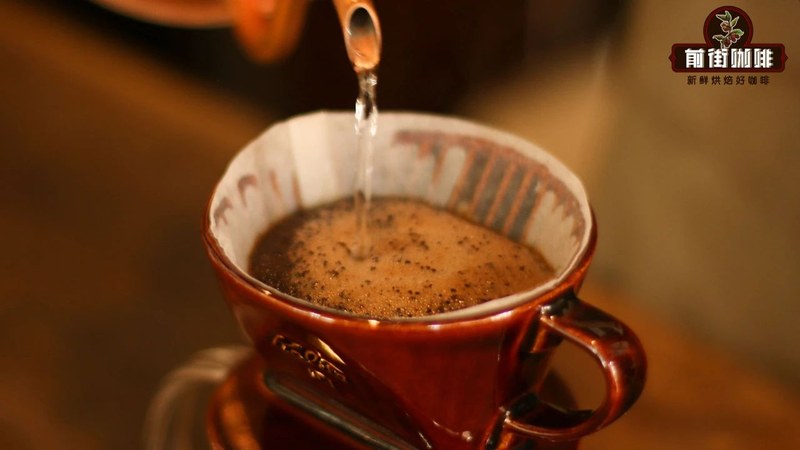
As time passes after opening, coffee beans release less gas, and the aroma gradually settles. At this point, you can grind slightly finer or raise the water temperature by one or two degrees Celsius to help the remaining flavors release fully. Choose the right package size, arrange when to open according to the roast date, and then brew at a steady pace within the suitable drinking window; the changes in a pour-over bean from first opening to the final stage will also become part of what is worth tasting in the cup.
The above content is compiled by CoffeeHunters, a coffee news website.


