







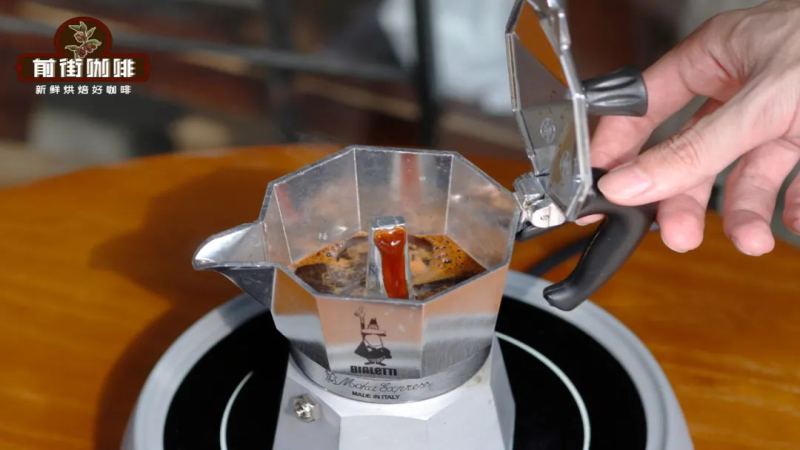
In the past, espresso machines were not very common in homes, and since moka pots were inexpensive and could still produce a relatively strong coffee liquid, this is the reason for the moka pot's existence.
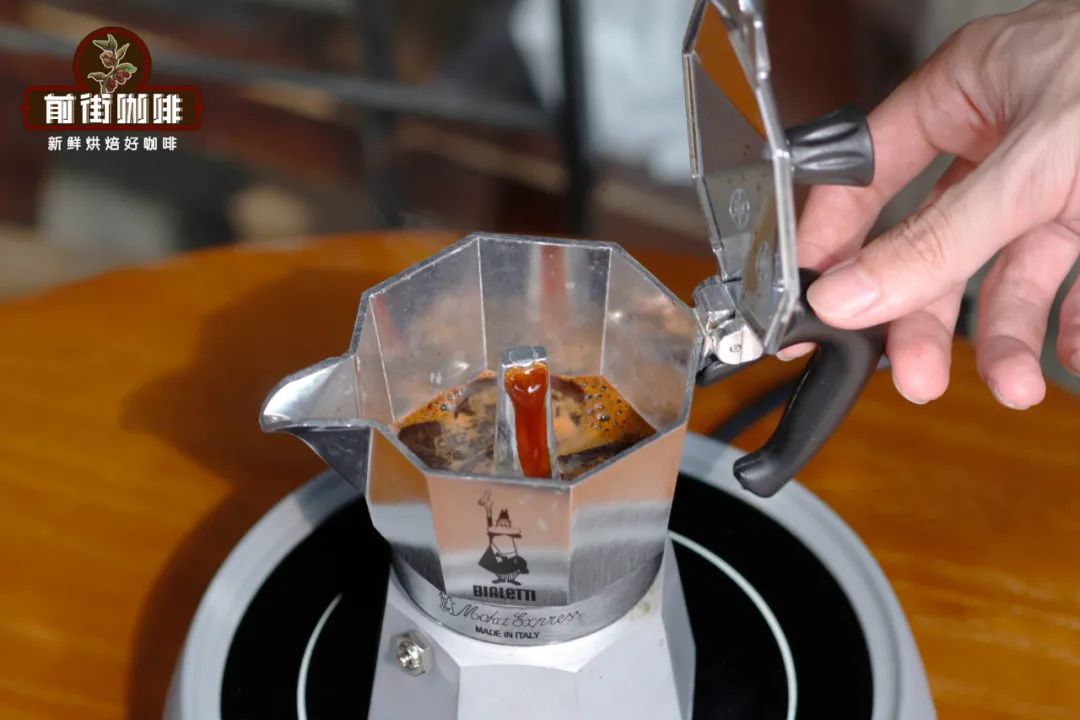
As coffee has become increasingly popular, the moka pot has gained widespread appeal as an affordable coffee brewing device. More and more people keep a moka pot at the office or at home so they can enjoy delicious coffee at any time. But many friends are unfamiliar with how to use a moka pot, so after buying one they find themselves at a loss, and the coffee they brew doesn't taste right either! Therefore, what Front Street wants to share today is: a guide to using the moka pot! We hope it can help everyone make delicious moka pot coffee!
The Structure and Working Principle of the Moka Pot
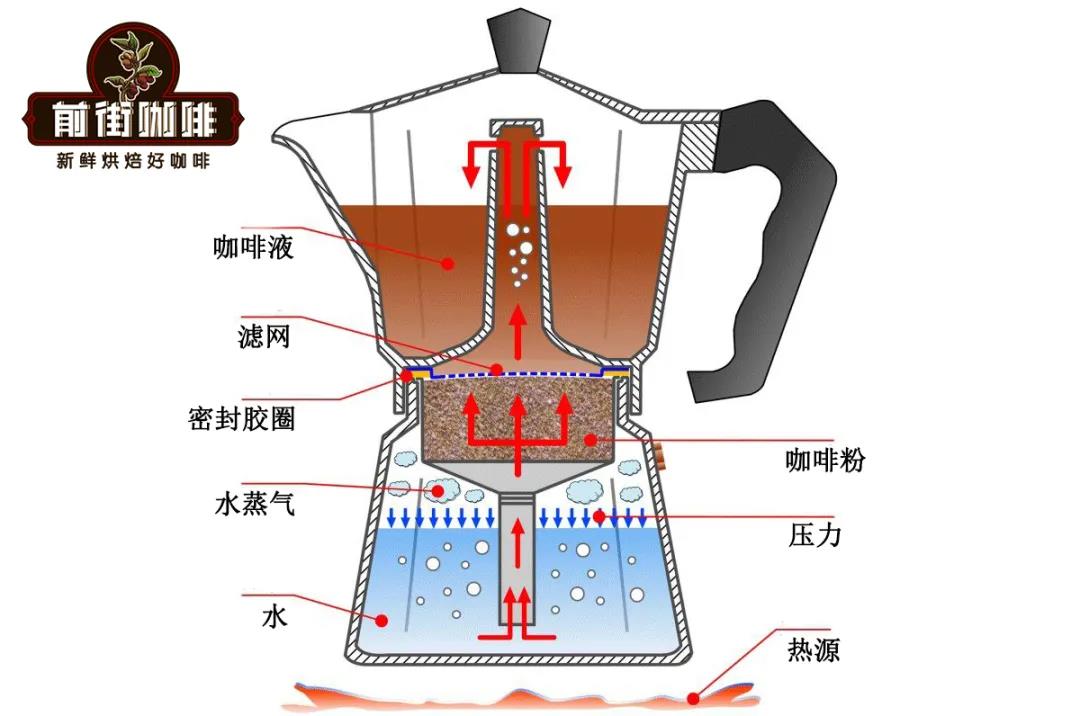
The moka pot is mainly divided into three parts: the lower chamber that holds water, the filter basket that holds the grounds, and the upper chamber that receives the coffee liquid.
The principle of the moka pot is very simple. By heating the lower chamber, the water inside reaches its boiling point and turns into steam. The steam, having nowhere to escape, gradually builds up and fills the chamber with pressure. Once the pressure accumulates to a certain level, it pushes the remaining hot water up to the upper chamber. Just before the hot water reaches the upper chamber, it first passes through the filter basket, and at this point it extracts the coffee grounds, then carries the coffee substances as it seeps out through the upper chamber. The liquid that finally emerges from the spout is the coffee liquid.
The Grind Size for Moka Pot Coffee
Compared to other brewing methods, the coffee grounds used in a moka pot don't have such high demands on grind size! A very fine particle size close to espresso makes it easier to achieve a quasi-espresso coffee!
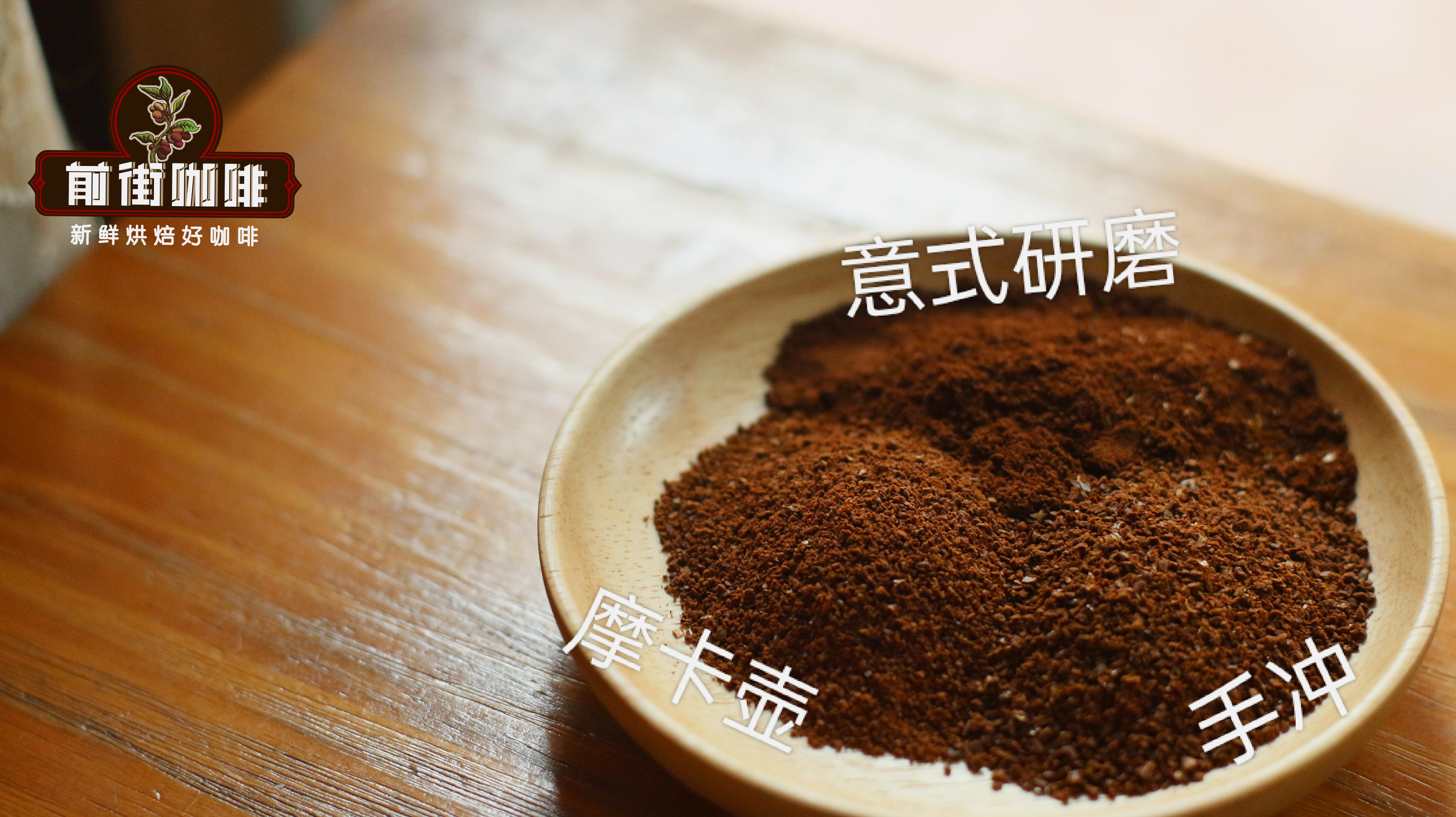
Coarse sugar-like particles used for pour-over coffee and flour-like particles used for Turkish coffee are not recommended! A grind that is too coarse will make the resistance of the coffee puck too low, causing hot water to pass through too quickly and failing to extract enough coffee substances—in other words, it easily leads to under-extraction; while a grind that is too fine will make the resistance too high, and the hot water will accumulate in the filter basket for a long time without being able to get out, creating a risk of explosion!!! So if you find that the water has been boiling for a long time but the liquid still hasn't emerged, it's best to turn off the heat source, readjust the grind, and then brew again—safety is the most important thing!
The Amount of Coffee Grounds to Use in a Moka Pot
Different sizes of moka pots use different amounts of coffee grounds, and coffee grounds of different coarseness have different volumes. At the same weight, the finer the grind, the smaller the volume of the coffee grounds! Changes in volume will affect extraction, so this is often why we use the officially recommended amount of grounds but still can't brew a delicious cup of coffee—because differences in grind create differences in extraction!
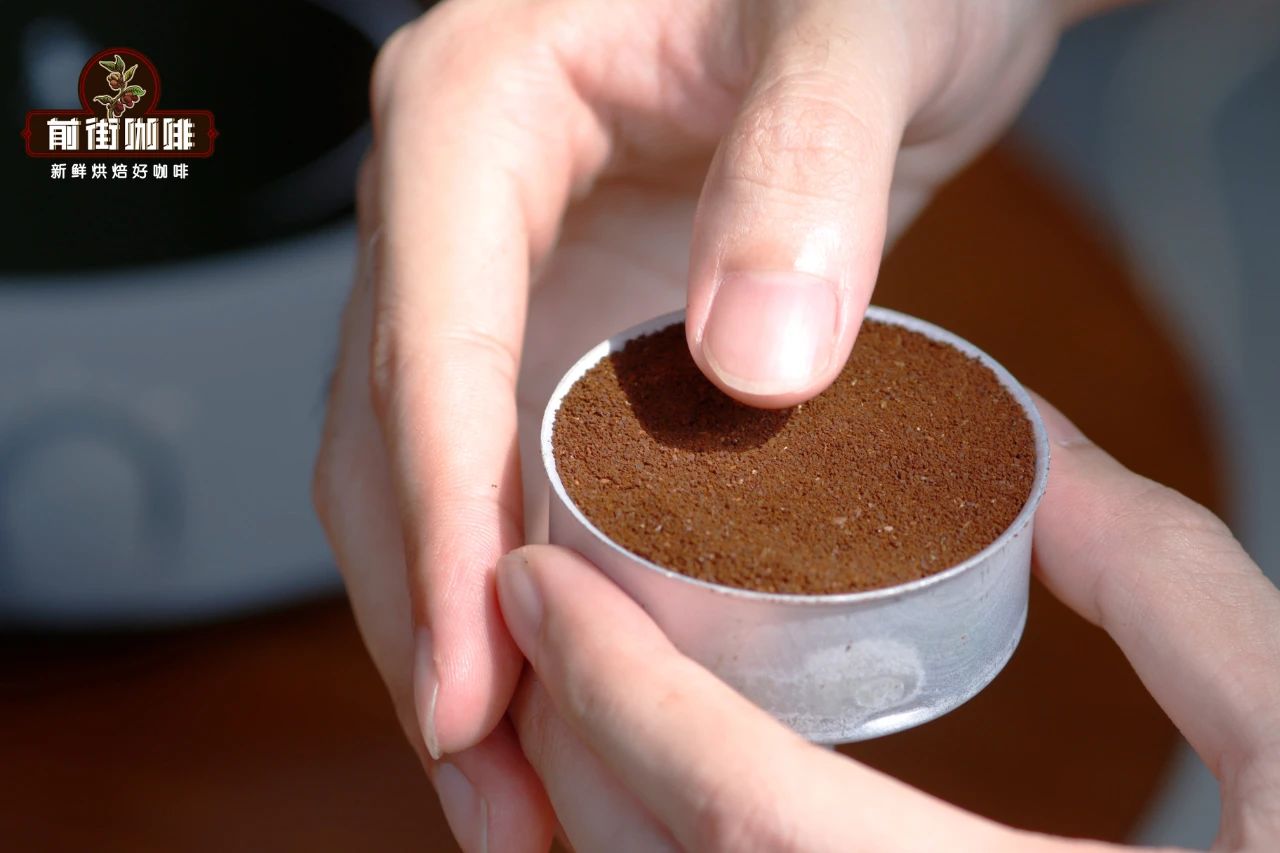
Therefore, we can simply fill the filter basket with coffee grounds, leveling it off. This ensures a high margin for error during extraction. The amount of grounds used to fill the basket level is the most suitable extraction amount for that size of moka pot and the current grind. Then Front Street suggests that everyone record the numbers, making it convenient to adjust the brewing plan later~
The Amount of Water to Use in a Moka Pot
The amount of water in a moka pot is also a concern for many people. You can take out the lower chamber of the moka pot, and inside the water reservoir there will be a metal valve, which is called the "pressure relief valve."

Its purpose is to prevent accidents where the pot explodes due to excessive pressure caused by too fine a grind or other factors. If too much water is added and it rises above this valve, the pressure relief valve may lose its pressure-relieving effect, increasing the risk of the pot exploding. So Front Street would suggest keeping the water level below this valve as the most appropriate. Likewise, to better adjust extraction, Front Street would suggest measuring and recording the amount of water poured in.
What Kind of Coffee Beans Are Suitable for a Moka Pot
Front Street can say quite plainly that a moka pot is suitable for extracting all coffee beans. We can choose the specific beans based on our own needs. If you want to use moka pot coffee to make a latte, then a dark roast that produces rich crema and has a bitterness that won't be overpowered by the milk's flavor is your first choice! If you want to use moka pot coffee to make a refreshing black coffee, then choosing a light roast with floral and fruity notes will be superior! The specific choice depends on your own needs.

These are the points to note. Now let's move on to the tutorial on making moka pot coffee!
Steps for Using a Moka Pot
Prepare the materials needed to make coffee: coffee grounds, water, a moka pot, and a heat source for heating.
1. Add water: First, add an appropriate amount of hot water. Because hot water can shorten the time needed to bring the water to a boil, letting us get a cup of moka pot coffee faster!

2. Fill with coffee grounds: Fill an appropriate amount of coffee grounds into the filter basket, then place the filter basket into the lower chamber.
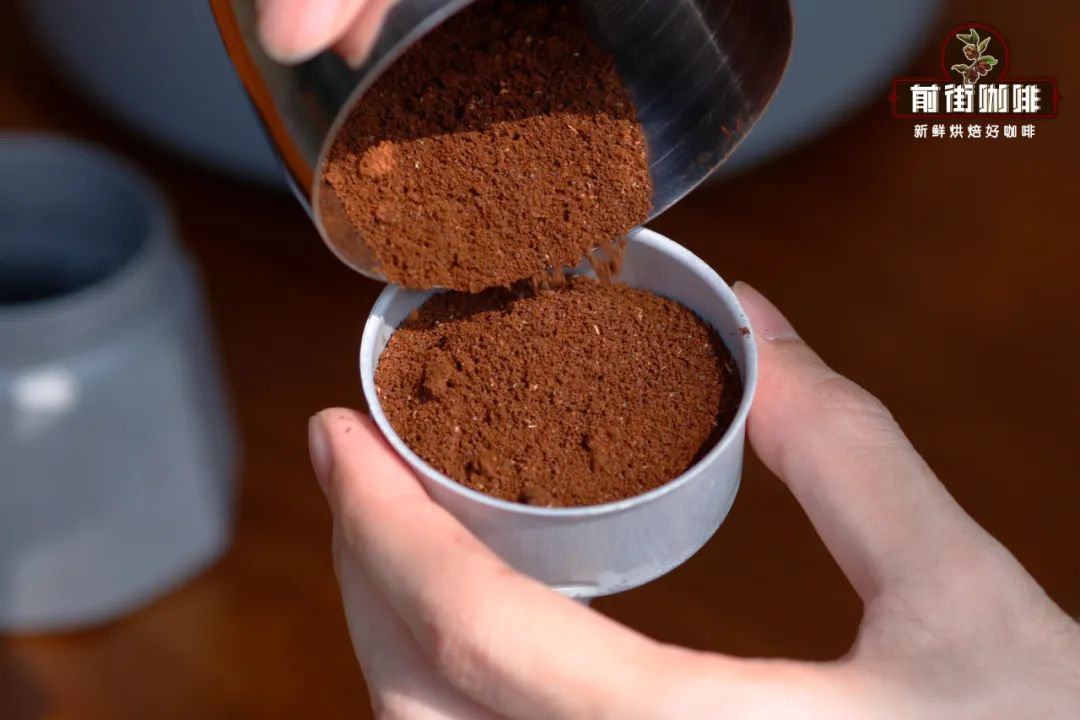
It should be noted that after pouring the coffee grounds into the filter basket, we should gently tap the basket. The purpose of this is to allow the coffee grounds to naturally settle downward, filling the gaps and reducing the occurrence of channeling. After filling, simply use your finger to level the surface of the coffee grounds. Note that if the coffee grounds used are too fine, it's best not to tamp them, because doing so will increase the resistance of the filter basket and make it harder for hot water to pass through.
3. Tighten the upper chamber and lower chamber together: The point to note in this step is that if you've filled it with hot water, it's best to use a wet cloth for insulation to avoid getting burned.

4. Place on the heat source and start brewing: There's not much to say about this point—just place the moka pot on a heat-conductive heat source to heat it.
5. Turn to low heat and wait for the coffee liquid to seep out: When we've heated it until the moka pot makes a noticeable sound, it means the hot water, pushed by the steam, is about to overflow with the coffee substances. At this point, we need to lower the heat.

Otherwise, high heat will continuously produce steam, strengthening the pressure, and then the hot water, due to excessive pressure, will flow out at a faster speed, unable to extract enough coffee substances, ultimately making the entire cup of coffee taste thin and weak. So when the coffee liquid is about to overflow, it's best to lower the heat.
6. Stop heating and wait for extraction to finish: When the coffee liquid has come out about halfway, we should turn off the heat source, because the residual heat inside the moka pot is already enough to "urge" out the remaining hot water.
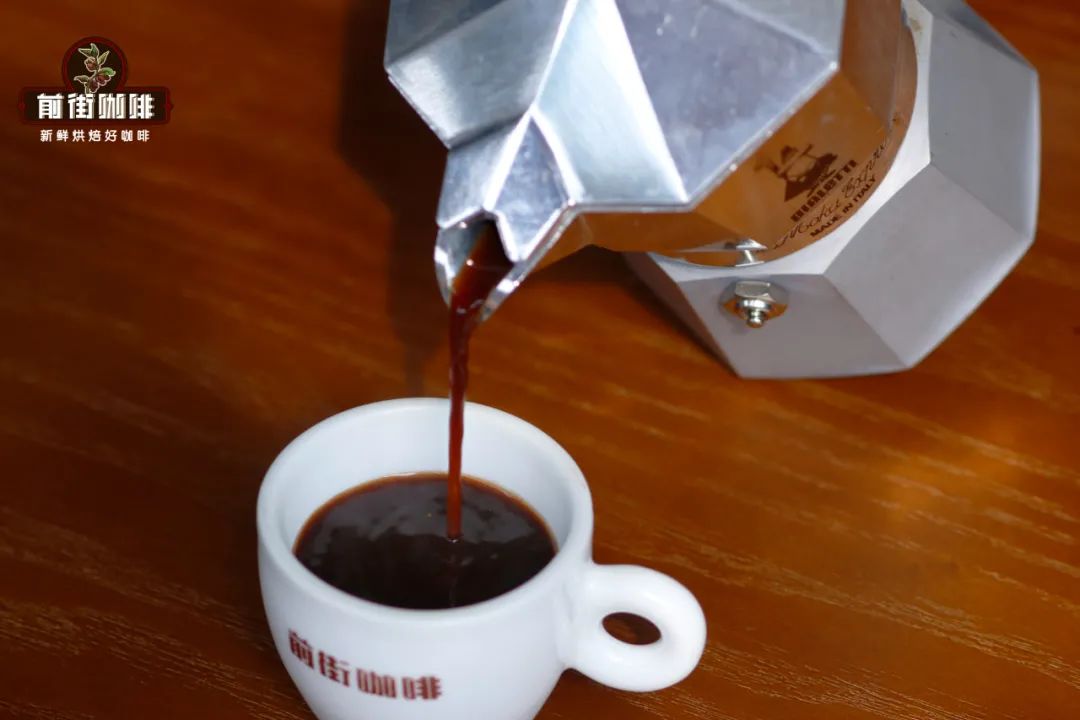
7. Taste the coffee: Once the moka pot stops releasing liquid, we can pour out the coffee liquid and taste it!
If, when drinking moka pot coffee, we taste a strong burnt bitterness, that indicates over-extraction, and we need to appropriately reduce the amount of liquid extracted—next time, simply end the extraction earlier! And if it tastes too sour with some off-flavors, it's very likely under-extraction, and you can adjust the grind. If the grind cannot be adjusted, then we can improve extraction by slightly increasing the amount of water in the moka pot. After several attempts, you'll know how to extract a delicious cup of moka pot coffee~
The above content is compiled by CoffeeHunters, a coffee news website.


