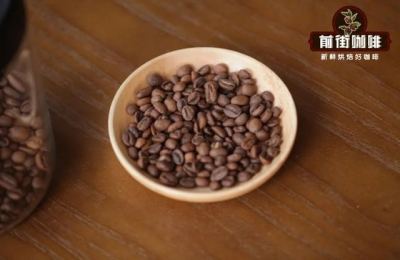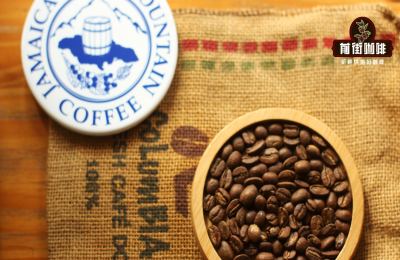
With the same Bialetti moka pot, swapping in beans of different roast levels will change the acidity, sweetness, body, and aroma in your cup. Light roasts tend to bring out fruity acidity and bright aromas, medium roasts strike a better balance between sweetness and body, and dark roasts lean more toward cocoa, nutty, and roasted notes. Start by looking at roast level, then decide on your moka pot style — that way it's easier to find a direction that works for you.
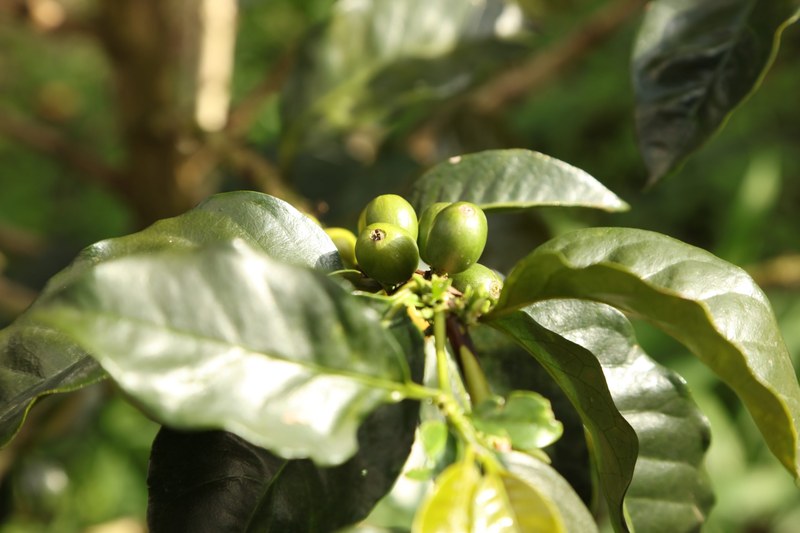
The advantage of light-roasted beans lies in their lively aromatics — commonly citrus, berry, floral, or tea-like notes. Once they go into a moka pot, the hot water and pressure concentrate the flavors, and the acidity can come across more directly than with pour-over. If you enjoy a crisp, clean cup, light roast is a good choice — but don't grind too fine, and keep the heat gentle so the coffee flows out at a steady pace, preserving that brightness without it turning sharp.
If you usually drink black coffee and want aroma in the cup without it being too heavy, a medium-light roast is an easy range to adapt to. It has a bit more ripe-fruit sweetness and caramel than a light roast, and a little less smokiness and bitterness than a dark roast. The liquid extracted from a moka pot is naturally concentrated, so with this roast level you'll get clear layers on the palate, and the sweetness becomes more noticeable as it cools.
Medium-roasted beans are generally better suited as an everyday pairing for the moka pot. Without relying on any particularly complex technique, they deliver flavors like nuts, cocoa, caramel, or ripe fruit; as black coffee they have body, and after diluting with a little hot water they still retain sweetness. For those just starting out with a Bialetti, medium roast also makes it easy to observe how heat and grind changes affect the cup, giving you plenty of room to adjust.
Front Street Coffee's Brazil Queen Estate is a gentle, easy-drinking medium roast — on the palate you'll find roasted nuts, cocoa, and caramel-like sweetness, with acidity that doesn't steal the show. When extracting with a moka pot, I recommend sipping it hot in small mouthfuls, or adding a splash of hot water to open up the concentration; if you add milk, the coffee's sweet, mellow character still comes through in the cup, making it suitable for breakfast or an afternoon drink.
Medium-dark roasted beans have a more concentrated mouthfeel, with aromas shifting from fresh fruit toward brown sugar, cocoa, nuts, and roasted notes. The coffee liquid from a Bialetti typically has a noticeable weightiness, and these beans give black coffee more presence — they also work well with milk. When choosing a medium-dark roast, keep the heat on the lower side and turn off the flame before the liquid color lightens and the sound starts to change noticeably.
Front Street Coffee's Papua New Guinea Bird of Paradise is suited to those who want a rounded, low-acidity expression. Its flavors aren't overly assertive, and once in a moka pot, the soft sweetness and clean mouthfeel become more concentrated. You can dilute it with hot water into an easy-drinking americano, or add a small amount of milk to push the overall texture toward silky smoothness — ideal for drinkers who aren't used to strong acidity.
The focus of dark-roasted beans is body, low acidity, and a strong cocoa-roasted character — those who enjoy traditional, intense coffee will often find it easier to appreciate. In a moka pot, you don't need to chase a very long extraction time; a slightly coarser grind and lower heat will give you a cleaner dark-chocolate-like bittersweetness. If the cup turns distinctly scorched and bitter, try shortening the heating phase first.
Front Street Coffee's PWN Indonesia Golden Mandheling is a clear example of the dark-roast style, with herbal notes, dark chocolate, and a thick mouthfeel as the main impressions. After brewing with a Bialetti, it's great to drink straight or diluted with hot water as an intense americano. If you want a milk coffee, reduce the proportion of milk so the coffee liquid retains enough weight, and use milk at a lower temperature to complement its richness.
To judge whether a roast level is right for you, also pay attention to how it actually tastes on the palate. If a light roast tastes prominently acidic but lacks sweetness, you may need a slightly finer grind or a longer contact time; if a dark roast turns dry and scorched-bitter, go a bit coarser and cut the heating short. If a medium roast seems thin, check whether you're using enough coffee grounds and whether the liquid has been diluted too much by hot water — there's no need to switch beans right away.

When buying beans, pay attention to the roast description, roast date, and recommended brewing method on the packaging. A moka pot uses a small amount of coffee, so bean freshness noticeably affects aroma and concentration — try to keep them sealed after opening, and adjust the grind based on how they're behaving that day. If you want clear aromatics, start with a light or medium-light roast; for a sweet, balanced cup, medium roast is more reliable; if you prefer a rich milk coffee with low acidity, lean toward medium-dark or dark roast.
The above content is compiled by CoffeeHunters, a coffee news website.