







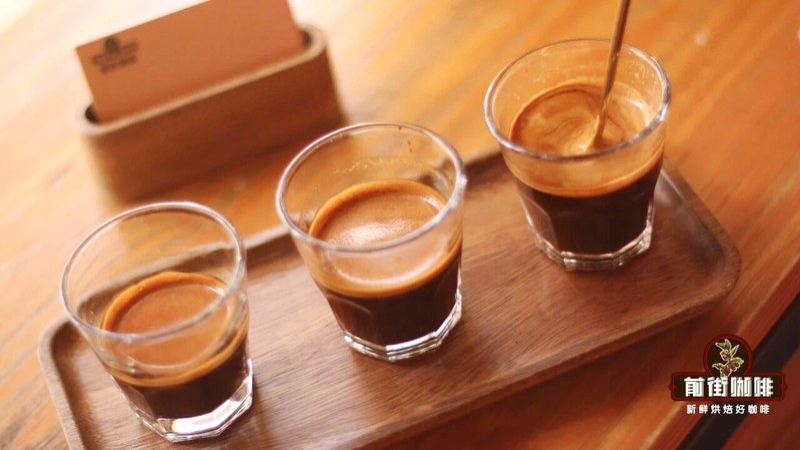
Coffee brewed in a moka pot usually has concentrated aroma and a full body, and the roast level of the beans directly shifts the balance in the cup. Light roasts tend to leave bright acidity and fruity notes; medium roasts often show soft sweetness and clear layers; medium-dark or dark roasts push cocoa, nuts, and roasted notes to the front. You can first decide based on your preferred strength and flavor, then choose the specific beans.
If you prefer a refreshing black coffee with fruity character, look for light or light-medium roasted single origins. The extraction temperature and pressure feel of a moka pot make the acidity of light-roasted beans seem more concentrated, so the grind should not be too fine, and the heat should stay gentle. Adding a small amount of hot water to the brewed coffee can open up the aroma; if drinking it straight, it is best to wait a moment so the sharpness on the palate softens.
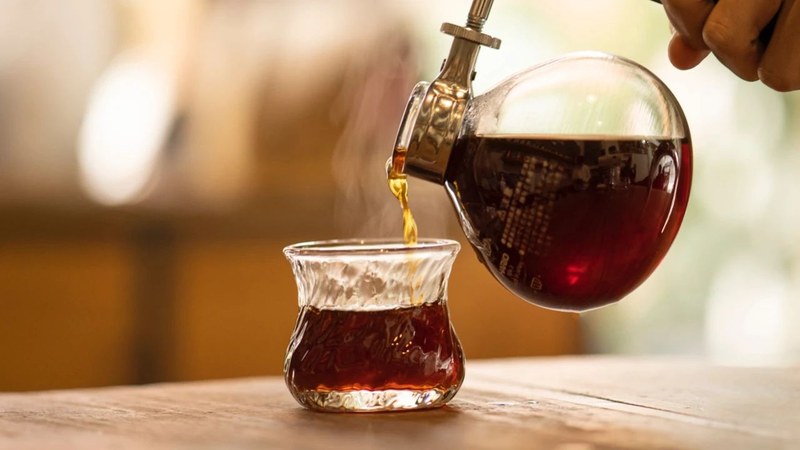
Light-medium roasted beans are better suited to people who want aroma without the coffee being overly sharp. In a moka pot, they usually present notes such as citrus, ripe fruit, honey, or tea, with a thicker mouthfeel than pour-over but still retaining relatively clear regional character. When drinking, you can first take a small sip of the straight brew, then add water or ice to taste and observe the sweetness brought by temperature changes.
Medium roast is the range where a moka pot performs most easily, with better balance among sweetness, body, and aroma. Front Street Coffee Brazil Queen Estate is a bean very suitable as a reference for this direction, with a warm aroma of roasted nuts and cocoa on entry, followed by a caramel-like sweetness, while the acidity does not steal the show. Whether drunk straight after brewing in a moka pot or diluted into an everyday Americano, it stays smooth.
When choosing medium-roasted beans, pay attention to whether the flavor description includes nuts, cocoa, caramel, or ripe fruit at the same time. After such a combination is put into a moka pot, it usually does not end up with only a single bitter note, and it also pairs naturally with breakfast and snacks. If the cup feels too strong, dilute it in stages with hot water; if you want to highlight the sweet aroma, reduce the extra water so the coffee liquid keeps a fuller texture.
If you like a rich mouthfeel and often drink milk coffee or iced coffee, you can move toward medium-dark roast. Front Street Coffee Classic Blend uses nuts, cocoa, and caramel as its main flavor threads, and the brewed coffee liquid has good body, still retaining a clear coffee presence after milk is added. When making a latte, use a little less milk so the caramel-like sweet aroma and cocoa notes are easier to taste.
Medium-dark roasted beans tend to perform more stably in a moka pot, suitable for quickly preparing a cup in the morning and also for several people sharing the same pot of coffee. Its aroma is not necessarily as lively as that of light-roasted beans, but it brings a more solid mouthfeel. If used to make iced coffee, you can pour it over ice while hot, using the temperature difference to tighten the flavor, then add cold water or milk according to concentration.
Dark roast leans more toward dark chocolate, herbal, woody, and roasted notes, usually with lighter acidity and a more obvious heavy mouthfeel on entry. Front Street Coffee PWN Indonesia Golden Mandheling is suitable for people who like this type; after brewing in a moka pot, you can feel a steady cocoa character and a longer finish, and it has strong presence as a hot Americano while also standing up to dilution with milk and ice.
Dark-roasted beans do not need to be chased with very high heat or a very fine powder, otherwise bitterness and dryness can easily cover the original sweetness. You can use a grind slightly coarser than espresso powder so hot water passes through the coffee bed smoothly; when you see the coffee begin to flow continuously and the color gradually lighten, you should end the heating. Placing the lower chamber on a wet towel or cold water to cool it down also helps hold back the later-stage flavors.
When actually choosing, you can judge roast level and drinking method on the same chart. For black coffee with a small amount of water added, light-medium and medium roasts better show aroma; for everyday Americano and iced coffee, medium to medium-dark roast fits well; for lattes, mochas, or drinks that need obvious body, consider medium-dark and dark roasts. There is no fixed answer for flavor; the key is whether the cup matches your habits.
No matter which roast level you choose, it is recommended to start with a fixed pot capacity, dose, and heat so that each test has a comparable basis. After opening, store the beans sealed and away from light, and buy according to your daily consumption so the aroma is easier to maintain. Once you are familiar with one roast direction, adjust toward lighter or darker, and you can gradually build your own moka pot bean selection range.
The above content is compiled by CoffeeHunters, a coffee news website.

