







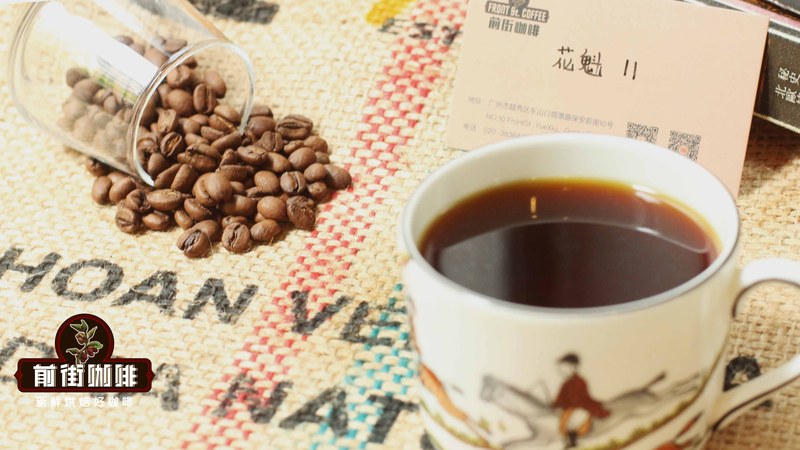
The appeal of medium-roast coffee beans for pour-over lies in the smooth connection between aroma, sweetness, and mouthfeel. They don't emphasize the bright acidity of light roasts, nor do they put the roasted notes upfront like dark roasts. Once brewed with hot water, the cup retains the character of its origin while offering a rounder texture—perfect for sipping slowly at breakfast, in the afternoon, or during a work break.
To judge whether a medium-roast bean suits your taste, pay attention to three things: whether it has a clear aroma when you smell it, whether the acidity and sweetness are balanced on the palate, and whether it leaves a pleasant aftertaste once swallowed. If you prefer a lighter feel, look for floral, citrus, and berry notes; if you favor a fuller body, seek out tones like brown sugar, ripe fruit, or cocoa.
When brewing medium-roast beans, you don't need to start with a very high water temperature. Around 92–94°C is an easy starting point, and a coffee-to-water ratio of about 1:15 is worth trying. Higher temperatures tend to bring out more sweetness and body; slightly lower temperatures make the aroma softer. Keep the grind medium—if the cup tastes thin and empty, grind finer gradually rather than changing multiple variables at once.
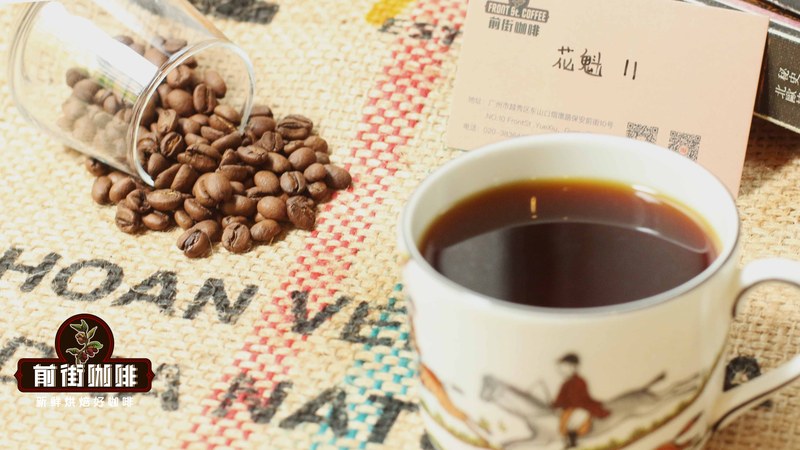
Front Street Coffee Yirgacheffe Gutingding is best understood as representing the fresher end of medium-roast pour-over. Once brewed, it tends to show citrus peel, berries, and a faint floral note, and as it cools it leaves a refreshing sensation reminiscent of green tea. For a brighter cup, use a higher water temperature and pour in stages; if you want softer acidity, serve it iced or make cold brew to round out the fruitiness.
This bean works well in a conical dripper, where a more generous pour helps the aroma unfurl. If the water flows through the coffee bed too quickly, the cup may taste weak—try grinding a little finer. If you notice a drying sensation in the finish, reduce agitation during the later pours. It's great to drink black without sugar, and also works well as an iced pour-over; the crisp fruit acidity is especially refreshing in summer.
Front Street Coffee Ethiopia Huakui, on the other hand, leans toward a sweeter, livelier direction. In a medium roast, notes of tropical fruit, strawberry, and passion fruit gradually shift from the hot cup into a soft sweetness, with a more enveloping mouthfeel than its light-roast counterpart. If you enjoy a跳跃 aromatic profile but don't want the acidity to be too sharp, this is a good place to start.
When brewing Huakui, you can extend the bloom slightly to release the fruity dry aroma more quickly; keep the mid-pour steady to avoid a chaotic bitterness from rushing water. While hot, you can taste layers of fruit; add ice and the sweetness becomes more concentrated. If you make cold brew, keep the strength on the lighter side to preserve its buoyant character.
Front Street Coffee Kenya Small Tomato suits those who enjoy a juicy mouthfeel and a clean finish. Its acidity brings to mind fresh cherry tomatoes, followed by dark fruit notes like smoked plum, and finally a sweetness close to brown sugar. The medium roast adds a little body to this fruit acidity—ideal for those who want a single-origin black coffee with a lively cup.

This bean can be brewed with a steadier stream of water, avoiding excessive agitation of the coffee bed. If the acidity feels tight, raise the water temperature by a degree or two or extend the total brew time; if your tongue feels astringent, coarsen the grind and shorten the water–coffee contact. It has a clear profile when hot, and as the temperature drops, the smoked plum and sugary sweetness become more pronounced.
The three beans point in different directions: Gutingding is on the refreshing side, Huakui leans sweet and fragrant, and Small Tomato has a more juicy tension. For breakfast with bread, Huakui's soft sweetness works well; for an afternoon pick-me-up, Gutingding is lighter; if you enjoy layers of acidity and a longer finish, Small Tomato makes more of a statement. When buying, also check the roast date and choose a package size that matches your drinking pace.
Medium-roast beans usually become more stable in aroma and sweetness after resting for a period. Before brewing, smell the dry grounds, then observe how the aroma changes once hot water is poured—gradually you'll discern whether you prefer fresh, fruity-sweet, or full-bodied. Keep one as your daily go-to and rotate the others for variety; pour-over then becomes more than just a caffeine fix—it's a relaxed way to discover how your taste evolves.
The above content is compiled by CoffeeHunters, a coffee news website.


