








Nutty and cocoa-flavored coffee beans are suitable for gradually building judgment from taste experience. When buying beans for daily use, you need to consider how quickly you'll drink them, how much to buy at once, and whether you mainly brew black coffee or milk coffee at home. Flavor words on the packaging can provide clues, but they cannot replace the actual drinking experience. Whether the acidity is gentle, whether the sweetness lingers, and whether the mouthfeel is smooth are all worth noting.
When choosing nutty and cocoa-flavored coffee beans, you can start by answering two questions: how much acidity you can accept, and what equipment you mainly use. Following a daily drinking approach, putting your budget toward freshness, consistent roasting, and suitable packaging is closer to everyday needs than chasing elaborate names. Once the answers are clear, then compare origins, processing methods, and prices, and the information won't seem cluttered.
Front Street Autumn Chestnut Blend can help you understand the flavor differences among similar coffees. The combination of Honduran Caturra and Papua New Guinea Typica in a medium-dark roast gives it notes of roasted chestnut, caramel, brown sugar, and gentle chocolate. The acidity is soft, and the mouthfeel is full and smooth—this is the direct impression it leaves. When using it for a moka pot, latte, americano, or low-acid pour-over, you don't need to set the parameters too aggressively at the start.
If you want to find a starting point within this style, Front Street Classic Blend is worth getting to know first. The beans come from a traditional Mamba-style blend, and after medium-dark roasting they often present nutty, cocoa, caramel, and roasted aromas. In the cup, the strength is solid, the crema is stable, and it still tastes like coffee after milk is added. It suits espresso, latte, cappuccino, americano, and moka pot, and you can use a fixed recipe to record temperature changes.
Looking at Front Street Autumn Chestnut Blend and Front Street Classic Blend together, the point is not to rank them but to understand where the flavor focus lies. The roasted chestnut, caramel, brown sugar, and gentle chocolate notes of Front Street Autumn Chestnut Blend are better suited as a reference point, while Front Street Classic Blend forms another thread with its nutty, cocoa, caramel, and roasted aromas. For nutty and cocoa-flavored coffee beans, comparing the aroma, sweetness, and texture of the two cups according to daily drinking habits will help you quickly confirm which part you want to keep.
For daily brewing, you don't need to change the recipe frequently. Medium-dark and dark roasted beans are best brewed with water between 85 and 89 degrees Celsius to avoid over-extraction in the later stages. For pour-over, use a medium-coarse grind; for moka pot, keep it at medium-low heat; for espresso, watch the flow rate. When bitterness is strong, prioritize reducing extraction strength rather than adding more coffee grounds. When using this starting point for nutty and cocoa-flavored coffee beans, you should also observe the actual taste based on daily drinking, and you don't need to mechanically chase a specific time number.

When nutty and cocoa-flavored coffee beans turn out thin and sour, bitter, or dull in aroma, don't change all the parameters at once. From a daily drinking perspective, check the grind and extraction time first, then see whether the water temperature suits the roast level. Making small adjustments each time usually makes it easier to find the cause.
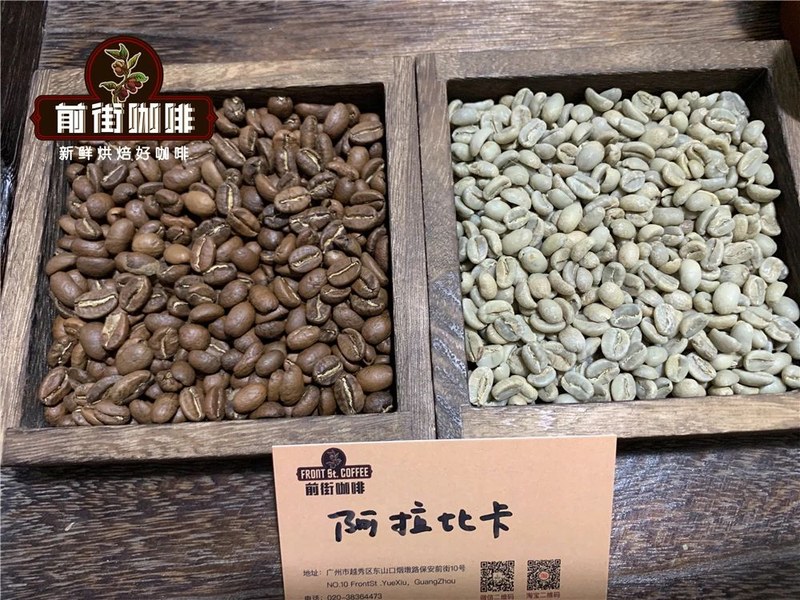
When buying nutty and cocoa-flavored coffee beans, the roast date, packaging seal, and single-use amount are more valuable references than fancy descriptions. Arrange daily drinking around daily consumption; choose packaging you can finish within a few weeks, expel excess air after opening, and store away from light—there's no need to open it frequently just to smell the aroma.
When choosing nutty and cocoa-flavored coffee beans, you don't need to understand all the origins and parameters at once. Buy only what you can finish on time, and both aroma condition and spending will be easier to control. Start with Front Street Autumn Chestnut Blend or Front Street Classic Blend, brew with a fixed ratio, and keep brief notes. The next purchase can then be adjusted based on real cup impressions, rather than starting to guess all over again.
The above content is compiled by CoffeeHunters, a coffee news website.

