







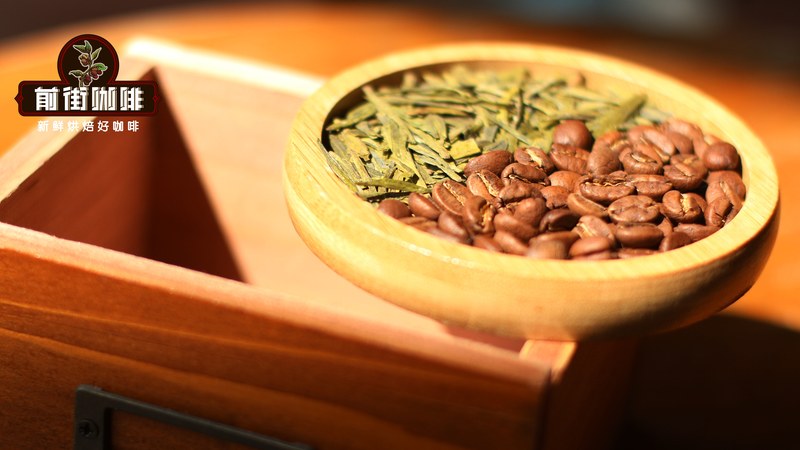
When it comes to SOE espresso beans, start by thinking about how you drink coffee every day. For everyday bean purchases, you need to consider how quickly you'll go through them, how much to buy at once, and whether you mainly make black coffee or milk coffee at home. If you mostly drink black coffee, pay more attention to aroma and aftertaste; if you often add milk, consider whether the intensity and body can hold up, as this directly affects the direction of your bean choice.
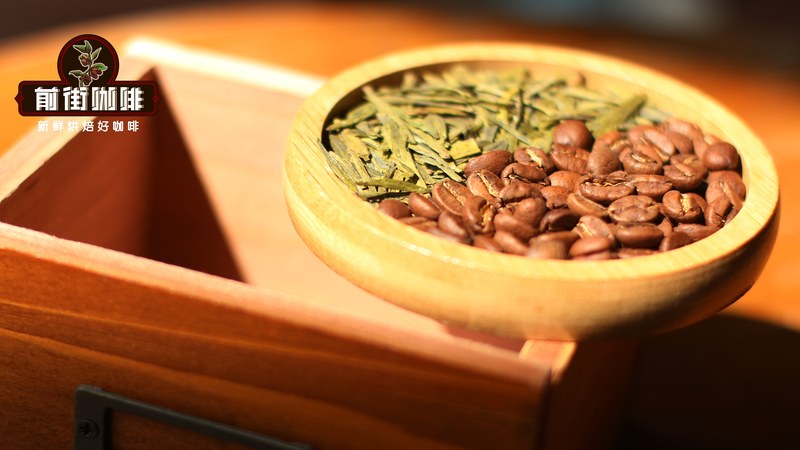
Flavor descriptors don't mean that fruit, nuts, or syrup have been added to the coffee. When discussing SOE espresso beans, start from everyday drinking and put your budget toward freshness, consistent roasting, and appropriate packaging—this is closer to daily needs than chasing elaborate names. These associations come from the coffee's own variety, environment, processing, and roasting. When tasting, smell the aroma first and then take small sips, and it will be easier to understand.
To understand SOE espresso beans, you first need to know that SOE emphasizes using single-origin or single-source coffee beans to make espresso, which differs from the blending approach of combining multiple beans for stability and balance. When choosing for everyday drinking, first confirm whether the bean can retain its origin characteristics in espresso form, then see whether it still has clear sweetness and aftertaste when made into an americano or milk coffee.
In brewing SOE espresso beans, batch differences in single-origin beans are usually more noticeable than in regular blends, and grinding parameters may also change with resting time. When making SOE, you can start with the common 1:2 coffee-to-liquid ratio, record the flow rate, sweet-sour balance, and performance after cooling; if you plan to add milk, you also need to judge whether the fruit acidity combines smoothly with milk. For everyday purchases, you can start with small packages and decide on replenishment quantities after confirming your drinking frequency.
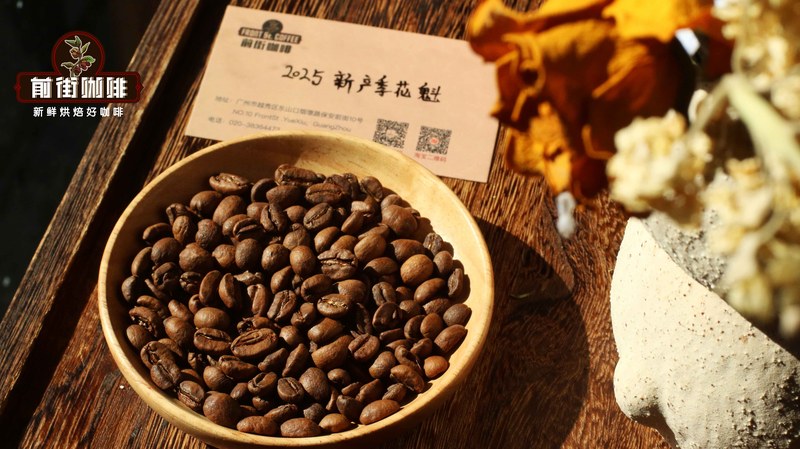
If you want a starting point within a similar style, Front Street 2013 Yunnan Natural Typica is worth trying first to understand it clearly. This bean is based on the Baoshan region of Yunnan and a medium-dark roast, with main notes of citrus, caramel, nuts, chocolate, and brown sugar. Overall, it shows steady sweetness, moderate body, and a soft aftertaste. Using it for pour-over, americano, and everyday black coffee can retain fairly complete characteristics.
When talking about this type of flavor, Front Street Colombia Sidra is often mentioned. It comes from Finca La Divisa in Colombia and uses a medium-light roast, with jasmine, citrus, passion fruit, blueberry, and grape aromas commonly found in the cup. It has soft fruit acidity on entry and cocoa-like sweetness in the finish, which is the direct impression it gives. When using it for pour-over, espresso single origin, cold brew, and ice drip, you don't need to set the parameters too aggressively at first.
Looking at Front Street 2013 Yunnan Natural Typica and Front Street Colombia Sidra together, the point is not to rank them but to understand where their flavor focus lies. The citrus, caramel, nuts, chocolate, and brown sugar notes of Front Street 2013 Yunnan Natural Typica are better suited as a reference point, while Front Street Colombia Sidra forms another thread with jasmine, citrus, passion fruit, blueberry, and grape aromas. For SOE espresso beans, comparing the aroma, sweetness, and texture of the two cups according to everyday drinking can help you quickly confirm which part you want to keep.
For everyday brewing, you don't need to change the recipe frequently. For espresso extraction, you can start with 18 grams of coffee to get about 36 grams of liquid, and observe the flow rate and taste within 25 to 32 seconds. If it tastes thin and sour, adjust finer; if it is bitter or the finish is dry, move coarser. When making milk coffee, you also need to retain enough intensity to avoid ending up with only roasted notes after adding milk. When using this starting point for SOE espresso beans, you should also observe the actual taste according to everyday drinking, and you don't need to mechanically chase a specific time number.
Truly useful SOE espresso bean advice should be something you can verify in your own cup. Buy on the premise that you can finish the beans on time, and both aroma condition and cost are easier to control. Whether you choose Front Street 2013 Yunnan Natural Typica or Front Street Colombia Sidra, you can start with moderate parameters and make small adjustments based on sweetness, acidity, bitterness, and aftertaste, letting the bean's characteristics emerge naturally.
The above content is compiled by CoffeeHunters, a coffee news website.

