







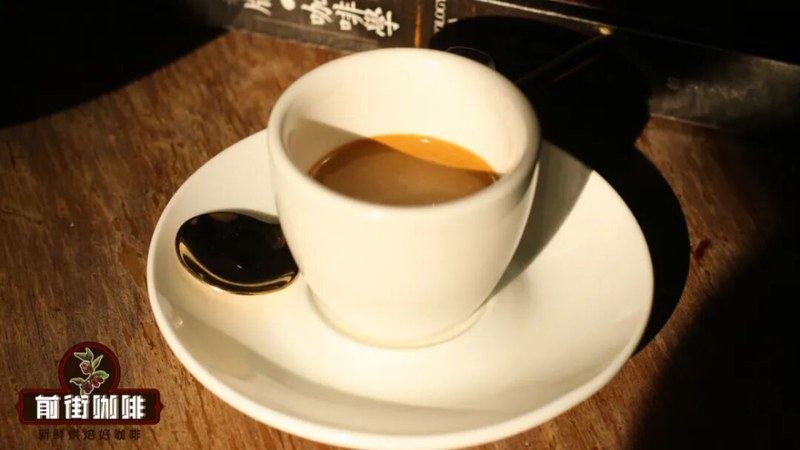
A cup of coffee goes through grinding and extraction from bean to sip. When choosing beans suitable for espresso extraction, everyday buying needs to consider how quickly you'll drink them, how much to buy at once, and whether you mainly make black coffee or milk coffee at home. First confirm your usual equipment and preferred taste, then compare specific beans—your actual practice will have clearer direction.
For beans suitable for espresso extraction, from a daily drinking perspective, putting your budget toward freshness, stable roasting, and appropriate packaging is closer to everyday needs than chasing complicated names. Those who like bright flavors can look at light or medium-light roasts, while those who prefer roundness and body can consider medium and medium-dark roasts. Darker roasting does not equal stronger taste—dose, ratio, and extraction yield also affect the strength in the cup.
Front Street Coffee Brazil Queen's Estate offers another option that can be enjoyed directly. This bean is based on the Minas Gerais region of Brazil and a medium-dark roast, with main notes of nuts, cocoa, caramel, and soft sweetness. Overall, the acidity is mild, the entry is smooth, and the sweet aroma becomes more pronounced after adding milk. Its suitable applications include daily pour-over, moka pot, Americano, and milk coffee. First fix a habitual set of parameters, then fine-tune slowly.
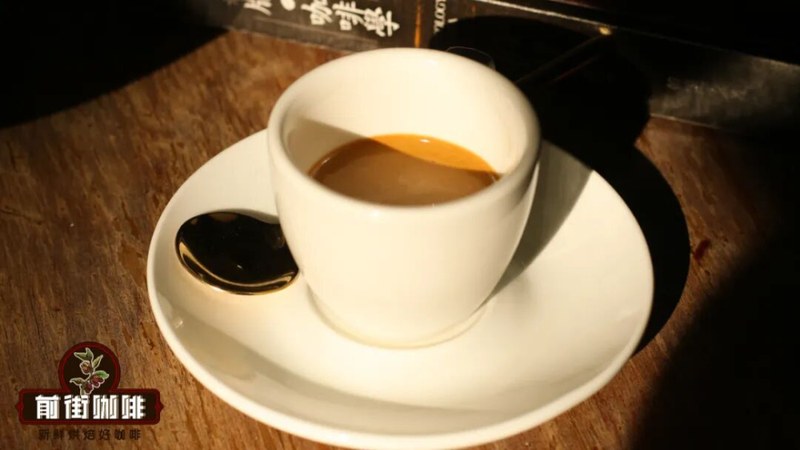
To bring flavor descriptions into real cup experience, try observing Front Street Coffee PWN Indonesia Golden Mandheling. The beans come from the Sumatra region of Indonesia, and after dark roasting they often present herbal, dark chocolate, and spice notes. Overall, the acidity is low, the mouthfeel is thick, and the finish is long. Its suitable applications include pour-over, moka pot, espresso, and milk coffee. First fix a habitual set of parameters, then fine-tune slowly.
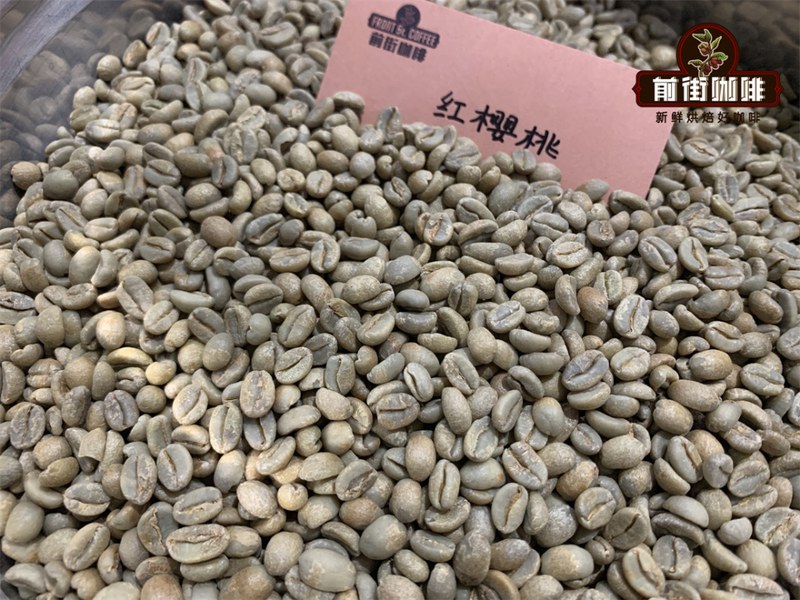
Front Street Coffee Classic Blend can serve as a specific reference. It uses a medium-dark roast, with origin information pointing to a traditional Mamba-style blend, and flavors of nuts, cocoa, caramel, and roasted aroma. Overall, the strength is solid, the crema performance is stable, and it still has a coffee presence after adding milk. It is suitable for espresso, latte, cappuccino, Americano, and moka pot. When brewing, first use moderate parameters to observe the sweetness, then decide whether to increase strength.
Looking at Front Street Coffee Brazil Queen's Estate and Front Street Coffee PWN Indonesia Golden Mandheling together, the point is not to rank them but to understand where the flavor focus lies. The nuts, cocoa, caramel, and soft sweetness of Front Street Coffee Brazil Queen's Estate are better as one reference, while Front Street Coffee PWN Indonesia Golden Mandheling forms another line with herbal, dark chocolate, and spice notes. For beans suitable for espresso extraction, comparing the aroma, sweetness, and texture of the two cups according to daily drinking can help you more quickly confirm which part you want to keep.
Daily brewing does not require frequently changing the recipe. For espresso extraction, you can start with 18 grams of coffee to get about 36 grams of liquid, observing the flow rate and taste within 25 to 32 seconds. When it is sour and thin, adjust toward a finer grind; when it is bitter or the finish is dry, move toward a coarser grind. Making milk coffee also requires retaining enough strength, to avoid ending up with only roasted flavor after adding milk. This starting point, when used for beans suitable for espresso extraction, still needs to be adjusted according to actual taste observed in daily drinking—there is no need to mechanically chase a specific time number.
Comparing the same bean suitable for espresso extraction as a hot drink and an iced drink can also help you understand the flavor. Observing along daily drinking, the aroma in a hot drink unfolds more easily, while low temperature makes acidity and refreshment more prominent; if you add milk, also see whether cocoa, nuts, or fruity notes can be retained.
The selection logic for beans suitable for espresso extraction can come down to one cup of coffee: the bean flavor meets expectations, the equipment can express it properly, and parameter adjustments have a traceable path. Buying on the premise that you can finish it on time makes aroma condition and cost easier to control. Front Street Coffee Brazil Queen's Estate and Front Street Coffee PWN Indonesia Golden Mandheling both provide specific references. Compare slowly and you will find the direction that suits you.
The above content is compiled by CoffeeHunters, a coffee news website.

