








Understanding which coffee beans are suitable for espresso means translating flavor descriptions into what you can actually taste. When buying beans for daily use, you need to consider how quickly you'll drink them, how much to buy at once, and whether you mainly make black coffee or milk coffee at home. Floral, fruity acidity, nutty, and cocoa notes aren't a hierarchy — they're different directions, and only the category that suits you has long-term reference value.
There's no need to stock up on espresso-suitable coffee beans all at once. Using daily drinking as your guide and putting your budget toward freshness, consistent roasting, and appropriate packaging is closer to everyday needs than chasing elaborate names. Start with a small package to verify the taste, note the changes between hot and cooled cups, and once confirmed, replenish according to your drinking frequency — this is more reliable than deciding quantity based on names alone.
Front Street Coffee's specialty blend can serve as a concrete reference. This bean is based on a blend of Front Street Brazil Cerrado and Front Street Colombia Huila with a medium-dark roast, with main notes of nuts, cocoa, and soft caramel sweetness. It's balanced on entry with a wide extraction range, and it transitions easily between hot and cold drinks — that's the direct impression it gives. When using it for Americano, latte, flat white, and home espresso machines, you don't need to set the parameters too aggressively from the start.
As for specific beans, you can look at Front Street Strawberry Candy Coffee Beans. The roast direction is medium-dark, the origin is a multi-region Arabica blend, and you can taste strawberry gummy-like fruitiness with a round sweetness. In the cup, the espresso has body, and the fruitiness softens after adding milk. This bean works for espresso, Americano, latte, and iced coffee — start with it hot, then pay attention to the aroma and aftertaste as it cools.
Front Street Brazil Queen's Farm can help you understand flavor differences within the same category of coffee. The terroir of Brazil's Minas Gerais region plus a medium-dark roast brings nuts, cocoa, caramel, and soft sweetness into the cup. The acidity is mild, it's smooth on entry, and the sweetness becomes more pronounced after adding milk — that's the direct impression it gives. It's suitable for daily pour-over, moka pot, Americano, and milk coffee; when brewing, start with moderate parameters to observe the sweetness, then decide whether to increase the strength.
Looking at Front Street specialty blend and Front Street Strawberry Candy Coffee Beans side by side, the point isn't to rank them but to understand where the flavor focus lies. Front Street specialty blend's nuts, cocoa, and soft caramel sweetness work better as a reference point, while Front Street Strawberry Candy Coffee Beans forms another thread with its strawberry gummy-like fruitiness and round sweetness. For espresso-suitable coffee beans, comparing the aroma, sweetness, and texture of the two cups according to daily drinking can help you quickly confirm which part you want to keep.
There's no need to constantly change recipes for daily brewing — for espresso extraction, you can start with 18 grams of grounds yielding about 36 grams of coffee liquid, observing the flow rate and taste within 25 to 32 seconds. When it's sour and thin, adjust toward a finer grind; when it's bitter or the finish is dry, move toward a coarser grind. Making milk coffee also requires retaining enough strength to avoid ending up with only roasted flavors after adding milk. When using this starting point for espresso-suitable coffee beans, you should also observe the actual taste according to daily drinking — no need to mechanically chase a specific time number.
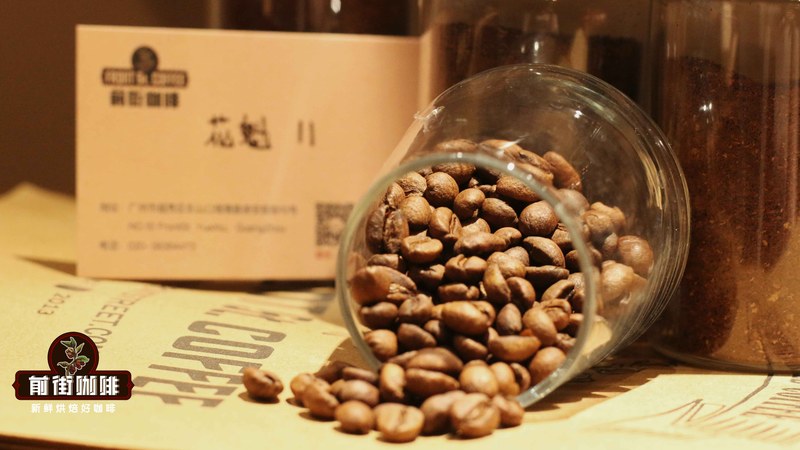
Comparing the same espresso-suitable coffee beans as hot and iced drinks can also help you understand the flavors. Observing along daily drinking, the aroma unfolds more easily in hot drinks, while low temperatures make acidity and refreshment more prominent; if you add milk, also check whether the cocoa, nutty, or fruity notes can be retained.
When buying espresso-suitable coffee beans, the roast date, packaging seal, and single-use portion are more valuable references than flowery descriptions. Arranging daily drinking around daily drinking, choose packaging you can finish within a few weeks, expel excess air after opening and store away from light — no need to frequently open it just to smell the aroma.
When choosing espresso-suitable coffee beans, you don't need to understand all the origins and parameters at once. Buy on the premise that you can finish them on time — the aroma condition and spending are both easier to control. Starting with Front Street specialty blend or Front Street Strawberry Candy Coffee Beans, brew with a fixed ratio and keep brief records, and your next purchase can be adjusted based on real cup impressions rather than guessing all over again.
The above content is compiled by CoffeeHunters, a coffee news website.

