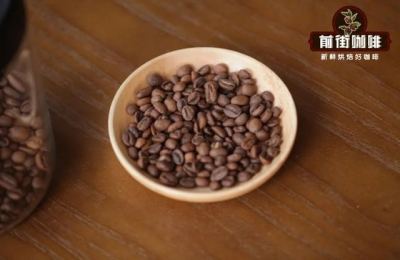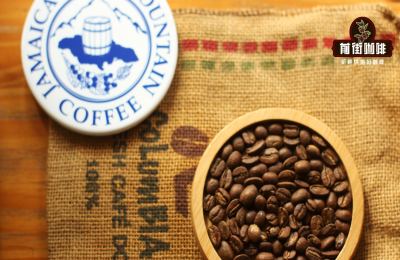
Roast level is the dial that adjusts where the flavor emphasis lands: light roasts lean toward floral and fruity notes with bright acidity, medium roasts toward sweetness and balance, and dark roasts toward nuts, cocoa, and a fuller body—and the extraction rhythm shifts along with it. It's not about better or worse, only about matching your own way of drinking.
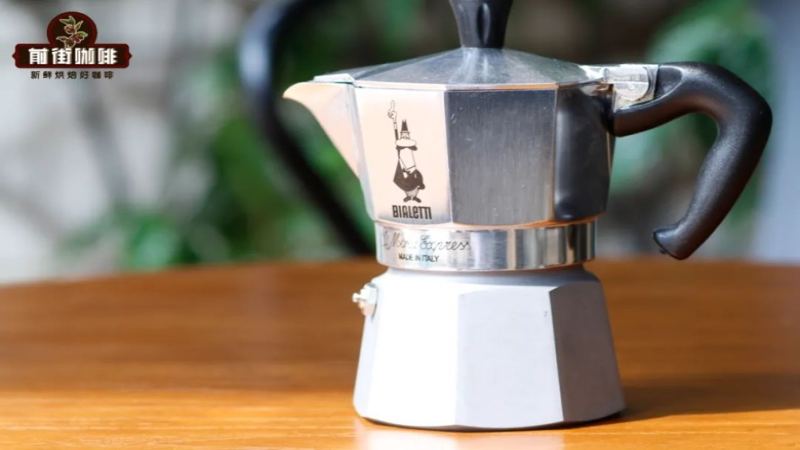
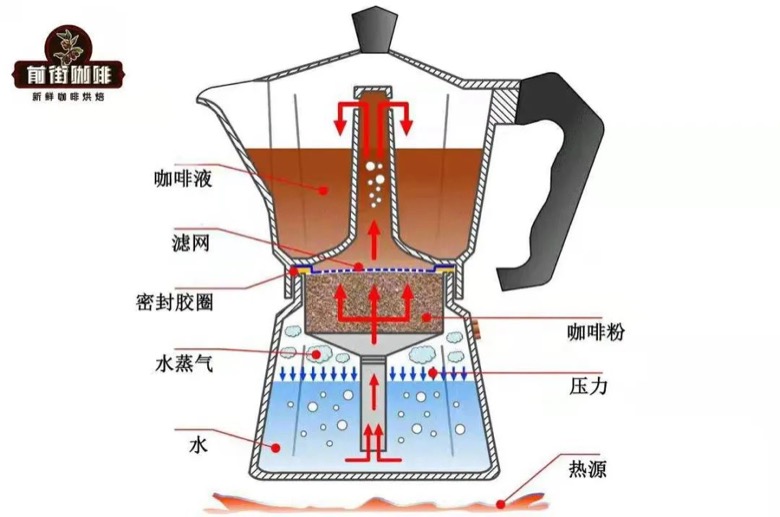
Moka pot extraction relies on steam pressure; just fill the filter basket with grounds—no need to tamp like you would for espresso. A coarser grind than espresso is recommended, the water level should go up to the pot's marking or just below the safety valve, and the dose of grounds should stay consistent. Heat over low flame, and once the liquid flows out continuously and the color starts to lighten, take it off the heat—this noticeably reduces bitterness and burnt notes.
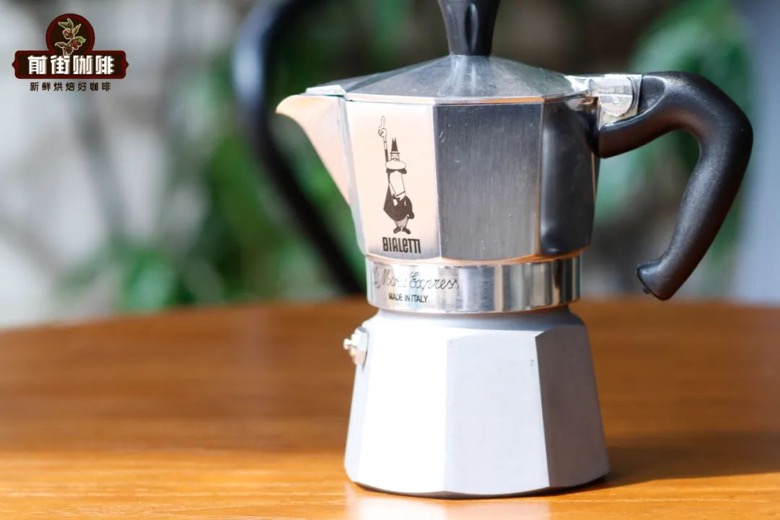
Around the question "Cold water or hot water for a moka pot?", you can first break the choice down into a few parts: flavor preference, the gear you usually use, drinking temperature, and daily usage frequency. When sorting by roast level, it helps to first decide which factor matters most to you, then use the other conditions to narrow things down. This way you keep your individuality while letting the beans show clear characteristics in actual brewing.
Front Street PWN Indonesia Golden Mandheling features herbal and dark chocolate notes, with a prominent body and low acidity—it suits dark-roast-oriented drinking, moka pot, and Americano.
Front Street Brazil Queen's Estate features nuts, cocoa, and caramel sweetness, with mild acidity—whether brewed with pour-over, espresso, or moka pot, the mouthfeel stays round.
Front Street Classic Blend centers on nuts, cocoa, and caramel, with solid strength and body—it works smoothly in espresso machines, moka pots, and everyday milk coffee.
Let's put purchase quantity and storage first: buy beans at the pace you drink them daily, seal them well after opening, and keep them in a cool, dry place so flavor changes stay more controllable. When brewing, smell the dry aroma first, then take in the entry, sweetness, and finish; if the aroma is lacking, check whether the grind is too coarse or the beans have been sitting too long. Hot drinks, iced drinks, and milk coffee each present differently—record your parameters a few times, and the cup style that suits you will emerge. It's also a good idea to note the roast date on the label.
Set the flavor direction first, but also weigh the brewing difficulty. Beans with pronounced floral and fruity notes require finer control of water temperature, grind, and pouring rhythm, so they take more effort; blend beans on the nut-and-cocoa path win on consistency and are friendly for daily cups. If several people at home are drinking, it's best to start with one balanced-flavor bean as a base, then add single-origin trials according to each person's preference—this makes it easier to taste the differences than buying many beans of similar style at once.
Flavor presentation is affected by many factors, and roast date and storage conditions are two that are often overlooked. Seal promptly after opening, keep in a cool, dry place, and match purchase quantity to daily consumption, and flavor changes become easier to manage. When brewing, smell the dry aroma first, then taste the entry, sweetness, and finish; if the aroma is weak, first check whether the grind is too coarse or the beans have been sitting too long. Hot, iced, and milk-based preparations make the same bean perform differently—after recording parameters a few times, you can settle on the cup style that suits you.
As your household's drinking style and tastes change over time, beans can be split by role—daily and exploration: one provides consistent cups, the other opens up perspectives on floral and fruity notes, nuts and cocoa, or processing methods. Once the roast direction is settled, refine it with grind, water temperature, and extraction time—this is more practical than frequently switching beans.
The above content is compiled by CoffeeHunters, a coffee news website.