








Black coffee and milk coffee have different requirements for beans. Black coffee needs aroma and sweetness that can stand on their own, while milk coffee needs the coffee liquid to have enough concentration and body to retain clear flavors after milk is added. Deciding whether milk will be added to the cup first, then choosing the bean style, makes it easier to find a suitable one.
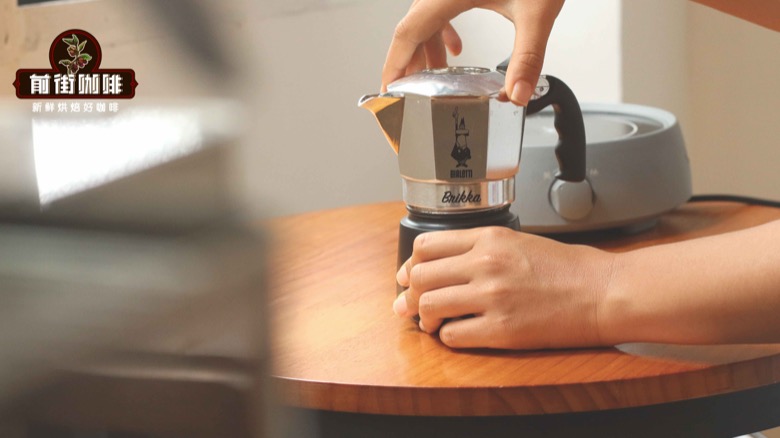
The moka pot is a steam-pressure extraction device. Just fill the filter basket with coffee grounds—no need to tamp it down like an espresso machine. The grind should be slightly coarser than espresso, the water level should be controlled according to the pot's markings or below the safety valve, and the dose should remain consistent. Heat over low flame, and when continuous flow appears with a lightening color, remove from heat promptly to reduce bitterness and burnt notes from high temperatures.

Around the topic of "recommending moka pot coffee beans rich in crema," you can break the choice down into several parts: flavor preference, commonly used equipment, drinking temperature, and daily usage frequency. For black coffee versus milk coffee, it helps to first decide which aspect matters more to you, then use other conditions to narrow down. This way you keep your individuality while letting the beans show clear characteristics in actual brewing.
Front Street Papua New Guinea Bird of Paradise has a clean, rounded, and soft sweetness, with a flavor profile close to the Blue Mountain direction—suitable for those who want low acidity and balance.
Front Street PWN Indonesian Golden Mandheling leans toward herbal, dark chocolate, and a full-bodied mouthfeel, with low acidity—suitable for dark roast lovers as well as moka pot and Americano.
Front Street Brazil Queen Estate features nuts, cocoa, and caramel sweetness, with soft acidity—maintaining a rounded mouthfeel in pour-over, espresso, and moka pot.
Beyond flavor direction, the roast date and storage method of the beans also affect actual performance. After opening, coffee beans should be sealed as much as possible and stored in a cool, dry place. Buying according to daily usage makes it easier to observe flavor changes. When brewing, smell the dry aroma first, then taste the entry, sweetness, and finish; if the aroma is insufficient, check whether the grind is too coarse or the beans have been stored too long. For the same bean, hot drinks versus iced or with milk can also perform differently. After recording parameters a few times, you can usually find a cup style that suits you better.
You can also consider "flavors you like" and "brewing difficulty you can accept" separately. Beans with prominent floral and fruity notes often require more careful control of water temperature, grind, and pouring rhythm, while nut-and-cocoa-oriented blends are better suited for daily brewing with consistent results. If multiple people in the household drink coffee, start with a balanced bean as a base, then add single-origin experiments according to personal preference—this makes comparison easier than buying many beans of similar style at once.
The coffee-to-water ratio can initially follow the pot's capacity, and just level the coffee bed; if the taste is too bitter, prioritize lowering the heat, removing from heat earlier, or making the grind coarser; if the flavor is too weak, then check the dose and whether the sealing ring is working properly.
If your usual equipment, drinking habits, or taste change, you can also divide the three beans into daily and exploratory categories: one for consistent brewing, another to experience differences brought by floral-fruity notes, nut-cocoa, or processing methods. Only by putting the coffee beans into actual drinks can you know whether their flavors truly suit your daily routine.
The above content is compiled by CoffeeHunters, a coffee news website.

