







Why does Mandheling coffee rely on wet-hulling processing?
Mandheling coffee is processed with wet hulling, known in Indonesian as Giling Basah, because Indonesia's tropical rainforest climate brings frequent rain, short sunshine hours and humidity of 70 to 90 percent year-round. Long sun-drying and washed processing are hard to complete there, so wet hulling was developed to dry the beans reliably and give Mandheling its thick, full body.
The method is also tied to the history of the coffee industry during the Dutch colonial period. In wet hulling, the first half resembles washed coffee processing, but the parchment is removed while the beans are still moist and drying finishes afterward. Golden Mandheling from PWN shows aromas of toasted bread, pine wood, caramel and cocoa, with a heavy body and lasting caramel sweetness.
Mandheling coffee is famous for its rich and full-bodied flavor, and behind its unique taste, the wet-hulling process plays a key role. Why is wet hulling so widely used in Indonesia? This is closely related to the local hot and rainy tropical rainforest climate, and has also been deeply influenced by the history of the coffee industry during the Dutch colonial period. This article will explain in detail the reasons for the birth of wet hulling, its specific process, its drawbacks, and the flavor performance of two Mandheling coffees from Front Street Coffee, and will also introduce the strict quality control and trademark background of PWN Golden Mandheling.
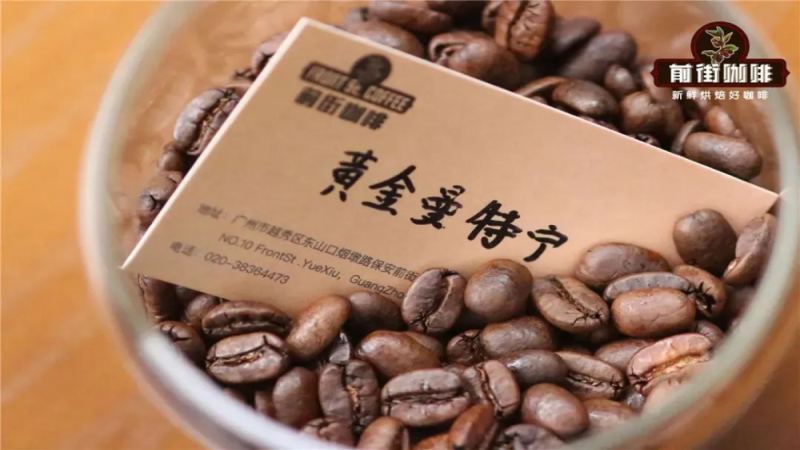
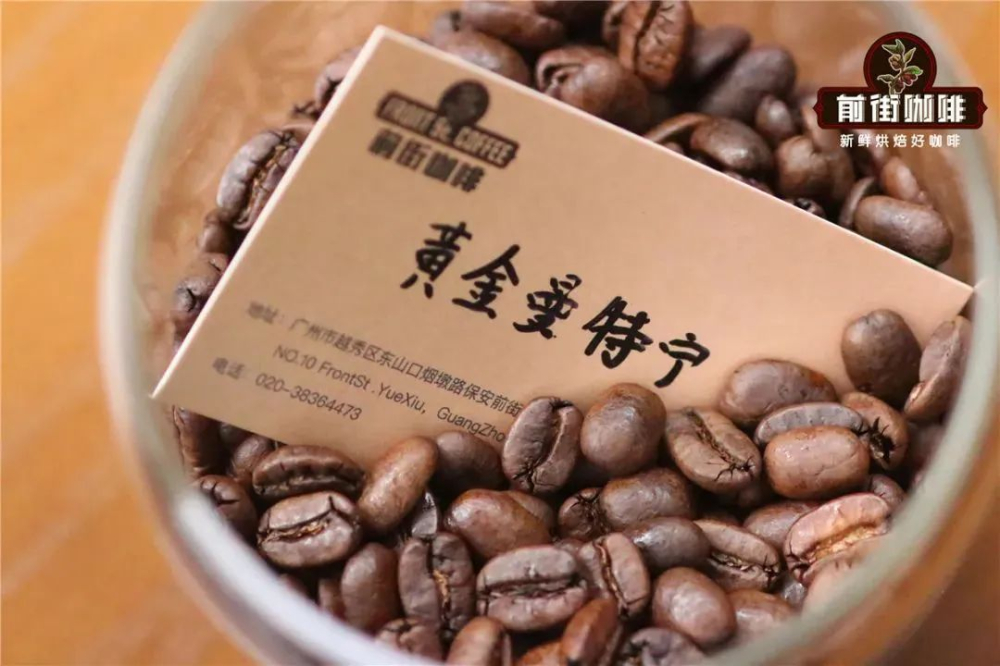
When it comes to coffee with a heavy mouthfeel, many coffee lovers think of Asian origins, among which Indonesian coffee is the most common. Mandheling coffee is especially widely known for its rich and full-bodied character. Currently at Front Street Coffee, two Mandheling products can be found, namely Lintong Mandheling and Golden Mandheling. After being processed with the wet-hulling method, Golden Mandheling coffee beans offer aromas of toasted bread, pine wood, caramel, and cocoa when tasted, with a thick and full body, rich and varied layers, intense yet balanced, and a lasting caramel sweetness in the finish.
Many customers who regularly buy Mandheling are curious: why is wet hulling so common among coffee processing methods? The answer mainly lies in adapting to local conditions. Indonesia is the largest archipelagic country in the world, located in the tropics and dominated by a tropical rainforest climate, with an annual average temperature maintained between 25 and 27 degrees Celsius. Most areas are hot and rainy, warm and humid, with relatively short sunshine hours and air humidity remaining high at 70% to 90% year-round. Because rain is frequent, Indonesia finds it difficult to rely on long periods of sun-drying to thoroughly dry coffee cherries as other countries do. At the same time, if the washed process were used, after the coffee cherries finish fermenting in water, it would likewise be difficult to obtain enough sunlight to dry them.
Thus, wet hulling, called Giling Basah in Indonesian, emerged, and some also call it "semi-washed processing." Its operation is similar to traditional washing in some ways, but there are differences. The first half of wet hulling is the same as washed processing; after fermentation ends, only a brief period of sun-drying takes place, and while the moisture content is still relatively high, the parchment layer is removed directly, followed by final drying and drying again. This practice greatly shortens the sun-drying time of the coffee beans, allowing them to dry more quickly.
In addition, Indonesia was then under Dutch colonial rule, and coffee cultivation and export were controlled by the Dutch. Wet hulling could effectively shorten the coffee processing cycle while reducing labor costs, offering considerable profit margins, so this process was widely promoted in Indonesia.
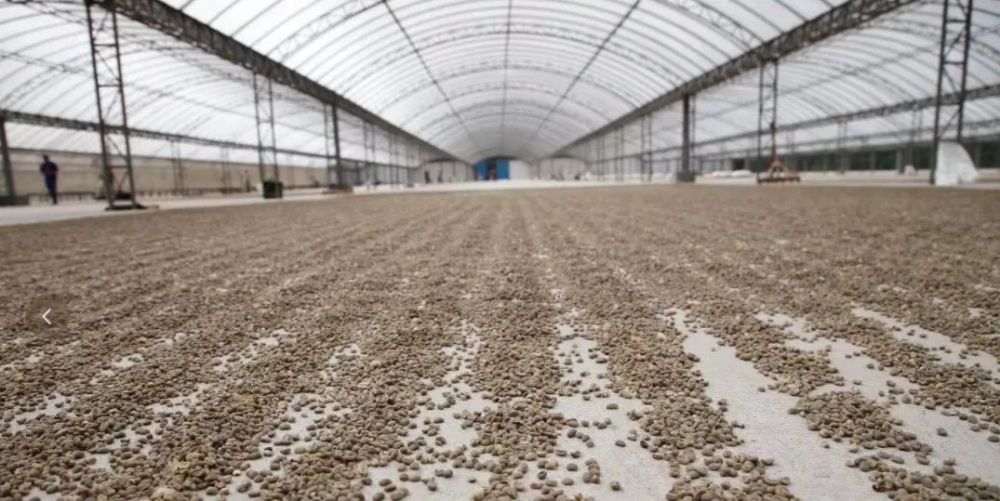
Today, after coffee cherries are picked, they are first sorted by flotation to remove lower-quality fruits, then the outer skin and pulp are removed by machine, and the raw coffee beans still attached to mucilage and parchment are placed in a water tank to ferment. The fermentation process breaks down the mucilage layer of the beans and ends after about 12 to 36 hours, at which point coffee beans with parchment are obtained. Then, these parchment-covered beans are placed in the sun to dry, with the specific duration depending on the weather, and drying can stop when the moisture content drops to 30% to 50%. After drying is completed, a huller is used to remove the parchment layer, and finally further drying reduces the moisture content to about 12%.
Although this processing method is very well suited to the local climate and also speeds up the processing flow, it likewise has flaws, the most typical being that it easily produces goat-foot beans. Because the huller acts rather violently when removing the parchment layer, the raw coffee beans are easily crushed or squeezed, especially at both ends of the bean, and some coffee beans develop cracks shaped like goat hooves, hence the name "goat-foot beans." However, among the Front Street PWN Golden Mandheling coffee beans currently available for purchase, "goat-foot beans" have become relatively rare, which should be attributed to improvements in the processing flow.
Today's Front Street PWN Golden Mandheling is produced by Pwani Coffee Company. Almost all of Indonesia's finest producing regions have been acquired by this company, so most of the coffee beans produced by PWN are specialty grade. At the same time, PWN has registered Golden Mandheling as a trademark, and only what PWN produces is truly "Golden Mandheling."
After purchasing raw coffee beans, PWN also arranges manual sorting three times to remove defective beans, small beans, and beans with poor appearance. What remains are coffee beans that are large, plump, and have fewer defects. This step improves the cleanliness of the coffee, so Golden Mandheling is also priced considerably higher than other Mandheling coffees.
To learn more information about coffee origins, please scan the QR code to follow: Coffee Review
Long-press the QR code to follow:
The above content is compiled by CoffeeHunters, a coffee news website.


