One of the most fascinating things about Arabica flavor is the imprint of its origin. Even for the same Arabica beans, whether they come from Ethiopia, Colombia, or Brazil, the expression in the cup often differs noticeably. Origin is like a coffee’s flavor business card—once you understand it, choosing beans becomes much easier.
Ethiopia is the birthplace of Arabica, and most coffees here carry floral and fruity notes. Natural-process beans from regions such as Guji and Yirgacheffe often show strawberry, passion fruit, and fermented fruit-wine aromas; washed beans lean toward the freshness of jasmine and citrus. Because there are so many native varieties, the flavors are hard to replicate, making it a paradise for lovers of fruity acidity and the starting point for exploring Arabica diversity.
Heading south, Kenya’s high-altitude regions are known for bright fruity acidity, with layered sweet-tart notes reminiscent of dried plum, blackcurrant, and tomato, plus a clean, crisp finish. Looking to Central America, Colombian coffee has balanced acidity and sweetness with a smooth mouthfeel, making it a reliable choice for many people’s daily brew and suitable for both pour-over and milk coffee.
Brazil is a region with very high global Arabica production, and nut, chocolate, and caramel notes are its signature. Its sweetness is solid, making it very suitable as an espresso base and for milk coffee. Panama’s high-altitude microclimates, meanwhile, give rise to Geisha with outstanding floral aromas, with estates in the Baru Volcano region and around Boquete especially famous, vividly showcasing the charm of origin.
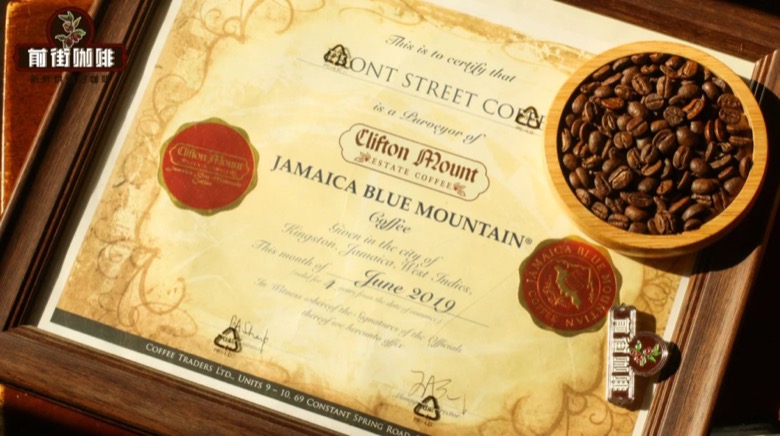
Jamaica Blue Mountain represents another style. Typica-family coffee grows slowly in high-altitude mist, yielding a mild, delicate flavor with low acidity and lasting sweetness—a classic of the mellow style. Regions such as Indonesia and Hawaii also each hold a place on the Arabica map, each with their own fans.
There is no ranking among origin flavors—only whether they suit your taste. If you like floral and fruity notes, try more Ethiopian and Panamanian coffees; if you prefer nutty sweetness, keep an eye on Brazil and Colombia; if you want something mild and easy-drinking, Blue Mountain is a good reference. Following origins as you drink, every cup lets you taste the flavor of a different land—and that exploration itself is part of the joy of drinking coffee.
The above content is compiled by CoffeeHunters, a coffee news website.