







Why does coffee aroma not match the taste in the cup?
Coffee's dry aroma appears right after grinding and the wet aroma comes out during brewing, and both reach the nose before the first sip. The taste that follows is often sour or bitter instead. The gap comes from olfactory expectation built on the classic coffee profile of the heavy-roast era, a blend of spice, roasted nut, hazelnut, caramel and woody notes summed up as bitter.
Aromas from the defect group trace back to flawed green beans or roasting mistakes, showing up as rubbery, leathery, earthy or rotten fruit notes. Beginners without specific coffee knowledge guess from memory, so honey or roasted sweet potato aroma leads them to expect sweetness, while the cup itself still reads sour or bitter to an untrained palate.
Many people are drawn in by the aroma of coffee, only to be caught off guard by the taste when they take a sip. Why does it smell so enticing, yet often taste sour or bitter when drunk? This article starts from observations at Front Street Coffee shops to discuss the origins of coffee's dry and wet aromas, how heavy roasting shaped the public's stereotypical impression of coffee, and the gap between olfactory expectations and actual taste experience. Whether you're new to single-origin coffee or have been drinking it for a while, you'll find something to relate to.
You may not be much of a coffee drinker, but it's hard to resist that aroma it gives off. At Front Street, we often encounter customers in our shops who have never tried single-origin coffee and, out of curiosity, want to give a cup a try. Based on Front Street's observations and customer feedback, rather than actually tasting the coffee, they often enjoy more the dry aroma that wafts out right after grinding and the wet aroma released by the coffee liquid once brewing is complete.
In most people's minds, coffee flavor should be the classic taste of the heavy-roast era—a complex aroma blending spices, roasted nuts, hazelnut, caramel, and woody notes. And when it comes to the classic coffee taste, there's probably only one word to sum it up: "bitter." It is precisely because heavy-roasted coffee dominated the mainstream for so long that the public formed this perception: coffee is a black liquid that smells great and tastes bitter.
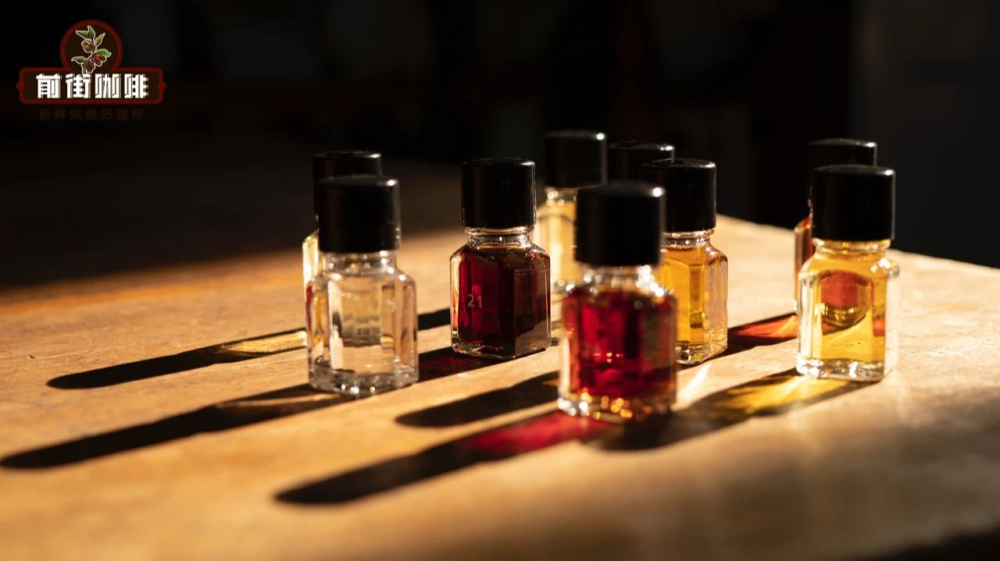
The aromas presented by the defect group usually stem from quality flaws in the coffee beans themselves or from improper handling during roasting. Common ones include rubbery, leathery, earthy, and rotten fruit notes.
In particular, quite a few friends decide to try their first cup in life precisely because they were moved by coffee's aroma. Lacking specific knowledge, they can only guess based on the flavors in their memory. For example, if they smell obvious honey or roasted sweet potato notes in a cup of coffee, they naturally assume it should taste just as sweet. Yet coffee is ultimately coffee—even varieties with more pronounced sweetness will still seem sour or bitter to a first-timer, not sweet.
The above content is compiled by CoffeeHunters, a coffee news website.


