







How Does Knowing How to Use an American Coffee Machine Help With an AeroPress?
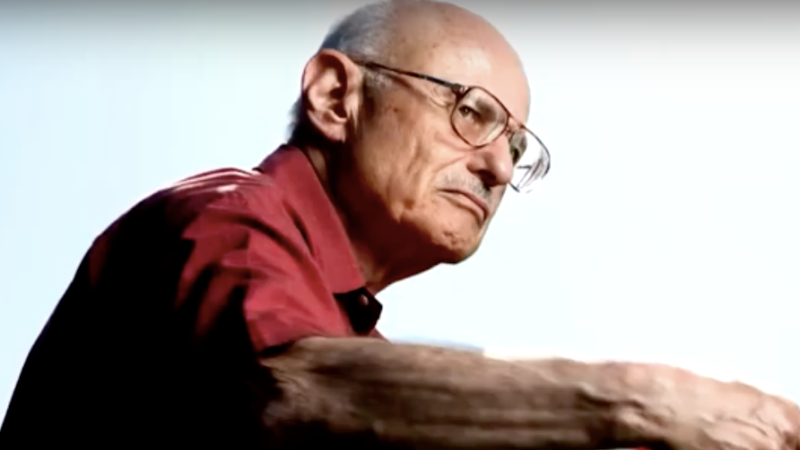
The AeroPress was refined over twelve years by Alan Adler, an electronics engineer and toy brand founder who turned to coffee gear after retirement. Its standard method is a short immersion followed by pressure, and the inverted method lets enthusiasts vary steep time and turbulence. The result is a concentrated, low-sediment cup that sits between espresso and filter coffee.
Anyone who already knows how to use an american coffee machine will find the AeroPress steps simpler but more manual: grind, add water, stir, steep, then press. Compared with pour-over, which relies on gravity and a paper filter, the AeroPress gives the brewer direct control over pressure and contact time. Front Street Coffee suggests it for beginners and advanced brewers alike, and the same habits transfer to how to use drip coffee machine routines.
You might use an Aeropress every day, but you may not know the legendary inventor behind it. Alan Adler, a跨界 player who went from electronics engineer to toy brand founder, spent twelve years after retirement refining this gadget that changed the coffee world, driven by dissatisfaction with the coffee gear on the market. This article will comprehensively cover the birth of the Aeropress, the detailed brewing steps of the official standard method, and the diverse techniques developed by enthusiasts such as the inverted method, while comparing the different orientations of the Aeropress and pour-over coffee in terms of output. If you are looking for a device that combines convenience and playability, Front Street Coffee often recommends the Aeropress as a choice for both beginners and advanced users.
What achievements a retiree had in the past and what new fields they can open up after retirement in completely different areas are often hard for others to predict. Alan Adler is exactly such a figure.
Alan Adler was born in Detroit in May 1938, and at age six, his family moved to Los Angeles. From age eight, he learned furniture maintenance from his mother, which included changing light bulbs, fixing faucets, and cleaning washing machines.
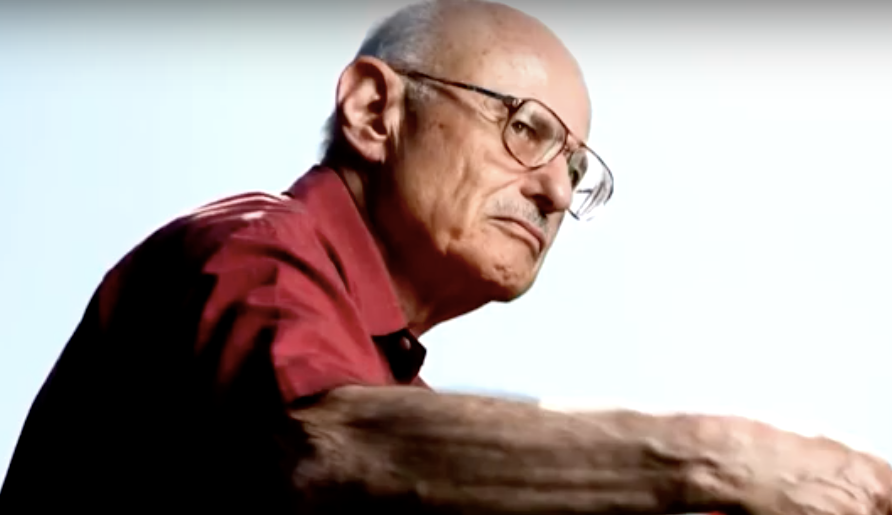
Childhood is inseparable from toys, and young Alan also showed strong hands-on talent. He would fix a nail with clear tape on the railroad tracks near his home, wait for the train to flatten it, then slightly polish the flattened nail, attach a homemade small handle, and a small sword was born. (This is dangerous behavior; children must not imitate.)
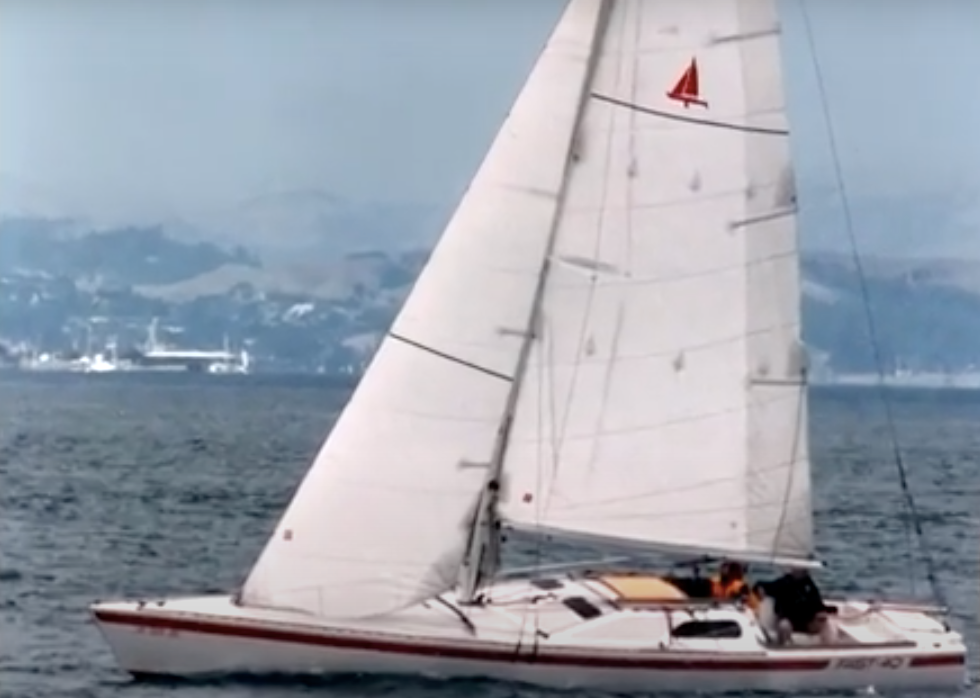
At thirteen, he became fascinated with sailing and conceived the idea of designing a sailboat. In the process of learning shipbuilding knowledge, he encountered aerodynamics. Of course, that sailboat was ultimately never built.
During middle school, Alan's active thinking was already evident. In a math geometry assignment, he used a solution outside the textbook, and the teacher once suspected his father had ghostwritten it. Later in an interview, Alan even joked about his father: "My father couldn't have solved that problem at all."
Despite his active thinking, as a nonconformist, he was only average in grades. Rather than going to university, he longed to work and practice as soon as possible, while achieving financial independence.
After graduating from high school, he quickly found a job as an electronics technician. This was a completely new field for him, but he quickly leveraged his self-learning ability, learning on the job while taking on engineering and circuit design tasks, often studying late into the night. With his electronics knowledge, he made a portable electric light and obtained his first patent. After that, he also participated in the design of submarine and nuclear reactor control systems, military aircraft instrument systems, and optical systems. At this point, he was both an electronics engineer and a lecturer at Stanford University.
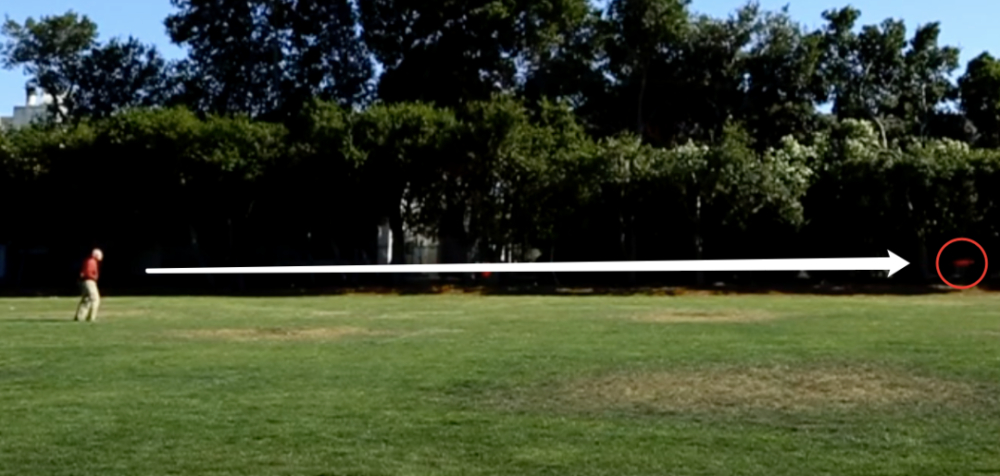
In the 1970s, Alan fell in love with Frisbee—an activity involving quickly throwing a disc. He noticed that Frisbees on the market were prone to air resistance and gradually descending, so he used his aerodynamics knowledge to develop a Frisbee that flew farther. In 1980, the predecessor of Aerobie, Skyro, set a Guinness World Record with a throw distance of 261 meters.
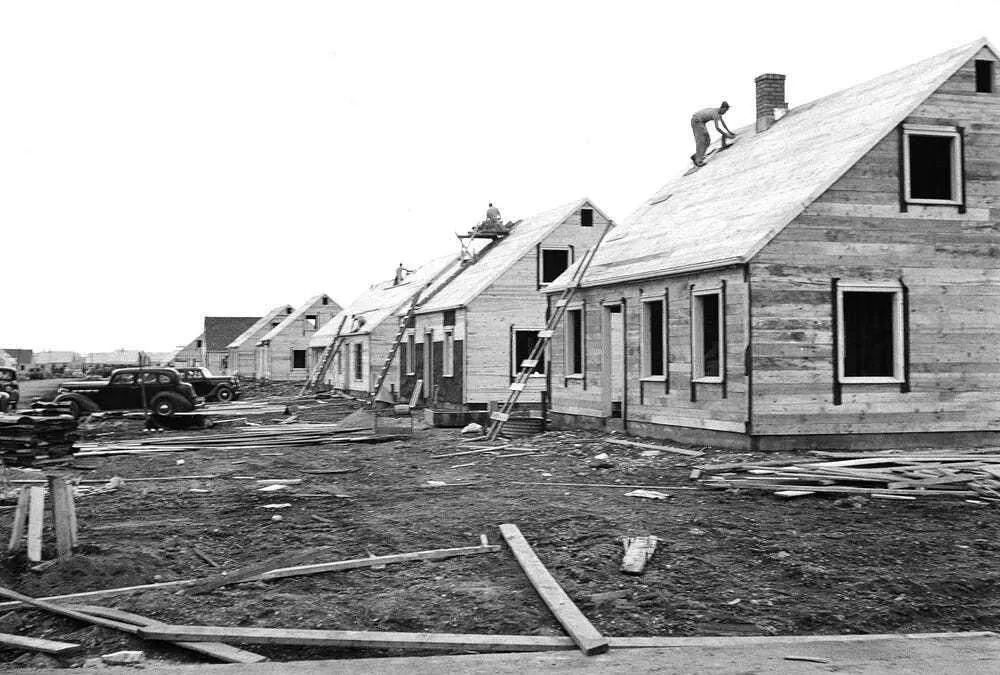
In 1984, he founded his own toy brand Aerobie and launched new inventions the Aerobie ring and Aerobie Pro. He abandoned the traditional solid disc, switched to a ring structure, and applied aerodynamic treatment to the edges, allowing the Frisbee to move on the same horizontal plane. Today, the maximum throw distance of the Pro Ring version has reached 406 meters.
At this point, this life is already legendary, but after retirement he did not idle. Since starting work, Alan had developed a coffee-drinking habit. He tried many coffee brewing devices at home but was never satisfied. For example, with the Nespresso capsule coffee machine, one capsule is only 5-7 grams, and he needed three at a time, making the cost unbearable. He also tried automatic drip machines, but brewing a cup took five minutes, which was too long, and the temperature could not be adjusted. The Chemex pot (American-style pour-over coffee) was too cumbersome to operate. So he conceived the idea of making an ideal coffee device himself.
From 1993 to 2005, after twelve years of research and development, this product was officially launched, and it is the Aeropress. Before the official version, there were forty experimental versions. The final product is shaped like a syringe, and its working principle is just like its name—Aero+Press, that is, using air pressure.
Group photo of experimental Aeropress versions
Old Alan also personally demonstrated how to use it. He used the officially recommended standard positive pressure method: first unscrew the filter cap, place a round paper filter, then reattach it, and then add coffee grounds. He habitually used one and a half scoops of coffee grounds (15-18 grams), with a grind size consistent with an espresso machine.
Next, pour in hot water: 80°C for dark roast coffee, 85°C for light roast. Alan believed that lower water temperature makes coffee sweeter. Fill to the water level mark 2-3, adjusting concentration according to personal preference.
Then take out the special stirring stick and stir for 10 seconds. Alan also specifically emphasized: You notice the water dripping away, right? Worried the coffee will become weak, right? Don't worry, the result won't be like that. In other words, a few drops of coffee dripping is normal and part of the plan.
Then attach the plunger and press in the most comfortable position you find, noting that no brute force is needed. In this way, a cup of coffee with a little oil is completed, and the entire extraction process takes about one minute. After that, you can add water, add milk, or drink it directly.
Cleaning is also very convenient: just remove the filter cap, then push the plunger to eject the coffee puck, and rinse with clean water.
The above is the officially specified standard usage. In the hands of enthusiasts, various brewing methods have been developed, such as the inverted method, which is opposite to the positive pressure method—placing the plunger on the back of the chamber and flipping it over, which can prevent water from dripping prematurely. The grind size can also be adjusted coarser to the level of pour-over or even French press, and parameters such as water temperature, water amount, steeping time, and stirring can all be adjusted freely.
Thus, Aeropress simply held the Aeropress Championship, with the first held in Oslo, Norway, in 2008. This further increased the Aeropress's exposure and also stimulated everyone's interest in "playing" with it.
Alan Adler, an electronics engineer, also a university lecturer, a sports toy brand founder, and moreover a player who promoted the development of the coffee industry.
The above content is compiled by CoffeeHunters, a coffee news website.


