







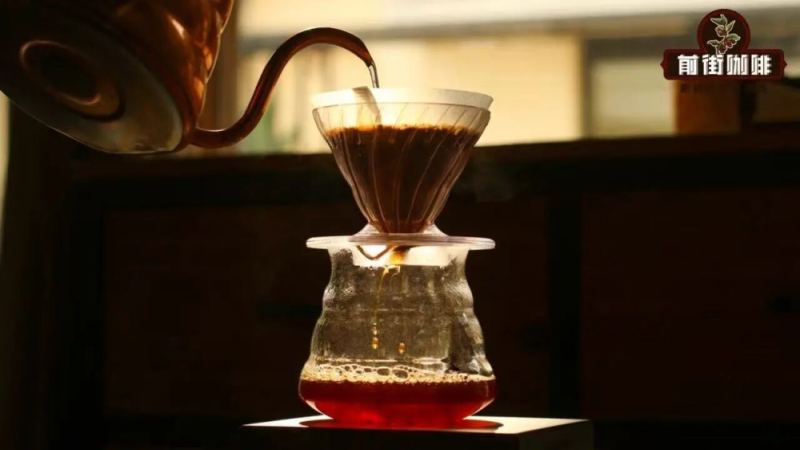
Is a French press vs pour-over comparison really about extraction?
A French press uses a metal filter and full immersion, steeping coarse grounds in hot water for about four minutes before the plunger separates grounds from liquid. That method pulls out oils and solids, so the cup tastes rich and full-bodied. Pour-over relies on a paper filter and gravity, giving a cleaner, lighter body with clearer flavor separation.
Because immersion extracts so fully, medium and darker roasts work better than light ones, which can taste sharp or muddy in the press. Beans with balanced, sweet profiles hold up well, such as Golden Mandheling or a Brazil with creamy roasted peanut notes. Grind coarse, use water just off the boil, and keep the coffee-to-water ratio consistent for repeatable results.
The French press is easy to operate and a friendly choice for beginners, but it differs fundamentally from pour-over coffee in extraction principles. The French press relies on a metal filter and immersion to release coffee compounds, producing a rich, full-bodied cup that suits medium or darker roasts. This article outlines the French press's structural features, suitable bean types, and the complete brewing steps, and explains why light roasts struggle to show their layers in this device. Drawing on Front Street Coffee's bean selection advice, it provides specific parameters for grind size, water temperature, and coffee-to-water ratio to help readers master a consistent method for brewing a good cup with a French press.
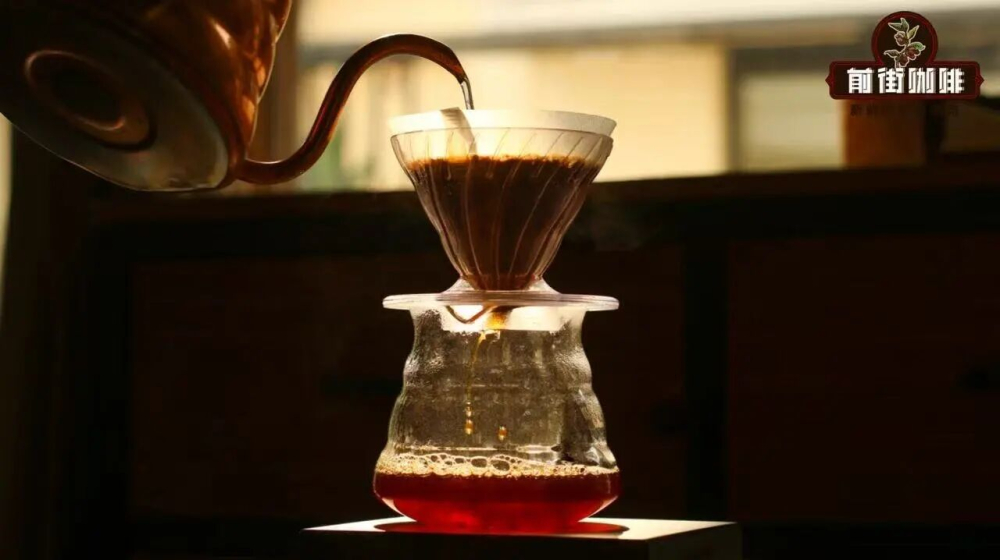
No one knows exactly when pour-over coffee gradually became a lifestyle trend. However, pour-over is far from the only way to enjoy a cup of coffee. For those just getting into coffee, the French press is worth trying—it releases the flavors of the coffee beans quite directly. As the name suggests, the French press originated in France and is widely used across Europe. It's not complicated to operate either: just steep the coffee grounds in hot water.
The French press comes with its own metal filter, so even filter paper can be skipped. Because this pot releases the components of the coffee beans more fully, it's best to brew with specialty coffee beans of a medium grind. The French press method involves steeping coarsely ground coffee in hot water for a fixed period (generally four minutes), then manually separating the grounds from the water using the plunger.
French presses are usually made of glass or stainless steel, with a metal plunger and handle. Some models use polypropylene on the base, lid, and handle. They are lightweight overall with a very low barrier to operation—you could say anyone with hands can do it.
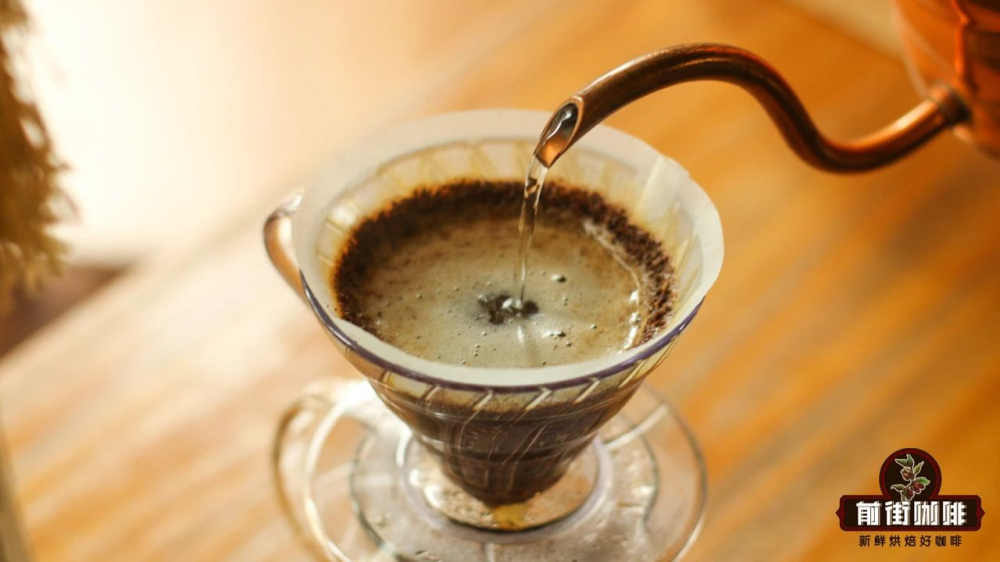
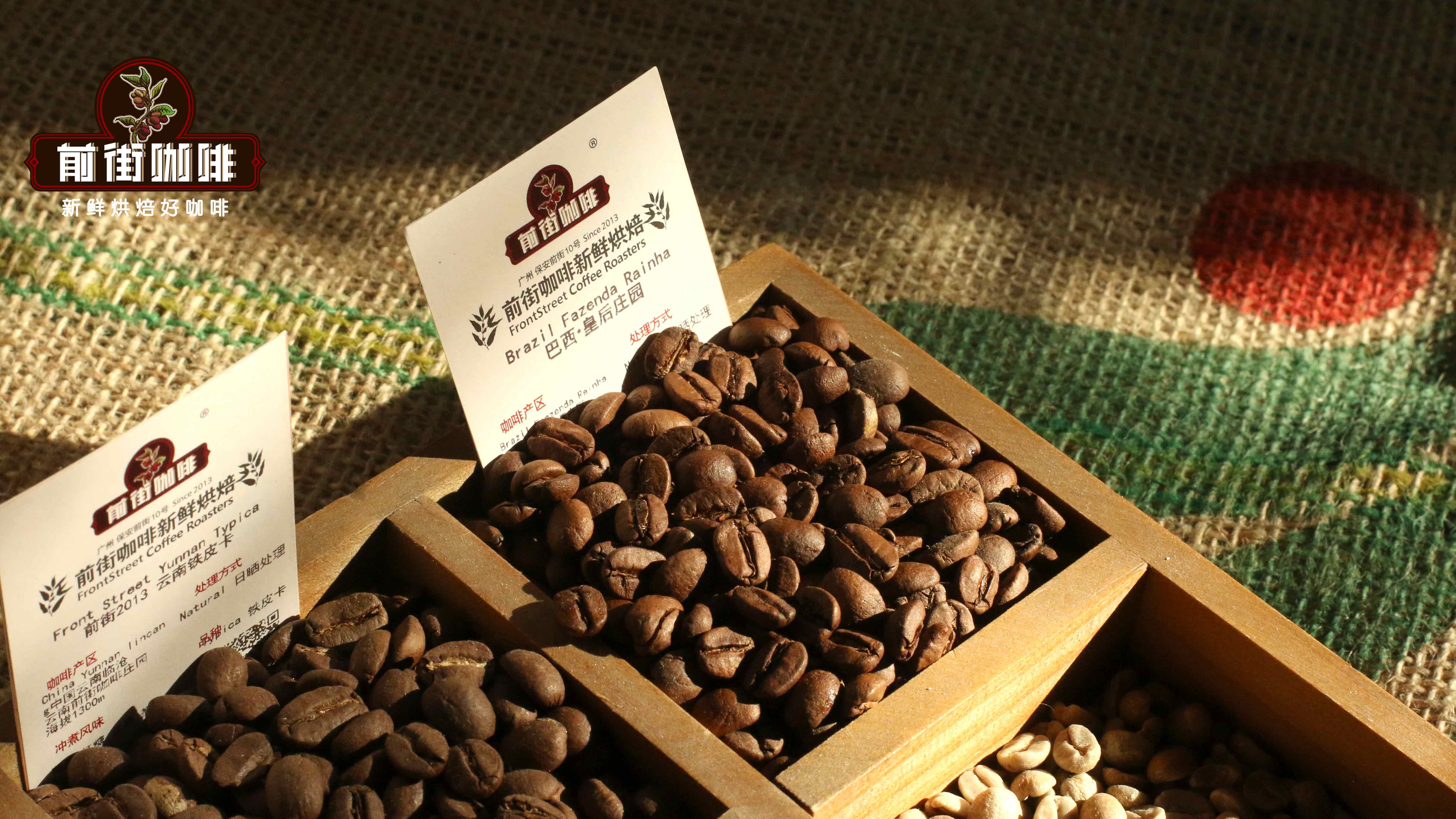
The French press is an immersion extraction method, yielding a cup that leans rich and full-bodied. So the best matches for it are nothing other than the wildly aromatic Front Street PWN Golden Mandheling, the Front Street Queen's Estate Brazil with its creamy roasted peanut notes, and the Front Street Strawberry Candy with its rose fragrance—all medium or darker roasts. These beans deliver outstanding performance in both body and flavor.
Front Street suggests choosing beans with a balanced flavor profile, leaning toward dark chocolate or nutty notes, when selecting coffee for the French press. As for beans roasted too light, Front Street Coffee doesn't particularly recommend them, because such beans are very sour, and since the French press is an immersion extraction, if the beans themselves have rich layers of flavor, it's relatively difficult for the French press to express those layers.
How to Use a French Press
1. First grind the coffee beans, then pour them into the French press. At this point, don't worry too much about what many people say regarding grind size—no need to grind too coarse; just keep a medium grind, roughly a bit coarser than your usual pour-over. Front Street Coffee (FrontStreet Coffee) believes it's best to grind the coffee beans fairly evenly, because when coffee grounds of varying coarseness are extracted in water, the very fine particles release compounds faster than the coarse ones. The result is that the fine particles are already over-extracted while the normal-sized particles aren't extracted enough, and the final cup won't taste good either.
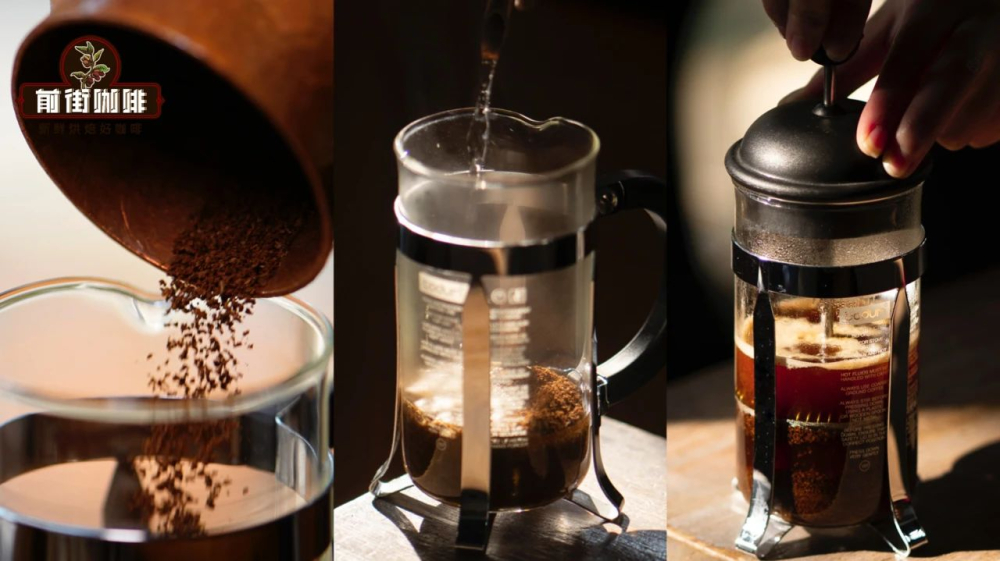
2. The recommended water temperature is around 88°C, and the recommended coffee-to-water ratio is 1:10 to 1:13. After pouring in the hot water, stir with a spoon to let the coffee grounds and water fully combine.
3. Put the French press lid on, with the filter resting at the top, and let it sit for 4 minutes.
4. Before pressing down the filter, you can open the lid first and use a spoon to scoop out the foam and small particles floating on top, then press the filter all the way down.
5. Once brewing is complete, immediately pour it into another insulated container without delay, because the coffee grounds are still steeping in it. Then pour it into a cup and enjoy it slowly.
The above content is compiled by CoffeeHunters, a coffee news website.


