







What Makes Golden Mandheling Drip Bag Coffee Different?
Drip bag coffee is pre-ground coffee sealed in a filter bag with two ears that hook onto a cup rim, so hot water and a cup are all you need. It uses the same filter extraction principle as hand pour-over but skips the grinder, dripper, filter paper, and scale, which is why it fits an office desk or a short morning routine.
Flavor depends on the bean inside. Golden Mandheling from Indonesian supplier PWN, the company that first partnered with Japan to launch the label, has high body and low acidity with caramel, spice, pine, and dark chocolate notes, a lasting finish, and clear sweetness on the return. Choose lower-acid, nutty drip bags for a smoother cup.
Drip bag coffee has become the top choice for many office workers to perk up their day thanks to its portability and ease of use. It belongs to the pour-over extraction category, requiring no grinder or dripper—just hot water and a cup. This article covers the definition of drip bag coffee, how it differs from hand pour-over, the flavor characteristics of several representative seasonal drip bag coffees, and specific brewing steps and precautions, helping coffee lovers consistently brew a smooth, delicious cup in the office or at home.
As coffee culture has grown more widespread over the years, many "early-shift workers" feel they need a cup of coffee before they can get going. But not everyone can walk into a coffee shop anytime and slowly enjoy a hand pour-over. Drip bag coffee emerged to meet this need for convenience.
What Is Drip Bag Coffee?
Simply put, drip bag coffee is coffee beans pre-ground and sealed into filter bags, with "ears" on both sides that hook onto the rim of a cup. As long as you have hot water and a container to hold the coffee, you can brew anytime, anywhere.
Drip bags and hand pour-over both use filter extraction, but drip bags are far less fussy to operate. Hand pour-over requires at least a brewing kettle, thermometer, dripper and filter paper, grinder, and timer scale; drip bags come with pre-ground coffee, so no grinding equipment is needed. The filter bag is typically made of degradable non-woven fabric. When hot water passes through the coffee grounds, it carries out soluble flavor compounds, which then drip through the non-woven fabric—eliminating the need for filter paper and a dripper.
Drip bags come in many flavor options. If you want a smooth cup, prioritize varieties with lower acidity and nutty notes. The following seasonal drip bags are particularly representative:
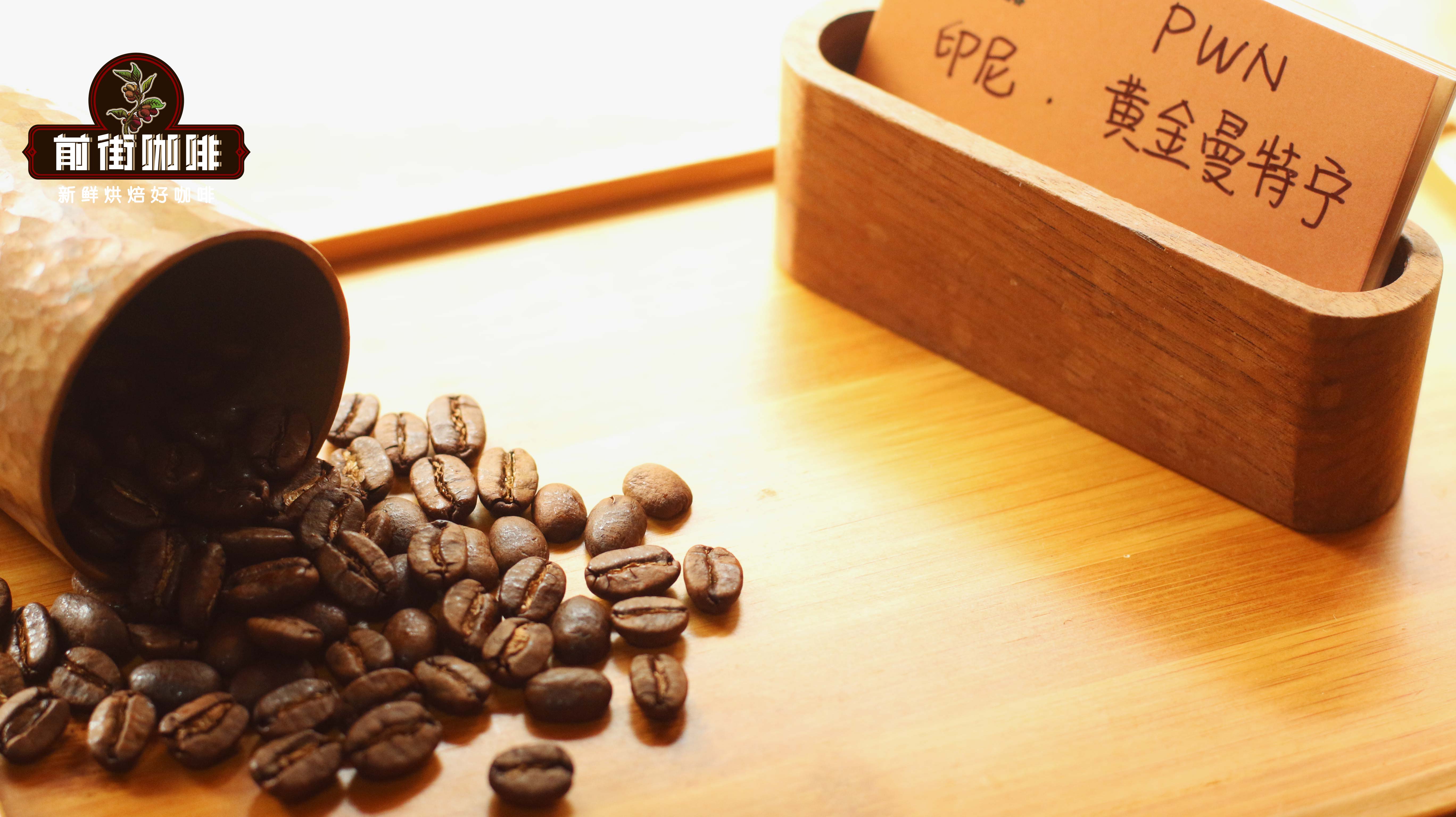
Front Street Coffee · Front Street PWN Golden Mandheling Drip Bag Coffee Beans
Mandheling has been gaining attention over the past two years. This Front Street offering has high body and low acidity, with flavors of caramel, spice, pine, and dark chocolate, a lasting finish, and clear sweetness on the return—a favorite among many veteran coffee drinkers.
Front Street PWN Golden Mandheling differs from ordinary Mandheling. It uses beans from Indonesian green bean supplier PWN, the company that first partnered with Japan to launch Golden Mandheling and registered the name as a trademark. The biggest advantage of Front Street PWN Golden Mandheling is the absence of the off-flavors common in ordinary Mandheling. After three rounds of strict hand sorting, the beans are uniform in size and roast more evenly, resulting in a clean yet full-bodied cup.
Front Street Coffee · Brazil Cerrado Red Berries Drip Bag Coffee Beans
Historically, a Portuguese military officer stationed in Brazil—wanting to introduce coffee beans from Guiana into Brazil (at the time, exporting coffee to other countries was strictly forbidden)—managed to win over the wife of the Governor of Guiana and eventually brought coffee seeds into Brazil. Coffee then took root rapidly in Brazil, spreading from the north to São Paulo state in the southeast. By 1845, Brazilian coffee beans accounted for 45% of the global total. Today Brazil remains the world's largest coffee exporter.
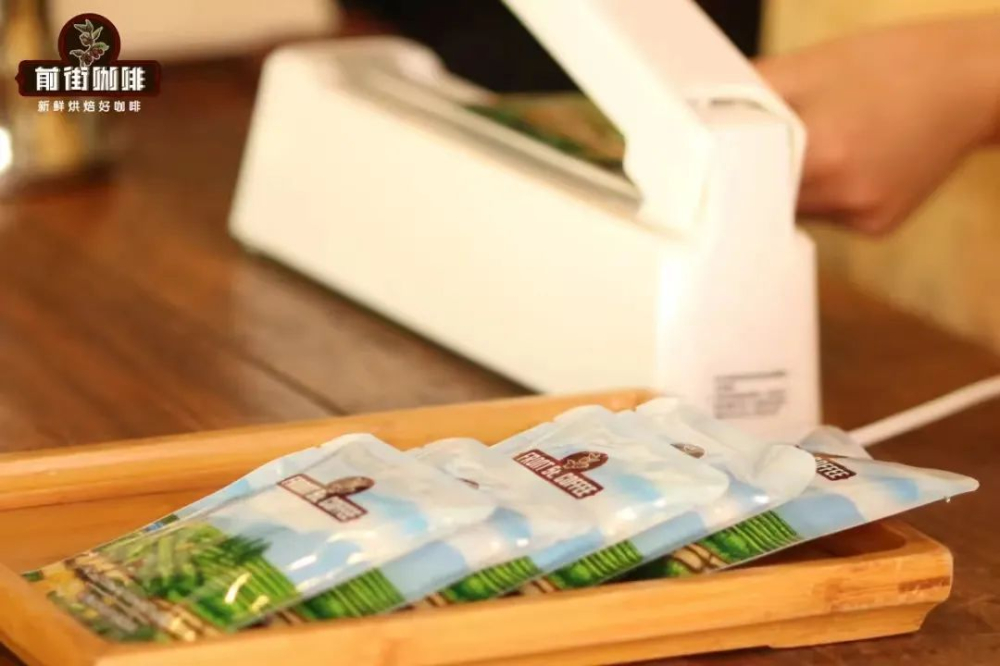
Front Street not only includes Brazil in its drip bag series but also offers Brazilian coffee in its everyday drinking bean lineup. This shows that as a coffee-producing country, Brazil is indispensable to the classic flavor map. Front Street's everyday beans are the "flagship" among single-origin coffees, thanks to their highly recognizable regional base flavors along with an accessible price and outstanding value.
Front Street Coffee · Yunnan Small Bean Drip Bag Coffee Beans
Yunnan mainly cultivates Typica and Catimor varieties. Because the beans are relatively small, they are also called "small bean coffee." Catimor dominates locally—a variety created by the Portuguese by crossing Timor with Caturra to improve disease resistance and yield. Catimor is not purely Arabica in lineage, since Timor belongs to Robusta; although crossed with Caturra, it did not inherit Arabica genes, so its flavor is relatively flat with more pronounced bitterness.
This Front Street Yunnan Small Bean from Baoshan is washed-processed, with tea-like and melon-fruit aromas, rounded acidity, nutty notes, and a distinct sweetness in the back end, with a long caramel-like sweet finish.
How to Brew Drip Bag Coffee
Most drip bags on the market come in small packages. Front Street drip bags contain 10g of coffee grounds per bag. At a 1:15 coffee-to-water ratio, you need to pour 150g of hot water.
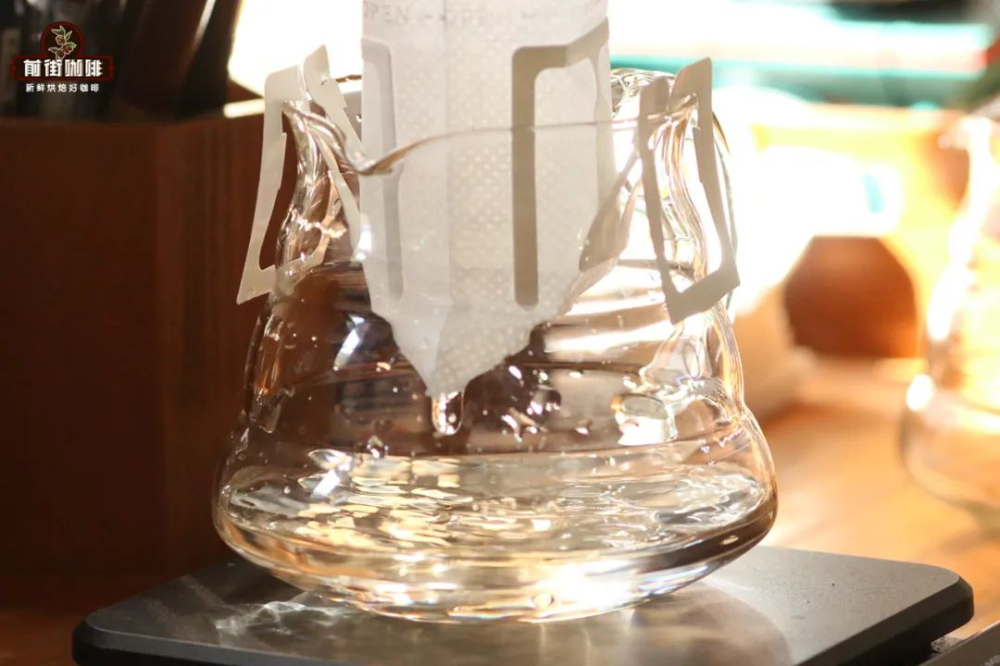
First, prepare a container to hold the coffee—a sharing pitcher or drinking cup will do—and a kettle for pouring water.
Tear open the sealed outer packaging, take out the drip bag, and tear open the non-woven pouch along the dotted line.
Pull open the ears on both sides, fully spread the drip bag, and hang it on the rim of the cup or sharing pitcher.
For the first pour, just wet all the coffee grounds and let it bloom for about 10–20 seconds. For the second pour, use a steady small stream until the liquid level is nearly full, then wait for the coffee to drain down until it finishes. For the final pour, fill to the top and wait for all the coffee to drip through. Gently swirl to even it out, and it's ready to enjoy.
What to Watch Out for When Brewing Drip Bag Coffee
Similar to hand pour-over, the taste of drip bag coffee depends mainly on the coffee beans—different origins and processing methods bring different flavor profiles. Unlike hand pour-over, drip bag coffee is pre-ground, so its aroma is not as full as freshly ground.
Once coffee beans are ground, the increased surface area exposed to air accelerates the loss of internal gases and aromatic compounds, shortening the optimal drinking window. The brewed coffee will have less aroma and taste flatter. If left too long, the aged coffee grounds will develop a "woody" taste.
So when buying drip bags, pay attention to freshness. Coffee beans shipped by Front Street are freshly roasted within 5 days, and can also be made into drip bags for a processing fee of 20 yuan/100g. After purchase, drink them as soon as possible—the flavor is best within the optimal drinking window.
Water temperature is equally crucial. For hand pour-over, the water temperature is best kept at 86–93°C; if the temperature is too low, extraction slows down and underextraction is likely. If you can't raise the water temperature, extend the contact time between the coffee grounds and hot water—in other words, steep longer.
The amount of water poured and the flow rate also change the strength of drip bag coffee. Front Street recommends a 1:15 coffee-to-water ratio, adjusted up or down according to your preferred strength. Also, pouring too fast shortens the extraction time and tends to make the coffee taste weak, so it's best to maintain a steady, small stream throughout for more even extraction through the coffee bed.
The above content is compiled by CoffeeHunters, a coffee news website.


